


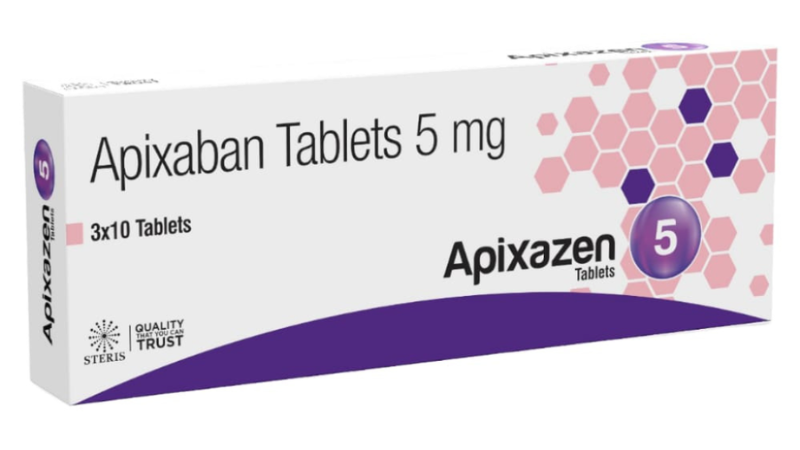



Apixaban 5 Mg Tablet
Dec 05, 2022
Every year, millions of people around the world face a silent but life-threatening risk — abnormal blood clots forming inside their blood vessels. A clot in a deep vein of the leg can travel to the lungs and cause a pulmonary embolism, which can be fatal within minutes. A clot forming inside a heart with an irregular rhythm can break free and block an artery to the brain, causing a devastating stroke. These are not rare events — they are among the leading causes of death and disability worldwide, and India carries a significant and growing burden of these conditions.
For patients with atrial fibrillation, deep vein thrombosis, pulmonary embolism, or those recovering from joint replacement surgery, the difference between a good outcome and a catastrophic one often comes down to one thing: the right anticoagulant, prescribed correctly, taken consistently.
Apixaban has transformed how cardiologists, hematologists, and physicians manage blood clot prevention. As a Direct Oral Anticoagulant (DOAC) — also called a Novel Oral Anticoagulant (NOAC) — it offers the gold-standard protection against dangerous clot formation with a profile of safety, predictability, and clinical convenience that older blood thinners like Warfarin simply cannot match.
APIXAZEN 5, manufactured by Steris Healthcare Pvt Ltd, delivers Apixaban at the standard therapeutic dose of 5mg per tablet — the cornerstone dose in the management of atrial fibrillation and venous thromboembolism that has been established through landmark clinical trials involving tens of thousands of patients globally.
This complete guide covers everything patients, caregivers, and healthcare professionals need to know about Apixaban 5mg — how it works, what it treats, how to take it correctly, its side effects, critical drug interactions, and why APIXAZEN 5 by Steris Healthcare is the reliable, quality-manufactured choice for long-term anticoagulation therapy.
What Is Apixaban? A New Era in Blood Clot Prevention
Apixaban is a member of the Direct Oral Anticoagulant (DOAC) class — the most significant advancement in anticoagulation therapy in over 60 years. To understand why Apixaban represents such a clinical breakthrough, it helps to briefly understand the history of blood thinners and why the older approach had critical limitations.
The Problem with Warfarin — The Old Standard
For decades, Warfarin was the only oral anticoagulant available. It works by blocking the synthesis of vitamin K-dependent clotting factors and is undoubtedly effective at preventing clots — but it comes with a set of clinical challenges that have made it one of the most difficult medications to manage in all of medicine:
Warfarin has a narrow therapeutic window — the difference between too little (ineffective, clot forms) and too much (dangerous bleeding) is extremely small. Every patient metabolizes it differently based on genetics, diet, and other medications. Patients require frequent INR blood tests — sometimes weekly — to monitor their clotting status and adjust doses. Foods rich in vitamin K (green leafy vegetables like spinach, methi, palak — dietary staples in Indian cooking) interact significantly with Warfarin, making dose management particularly challenging for Indian patients. Numerous drug interactions further complicate management.
The Apixaban Revolution
Apixaban was developed to provide predictable, effective anticoagulation without these limitations. It is part of the DOAC class that directly targets specific coagulation factors rather than broadly interfering with vitamin K metabolism, giving it properties that have fundamentally changed clinical practice:
- Fixed dosing — no routine blood monitoring required
- Predictable pharmacokinetics — the same dose produces consistent anticoagulation across most patients
- Minimal food interactions — patients can eat their normal diet, including vitamin K-rich vegetables
- Fewer drug interactions — compared to Warfarin
- Rapid onset of action — therapeutic anticoagulation within hours of the first dose
- Shorter offset — anticoagulation wears off faster when stopped, important around surgical procedures
APIXAZEN 5 (Apixaban 5mg) brings this modern anticoagulation standard to patients through Steris Healthcare's commitment to quality pharmaceutical manufacturing.
How Does Apixaban Work? The Mechanism of Action
Understanding Apixaban's mechanism helps explain why it is so precisely targeted and why it has such a favorable safety profile compared to older anticoagulants.
The Coagulation Cascade — What Needs to Be Blocked
Blood clotting is a complex cascade of enzymatic reactions — a sequence of activated proteins that ultimately convert soluble fibrinogen into insoluble fibrin, creating the mesh that forms a blood clot. This cascade has many steps, but it converges on a critical central player called Factor Xa.
Factor Xa is the gateway enzyme — the point where the intrinsic and extrinsic clotting pathways merge. It forms part of the prothrombinase complex that converts prothrombin to thrombin. Thrombin is then responsible for producing fibrin and activating platelets — two of the three key steps in forming a stable blood clot.
Block Factor Xa, and you block clot formation at its most critical chokepoint — without interfering with the early stages of the clotting cascade or the synthesis of clotting factors.
Apixaban — A Direct, Selective Factor Xa Inhibitor
Apixaban is a direct, highly selective, reversible inhibitor of Factor Xa. It binds directly to the active site of Factor Xa — both free Factor Xa in the bloodstream and Factor Xa already bound in the prothrombinase complex — blocking its ability to cleave prothrombin and initiate thrombin generation.
By shutting down Factor Xa activity, Apixaban:
- Prevents the formation of new clots (thrombosis prophylaxis)
- Limits the extension of existing clots
- Reduces the conversion of prothrombin to thrombin — thereby reducing fibrin formation and platelet activation
Because Apixaban targets a single, specific enzyme rather than broadly suppressing clotting factor synthesis (like Warfarin), its anticoagulant effect is highly predictable and proportional to drug concentration. This predictability is the scientific foundation for fixed dosing without routine monitoring.
Why Apixaban Has a Lower Bleeding Risk
Apixaban's selective Factor Xa inhibition also partially explains its favorable bleeding profile compared to Warfarin. Warfarin suppresses all vitamin K-dependent factors (Factors II, VII, IX, X, and Proteins C and S), creating a broadly disrupted coagulation system. Apixaban selectively inhibits only Factor Xa, leaving many other aspects of the coagulation system intact — including some ability to form emergency hemostasis (clot to stop bleeding) when physiologically necessary.
Additionally, the ARISTOTLE trial — the landmark Phase III clinical trial of Apixaban in atrial fibrillation involving over 18,000 patients — demonstrated that Apixaban not only reduced stroke risk compared to Warfarin but did so with significantly fewer major bleeds and a 31% relative reduction in intracranial hemorrhage — the most dangerous form of anticoagulant-related bleeding. This is the single most important clinical statistic in all of anticoagulation medicine.
APIXAZEN 5 — Complete Clinical Uses
1. Stroke Prevention in Non-Valvular Atrial Fibrillation (AF)
This is the most common and most critically important use of Apixaban 5mg. Atrial fibrillation (AF) is the most common sustained cardiac arrhythmia, characterized by chaotic electrical activity in the atria of the heart, causing an irregular and often rapid heartbeat. India has an estimated 6–8 million people with AF, and this number is growing rapidly with the aging population and rising burden of hypertension, diabetes, and coronary artery disease.
In AF, because the atria quiver chaotically rather than contracting normally, blood pools and swirls in the left atrial appendage — a small pouch in the wall of the left atrium. This stagnant blood is prone to clotting. When a clot forms here and breaks free, it travels through the aorta to the cerebral arteries and causes a cardioembolic stroke — one of the most severe types of stroke, associated with high mortality and severe disability.
Patients with AF have a 5-fold higher risk of stroke compared to the general population. For patients above 65, with hypertension, diabetes, heart failure, or prior stroke history, this risk is even higher.
APIXAZEN 5 (Apixaban 5mg twice daily) is the standard dose for stroke prevention in AF and is the most important anticoagulant indication. The ARISTOTLE trial demonstrated that Apixaban reduced stroke or systemic embolism by 21% compared to Warfarin, reduced major bleeding by 31%, and reduced all-cause mortality by 11% — a truly remarkable trifecta of superior efficacy AND superior safety that established Apixaban as the preferred DOAC for AF stroke prevention in major international guidelines including those of the European Society of Cardiology (ESC) and American Heart Association (AHA).
2. Treatment of Deep Vein Thrombosis (DVT)
Deep Vein Thrombosis occurs when a blood clot forms in a deep vein — most commonly in the calf, thigh, or pelvis. It presents with leg pain, swelling, warmth, and redness. DVT is a medical emergency because the clot can break free and travel to the lungs, causing a potentially fatal pulmonary embolism (PE).
Risk factors include prolonged immobility (long flights, bed rest after surgery or illness), cancer, pregnancy, obesity, oral contraceptive use, dehydration, and inherited clotting disorders (thrombophilia).
For DVT treatment, Apixaban is used with an initial higher dose (10mg twice daily for 7 days — the treatment initiation phase) followed by the standard maintenance dose. APIXAZEN 5 (5mg twice daily) is the maintenance dose used to treat DVT, dissolve the clot, and prevent it from extending or causing PE.
The AMPLIFY clinical trial demonstrated that Apixaban was as effective as conventional enoxaparin/warfarin therapy for DVT treatment — with a 69% relative reduction in major bleeding. This dramatically improved safety profile has made Apixaban the preferred oral treatment for DVT in current guidelines.
3. Treatment of Pulmonary Embolism (PE)
Pulmonary Embolism is a blockage of the pulmonary arteries by a blood clot — most commonly originating from a DVT. It causes sudden breathlessness, chest pain, rapid heartbeat, and in severe cases, cardiovascular collapse and death. PE is the third most common cause of cardiovascular death worldwide.
For hemodynamically stable PE (patients who are not in shock), Apixaban — following the same initial 10mg twice-daily loading phase and then APIXAZEN 5 (5mg twice daily) maintenance — is a guideline-recommended oral treatment option, as demonstrated by the AMPLIFY trial.
4. Prevention of Recurrent DVT and PE (Secondary Prevention)
After completing the initial 6-month treatment course for DVT or PE, many patients remain at elevated risk of recurrence. For these patients, extended anticoagulation using a lower dose of Apixaban (2.5mg twice daily — the APIXAZEN 2.5 dose) significantly reduces the risk of recurrence. The AMPLIFY-EXT trial demonstrated that extended Apixaban therapy reduced recurrent VTE by 67–80% compared to placebo.
This is an important clinical decision made by the treating physician based on individual recurrence risk factors versus bleeding risk.
5. Prophylaxis of DVT After Hip and Knee Replacement Surgery
Major orthopedic surgeries — particularly total hip replacement and total knee replacement — carry a very high risk of DVT due to venous stasis, vessel injury, and the hypercoagulable state following surgery. Without anticoagulant prophylaxis, DVT rates after hip replacement can reach 40–60%.
APIXAZEN 5 (Apixaban 2.5mg twice daily) — using the prophylactic dose — is started 12–24 hours after surgery and continued for 35 days after hip replacement and 12 days after knee replacement. The ADVANCE series of clinical trials (ADVANCE-1, 2, and 3) demonstrated that Apixaban was superior or non-inferior to Enoxaparin for VTE prophylaxis after major joint surgery, with comparable or superior bleeding profiles.
Dosage Guide — How APIXAZEN 5 Is Used in Clinical Practice
Precise dosing is critical with anticoagulants. The following is the standard clinical dosing for APIXAZEN 5 (Apixaban 5mg):
Atrial Fibrillation — Stroke Prevention
- Standard dose: APIXAZEN 5 — 5mg twice daily (approximately 12 hours apart)
- Reduced dose (2.5mg twice daily) is used if the patient meets at least 2 of the following criteria:
- Age ≥ 80 years
- Body weight ≤ 60 kg
- Serum creatinine ≥ 1.5 mg/dL
- This dose reduction is critical — applying it appropriately reduces bleeding risk in elderly, low-weight, or renally impaired patients
DVT/PE Treatment
- Days 1–7: Apixaban 10mg twice daily (loading/treatment phase — requires higher-strength tablets)
- Day 8 onwards: APIXAZEN 5 — 5mg twice daily (maintenance phase)
- Duration: Minimum 3–6 months, with extended therapy decision made at that point
DVT/PE Secondary Prevention (Extended Therapy)
- Apixaban 2.5mg twice daily (after completing initial treatment course)
Orthopedic Surgery Prophylaxis
- Apixaban 2.5mg twice daily starting 12–24 hours post-surgery
- Duration: 35 days (hip replacement) or 12 days (knee replacement)
Critical Dosing Instructions for APIXAZEN 5
Take at consistent times: Space doses approximately 12 hours apart. Consistency maintains steady anticoagulation levels throughout the day and night — the time when AF-related clots and nocturnal thromboembolic events can occur.
With or without food: Apixaban can be taken with or without food — no dietary restrictions required. This is a significant practical advantage over Warfarin.
Never double up a missed dose: If a dose is missed, take it as soon as remembered on the same day. If it is the next day, skip the missed dose and continue with the regular schedule. Never take two doses in one day.
Do not stop without medical advice: Stopping Apixaban abruptly without medical supervision significantly increases the risk of stroke and thromboembolism — particularly in AF patients. Never discontinue without consulting your cardiologist.
Crushing for patients with swallowing difficulty: Apixaban tablets can be crushed and mixed with water, apple juice, or apple purée and given immediately. This is important for elderly patients or those with dysphagia — a verified clinical flexibility that distinguishes Apixaban from some other DOACs.
Perioperative management: If surgery or a procedure is planned, your cardiologist and surgeon will determine exactly when to stop and restart APIXAZEN 5 based on the procedure's bleeding risk and your stroke/clot risk. Never stop independently before a procedure.
Side Effects of APIXAZEN 5 — What to Know and When to Act
The Most Important Concern — Bleeding
As with all anticoagulants, the primary side effect of Apixaban is increased risk of bleeding. The drug is designed to prevent dangerous clot formation — and this same mechanism means that normal clotting to stop a cut or injury is also slowed. However, the ARISTOTLE and AMPLIFY trials have clearly demonstrated that Apixaban produces significantly less major and intracranial bleeding than Warfarin — a critical safety advantage.
Signs of minor bleeding (monitor, report to doctor):
- Bleeding gums when brushing teeth
- Nosebleeds that are slightly more frequent or take longer to stop
- Bruising more easily than usual
- Heavier than usual menstrual bleeding in women
- Pink, red, or dark brown urine (blood in urine)
- Red or black tarry stools (blood in stool)
Signs of serious bleeding — seek emergency care immediately:
- Coughing or vomiting blood
- Severe or persistent headache (may indicate intracranial bleeding)
- Sudden vision changes, dizziness, weakness, or difficulty speaking (stroke symptoms — also an emergency)
- Heavy, uncontrollable bleeding from any site
- Severe abdominal or back pain (may indicate retroperitoneal or gastrointestinal bleed)
- Joint swelling and pain (intramuscular bleed)
Other Side Effects
Nausea: Mild nausea reported by some patients, particularly early in treatment. Taking the tablet with food reduces this.
Anemia: Chronic slow blood loss can lead to anemia over time. Regular blood count monitoring is part of long-term anticoagulation management.
Allergic reactions: Rash, itching, hives — rare but possible. Severe hypersensitivity reactions (anaphylaxis) are extremely rare.
Elevated liver enzymes: Rare reports of transient liver enzyme elevation — monitoring is recommended in patients with pre-existing liver disease.
There Is No Routine Monitoring Required — But Regular Follow-Up Is Essential
One of Apixaban's major practical advantages is that routine INR monitoring is not needed. However, this does not mean patients can be left unmonitored. Regular follow-up with your cardiologist should include:
- Kidney function (serum creatinine, eGFR): Apixaban is partially excreted by the kidneys. Annual monitoring minimum; more frequently in elderly patients
- Liver function: Apixaban is metabolized by the liver
- Full blood count: Monitoring for anemia from occult bleeding
- Body weight: Significant weight change may affect dosing decisions
- Review of all concurrent medications for new interactions
Critical Drug Interactions — What to Tell Your Doctor
Drug interactions with Apixaban are primarily mediated through CYP3A4 and P-glycoprotein (P-gp) pathways — the liver enzymes and transport proteins that process and eliminate Apixaban from the body.
Drugs That INCREASE Apixaban Levels (Increase Bleeding Risk)
Strong dual inhibitors of both CYP3A4 and P-gp significantly increase Apixaban blood levels:
- Azole antifungals: Ketoconazole, Itraconazole, Voriconazole, Posaconazole — commonly used for fungal infections
- HIV protease inhibitors: Ritonavir, Lopinavir — used in HIV treatment
- Clarithromycin: A commonly used antibiotic for respiratory infections
Clinical action: Dose reduction to Apixaban 2.5mg twice daily is recommended when these drugs are co-prescribed. In some cases, an alternative anticoagulant may be considered.
Drugs That DECREASE Apixaban Levels (Reduce Effectiveness — Increased Clot Risk)
Strong dual inducers of CYP3A4 and P-gp significantly reduce Apixaban levels:
- Rifampicin (Rifampin): Used for tuberculosis — extremely relevant in India given the high TB burden
- Anticonvulsants: Carbamazepine, Phenytoin, Phenobarbital
- St. John's Wort: A herbal supplement available over the counter — patients must disclose all herbal supplements
- Glucocorticoids (Dexamethasone at high doses)
Clinical action: Avoid these combinations if possible. If unavoidable, close monitoring and possible anticoagulant change is needed.
Other Important Interactions
Antiplatelet agents (Aspirin, Clopidogrel): Combination with Apixaban significantly increases bleeding risk. Many AF patients with coronary artery disease are on aspirin or dual antiplatelet therapy — the decision to combine these must be made carefully by a cardiologist, weighing thrombotic versus bleeding risk.
NSAIDs (Ibuprofen, Naproxen, Diclofenac): Regular use increases gastrointestinal bleeding risk. Avoid long-term NSAID use with Apixaban; if pain management is needed, discuss safer alternatives with your doctor.
Other anticoagulants or fibrinolytics (thrombolytics): Combining Apixaban with other anticoagulants is generally contraindicated except in very specific, tightly controlled clinical situations.
Apixaban vs Warfarin vs Other DOACs — Understanding the Clinical Landscape
| Feature | Warfarin | Rivaroxaban | Dabigatran | Apixaban (APIXAZEN 5) |
|---|---|---|---|---|
| Mechanism | Vit K antagonist | Factor Xa inhibitor | Thrombin inhibitor | Factor Xa inhibitor |
| Monitoring required | Yes (INR weekly/monthly) | No | No | No |
| Food interactions | Significant (Vit K) | Minimal | Minimal | Minimal |
| Dosing | Variable (INR-guided) | Once daily (most uses) | Twice daily | Twice daily |
| Stroke reduction vs Warfarin | Reference | Non-inferior | Non-inferior | Superior (ARISTOTLE) |
| Major bleeding vs Warfarin | Reference | Similar | Similar | Significantly reduced |
| Intracranial bleeding vs Warfarin | Reference | Reduced | Reduced | Maximally reduced (31%) |
| Renal excretion | Minimal | 33% | 80% | 27% |
| Preferred in renal impairment | Caution | Caution | Avoid | Yes (lowest renal excretion) |
| Antidote available | Vitamin K | Andexanet Alfa | Idarucizumab | Andexanet Alfa |
Apixaban's standout position in this comparison is clear — superior stroke reduction, lowest intracranial bleeding, lowest renal excretion (making it safer in mild-moderate kidney disease), and a validated specific reversal agent (Andexanet Alfa) for emergency bleeding situations.
Special Populations — Important Clinical Considerations
Elderly Patients (≥ 75 years)
Elderly patients are among the highest-risk populations for both AF-related stroke AND anticoagulant-related bleeding. The dose reduction criteria for Apixaban (2.5mg twice daily if ≥ 2 criteria met: age ≥ 80, weight ≤ 60kg, creatinine ≥ 1.5 mg/dL) are specifically designed to protect elderly patients. The ARISTOTLE trial subgroup analyses confirmed superior efficacy and safety with Apixaban versus Warfarin in elderly patients.
Patients with Chronic Kidney Disease (CKD)
Apixaban has the lowest proportion of renal excretion among all DOACs (approximately 27%), making it the preferred DOAC in patients with mild-to-moderate chronic kidney disease. It can generally be used with the standard 5mg twice-daily dose down to eGFR of approximately 25 mL/min/1.73m², with careful monitoring. In severe renal impairment (eGFR < 15) or dialysis, use requires specialist guidance.
Patients with Cancer (Cancer-Associated Thrombosis)
Venous thromboembolism is a major complication of cancer, and anticoagulation is required in many cancer patients with DVT or PE. Apixaban is one of the recommended options for cancer-associated thrombosis, based on clinical trial data showing efficacy and acceptable bleeding risk in this high-risk population.
Patients Requiring Surgery or Invasive Procedures
The perioperative management of Apixaban requires planning. For low-bleeding-risk procedures, Apixaban may be continued. For higher-risk procedures, it is typically stopped 24–48 hours before (or 72 hours for high-bleeding-risk procedures). Bridging with heparin is generally not required for most patients — but this decision must be individualized by your cardiologist.
APIXAZEN 5 by Steris Healthcare — Quality at the Heart of Anticoagulation
In anticoagulation therapy, pharmaceutical quality is not just a marketing consideration — it is a clinical necessity. The difference between 4.9mg and 5mg of Apixaban per tablet may sound insignificant. In a drug with a targeted mechanism and specific dosing thresholds for reduced-dose criteria, it is not.
Steris Healthcare Pvt Ltd manufactures APIXAZEN 5 to the exacting quality standards that anticoagulation therapy demands.
GMP-Compliant Manufacturing: APIXAZEN 5 is manufactured under Schedule M Good Manufacturing Practice guidelines regulated by the Central Drugs Standard Control Organisation (CDSCO) — India's national drug regulatory authority. Every batch is subject to rigorous quality control testing for content uniformity, dissolution profile, and stability before release.
Precise Content Uniformity: The 5mg Apixaban content in every APIXAZEN 5 tablet is manufactured to tight specifications — ensuring that the dose the prescriber intends is the dose the patient receives, consistently, every tablet, every strip.
Bioavailability-Optimized Formulation: Apixaban has approximately 50% absolute bioavailability at doses up to 10mg. Steris Healthcare's formulation expertise ensures consistent tablet dissolution and absorption characteristics — the foundation of predictable anticoagulant effect.
Accessible Pricing for Long-Term Therapy: Anticoagulation in AF is a lifelong commitment. The cost of medication over years matters enormously to patients and families. Steris Healthcare's competitive pricing for APIXAZEN 5 makes sustained anticoagulation accessible without compromising on the manufacturing quality that safe anticoagulation demands.
Prescriber Confidence: Cardiologists, internal medicine physicians, and hematologists who prescribe Steris Healthcare products do so with the confidence that comes from a pharmaceutical manufacturer with a consistent track record of quality, reliability, and regulatory compliance.
Living Safely with Long-Term Anticoagulation — Practical Guidance
APIXAZEN 5 provides powerful protection against blood clots — but safe long-term anticoagulation requires active partnership between patient and physician.
Carry an anticoagulant card: Always carry a card or medical alert information indicating that you are on Apixaban 5mg (APIXAZEN 5). In a medical emergency, this information is critical for the treating team.
Inform every healthcare provider: Before any medical procedure, surgery, dental work, or new medication, always tell the provider you are on Apixaban. This is non-negotiable — it affects perioperative management and drug prescribing decisions.
Minimize fall and injury risk: Anticoagulation increases the consequences of trauma — particularly head injuries. Elderly patients should address fall risk (appropriate footwear, bathroom rails, removing trip hazards at home). Contact sports and high-injury-risk activities require discussion with your cardiologist.
Avoid routine NSAID and aspirin use: Unless specifically prescribed by your cardiologist for a concurrent condition, avoid self-medicating with ibuprofen, aspirin, or other NSAIDs — they significantly increase gastrointestinal bleeding risk.
Never self-adjust dose or stop: Apixaban dosing is clinically calculated. Never increase, reduce, or stop your dose without explicit guidance from your cardiologist. The consequences — stroke or dangerous bleeding — can be severe.
Regular cardiology follow-up: Your underlying condition (AF, DVT history) requires ongoing management beyond just the anticoagulant. Regular cardiologist review manages the whole picture.
Final Thoughts — Protect What Matters Most With APIXAZEN 5
Blood clots that cause strokes and pulmonary embolisms are not inevitable. They are preventable — with the right anticoagulant, prescribed correctly, taken consistently, and monitored appropriately. Apixaban has the most robust evidence base of any oral anticoagulant in terms of stroke reduction, safety, and clinical outcomes across the most important anticoagulation indications.
APIXAZEN 5, manufactured by Steris Healthcare Pvt Ltd to rigorous GMP quality standards, puts this gold-standard anticoagulation within reach for Indian patients — at a dose precision, formulation quality, and price accessibility that reflects Steris Healthcare's commitment to medicines that genuinely make a difference to the people who take them.
If your cardiologist or physician has prescribed APIXAZEN 5, take it exactly as directed — twice daily, consistently, at the same times each day. Never miss doses. Never stop without medical guidance. Attend your regular monitoring appointments. And know that in choosing APIXAZEN 5, you are benefiting from one of the most clinically validated, safety-optimized anticoagulants in modern medicine.
Frequently Asked Questions About APIXAZEN 5
Q: Do I need blood tests while taking APIXAZEN 5? You do not need routine INR monitoring like with Warfarin. However, regular follow-up blood tests for kidney function, liver function, and full blood count are recommended — typically every 6–12 months, or more frequently based on your individual health status. Never interpret "no INR monitoring needed" as "no monitoring needed."
Q: Can I eat normally while taking APIXAZEN 5? Yes — this is one of Apixaban's most important practical advantages. Unlike Warfarin, which requires careful management of vitamin K-rich foods, APIXAZEN 5 has no dietary restrictions. You can eat green leafy vegetables, lentils, and all your normal foods without concern.
Q: What should I do if I cut myself or have minor bleeding while on APIXAZEN 5? Apply firm pressure to minor cuts and they will typically stop bleeding with slightly longer pressure than usual. For significant or uncontrolled bleeding, seek emergency medical care immediately and inform them you are taking Apixaban 5mg (APIXAZEN 5).
Q: Is there an antidote if I have a serious bleed while on APIXAZEN 5? Yes — Andexanet Alfa (brand name Andexxa) is a specific reversal agent for Factor Xa inhibitors including Apixaban. It is available in major hospitals for emergency reversal of Apixaban anticoagulation in life-threatening bleeding situations.
Q: Can I take APIXAZEN 5 with my heart medications? Many heart medications are safe with Apixaban, but some interact. Amiodarone (a common antiarrhythmic) and Digoxin have mild interactions. Beta-blockers and ACE inhibitors are generally safe. Always provide your cardiologist with a complete list of all medications including supplements and herbal remedies.
Q: Can I take APIXAZEN 5 during pregnancy? No. Apixaban is contraindicated in pregnancy. It crosses the placenta and can cause fetal harm. Women of childbearing age on Apixaban should use effective contraception and immediately inform their doctor if pregnancy occurs.
Q: What if I need an emergency dental extraction while on APIXAZEN 5? For most dental procedures, Apixaban does not need to be stopped. Inform your dentist that you are on Apixaban — most routine dental extractions can be performed safely with local hemostatic measures. Your cardiologist and dentist can coordinate for more complex dental surgery.
Recent Post
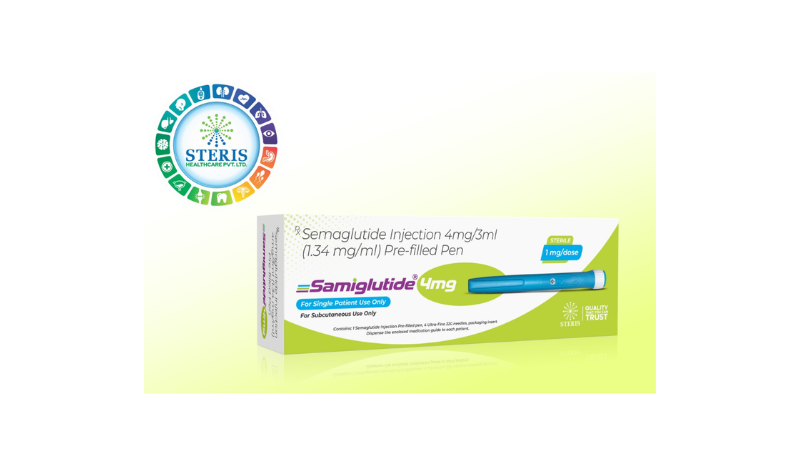
Semaglutide 4mg vs Pancreatitis Risk: What Doctors Want You to Know
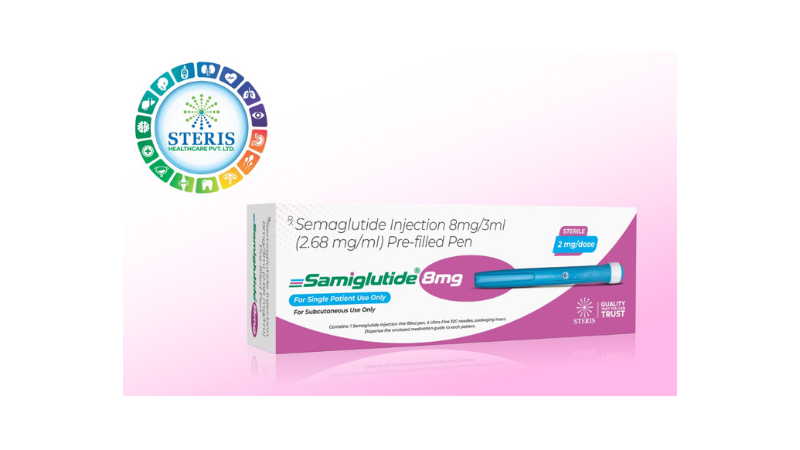
Semaglutide 8mg Injection: Frequently Asked Questions Answered by Experts
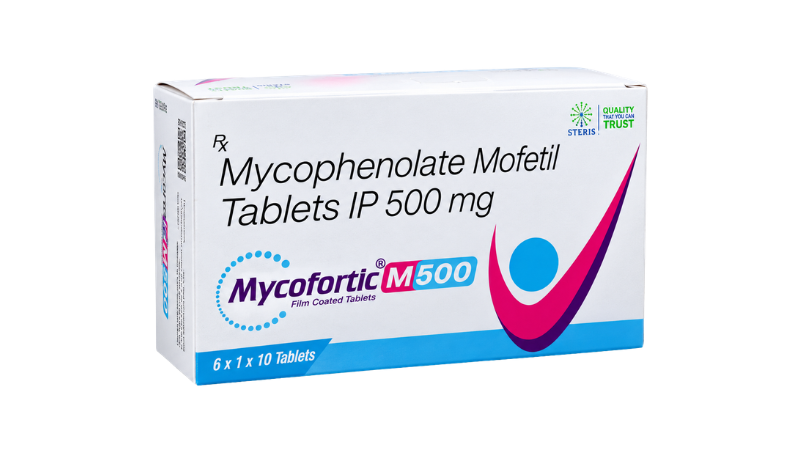
Mycophenolate Mofetil 500mg (Mycofortic M 500): Uses, Benefits & Precautions – Complete Guide
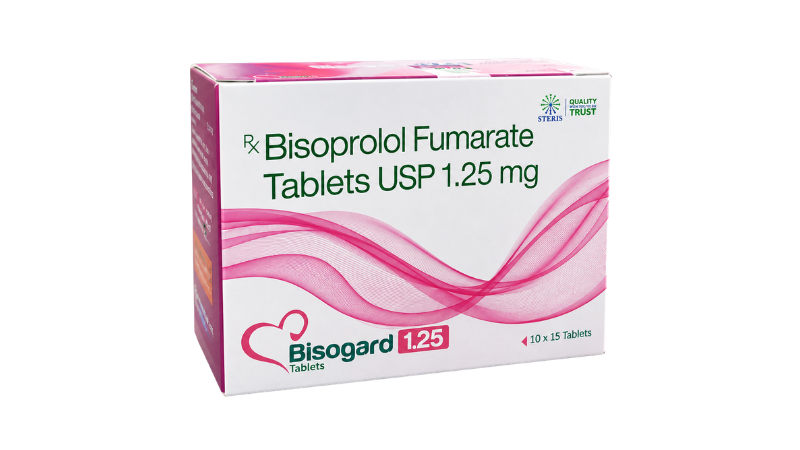
What is Bisogard 1.25? Bisoprolol 1.25mg Uses, Dosage & Side Effects Explained
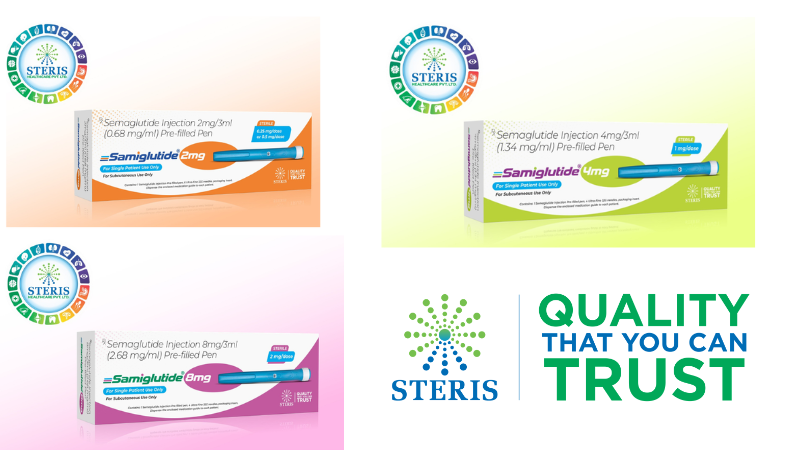
Can Semaglutide Injection Be Used Without Diabetes?
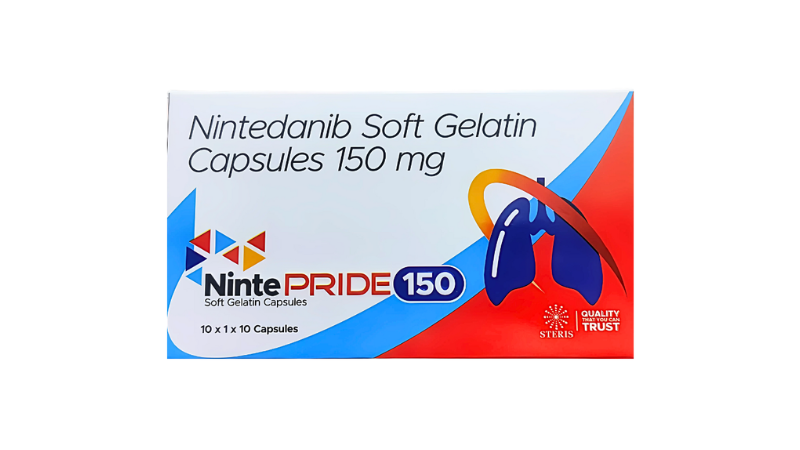
What Are Nintedanib Soft Gelatin Capsules Used For? Complete Guide
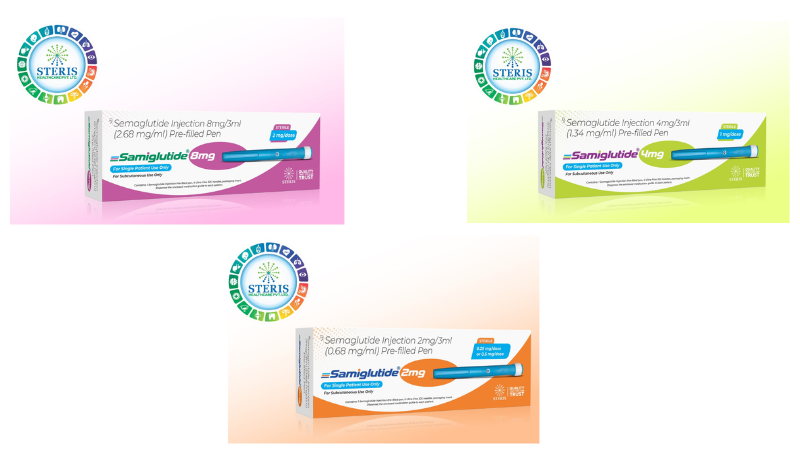
Where to Buy Semaglutide Injection in India: Price, Pen & Prescription Guide
ERITOCOX BENZ 60/5 Dosage Guide: How to Take Etoricoxib & Cyclobenzaprine Tablets Safely
Gabapentin and Methylcobalamin Tablets Side Effects: What Patients Should Know
Thyroxine sodium tablets IP: उपयोग, फायदे और साइड इफेक्ट्स