


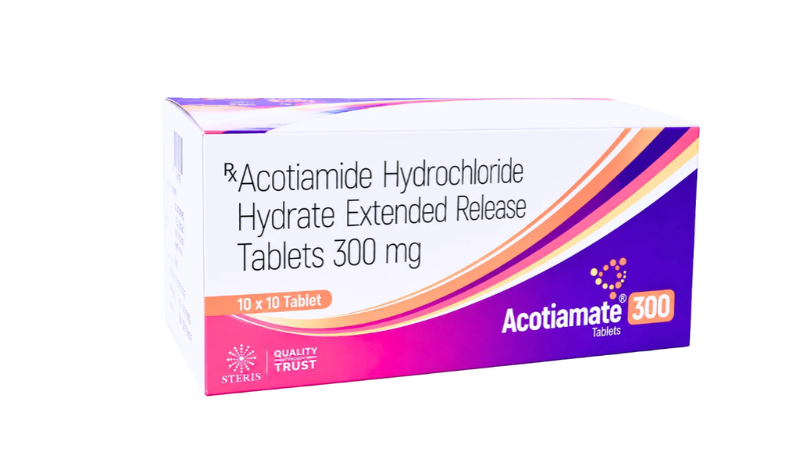


Acotiamide 300 mg: Uses, Benefits, Dosage, Side Effects & Precautions
Nov 28, 2026
What Is Acotiamide 300 mg?
Acotiamide 300 mg is an extended-release gastrointestinal prokinetic medicine prescribed for managing specific symptoms of functional dyspepsia (FD), particularly postprandial distress syndrome (PDS). It is designed to help people experiencing uncomfortable digestive symptoms such as post-meal bloating, upper abdominal fullness, and early satiety (feeling full after eating a small amount of food).
Functional dyspepsia is a digestive condition in which a person experiences recurring upper abdominal discomfort without an identifiable structural abnormality explaining the symptoms. It can affect eating habits, daily comfort, and overall quality of life.
The 300 mg extended-release formulation contains acotiamide hydrochloride hydrate as its active ingredient. Its extended-release design is intended to provide a different dosing schedule from conventional immediate-release formulations.
According to India's Central Drugs Standard Control Organisation (CDSCO), the 300 mg extended-release formulation has an approved indication for post-meal bloating, epigastric bloating, and early satiety associated with functional dyspepsia.
What Is Acotiamide 300 mg Used For?
Acotiamide 300 mg is used under medical supervision to manage symptoms associated with functional dyspepsia, especially symptoms related to postprandial distress syndrome.
Its main uses include:
- Post-meal bloating: Helps manage the uncomfortable sensation of abdominal fullness and bloating after eating.
- Epigastric bloating: Helps relieve bloating and discomfort in the upper central region of the abdomen.
- Early satiety: Helps address the feeling of becoming full after consuming only a small quantity of food.
- Postprandial fullness: Supports symptom management when the stomach feels excessively full for an extended period after meals.
- Functional dyspepsia: Helps manage selected digestive symptoms associated with impaired gastric motility and accommodation.
It is important to understand that Acotiamide 300 mg is not a general-purpose medicine for every type of acidity, stomach pain, or digestive problem. A healthcare professional should determine whether the symptoms are consistent with functional dyspepsia.
How Does Acotiamide 300 mg Work?
Acotiamide works by influencing gastrointestinal nerve signalling and improving aspects of stomach movement and coordination.
Its mechanism involves inhibiting acetylcholinesterase activity, which helps increase the availability of acetylcholine, a neurotransmitter involved in gastrointestinal motility.
Acetylcholine plays an important role in coordinating stomach muscle activity and digestive movement. By influencing this signalling pathway, acotiamide may help improve gastric emptying and gastric accommodation.
Gastric accommodation refers to the stomach's ability to relax and expand after food enters it. When this process does not function properly, individuals may experience uncomfortable fullness and early satiety.
Through its prokinetic and gastric accommodation-related effects, Acotiamide 300 mg may help improve symptoms of postprandial distress syndrome.
Key Benefits of Acotiamide 300 mg
When prescribed to an appropriate patient, Acotiamide 300 mg may offer several symptom-management benefits.
1. Helps Reduce Post-Meal Bloating
Persistent bloating after eating can make everyday meals uncomfortable. Acotiamide may help improve gastrointestinal function and manage post-meal bloating associated with functional dyspepsia.
2. Helps Manage Early Satiety
Early satiety can make it difficult to finish regular meals. By influencing gastric accommodation, acotiamide may help reduce the sensation of becoming full too quickly.
3. Supports Better Gastric Motility
Acotiamide influences acetylcholine-mediated gastrointestinal activity, supporting stomach movement and coordination.
4. Helps Relieve Postprandial Fullness
People with functional dyspepsia may experience prolonged fullness even after eating a relatively small meal. Acotiamide may help manage this particular symptom pattern.
5. Convenient Extended-Release Formulation
The 300 mg extended-release formulation offers a different dosing option compared with conventional immediate-release acotiamide tablets. The prescribed formulation and schedule should always be followed.
Acotiamide 300 mg Dosage and Administration
The dosage of Acotiamide 300 mg depends on the prescribed formulation, the patient's symptoms, medical history, and the treating physician's assessment.
The 300 mg extended-release tablet should not be considered interchangeable with immediate-release acotiamide tablets simply because the active ingredient is the same.
Important administration precautions:
- Take the medicine according to your doctor's instructions.
- Follow the product-specific instructions regarding meals and timing.
- Swallow extended-release tablets as directed; do not crush or chew them unless the product information specifically permits it.
- Do not increase, reduce, or discontinue the prescribed dose without medical advice.
- Inform your doctor about other medicines and supplements you are taking.
Possible Side Effects of Acotiamide 300 mg
Like other medicines, Acotiamide 300 mg may cause unwanted effects in some individuals. Not everyone experiences side effects, and their severity can vary.
Possible adverse effects reported with acotiamide treatment include:
- Diarrhoea or loose stools.
- Constipation.
- Nausea.
- Abdominal discomfort.
- Headache.
- Dizziness.
- Increased liver enzyme levels in laboratory tests.
- Changes in prolactin levels in laboratory tests.
The actual side-effect profile can depend on the formulation, dosage, treatment duration, and individual health conditions.
Seek medical attention if you experience severe or persistent symptoms, signs of an allergic reaction, or unusual changes in your health.
Precautions Before Taking Acotiamide 300 mg
Before starting treatment, tell your doctor if you:
- Have a history of liver or kidney problems.
- Are pregnant, planning pregnancy, or breastfeeding.
- Take other gastrointestinal medicines.
- Have persistent or unexplained abdominal symptoms.
- Have a known allergy to acotiamide or any tablet ingredient.
Unexplained weight loss, blood in stools, persistent vomiting, difficulty swallowing, or severe abdominal pain require medical evaluation rather than self-treatment with a digestive medicine.
Who May Benefit from Acotiamide 300 mg?
Acotiamide 300 mg may be considered by a healthcare professional for adults experiencing symptoms consistent with functional dyspepsia, particularly:
- People experiencing frequent bloating after meals.
- Individuals who feel full after eating small portions.
- Patients with persistent postprandial fullness.
- Individuals diagnosed with postprandial distress syndrome.
The medicine is not appropriate for everyone with digestive complaints. A proper diagnosis is important because similar symptoms can occur with other gastrointestinal conditions.
Recent Clinical Evidence and Medical Perspective
Clinical research has investigated acotiamide for functional dyspepsia, including its effects on postprandial fullness, early satiety, and upper abdominal bloating.
A phase III comparative study published in 2021 evaluated extended-release acotiamide 300 mg once daily against conventional acotiamide 100 mg three times daily over four weeks in patients with functional dyspepsia and postprandial distress syndrome.
More recently, the 2025 Second Asian Consensus Report on Functional Dyspepsia discussed fundic relaxants such as acotiamide as potentially effective options, particularly for postprandial distress syndrome. The report assigned moderate evidence to this recommendation.
These findings support the clinical relevance of acotiamide, but treatment decisions should consider the individual patient's diagnosis, medical history, and the exact formulation prescribed.
Conclusion
Acotiamide 300 mg is an extended-release gastrointestinal medicine developed to manage symptoms of functional dyspepsia, particularly post-meal bloating, epigastric bloating, postprandial fullness, and early satiety.
By influencing acetylcholine-mediated gastrointestinal activity and gastric accommodation, it may help improve digestive comfort in appropriately selected patients. Its extended-release formulation also provides a dosing alternative to conventional immediate-release acotiamide.
For individuals searching for Acotiamide 300 mg uses, benefits, dosage, and side effects, the most important consideration is choosing the correct formulation under medical supervision. It is not a universal treatment for acidity or all digestive disorders.
Always consult a qualified healthcare professional before starting treatment, and follow the approved product information for dosage, administration, contraindications, and precautions.
Writing
Frequently Asked Questions
1. What is Acotiamide 300 mg used for?
Acotiamide 300 mg is used to manage symptoms of functional dyspepsia, particularly post-meal bloating, upper abdominal bloating, postprandial fullness, and early satiety. It helps regulate gastrointestinal activity and is prescribed by a doctor.
2. Does Acotiamide 300 mg help with bloating?
Yes. Acotiamide 300 mg is indicated for managing post-meal and epigastric bloating associated with functional dyspepsia. It influences gastrointestinal motility and gastric accommodation, which may help reduce uncomfortable fullness.
3. How does Acotiamide 300 mg improve digestion?
Acotiamide inhibits acetylcholinesterase activity, helping increase acetylcholine availability. This supports gastrointestinal movement and stomach accommodation, potentially improving symptoms associated with functional dyspepsia.
4. What are the common side effects of Acotiamide 300 mg?
Possible side effects include diarrhoea, constipation, nausea, abdominal discomfort, headache, and dizziness. Laboratory changes involving liver enzymes or prolactin may also occur. Consult your doctor if symptoms persist or become severe.
5. Is Acotiamide 300 mg taken once daily?
The extended-release 300 mg formulation has been studied as a once-daily treatment. However, the correct schedule depends on the specific approved product and your doctor's prescription. Do not substitute it for immediate-release tablets without medical advice.
6. Can Acotiamide 300 mg be used for acidity and acid reflux?
Acotiamide 300 mg is primarily indicated for functional dyspepsia symptoms, including post-meal bloating and early satiety. It is not primarily an acid-reducing medicine and should not be considered a replacement for reflux treatment.
7. How long does Acotiamide 300 mg take to work?
The time required for symptom improvement varies between individuals. Clinical studies have evaluated acotiamide treatment over periods of approximately two to four weeks. Follow your doctor's recommended treatment duration and review your response with them.
8. Is Acotiamide 300 mg suitable for long-term use?
The suitability of long-term treatment depends on the patient's condition, response, and safety profile. Do not continue treatment indefinitely without medical review.
9. What is the difference between Acotiamide 100 mg and Acotiamide 300 mg?
Acotiamide 100 mg is commonly available as an immediate-release formulation taken in divided doses, whereas Acotiamide 300 mg is available as an extended-release formulation designed for a different dosing schedule. They are not automatically interchangeable.
10. Does Acotiamide 300 mg improve early satiety?
Acotiamide may help manage early satiety associated with functional dyspepsia by influencing gastric accommodation and gastrointestinal activity. Its effectiveness varies depending on the patient's condition.
Recent Post
Dapagliflozin 10 mg Combinations: Uses, Benefits & Side Effects | GLIDAPA PIO & GLIDAPA BISO
Dapagliflozin + Metformin SR Tablets: Uses, Benefits & 4 Strengths | GLIDAPAFLOZIN MET
Dapagliflozin 5 mg & 10 mg Tablets – Uses, Benefits | GLIDAPAFLOZIN
Obeticholic Acid 10mg: Liver-Related Uses, Risks and Safety Information

Multi-Ingredient Face Wash: Benefits of Niacinamide, Glycolic Acid and Salicylic Acid
Venlafaxine 37.5 mg: Uses, Benefits, Side Effects & Precautions
Glimepiride 0.5mg: Uses, Blood Sugar Control and Possible Side Effects
Linagliptin 5mg and Metformin Hydrochloride SR 500mg for Type 2 Diabetes
Eperisone Hydrochloride and Paracetamol Tablets: Uses, Benefits, Dosage
Phenoxymethylpenicillin Potassium 250 mg: Benefits, Safety and Common Side Effects