




Zoledronic Acid 5 mg: Uses, Benefits & Dosage – Steris Healthcare
Nov 13, 2026
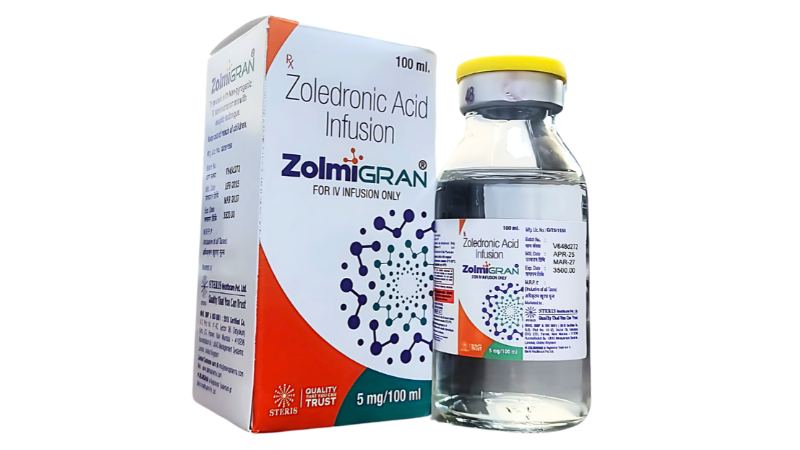
ZOLMIGRAN Injection, marketed by Steris Healthcare Pvt. Ltd., is a prescription medicine containing Zoledronic Acid 5 mg. It belongs to a group of medicines called bisphosphonates, which help protect bone strength by slowing down excessive bone breakdown.
Zoledronic acid injection is primarily prescribed for managing osteoporosis, Paget's disease of bone and other conditions where increased bone resorption can weaken bones. Depending on the formulation and clinical indication, zoledronic acid is also used in oncology to manage certain cancer-related bone complications.
ZOLMIGRAN is administered intravenously by a qualified healthcare professional under medical supervision. It is particularly useful for patients who require effective bone-protective treatment and may not be suitable candidates for certain oral osteoporosis medicines.
For patients, doctors, hospitals and pharmaceutical buyers searching for Zoledronic Acid Injection 5 mg, ZOLMIGRAN from Steris Healthcare is a product worth evaluating based on its verified composition, approved indications, quality documentation and prescribing information.
Product Overview
- Brand Name: ZOLMIGRAN
- Composition: Zoledronic Acid 5 mg
- Drug Category: Bisphosphonate
- Dosage Form: Intravenous infusion
- Pack Size: 100 ml
- Manufacturer/Marketer: Steris Healthcare Pvt. Ltd.
- Primary Therapeutic Area: Bone health and osteoporosis management
- Administration: Intravenous infusion under medical supervision
Why Is Zoledronic Acid Injection Important?
Bone is a living tissue that continuously undergoes a natural process called bone remodelling. During this process, old bone is removed by cells called osteoclasts, while new bone is formed by osteoblasts.
When bone breakdown becomes faster than bone formation, bone density decreases, increasing the possibility of fractures and other skeletal complications.
This imbalance can occur in osteoporosis, Paget's disease and certain cancer-related conditions.
Zoledronic acid injection helps control excessive bone resorption, supporting bone mineral density and reducing fracture risk in appropriately selected patients.
Its importance includes:
- Helping reduce excessive bone breakdown.
- Supporting bone mineral density.
- Reducing the risk of osteoporosis-related fractures.
- Helping manage Paget's disease of bone.
- Providing an intravenous treatment option for patients who may have difficulty tolerating oral bisphosphonates.
- Supporting the management of selected cancer-related skeletal complications when prescribed using the appropriate oncology regimen.
Because zoledronic acid remains active in bone tissue, its therapeutic effects can continue beyond the actual infusion period.
Key Benefits of Zoledronic Acid Injection
ZOLMIGRAN contains zoledronic acid, a potent bisphosphonate used to manage conditions associated with increased bone resorption.
What Are the Benefits of Zoledronic Acid Injection?
1. Helps Manage Osteoporosis
Osteoporosis causes bones to become weak, porous and more susceptible to fractures. Zoledronic acid helps slow bone loss and improve bone mineral density.
2. Helps Reduce Fracture Risk
Clinical studies have demonstrated that zoledronic acid can reduce the incidence of vertebral, hip and other non-vertebral fractures in appropriately selected patients with osteoporosis.
3. Supports Bone Health in Postmenopausal Women
After menopause, declining oestrogen levels can accelerate bone loss. Zoledronic acid is an established treatment option for postmenopausal osteoporosis.
4. Helps Manage Paget's Disease
Paget's disease causes abnormal bone remodelling. Zoledronic acid helps regulate excessive bone turnover and can improve disease-related biochemical abnormalities.
5. Convenient Intravenous Administration
For the appropriate 5 mg osteoporosis regimen, zoledronic acid is generally administered once yearly. This can help patients who struggle with the frequent dosing requirements of oral medicines.
6. Long-Lasting Bone-Protective Action
Zoledronic acid binds to bone mineral and reduces osteoclast activity, allowing its effects on bone resorption to persist.
Mechanism of Action of Zoledronic Acid Injection
Zoledronic acid is a nitrogen-containing bisphosphonate. Its primary action involves inhibiting osteoclast-mediated bone resorption.
After intravenous administration, the medicine distributes throughout the body, with a significant proportion binding to areas of active bone remodelling.
When osteoclasts absorb bone containing zoledronic acid, the medicine inhibits an important enzyme called farnesyl pyrophosphate synthase (FPPS).
This enzyme is part of the mevalonate pathway, which is necessary for producing certain molecules required for osteoclast function.
Inhibition of FPPS disrupts protein prenylation, affecting osteoclast activity and survival.
As a result:
- Osteoclast-mediated bone breakdown decreases.
- Excessive bone resorption is controlled.
- Bone turnover markers decrease.
- Bone mineral density can improve.
- Fracture risk can be reduced in patients receiving appropriate osteoporosis treatment.
This mechanism makes zoledronic acid an important medicine in the management of diseases associated with excessive bone resorption.
Indications of Zoledronic Acid Injection
The indications depend on the strength, formulation and approved prescribing information.
Common established therapeutic applications of zoledronic acid include:
Osteoporosis: Treatment and prevention of postmenopausal osteoporosis, osteoporosis in men and glucocorticoid-induced osteoporosis.
Paget's Disease of Bone: Treatment of selected patients with excessive bone turnover associated with Paget's disease.
Cancer-Related Bone Complications: Specific 4 mg zoledronic acid regimens are used in patients with multiple myeloma and documented bone metastases from certain solid tumours.
Hypercalcemia of Malignancy: Zoledronic acid is also used in appropriately selected patients with cancer-related elevated blood calcium.
Important: These oncology indications involve specific dosing regimens and formulations. The listed ZOLMIGRAN 5 mg product should not automatically be considered interchangeable with a 4 mg oncology formulation.
Efficacy and Clinical Evidence of Zoledronic Acid Injection
Zoledronic acid has been evaluated in several large clinical studies investigating osteoporosis, fracture prevention and abnormal bone turnover.
One important research programme is the HORIZON clinical trial programme.
The HORIZON Pivotal Fracture Trial demonstrated that once-yearly zoledronic acid treatment reduced the risk of vertebral, hip and non-vertebral fractures in postmenopausal women with osteoporosis.
The HORIZON Recurrent Fracture Trial also investigated patients who had experienced a recent hip fracture and demonstrated benefits in reducing subsequent clinical fractures.
These findings support the clinical role of zoledronic acid in appropriately selected osteoporosis patients.
The evidence relates to the active pharmaceutical ingredient, zoledronic acid, and should not be interpreted as a separate clinical trial demonstrating superiority of the ZOLMIGRAN brand.
For healthcare professionals evaluating ZOLMIGRAN, the relevant considerations include the verified composition, manufacturing quality, product-specific prescribing information and suitability for the intended indication.
Side Effects of Zoledronic Acid Injection
Like other prescription medicines, zoledronic acid may cause side effects. Their severity and frequency can vary depending on the patient's health, kidney function, calcium levels and treatment indication.
Common side effects include:
- Fever and flu-like symptoms.
- Headache.
- Muscle pain.
- Joint pain.
- Fatigue.
- Nausea.
- Vomiting.
- Bone pain.
- Chills.
- Temporary weakness.
These symptoms are particularly common following the first infusion and may improve over the following days.
Serious Side Effects of Zoledronic Acid Injection
Although uncommon, some adverse reactions require immediate medical attention.
1. Kidney Problems
Zoledronic acid can affect kidney function, particularly in patients with pre-existing renal impairment, dehydration or exposure to other medicines that affect the kidneys.
2. Hypocalcaemia
Low blood calcium can develop following treatment. Symptoms may include muscle cramps, tingling around the mouth, numbness and spasms.
3. Osteonecrosis of the Jaw
A rare but serious complication involving damage to jawbone tissue. Patients should inform their doctor about dental problems and planned dental procedures before treatment.
4. Atypical Femoral Fractures
Long-term bisphosphonate exposure has been associated with rare unusual thigh bone fractures. Persistent thigh, hip or groin pain should be medically evaluated.
5. Severe Allergic Reactions
Serious hypersensitivity reactions are possible. Difficulty breathing, facial swelling or widespread severe allergic symptoms require emergency medical attention.
Patients should report unusual or persistent symptoms to their treating doctor.
Available Substitutes for Zoledronic Acid Injection
Patients looking for substitutes for ZOLMIGRAN should understand that alternatives must be selected according to the medical indication, dosage strength, formulation and individual health condition.
Potential alternatives include:
Other Zoledronic Acid Brands: Generic or branded products containing the same active ingredient and an equivalent strength and formulation may be considered after pharmacist and physician verification.
Alendronate: An oral bisphosphonate used for certain osteoporosis indications.
Risedronate: Another oral bisphosphonate used in osteoporosis management.
Ibandronate: Available in oral and intravenous formulations for selected osteoporosis indications.
Denosumab: A monoclonal antibody that reduces bone resorption through inhibition of the RANKL pathway.
These medicines are not automatically interchangeable with ZOLMIGRAN. Their dosing schedules, indications, contraindications and monitoring requirements differ.
A qualified doctor should determine the most suitable treatment alternative.
Dosage Guidelines for Zoledronic Acid Injection
The dosage of zoledronic acid depends on the underlying condition and the prescribed formulation.
For the standard 5 mg osteoporosis formulation, commonly recognised regimens include:
- Postmenopausal osteoporosis treatment: 5 mg intravenously once yearly.
- Osteoporosis in men: 5 mg intravenously once yearly.
- Glucocorticoid-induced osteoporosis: 5 mg intravenously once yearly.
- Paget's disease of bone: 5 mg as a single intravenous infusion, with retreatment considered only when clinically appropriate.
Administration Guidelines
- Administer through intravenous infusion.
- The standard 5 mg osteoporosis infusion should be given over at least 15 minutes.
- Assess kidney function before administration.
- Check calcium and vitamin D status.
- Ensure appropriate hydration.
- Consider calcium and vitamin D supplementation as advised by the treating physician.
Do not self-administer this medicine or change the prescribed dose.
The above information is a general reference and does not replace the product-specific prescribing information or an individual doctor's prescription.
Precautions & Warnings: Zoledronic Acid Injection
Before administering ZOLMIGRAN, healthcare professionals should evaluate the patient's medical history and relevant laboratory findings.
Kidney Function: Renal function should be assessed before treatment. Zoledronic acid is contraindicated in certain patients with severe renal impairment, depending on the indication and applicable product label.
Calcium Deficiency: Existing hypocalcaemia should be corrected before administration.
Vitamin D Status: Vitamin D deficiency should be evaluated and managed appropriately.
Pregnancy and Breastfeeding: Zoledronic acid is generally avoided during pregnancy and breastfeeding. Discuss pregnancy plans with the treating doctor.
Dental Health: Patients with poor dental health, existing dental infections or planned invasive dental procedures should undergo appropriate assessment.
Dehydration: Patients should maintain adequate hydration according to their doctor's advice.
Other Medicines: Inform the doctor about diuretics, nephrotoxic medicines, other bisphosphonates and medicines that may affect calcium levels.
Follow-up Monitoring: Kidney function, serum calcium and other relevant electrolytes should be monitored when clinically indicated.
Why Choose ZOLMIGRAN by Steris Healthcare?
ZOLMIGRAN is a branded zoledronic acid injection listed by Steris Healthcare Pvt. Ltd.
For hospitals, medical professionals, pharmacies and pharmaceutical procurement teams, product selection should consider the following:
- Verified active ingredient and strength.
- Product-specific manufacturing and quality documentation.
- Appropriate packaging and storage conditions.
- Batch number and expiry date verification.
- Availability of prescribing and safety information.
- Reliable pharmaceutical supply channels.
ZOLMIGRAN is listed as a 5 mg zoledronic acid infusion in a 100 ml pack. Buyers should confirm the current pack details, availability, price, manufacturing particulars and regulatory documentation directly with the authorised supplier.
Conclusion
Zoledronic acid injection is an established bisphosphonate treatment used for managing osteoporosis, Paget's disease and selected conditions associated with excessive bone resorption.
ZOLMIGRAN by Steris Healthcare Pvt. Ltd. contains zoledronic acid 5 mg and is listed as a 100 ml intravenous infusion. Its active ingredient works by inhibiting osteoclast activity, helping reduce bone breakdown, support bone mineral density and lower fracture risk in appropriately selected patients.
For doctors, hospitals, pharmacists and pharmaceutical buyers searching for Zoledronic Acid Injection 5 mg, ZOLMIGRAN is a product to evaluate against the prescribed clinical indication, product quality documentation and applicable medical guidelines.
Always use zoledronic acid under qualified medical supervision, with appropriate kidney function and calcium monitoring.
Frequently Asked Questions
1. What is ZOLMIGRAN injection used for?
ZOLMIGRAN contains zoledronic acid 5 mg and is listed for bone-related treatment applications. Zoledronic acid is commonly prescribed for osteoporosis and Paget's disease, depending on the formulation and approved indication.
2. What is the composition of ZOLMIGRAN injection?
The listed active ingredient is Zoledronic Acid 5 mg, supplied as a 100 ml intravenous infusion.
3. Who manufactures ZOLMIGRAN injection?
ZOLMIGRAN is listed by Steris Healthcare Pvt. Ltd.
4. How does zoledronic acid injection work?
It inhibits the activity of osteoclasts, the cells responsible for breaking down bone tissue. This helps reduce excessive bone resorption.
5. Is zoledronic acid injection used for osteoporosis?
Yes. It is an established treatment for postmenopausal osteoporosis, osteoporosis in men and certain cases of glucocorticoid-induced osteoporosis.
6. How often is zoledronic acid 5 mg given?
For standard osteoporosis treatment, 5 mg is generally administered intravenously once yearly. The exact schedule depends on the indication and medical assessment.
7. How long does zoledronic acid injection take to work?
Its effects on bone turnover begin after administration, but improvements in bone density and fracture-risk reduction develop over time. The response depends on the patient's condition.
8. Can zoledronic acid injection strengthen bones?
It helps reduce excessive bone breakdown and can improve bone mineral density, thereby supporting bone strength.
9. What are the common side effects of zoledronic acid?
Common side effects include fever, headache, muscle pain, joint pain, fatigue, nausea and flu-like symptoms.
10. Is zoledronic acid injection safe for kidney patients?
It requires particular caution in patients with kidney disease. Kidney function must be assessed before treatment, and certain patients with severe renal impairment should not receive it.
11. Does zoledronic acid cause low calcium?
Yes. It can cause hypocalcaemia. Calcium and vitamin D status should be assessed and deficiencies corrected before treatment.
12. Can zoledronic acid cause jaw problems?
Rarely, it can cause osteonecrosis of the jaw. Dental assessment and appropriate oral hygiene are important, particularly for patients with additional risk factors.
13. Is zoledronic acid injection given intravenously?
Yes. It is administered through a vein by a trained healthcare professional.
14. Can zoledronic acid injection be given every month?
Some oncology regimens use 4 mg at intervals of approximately three to four weeks. The 5 mg osteoporosis regimen is generally once yearly. These schedules are indication- and formulation-specific and must not be interchanged.
15. What is the difference between 4 mg and 5 mg zoledronic acid?
The strengths are associated with different clinical regimens and indications. A 5 mg formulation is commonly used for osteoporosis, whereas 4 mg regimens are used for selected oncology indications.
16. Can zoledronic acid be used for cancer-related bone problems?
Yes. Specific formulations and regimens are used to manage skeletal complications associated with multiple myeloma and certain cancers that have spread to the bones.
17. What are the substitutes for ZOLMIGRAN?
Potential alternatives include equivalent zoledronic acid products and other osteoporosis medicines such as alendronate, risedronate, ibandronate and denosumab. Selection requires medical advice.
18. Should calcium and vitamin D be taken with zoledronic acid?
Calcium and vitamin D supplementation may be recommended to prevent low calcium levels and support bone health. The required amounts depend on the patient's nutritional status and medical assessment.
19. Is ZOLMIGRAN a prescription medicine?
Yes. Zoledronic acid is a prescription medicine and should be administered under medical supervision.
20. Where can I find information about ZOLMIGRAN by Steris Healthcare?
Product information, composition, pack details and purchasing information can be checked through the Steris Healthcare website and authorised pharmaceutical suppliers. Always verify the current product label before purchasing.
Recent Post
Paracetamol Diclofenac Sodium and Chlorzoxazone Tablets: Uses, Benefits, Dosage, Side Effects
Cefuroxime Axetil 500mg + Potassium Clavulanate 125mg Uses, Benefits & Side Effects
Cefuroxime Axetil 500mg Uses, Benefits, Side Effects
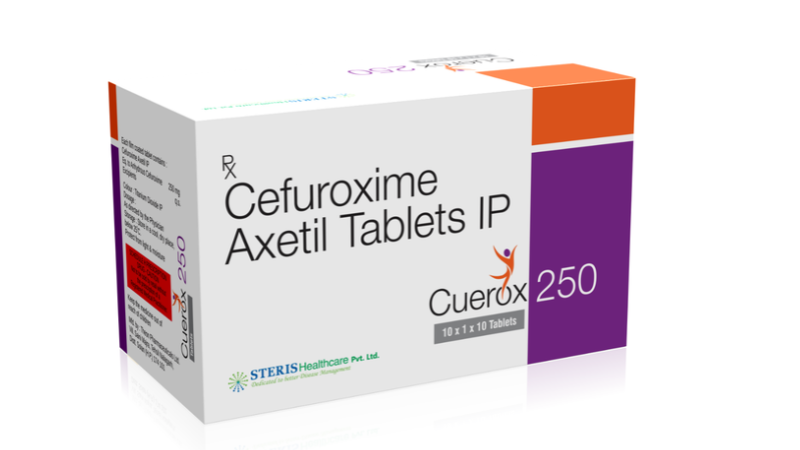
Cefuroxime Axetil 250mg Uses, Benefits, Side Effects
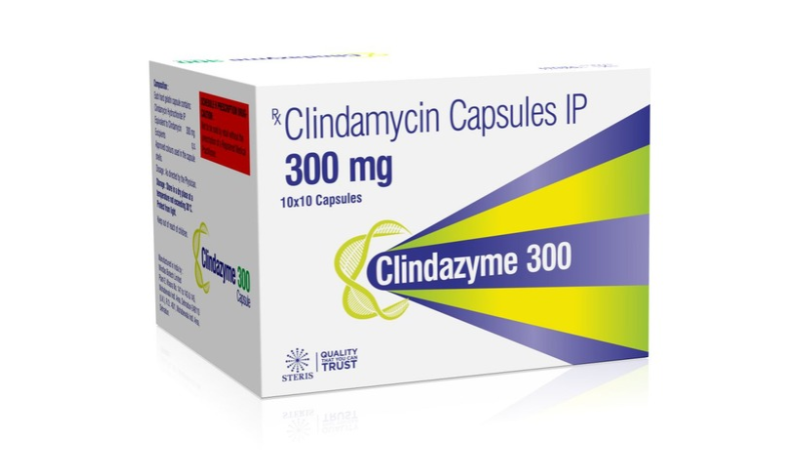
Clindamycin 300mg Uses, Benefits, Side Effects
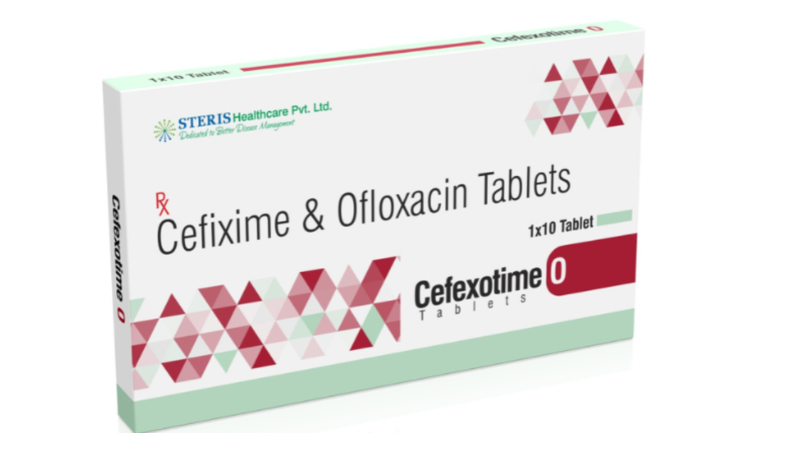
Cefixime 200mg + Ofloxacin 200mg Uses, Benefits, Side Effects

Neomycin, Polymyxin B and Bacitracin Zinc: Uses, Benefits and Side Effects
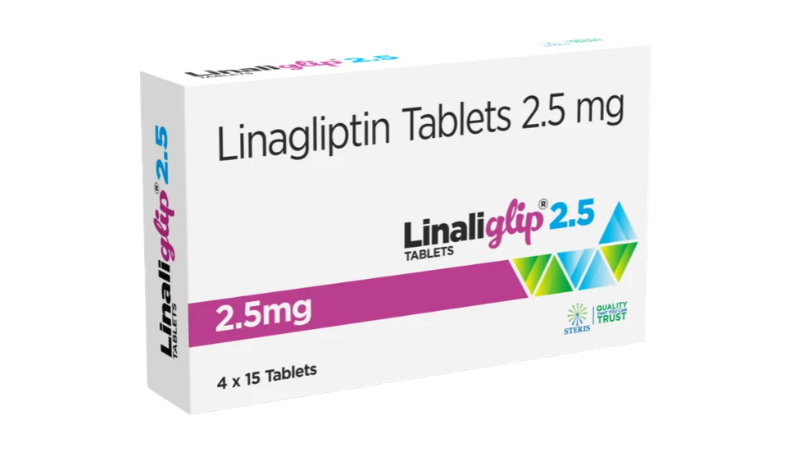
What Is Linagliptin 2.5 mg Used For? A Complete Guide
Dextromethorphan Hydrobromide: Uses, Benefits, Dosage and Side Effects
Amantadine Hydrochloride: Uses, Benefits, Dosage and Side Effects

