


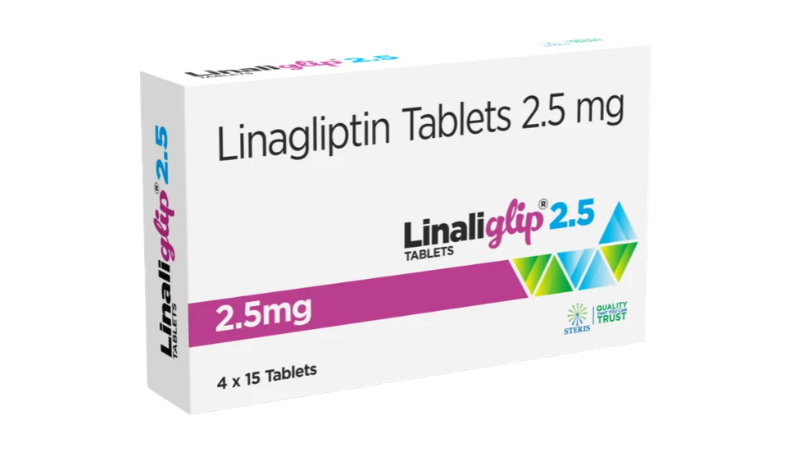


What Is Linagliptin 2.5 mg Used For? A Complete Guide
Nov 12, 2026
LINALIGLIP 2.5 contains linagliptin 2.5 mg, a medicine from the class called DPP-4 inhibitors (dipeptidyl peptidase-4 inhibitors, sometimes called "gliptins"). It is prescribed for adults with type 2 diabetes mellitus as an add-on to diet and exercise to improve blood sugar (glycaemic) control.
Approved indications of linagliptin
- Type 2 diabetes in adults, as monotherapy when metformin is not suitable.
- Combination therapy with metformin, a sulfonylurea, pioglitazone, empagliflozin or insulin, as your doctor decides.
What linagliptin is not for
- Type 1 diabetes.
- Diabetic ketoacidosis (DKA).
- Anyone with a history of serious allergic reaction to linagliptin.
A note on strength: the standard approved once-daily dose of linagliptin as a single ingredient is 5 mg. The 2.5 mg strength is also found in some fixed-dose combinations (for example with metformin, taken twice daily) and may be chosen by a doctor for a specific patient. Never decide your strength yourself; take LINALIGLIP 2.5 exactly as your physician has prescribed.
Why Linagliptin Is Important in Type 2 Diabetes Care
Type 2 diabetes is progressive. Over time, the pancreas makes less insulin and the body responds to it less well. Poorly controlled blood sugar raises the long-term risk of kidney disease, nerve damage, eye problems and heart disease.
Linagliptin matters for several practical reasons:
- No routine dose change for kidney impairment. Linagliptin is eliminated mainly through the bile and gut, with only a small fraction leaving through the kidneys. That is why it is often considered when kidney function is reduced, and it is a key difference from several other gliptins.
- Low risk of hypoglycaemia on its own. Its action depends on blood glucose levels, so low sugar episodes are uncommon unless it is combined with insulin or a sulfonylurea.
- Weight neutral. It generally does not cause weight gain.
- Once-daily convenience (in its standard form), which supports adherence.
Mechanism of Action:
After you eat, your gut releases hormones called incretins (GLP-1 and GIP). These tell the pancreas to release insulin when blood sugar is high and tell the liver to make less glucose. The enzyme DPP-4 breaks incretins down within minutes.
Linagliptin blocks DPP-4. This allows active incretin levels to stay higher for longer, which leads to:
- More insulin released from pancreatic beta cells only when glucose is raised.
- Less glucagon released from alpha cells, so the liver produces less sugar.
- Lower fasting and after-meal blood glucose, reflected in a lower HbA1c.
Because the effect is glucose-dependent, the mechanism is considered gentle compared with older drugs that force insulin release regardless of blood sugar.
Key Benefits of Linagliptin
What Are the Benefits of Linagliptin?
- Effective HbA1c reduction. Clinical trials show placebo-adjusted HbA1c reductions of roughly 0.5 to 0.7 percentage points, whether used alone or added to other agents.
- Kidney-friendly profile. No dose adjustment is typically needed in mild to severe kidney impairment.
- Liver considerations. No adjustment is generally required in hepatic impairment, though your doctor will monitor you.
- Low hypoglycaemia risk when not combined with sulfonylureas or insulin.
- Weight neutral and well tolerated by most people.
- Cardiovascular safety. Dedicated outcome trials did not show an increase in major cardiovascular events (see below).
- Simple use. It can be taken with or without food.
Indications, Efficacy and Clinical Evidence
Linagliptin is one of the most studied gliptins. Key evidence includes:
- Phase 3 glycaemic trials: Across 24-week studies, linagliptin lowered HbA1c versus placebo as monotherapy and as add-on to metformin, sulfonylurea, pioglitazone and insulin, and also reduced fasting plasma glucose.
- CARMELINA trial (about 7,000 adults with type 2 diabetes at high cardiovascular and renal risk): Linagliptin was non-inferior to placebo for the primary composite cardiovascular outcome, and did not increase hospitalisation for heart failure compared with placebo. Kidney outcomes were also similar.
- CAROLINA trial: Compared with the sulfonylurea glimepiride in adults at cardiovascular risk, linagliptin showed comparable cardiovascular safety, with markedly fewer hypoglycaemic episodes and less weight gain.
These results are why many guidelines place DPP-4 inhibitors as an option when avoiding hypoglycaemia, weight gain or renal dose adjustment is a priority. Final treatment choice always depends on your HbA1c target, other conditions and cost.
Dosage Guidelines
- Follow the prescription. The standard approved dose of single-ingredient linagliptin is 5 mg once daily; 2.5 mg strengths are used per the prescriber's directions or within combination products.
- Swallow the tablet whole with water, at the same time each day, with or without food.
- Missed dose: Take it when you remember. If it is nearly time for the next dose, skip the missed one. Do not double up.
- With insulin or sulfonylurea: Your doctor may lower the dose of those medicines to reduce the risk of low blood sugar.
- Elderly patients, kidney or liver impairment: Usually no standard adjustment, but regular monitoring is advised.
- Children: Not established for use in children under 18.
- Overdose: Seek medical help immediately.
Continue lifestyle measures such as balanced meals, regular activity and home glucose monitoring while on treatment.
Linagliptin Side Effects
Most people tolerate linagliptin well. When side effects occur, they are usually mild.
Common or reported side effects
- Runny or blocked nose and sore throat (nasopharyngitis)
- Cough
- Diarrhoea
- Mild joint pain
- Raised blood pressure or headache (less common)
- Low blood sugar (mainly when combined with insulin or a sulfonylurea)
- Raised blood levels of lipase or amylase (usually without symptoms)
Available Substitutes
Only your doctor should switch your medicine. Options commonly considered include:
- Other linagliptin brands and generics with the same composition and strength (for example, the original brand Trajenta/Tradjenta and various generic brands). Check the strength on the pack.
- Other DPP-4 inhibitors: sitagliptin, vildagliptin, saxagliptin, alogliptin and teneligliptin. These differ in dosing and kidney adjustment.
- Fixed-dose combinations: linagliptin with metformin, or linagliptin with empagliflozin.
- Other drug classes: SGLT2 inhibitors, GLP-1 receptor agonists, sulfonylureas, pioglitazone or insulin, depending on your clinical situation.
Precautions and Warnings When Using Linagliptin
- Tell your doctor before starting if you have a history of pancreatitis, heart failure, kidney or liver disease, or allergy to any ingredient.
- Pancreatitis: Stop and call your doctor if severe abdominal pain develops.
- Hypoglycaemia: Keep a quick sugar source on hand if you also use insulin or a sulfonylurea.
- Type 1 diabetes and DKA: Not suitable.
- Drug interactions: Strong CYP3A4/P-gp inducers such as rifampicin, carbamazepine, phenytoin and St John's wort can reduce linagliptin's effect. Always give your doctor a list of everything you take.
- Pregnancy: Human data are limited. Insulin is generally preferred in pregnancy; discuss options with your doctor.
- Breastfeeding: Not recommended unless your doctor advises otherwise.
- Alcohol: Limit intake, as it can affect blood sugar and increase pancreatitis risk.
- Monitoring: Keep up with regular HbA1c, kidney function and blood sugar checks.
- Storage: Keep below 30°C in a dry place, away from light and out of reach of children.
Frequently Asked Questions
1. What is linagliptin used for?
Linagliptin is used with diet and exercise to lower blood sugar in adults with type 2 diabetes.
2. What is LINALIGLIP 2.5?
LINALIGLIP 2.5 is a brand of linagliptin 2.5 mg tablets from Steris Healthcare, prescribed for type 2 diabetes.
3. How does linagliptin work?
It blocks the DPP-4 enzyme, which raises incretin hormones, increases insulin release when sugar is high and reduces glucose production by the liver.
4. What are the common linagliptin side effects?
Common ones include nose and throat irritation, cough, diarrhoea and mild joint pain.
5. What are the serious side effects of linagliptin?
Pancreatitis, severe allergic reactions, bullous pemphigoid, severe joint pain, heart failure symptoms and severe low blood sugar.
6. Does linagliptin cause weight gain?
No. It is generally weight neutral.
7. Can linagliptin cause low blood sugar?
Rarely on its own, but the risk increases when combined with insulin or sulfonylureas.
8. What is the usual linagliptin dose?
The standard approved dose of single-ingredient linagliptin is 5 mg once daily. Take 2.5 mg strengths only as prescribed.
9. When is the best time to take linagliptin?
At the same time every day, with or without food.
10. Is linagliptin safe for kidney patients?
It usually needs no dose adjustment in kidney impairment, but your doctor should still monitor you.
11. Is linagliptin safe for the heart?
The CARMELINA and CAROLINA trials showed cardiovascular safety, but people with heart failure should discuss it with their doctor.
12. What is the price of linagliptin?
Price varies by brand, strength and pharmacy. Branded generics like LINALIGLIP 2.5 are usually more affordable than innovator brands; check the MRP on the pack.
13. Can I take linagliptin with metformin?
Yes. They are commonly combined, and fixed-dose combination tablets exist.
14. Can I drink alcohol while taking linagliptin?
Limit alcohol, since it can affect blood sugar and raise pancreatitis risk.
15. What should I do if I miss a dose?
Take it when you remember, unless the next dose is due soon. Never take a double dose.
Conclusion
LINALIGLIP 2.5 (linagliptin 2.5 mg) from Steris Healthcare belongs to the DPP-4 inhibitor class and helps adults with type 2 diabetes control blood sugar with a low risk of hypoglycaemia, no weight gain and a kidney-friendly profile. Linagliptin has strong clinical evidence, including large cardiovascular safety trials such as CARMELINA and CAROLINA. Most people experience only mild side effects, but serious reactions such as pancreatitis or severe allergy need urgent attention. Use the dose your doctor prescribes, combine it with healthy eating and exercise, and review your progress regularly
For Further Information:
Mail Us: contact@sterispharma.com or info@sterispharma.com
Call Now: +91 8824175417, +91 9982524671
Recent Post
Dextromethorphan Hydrobromide: Uses, Benefits, Dosage and Side Effects
Amantadine Hydrochloride: Uses, Benefits, Dosage and Side Effects
Potassium Chloride Oral Solution: Uses, Benefits, Dosage and Side Effects
Ketoconazole and Cetrimide Soap: Uses, Benefits, Side Effects and Precautions
Baclofen 25 mg: Uses, Benefits, Dosage, Side Effects and Precautions
What Is Sodium Bicarbonate 650 mg Used For? Uses and Safety Information
Lamotrigine 25 mg: Uses, Benefits, Side Effects and Precautions
Clomiphene 50 mg: Uses, Benefits, Side Effects and Precautions
Teneligliptin and Pioglitazone: Uses, Benefits and Side Effects
How Do Etodolac and Thiocolchicoside Work Together?

