


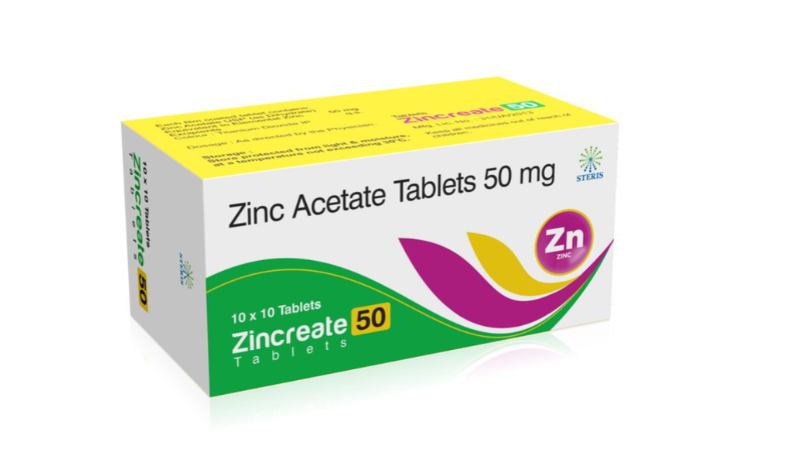


Zinc Acetate 50mg: Uses, Benefits, Dosage, Side Effects
Nov 13, 2026
What Is Zinc Acetate 50mg Used For?
Zinc Acetate 50mg is an oral zinc formulation used to provide zinc, an essential trace mineral required for several important physiological functions. Zinc plays a significant role in immune system functioning, protein synthesis, DNA formation, cellular growth, wound healing, and normal metabolic activity.
ZINCREATE 50, from Steris Healthcare, contains Zinc Acetate 50mg and is positioned as a zinc supplementation product. It is intended to support individuals who require additional zinc under appropriate healthcare guidance.
Zinc deficiency can develop because of inadequate dietary intake, poor intestinal absorption, certain gastrointestinal conditions, or increased nutritional requirements. Inadequate zinc levels may contribute to impaired immune function, delayed wound healing, reduced appetite, taste disturbances, and skin-related problems.
ZINCREATE 50 may be considered by healthcare professionals when zinc supplementation is clinically appropriate.
It is important to understand that the stated 50mg of zinc acetate should not automatically be interpreted as 50mg of elemental zinc. Patients and prescribing professionals should verify the product's approved composition and elemental zinc equivalence before determining an appropriate dose.
Why Is Zinc Acetate 50mg Important?
Zinc is an essential micronutrient that the human body cannot produce or store in large quantities. Therefore, an adequate and consistent dietary supply is important for maintaining normal physiological functions.
According to the National Institutes of Health (NIH), zinc participates in hundreds of enzymatic reactions and contributes to immune function, wound healing, DNA synthesis, and cellular division.
The importance of Zinc Acetate 50mg supplementation includes:
- Supporting normal immune system function.
- Helping maintain healthy skin and tissue integrity.
- Supporting protein synthesis and cellular development.
- Contributing to normal wound healing.
- Helping correct inadequate zinc levels.
- Supporting normal taste and appetite when impaired by zinc deficiency.
Zinc supplementation is particularly relevant when dietary intake is inadequate or a healthcare professional identifies a clinical need for additional zinc.
Key Benefits of Zinc Acetate 50mg
ZINCREATE 50 supplies zinc in acetate form. Its potential benefits are primarily associated with the established biological functions of zinc.
What Are the Benefits of Zinc Acetate 50mg?
1. Supports Immune System Function
Zinc contributes to the development and normal functioning of immune cells, including T-lymphocytes and other cells involved in immune responses. Correcting zinc deficiency can help restore normal immune function.
2. Supports Skin Health
Zinc contributes to cellular repair, tissue development, and the maintenance of healthy skin. Supplementation may be beneficial when skin-related problems are associated with inadequate zinc levels.
3. Helps Support Wound Healing
Zinc participates in collagen formation, protein synthesis, and cellular growth. These processes are important for normal tissue repair and wound healing.
4. Supports Hair and Nail Health
Zinc is required for normal cellular growth and protein synthesis. Deficiency can contribute to hair loss and changes in nail health. Correcting a deficiency may help restore normal growth processes.
However, zinc supplementation is not a guaranteed treatment for hair loss unrelated to zinc deficiency.
5. Supports Appetite and Taste Function
Zinc is involved in normal taste perception. Inadequate zinc levels may contribute to altered taste sensations and reduced appetite.
6. Supports Growth and Development
Zinc is essential for normal growth, cell division, and protein synthesis. Adequate zinc intake is especially important during childhood, adolescence, and pregnancy.
7. Supports Normal Metabolic Functions
Zinc participates in several enzymatic processes associated with carbohydrate, protein, and nucleic acid metabolism.
Mechanism of Action of Zinc Acetate 50mg
The mechanism of action of zinc acetate is primarily related to the biological activity of zinc ions (Zn²⁺).
After oral administration, zinc acetate provides zinc that can be absorbed through the gastrointestinal tract. Once available to the body, zinc participates in numerous physiological and biochemical processes.
Its important mechanisms include:
1. Enzymatic Activity: Zinc acts as a structural or catalytic component of many enzymes involved in cellular metabolism, DNA synthesis, and protein production.
2. Immune Modulation: Zinc contributes to the normal development and functioning of innate and adaptive immune cells.
3. Cellular Repair: Zinc supports cell division, tissue regeneration, and protein synthesis, contributing to normal wound healing.
4. Antioxidant Defence: Zinc supports antioxidant defence systems, including the activity of zinc-dependent enzymes such as copper-zinc superoxide dismutase.
5. Gastrointestinal Copper Regulation: At medically supervised therapeutic doses, zinc stimulates metallothionein production in intestinal cells. Metallothionein binds copper and reduces its absorption into the bloodstream. This mechanism is clinically important in the treatment of Wilson's disease.
The copper-blocking mechanism is a specific therapeutic application of zinc acetate and should not be confused with its general nutritional supplementation uses.
Indications of Zinc Acetate 50mg
Healthcare professionals may consider zinc supplementation in the following circumstances:
- Confirmed or suspected zinc deficiency.
- Inadequate dietary zinc intake.
- Increased nutritional requirements.
- Zinc deficiency associated with malabsorption.
- Nutritional support during recovery when deficiency is present.
- Selected gastrointestinal conditions associated with zinc deficiency.
Zinc acetate also has a separate established medical indication in Wilson's disease, where specially prescribed and monitored zinc therapy helps reduce intestinal copper absorption.
Importantly, ZINCREATE 50 should not automatically be considered an approved treatment for every condition listed above. Its specific approved indications must be verified against the product's applicable regulatory documentation.
Efficacy and Clinical Evidence of Zinc Acetate
The clinical usefulness of zinc supplementation depends on the patient's zinc status, dosage, treatment duration, and underlying medical condition.
The National Institutes of Health recognises zinc's established role in immune function, wound healing, cellular metabolism, and normal growth.
The FDA-approved prescribing information for zinc acetate (GALZIN) also documents its therapeutic role in the maintenance treatment of Wilson's disease following initial treatment with copper-chelating medication.
Clinical studies described in that prescribing information evaluated copper balance in patients receiving different zinc acetate regimens.
These findings support zinc acetate's specific mechanism in copper regulation. They should not, however, be interpreted as clinical proof that ZINCREATE 50 treats unrelated conditions such as acne, hair loss, or common infections.
Evidence-based takeaway: Zinc supplementation has an established role in correcting inadequate zinc intake and supporting normal zinc-dependent biological functions. The strongest clinical rationale for supplementation is an identified nutritional requirement or a specific medical indication.
Side Effects of Zinc Acetate 50mg
Zinc acetate is generally tolerated when administered appropriately. However, some people may experience adverse effects, particularly with higher doses or prolonged supplementation.
Commonly reported side effects include:
- Nausea.
- Vomiting.
- Abdominal discomfort.
- Stomach irritation.
- Metallic taste.
- Diarrhoea.
Taking zinc with food may help reduce gastrointestinal discomfort when the prescribed formulation and indication allow it.
Serious Side Effects of Zinc Acetate
Prolonged excessive zinc intake can interfere with copper absorption and potentially cause copper deficiency.
Possible complications include:
- Anaemia.
- Reduced white blood cell counts.
- Neutropenia.
- Neurological symptoms.
- Impaired immune function.
The FDA prescribing information also describes post-marketing reports of gastric ulcers associated with long-term zinc acetate treatment.
Patients experiencing persistent abdominal pain, unexplained weakness, unusual blood-count abnormalities, or neurological symptoms should seek medical assessment.
Severe allergic reactions, including facial swelling or breathing difficulty, require emergency medical attention.
Available Substitutes for Zinc Acetate 50mg
The appropriate substitute depends on the reason for supplementation, elemental zinc content, dosage form, tolerability, and medical requirements.
Possible alternative zinc formulations include:
- Zinc Sulphate – A commonly used zinc salt for nutritional supplementation.
- Zinc Gluconate – An alternative zinc formulation available in oral supplements.
- Zinc Citrate – Another oral zinc formulation used to provide supplemental zinc.
- Other Zinc Acetate Products – Equivalent formulations may be considered when their elemental zinc content and quality are verified.
Important: These formulations are not automatically equivalent milligram-for-milligram. Patients should not substitute one zinc preparation for another without checking elemental zinc content and consulting a healthcare professional.
Dosage Guidelines for ZINCREATE 50
The appropriate dosage of Zinc Acetate 50mg depends on the patient's age, nutritional status, medical condition, and the actual amount of elemental zinc supplied by the tablet.
There is no universally appropriate dose for every patient.
The following considerations are important:
- Follow the dosage prescribed by the treating healthcare professional.
- Verify whether the stated 50mg represents zinc acetate salt or elemental zinc.
- Swallow the tablet with water according to the product instructions.
- Avoid taking additional zinc-containing supplements without professional advice.
- Do not exceed the prescribed dose.
- Follow the recommended treatment duration.
For context, the NIH recommended dietary allowance for healthy adults is 11mg daily for men and 8mg daily for women. These are nutritional intake recommendations, not treatment doses for zinc deficiency or Wilson's disease.
Wilson's disease requires a separate specialist-directed dosing regimen and laboratory monitoring.
Precautions and Warnings
Before starting ZINCREATE 50, patients should discuss their medical history and existing medications with a healthcare professional.
Important precautions include:
1. Pregnancy and Breastfeeding: Zinc requirements change during pregnancy and lactation. Supplementation should be based on individual nutritional requirements and medical advice.
2. Kidney or Liver Disorders: Patients with existing medical conditions should consult their physician before using zinc supplements.
3. Copper Deficiency: Excessive or prolonged zinc supplementation can reduce copper absorption and cause copper deficiency.
4. Drug Interactions: Zinc can interfere with the absorption of certain medicines, including tetracycline and quinolone antibiotics. Penicillamine may also interact with zinc.
5. Iron Supplementation: Taking high-dose iron supplements simultaneously with zinc may reduce zinc absorption.
6. Multiple Supplements: Avoid combining several zinc-containing products without calculating the total elemental zinc intake.
7. Children: Paediatric dosing must be determined according to age, weight, clinical indication, and the product's elemental zinc content.
Why Consider ZINCREATE 50 by Steris Healthcare?
ZINCREATE 50 is a Zinc Acetate 50mg tablet listed in the Steris Healthcare product range.
For healthcare professionals and pharmaceutical buyers evaluating this product, relevant considerations include:
- Clearly identified zinc acetate composition.
- Tablet dosage form.
- A product option for zinc supplementation.
- Availability through the Steris Healthcare product portfolio.
- Suitability for professional evaluation based on the prescribed indication and verified elemental zinc strength.
Steris Healthcare provides product information for ZINCREATE 50 through its official product listing.
For accurate purchasing and prescribing decisions, buyers should verify the current product label, packaging, manufacturing details, regulatory status, and applicable product specifications.
Conclusion
Zinc Acetate 50mg is a zinc formulation that provides an essential trace mineral involved in immune function, cellular metabolism, protein synthesis, tissue repair, and normal growth.
ZINCREATE 50 by Steris Healthcare is listed as a Zinc Acetate 50mg tablet and represents an option for healthcare professionals evaluating zinc supplementation products.
Its potential benefits are most relevant when zinc intake is inadequate or supplementation is medically indicated. Correct dosage, elemental zinc verification, treatment duration, and awareness of possible adverse effects are essential for responsible use.
For patients, pharmacists, distributors, and healthcare professionals, choosing a zinc formulation should involve more than comparing the stated milligram strength. The actual elemental zinc content and clinical indication must also be considered.
For product specifications and purchasing information, refer to Steris Healthcare's official ZINCREATE 50 product listing.
Frequently Asked Questions
1. What is Zinc Acetate 50mg used for?
Zinc Acetate 50mg is used to provide supplemental zinc when additional zinc is required. Zinc supports normal immunity, cellular metabolism, protein synthesis, and wound healing.
2. What is ZINCREATE 50?
ZINCREATE 50 is a Zinc Acetate 50mg tablet listed in the product range of Steris Healthcare Pvt. Ltd.
3. What is the composition of ZINCREATE 50?
The listed composition is Zinc Acetate 50mg per tablet. The elemental zinc equivalence should be verified from the approved product label.
4. Who manufactures ZINCREATE 50?
ZINCREATE 50 is listed by Steris Healthcare Pvt. Ltd.
5. What are the main benefits of Zinc Acetate 50mg?
Its main nutritional benefits relate to supporting immune function, normal wound healing, cellular growth, protein synthesis, and correcting inadequate zinc levels.
6. Does Zinc Acetate 50mg improve immunity?
Zinc is essential for normal immune cell development and functioning. Supplementation can help correct zinc deficiency, which may otherwise impair immune function.
7. Is Zinc Acetate 50mg good for skin?
Zinc supports skin integrity, cellular repair, and tissue regeneration. Supplementation may help when skin problems are associated with zinc deficiency.
8. Can Zinc Acetate 50mg help with hair fall?
Zinc deficiency can contribute to hair loss. Correcting the deficiency may support normal hair growth, but zinc is not a guaranteed treatment for all causes of hair fall.
9. Does Zinc Acetate 50mg help with wound healing?
Yes. Zinc contributes to collagen formation, protein synthesis, cell division, and tissue repair, all of which are important for normal wound healing.
10. How does Zinc Acetate work in the body?
Zinc acetate supplies zinc ions that participate in enzymatic reactions, immune regulation, protein synthesis, DNA formation, and cellular repair.
11. What is the recommended dosage of ZINCREATE 50?
The dosage should be determined by a healthcare professional after checking the elemental zinc content, clinical indication, age, and individual nutritional requirements.
12. Can Zinc Acetate 50mg be taken daily?
Daily supplementation may be appropriate when medically indicated. However, prolonged use should be guided by a healthcare professional to prevent excessive zinc intake.
13. What are the common side effects of Zinc Acetate 50mg?
Common side effects include nausea, vomiting, abdominal discomfort, metallic taste, and gastrointestinal irritation.
14. Can Zinc Acetate 50mg cause copper deficiency?
Yes. Excessive or prolonged zinc intake can reduce intestinal copper absorption and potentially cause copper deficiency.
15. Can Zinc Acetate 50mg be taken with antibiotics?
Zinc can reduce the absorption of certain antibiotics, particularly tetracyclines and quinolones. A healthcare professional should advise on appropriate dose separation.
16. Is Zinc Acetate 50mg suitable during pregnancy?
Pregnant women should use zinc supplements according to their nutritional requirements and medical advice. The appropriate elemental zinc dose is important.
17. What is the difference between zinc acetate and zinc sulphate?
Both are zinc salts used in supplementation. They differ in chemical composition and elemental zinc content. Their milligram strengths should not be considered interchangeable.
18. Can Zinc Acetate 50mg be used for Wilson's disease?
Zinc acetate has an established role in the maintenance treatment of Wilson's disease by reducing intestinal copper absorption. This requires specialist supervision and a specific therapeutic dosing regimen.
19. Is ZINCREATE 50 available from Steris Healthcare?
ZINCREATE 50 is listed in the Steris Healthcare product portfolio. Buyers should contact the company or its authorised distribution channels to confirm current availability and purchasing details.
20. How long does Zinc Acetate 50mg take to show results?
The response depends on the severity of zinc deficiency, the underlying condition, dosage, and treatment duration. Improvement in deficiency-related symptoms varies between individuals.
21. Can Zinc Acetate 50mg improve appetite?
Zinc deficiency may contribute to reduced appetite and altered taste. Correcting inadequate zinc levels may help improve these symptoms.
22. Is Zinc Acetate 50mg suitable for children?
Zinc supplementation can be used in children when medically indicated. However, the dose must be calculated according to age, weight, indication, and elemental zinc content.
23. What are the alternatives to Zinc Acetate 50mg?
Potential alternatives include zinc sulphate, zinc gluconate, zinc citrate, and other zinc acetate products. Selection should depend on elemental zinc equivalence and clinical requirements.
24. Does Zinc Acetate 50mg help with common cold symptoms?
Some research suggests that certain zinc preparations may reduce common cold duration when used early. Results vary by formulation and administration method. Zinc acetate tablets should not be assumed to have the same evidence as studied zinc lozenges.
25. Why choose ZINCREATE 50 by Steris Healthcare?
ZINCREATE 50 is a listed Zinc Acetate 50mg tablet from Steris Healthcare. Healthcare professionals and buyers can evaluate it based on its verified composition, elemental zinc content, product documentation, and suitability for the intended clinical requirement.
Recent Post
Ziprasidone Capsules 40mg Uses, Benefits, Dosage, Side Effects
Zoledronic Acid 5 mg: Uses, Benefits & Dosage – Steris Healthcare
Paracetamol Diclofenac Sodium and Chlorzoxazone Tablets: Uses, Benefits, Dosage, Side Effects
Cefuroxime Axetil 500mg + Potassium Clavulanate 125mg Uses, Benefits & Side Effects
Cefuroxime Axetil 500mg Uses, Benefits, Side Effects
Cefuroxime Axetil 250mg Uses, Benefits, Side Effects
Clindamycin 300mg Uses, Benefits, Side Effects
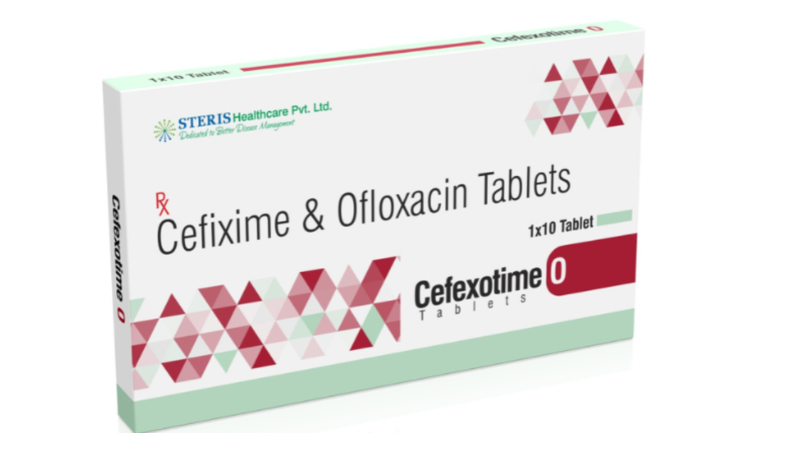
Cefixime 200mg + Ofloxacin 200mg Uses, Benefits, Side Effects
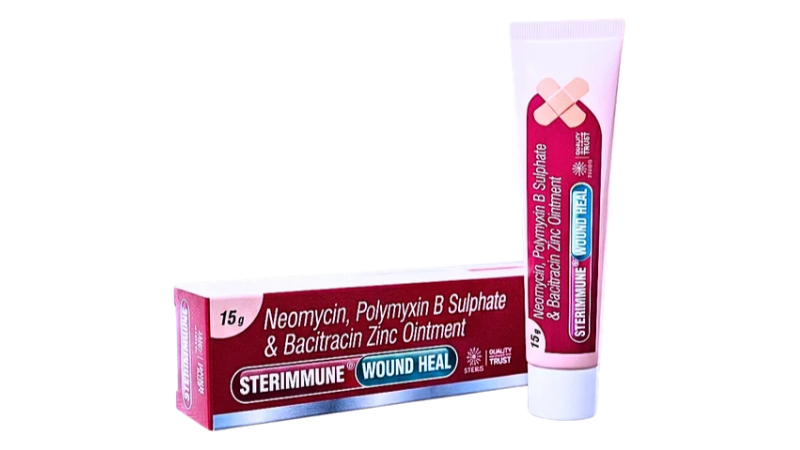
Neomycin, Polymyxin B and Bacitracin Zinc: Uses, Benefits and Side Effects
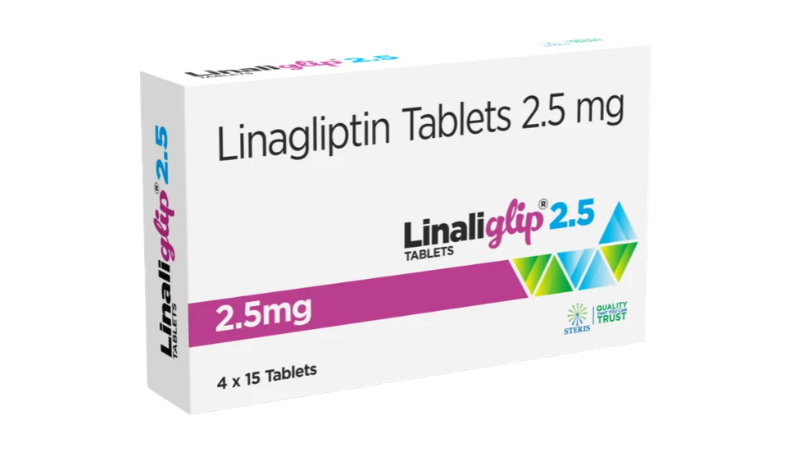
What Is Linagliptin 2.5 mg Used For? A Complete Guide

