


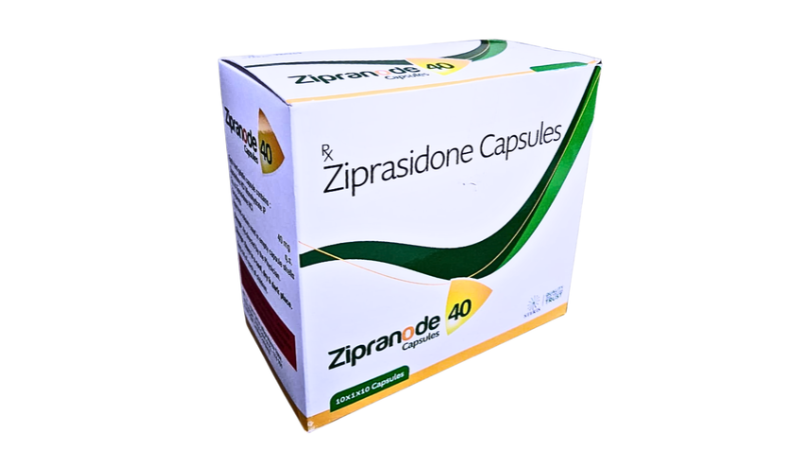


Ziprasidone Capsules 40mg Uses, Benefits, Dosage, Side Effects
Nov 13, 2026
ZIPRANODE 40 is a prescription medicine containing Ziprasidone Capsules 40mg, marketed by Steris Healthcare Pvt. Ltd. It belongs to a class of psychiatric medicines known as atypical antipsychotics, which are primarily used in the management of schizophrenia and certain symptoms associated with bipolar I disorder.
Ziprasidone works by regulating the activity of specific chemical messengers in the brain, particularly dopamine and serotonin. These neurotransmitters play important roles in mood, thinking, perception, behaviour and emotional responses.
ZIPRANODE 40 may be prescribed by psychiatrists for appropriately diagnosed patients who require antipsychotic treatment. Depending on the patient's clinical condition, ziprasidone can help manage symptoms such as hallucinations, delusions, disorganised thinking and manic episodes.
For healthcare professionals, hospitals, pharmacies and pharmaceutical procurement teams searching for Ziprasidone Capsules 40mg in India, ZIPRANODE 40 by Steris Healthcare is a branded product to consider after verifying its product documentation, prescribing information and regulatory details.
Product Overview
- Brand Name: ZIPRANODE 40
- Composition: Ziprasidone Capsules 40mg
- Therapeutic Category: Atypical antipsychotic
- Dosage Form: Oral capsules
- Strength: 40 mg
- Packaging: Listed in a 10-capsule pack
- Manufacturer: Steris Healthcare Pvt. Ltd.
- Primary Therapeutic Applications: Schizophrenia and selected bipolar I disorder indications
- Administration: Oral, with food, as prescribed by a psychiatrist
Why Is Ziprasidone Capsules 40mg Important?
Mental health conditions such as schizophrenia and bipolar disorder can significantly affect an individual's thoughts, emotions, behaviour and everyday functioning.
Schizophrenia may involve hallucinations, delusions, disorganised speech, unusual behaviour and difficulties with social interaction. Bipolar I disorder can involve episodes of mania characterised by elevated or irritable mood, increased energy, reduced need for sleep and impulsive behaviour.
These conditions require appropriate diagnosis, continuous clinical assessment and individualised treatment.
Ziprasidone is important because it acts on specific neurotransmitter receptors associated with psychiatric symptoms. By influencing dopamine and serotonin signalling, it can help reduce certain symptoms of schizophrenia and manage acute manic or mixed episodes in bipolar I disorder.
Its clinical importance includes:
- Helping manage positive symptoms of schizophrenia, including hallucinations and delusions.
- Supporting the treatment of acute manic or mixed episodes associated with bipolar I disorder.
- Providing an alternative atypical antipsychotic treatment option for selected patients.
- Supporting maintenance treatment of bipolar I disorder when used with lithium or valproate, where indicated.
- Helping improve psychiatric symptom control as part of a comprehensive treatment plan.
Treatment selection should always consider individual response, cardiovascular health, existing medications and the potential for QT interval prolongation.
Key Benefits of Ziprasidone Capsules 40mg
ZIPRANODE 40 contains ziprasidone, an atypical antipsychotic that influences important neurotransmitter systems in the central nervous system.
What Are the Benefits of Ziprasidone Capsules 40mg?
1. Helps Manage Schizophrenia Symptoms
Ziprasidone is indicated for the treatment of schizophrenia in adults in relevant prescribing information. It can help reduce symptoms such as hallucinations, delusions and disorganised thinking.
2. Supports Management of Bipolar I Disorder
Ziprasidone is used for the acute treatment of manic or mixed episodes associated with bipolar I disorder in adults. It can also be used as an adjunct to lithium or valproate for maintenance treatment, according to the applicable prescribing information.
3. Acts on Dopamine and Serotonin Receptors
The medicine interacts with dopamine and serotonin receptors involved in mood, perception and behaviour. This pharmacological activity contributes to its antipsychotic effects.
4. Available in an Oral Capsule Formulation
ZIPRANODE 40 provides an oral 40 mg dosage strength, allowing healthcare professionals to incorporate the product into an individually selected treatment regimen.
5. An Established Atypical Antipsychotic Treatment Option
Ziprasidone has been studied in controlled clinical trials involving patients with schizophrenia and bipolar I disorder. Its benefits and risks can be evaluated using established clinical evidence.
6. Can Be Used Within a Comprehensive Mental Healthcare Plan
When prescribed appropriately, ziprasidone may form part of a broader treatment approach involving psychiatric monitoring, psychological support, medication adherence and regular follow-up.
Mechanism of Action of Ziprasidone Capsules 40mg
Ziprasidone works primarily through its interaction with dopamine and serotonin receptors in the brain.
Its therapeutic activity is believed to involve a combination of dopamine D2 receptor antagonism and serotonin 5-HT2A receptor antagonism.
The medicine also interacts with several other receptors, including serotonin 5-HT1A, 5-HT1D and 5-HT2C receptors, as well as alpha-1 adrenergic and histamine H1 receptors.
Its principal pharmacological actions include:
Dopamine D2 Receptor Antagonism: Ziprasidone blocks dopamine D2 receptors. Excessive dopamine signalling in certain brain pathways is associated with positive symptoms of schizophrenia. Modulating this activity helps control these symptoms.
Serotonin 5-HT2A Receptor Antagonism: The medicine blocks serotonin 5-HT2A receptors, contributing to its atypical antipsychotic profile.
Serotonin 5-HT1A Receptor Agonism: Ziprasidone also acts as a partial agonist at 5-HT1A receptors, contributing to its broader serotonergic pharmacological activity.
Serotonin and Noradrenaline Reuptake Inhibition: Ziprasidone has demonstrated inhibitory activity against serotonin and norepinephrine reuptake in pharmacological studies.
Through these combined actions, ziprasidone influences neurotransmitter signalling involved in psychiatric symptoms.
Indications of Ziprasidone Capsules 40mg
The therapeutic indications of ziprasidone depend on the approved product information and the prescribing jurisdiction.
Its established indications include:
1. Schizophrenia
Ziprasidone is used in adults diagnosed with schizophrenia to help manage symptoms such as hallucinations, delusions and disorganised thinking.
2. Acute Manic Episodes Associated with Bipolar I Disorder
Ziprasidone can be prescribed as monotherapy for the acute treatment of manic episodes in adults with bipolar I disorder.
3. Mixed Episodes Associated with Bipolar I Disorder
It may also be used to manage acute mixed episodes involving features of both mania and depression.
4. Maintenance Treatment of Bipolar I Disorder
In applicable prescribing information, ziprasidone is indicated as an adjunct to lithium or valproate for maintenance treatment in adults who have achieved clinical stabilisation.
It is not a general treatment for every form of depression, anxiety or mood disturbance. A psychiatrist must establish the diagnosis before prescribing it.
Efficacy and Clinical Evidence of Ziprasidone
Ziprasidone has been evaluated in controlled clinical studies investigating its effectiveness in schizophrenia and bipolar I disorder.
Clinical Evidence in Schizophrenia
Clinical trials have demonstrated that ziprasidone can improve schizophrenia symptoms compared with placebo in appropriately selected adult patients.
Studies have assessed changes in validated psychiatric symptom scores, including measures of positive and negative symptoms and overall clinical improvement.
Clinical Evidence in Bipolar I Disorder
Clinical studies have also evaluated ziprasidone for acute manic and mixed episodes associated with bipolar I disorder.
Results support its role in reducing manic symptoms in appropriately selected patients. Maintenance treatment studies have examined its use alongside lithium or valproate.
Clinical Evidence and Safety Considerations
Although ziprasidone has established efficacy, it has an important cardiovascular safety consideration: QT interval prolongation.
Prescribers must evaluate cardiac history, relevant medications and electrolyte abnormalities before deciding whether ziprasidone is an appropriate treatment.
The clinical evidence relates to the active ingredient ziprasidone. It should not be interpreted as evidence that ZIPRANODE 40 has demonstrated brand-specific clinical superiority over other equivalent products.
Side Effects of Ziprasidone Capsules 40mg
Like other antipsychotic medicines, ziprasidone may cause side effects. Their occurrence and severity depend on the patient's health, prescribed dose, treatment duration and individual response.
Commonly reported side effects include:
- Sleepiness or drowsiness.
- Dizziness.
- Nausea.
- Constipation.
- Indigestion.
- Restlessness.
- Headache.
- Weakness.
- Extrapyramidal symptoms, including certain movement-related problems.
- Changes in blood sugar or metabolic parameters.
Not every patient experiences these effects. Patients should report persistent or troublesome symptoms to their treating psychiatrist.
Serious Side Effects of Ziprasidone Capsules 40mg
Certain adverse reactions require urgent medical assessment.
1. QT Interval Prolongation
Ziprasidone can prolong the QT interval on an electrocardiogram (ECG). In susceptible individuals, this can increase the risk of potentially life-threatening abnormal heart rhythms.
Warning symptoms include fainting, palpitations, severe dizziness and unexplained episodes of collapse.
2. Neuroleptic Malignant Syndrome
This is a rare but potentially life-threatening reaction associated with antipsychotic treatment. Symptoms may include high fever, severe muscle rigidity, altered consciousness and unstable blood pressure.
3. Tardive Dyskinesia
Long-term antipsychotic treatment may cause involuntary movements, particularly involving the face, tongue and other body parts.
4. Severe Allergic Reactions
Serious hypersensitivity reactions may occur. Facial swelling, breathing difficulty or severe allergic symptoms require immediate medical attention.
5. Severe Skin Reactions
Rare serious skin reactions, including severe drug-related hypersensitivity syndromes, require prompt medical evaluation.
6. Metabolic Changes
Ziprasidone may be associated with elevated blood glucose, dyslipidaemia and weight changes. Appropriate metabolic monitoring is important.
7. Increased Mortality in Elderly Patients with Dementia-Related Psychosis
Antipsychotic medicines, including ziprasidone, carry a boxed warning in US prescribing information regarding increased mortality in elderly patients with dementia-related psychosis. Ziprasidone is not approved for this indication.
Available Substitutes for Ziprasidone Capsules 40mg
Patients and pharmaceutical buyers searching for ZIPRANODE 40 alternatives should distinguish between equivalent ziprasidone products and other antipsychotic medicines.
Other Ziprasidone Brands: Products containing ziprasidone in the same strength and equivalent pharmaceutical formulation may be considered after verifying their quality, regulatory status and prescribing information.
Aripiprazole: An atypical antipsychotic used for certain psychiatric conditions, including schizophrenia and bipolar I disorder.
Olanzapine: An atypical antipsychotic used for schizophrenia and selected bipolar disorder indications.
Risperidone: An antipsychotic medicine used in the management of schizophrenia and certain other psychiatric conditions.
Quetiapine: An atypical antipsychotic used for schizophrenia and several bipolar disorder indications.
Lurasidone: An atypical antipsychotic used for schizophrenia and certain bipolar depression indications.
These medicines have different pharmacological profiles, side effects, contraindications and dosing schedules. They are not direct milligram-for-milligram substitutes for ziprasidone.
Any change in treatment must be made by a qualified psychiatrist.
Dosage Guidelines for Ziprasidone Capsules 40mg
The appropriate ziprasidone dosage depends on the diagnosis, treatment response, tolerability and individual patient characteristics.
A 40 mg capsule represents the product strength, not necessarily the correct dose for every patient.
In commonly referenced US prescribing information, adult dosage regimens include:
Schizophrenia:
- Initial treatment commonly begins at 20 mg twice daily with food.
- The dose may be adjusted according to clinical response and tolerability.
- Doses up to 80 mg twice daily are described in the prescribing information.
Acute Manic or Mixed Episodes of Bipolar I Disorder:
- The initial adult regimen commonly begins at 40 mg twice daily with food.
- Depending on clinical response and tolerability, the dose may be adjusted to 60 mg or 80 mg twice daily.
Maintenance Treatment of Bipolar I Disorder:
- Ziprasidone may be continued alongside lithium or valproate at the dose on which the patient was initially stabilised, within the applicable prescribing range.
Important Administration Guidelines
- Take ziprasidone with food.
- Swallow the capsule whole.
- Do not open, crush or chew the capsule.
- Follow the prescribed schedule consistently.
- Do not increase, reduce or discontinue the medicine without consulting the psychiatrist.
- If a dose is missed, follow the instructions provided by the prescribing healthcare professional.
Food is particularly important because it substantially increases ziprasidone absorption. Taking it without food can result in inadequate drug exposure.
The above schedules are general references from prescribing information, not individual treatment instructions. Follow the current approved Indian product information and the treating psychiatrist's prescription.
Precautions & Warnings: Ziprasidone Capsules 40mg
Before prescribing ZIPRANODE 40, healthcare professionals should assess the patient's medical history, cardiovascular health and current medication list.
Heart Conditions: Ziprasidone is contraindicated in patients with certain cardiac conditions, including known QT prolongation, recent acute myocardial infarction and uncompensated heart failure.
ECG Monitoring: An ECG may be appropriate when assessing patients with cardiac risk factors or symptoms suggestive of an arrhythmia.
Electrolyte Imbalances: Low potassium or magnesium can increase the risk of cardiac rhythm complications. Correct significant abnormalities before treatment.
Drug Interactions: Avoid combining ziprasidone with medicines known to prolong the QT interval. Certain antiarrhythmics, antibiotics and other psychiatric medicines may require particular attention.
Elderly Patients: Use is not recommended for elderly patients with dementia-related psychosis because of increased mortality risk associated with antipsychotic treatment.
Pregnancy and Breastfeeding: Patients who are pregnant, planning pregnancy or breastfeeding should discuss the potential benefits and risks with their doctor.
Alcohol Consumption: Alcohol can worsen drowsiness, dizziness and impaired coordination. Avoid alcohol unless the treating doctor specifically advises otherwise.
Driving and Operating Machinery: Ziprasidone may cause sleepiness or dizziness. Patients should understand their individual response before driving or operating machinery.
Blood Glucose and Metabolic Monitoring: Monitor blood glucose, lipid profile and body weight as clinically appropriate.
Stopping Treatment: Do not abruptly discontinue prescribed treatment without medical advice, as psychiatric symptoms may return or worsen.
Why Choose ZIPRANODE 40 by Steris Healthcare?
ZIPRANODE 40 is a branded ziprasidone capsule listed by Steris Healthcare Pvt. Ltd.
For psychiatrists, hospitals, pharmacists, distributors and pharmaceutical procurement professionals, selecting a prescription psychiatric medicine requires attention to product quality, regulatory compliance and reliable supply.
Important product evaluation factors include:
- Verified composition of Ziprasidone 40 mg.
- Product-specific manufacturing and quality documentation.
- Batch number and expiry date verification.
- Appropriate packaging and storage information.
- Availability of prescribing and safety documentation.
- Procurement through authorised pharmaceutical channels.
ZIPRANODE 40 is listed in a 10-capsule pack. Buyers in India should verify current availability, MRP, batch details, manufacturing information and applicable regulatory documentation with Steris Healthcare or an authorised supplier.
Conclusion
Ziprasidone Capsules 40mg is an atypical antipsychotic formulation used in the management of schizophrenia and selected bipolar I disorder indications.
ZIPRANODE 40 by Steris Healthcare Pvt. Ltd. contains ziprasidone 40 mg and is listed as an oral capsule formulation. Its mechanism of action involves dopamine and serotonin receptor modulation, helping manage specific psychiatric symptoms in appropriately diagnosed patients.
For psychiatrists, hospitals, pharmacists and pharmaceutical buyers searching for Ziprasidone Capsules 40mg in India, ZIPRANODE 40 is a branded product to evaluate based on its composition, verified quality documentation and approved prescribing information.
Because ziprasidone can prolong the QT interval and cause other potentially serious adverse reactions, treatment requires appropriate medical supervision and individual risk assessment.
Always consult a qualified psychiatrist before starting, changing or stopping ziprasidone treatment.
Frequently Asked Questions
1. What is ZIPRANODE 40 used for?
ZIPRANODE 40 contains ziprasidone 40 mg and is an atypical antipsychotic medicine used for prescribed psychiatric indications, including schizophrenia and selected bipolar I disorder conditions.
2. What is the composition of ZIPRANODE 40?
The active pharmaceutical ingredient is Ziprasidone 40 mg per capsule.
3. Who manufactures ZIPRANODE 40?
ZIPRANODE 40 is listed as a product manufactured by Steris Healthcare Pvt. Ltd.
4. What is the use of Ziprasidone Capsules 40mg?
Ziprasidone is used to manage schizophrenia and certain manic or mixed episodes associated with bipolar I disorder. Its indications depend on the applicable prescribing information.
5. How does ziprasidone work in the brain?
It primarily blocks dopamine D2 and serotonin 5-HT2A receptors, helping regulate neurotransmitter activity associated with psychiatric symptoms.
6. Is ziprasidone used for schizophrenia?
Yes. Ziprasidone is an established antipsychotic treatment for schizophrenia in adults.
7. Is ziprasidone used for bipolar disorder?
Yes. It is used for acute manic or mixed episodes associated with bipolar I disorder and, in certain prescribing regimens, maintenance treatment alongside lithium or valproate.
8. Should Ziprasidone 40mg be taken with food?
Yes. Ziprasidone should be taken with food because food significantly increases its absorption.
9. What is the usual dosage of ziprasidone?
Dosage depends on the indication and individual response. Standard adult regimens in US prescribing information begin at 20 mg twice daily for schizophrenia and 40 mg twice daily for acute bipolar manic or mixed episodes.
10. What are the common side effects of ZIPRANODE 40?
Common side effects may include drowsiness, dizziness, nausea, constipation, headache and restlessness.
11. Can ziprasidone affect the heart?
Yes. Ziprasidone can prolong the QT interval and may increase the risk of serious cardiac arrhythmias in susceptible individuals.
12. Does ziprasidone cause weight gain?
Weight changes can occur, although their extent varies between individuals. Regular monitoring of weight and metabolic parameters is advisable.
13. Can ziprasidone cause sleepiness?
Yes. Drowsiness and sedation are possible side effects. Patients should use caution when driving or operating machinery.
14. Is ZIPRANODE 40 safe for long-term use?
Long-term treatment may be appropriate for selected patients, but it requires regular psychiatric assessment and monitoring for adverse effects.
15. Can ziprasidone be taken with alcohol?
Alcohol should be avoided because it may worsen drowsiness, dizziness and impaired coordination.
16. What are the substitutes for Ziprasidone Capsules 40mg?
Equivalent ziprasidone products may be considered after verification. Other antipsychotics include aripiprazole, olanzapine, risperidone and quetiapine, but they are not direct substitutes.
17. Can ziprasidone be stopped suddenly?
Patients should not stop ziprasidone without consulting their psychiatrist because symptoms may return or worsen.
18. Is ziprasidone suitable for elderly patients?
It requires careful medical assessment. It is not approved for elderly patients with dementia-related psychosis because antipsychotics are associated with increased mortality in this population.
19. What is the difference between ziprasidone 20mg and 40mg?
Both contain the same active ingredient at different strengths. The appropriate strength depends on the patient's diagnosis, response and prescribed dosage.
20. Where can I find ZIPRANODE 40 in India?
Product information and purchasing enquiries can be directed to Steris Healthcare Pvt. Ltd. or authorised pharmaceutical suppliers. Availability and current pricing should be confirmed before ordering.
21. Does ziprasidone require an ECG?
An ECG may be recommended based on cardiac history, symptoms, electrolyte abnormalities and other risk factors. The prescriber should evaluate the risk of QT prolongation.
22. Is ZIPRANODE 40 a prescription medicine?
Yes. Ziprasidone is a prescription antipsychotic and should be used only under qualified medical supervision.
Recent Post
Zoledronic Acid 5 mg: Uses, Benefits & Dosage – Steris Healthcare
Paracetamol Diclofenac Sodium and Chlorzoxazone Tablets: Uses, Benefits, Dosage, Side Effects
Cefuroxime Axetil 500mg + Potassium Clavulanate 125mg Uses, Benefits & Side Effects
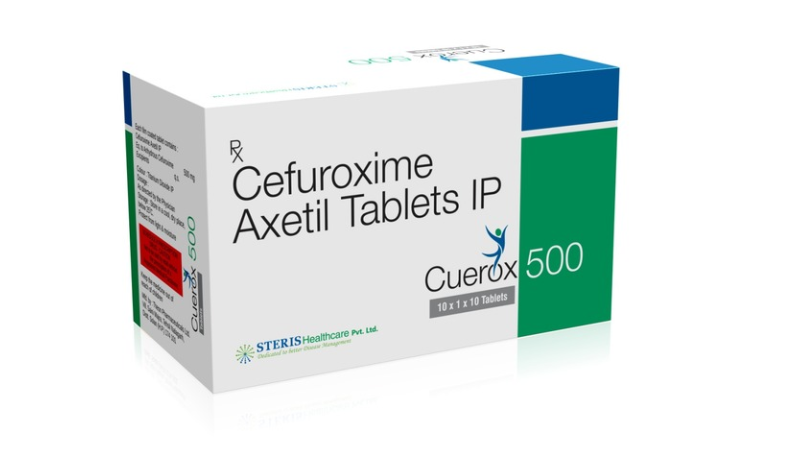
Cefuroxime Axetil 500mg Uses, Benefits, Side Effects
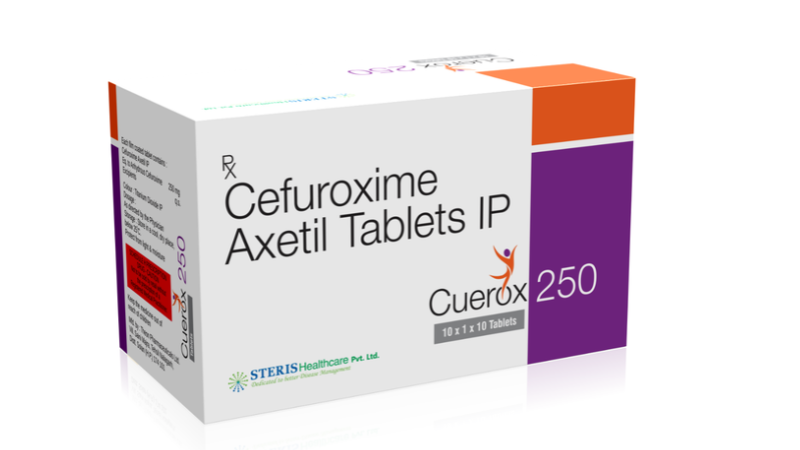
Cefuroxime Axetil 250mg Uses, Benefits, Side Effects
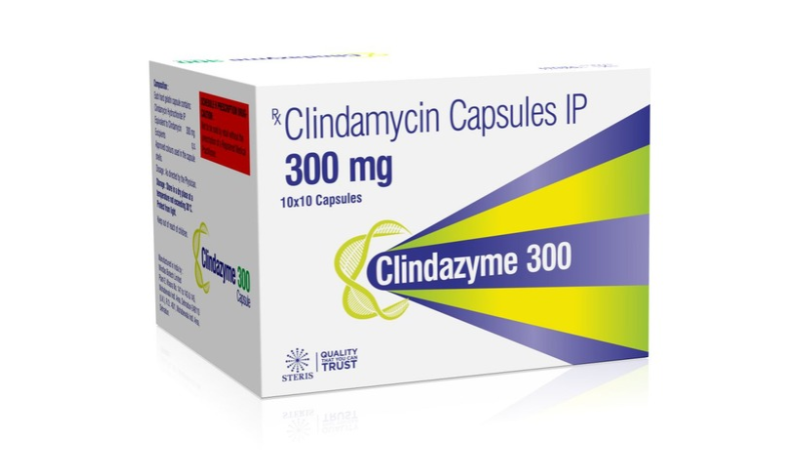
Clindamycin 300mg Uses, Benefits, Side Effects
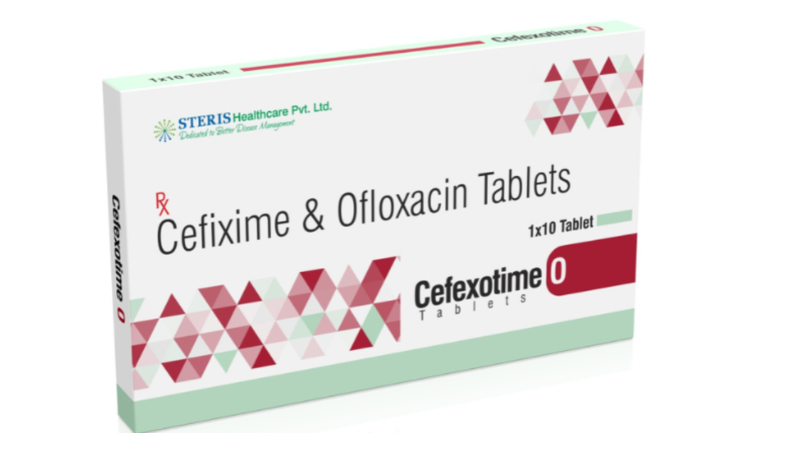
Cefixime 200mg + Ofloxacin 200mg Uses, Benefits, Side Effects

Neomycin, Polymyxin B and Bacitracin Zinc: Uses, Benefits and Side Effects
What Is Linagliptin 2.5 mg Used For? A Complete Guide
Dextromethorphan Hydrobromide: Uses, Benefits, Dosage and Side Effects

