


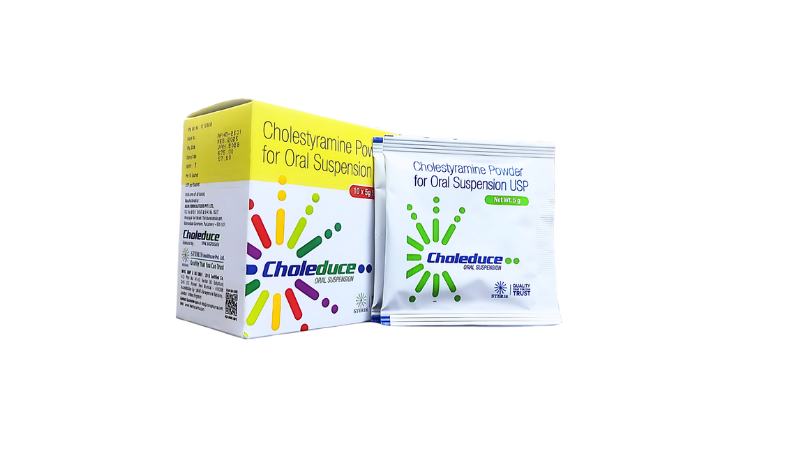



What is Cholestyramine Used For? Complete Guide to Cholesterol & Itching Relief
Aug 20, 2026
Elevated cholesterol, persistent itching related to certain liver conditions, and bile acid-related digestive issues are conditions that often require a targeted, non-statin approach to management. To address this need, Steris Healthcare has developed CHOLEDUCE ORAL SUSPENSION, a bile acid sequestrant medication with the active composition of cholestyramine powder for oral suspension.
CHOLEDUCE ORAL SUSPENSION is primarily used to lower elevated LDL cholesterol levels, relieve itching (pruritus) associated with partial biliary obstruction, and manage certain cases of bile acid-related diarrhea. As a bile acid sequestrant, cholestyramine works by binding to bile acids in the intestine, offering a treatment mechanism distinctly different from statins and other cholesterol-lowering medications.
Why Cholestyramine Is Important
Cholesterol management is often approached primarily through statin therapy, but not every patient is a suitable candidate for statins—some experience intolerable side effects, others have specific contraindications, and some require an additional cholesterol-lowering approach alongside their existing treatment. Similarly, certain liver conditions that cause bile to back up (partial biliary obstruction) can lead to a buildup of bile acids in the skin, resulting in persistent, often severe itching that significantly affects quality of life.
This is where cholestyramine becomes particularly important. Rather than working through the liver's cholesterol-production pathway like statins, cholestyramine works directly in the intestine, binding to bile acids and preventing their reabsorption. This forces the liver to draw more cholesterol from the bloodstream to produce new bile acids, effectively lowering circulating LDL cholesterol through an entirely different mechanism. This same bile acid-binding action is also what makes cholestyramine effective for reducing bile acid-related itching, offering relief for patients whose discomfort stems from excess bile acids rather than a typical dermatological condition—making it a genuinely versatile medication addressing multiple, seemingly unrelated conditions through one core mechanism.
Key Benefits
Cholestyramine offers a range of therapeutic benefits across several distinct clinical uses.
What are the benefits of Cholestyramine?
- Non-statin cholesterol reduction – Provides an alternative or additional approach to lowering LDL cholesterol for patients who can't tolerate or fully respond to statins.
- Relief from bile acid-related itching – Effectively reduces pruritus associated with partial biliary obstruction.
- Management of bile acid-related diarrhea – Helps bind excess bile acids contributing to certain types of chronic diarrhea.
- Works through a distinct mechanism—Offers a complementary approach that can be combined with statin therapy for enhanced cholesterol control.
- Non-systemically absorbed – Since cholestyramine works within the intestine and isn't significantly absorbed into the bloodstream, it avoids many of the systemic side effects associated with other cholesterol medications.
- Established, long-standing therapy – Backed by decades of clinical use in lipid and bile acid-related disorders.
- Flexible dosing – Available as a powder for oral suspension, allowing for individualized dose titration based on patient response.
Mechanism of Action
How it works: Cholestyramine is a large, non-absorbable resin that works entirely within the intestinal tract. Once ingested, it binds to bile acids present in the intestine, forming an insoluble complex that is excreted in the stool rather than being reabsorbed back into the body. Under normal circumstances, bile acids are recycled—reabsorbed in the intestine and returned to the liver for reuse. By binding these bile acids and preventing their reabsorption, cholestyramine interrupts this recycling process (known as the enterohepatic circulation). In response, the liver must convert more cholesterol into new bile acids to replace what's been lost, which increases the liver's demand for cholesterol. To meet this demand, the liver increases the number of LDL receptors on its surface, pulling more LDL cholesterol out of the bloodstream—resulting in lower circulating LDL levels. This same bile acid-binding action also explains its effectiveness for pruritus related to bile acid buildup and for certain forms of bile acid-related diarrhea, since removing excess bile acids from the intestinal environment addresses the root cause of these symptoms.
Side Effects
Most patients tolerate CHOLEDUCE ORAL SUSPENSION reasonably well, but because cholestyramine works within the digestive tract, gastrointestinal side effects are relatively common, including:
- Constipation (one of the most frequently reported side effects)
- Bloating or gas
- Mild abdominal discomfort
- Nausea
- Heartburn
These effects, particularly constipation, can often be managed with adequate fluid intake, dietary fiber, and guidance from your doctor.
Available Substitute
Other bile acid sequestrants, such as colesevelam or colestipol, are also available and may be considered as alternatives, particularly for patients experiencing significant gastrointestinal side effects with cholestyramine. However, switching between these options should only be done under medical guidance, as their dosing, tolerability, and administration methods differ.
Dosage Guidelines
The dosage of cholestyramine powder should always be determined by a physician based on the specific condition being treated and individual patient response. General guidelines include:
- The cholestyramine sachet should be mixed thoroughly with water or another suitable liquid, as directed on the product label—it should never be taken in its dry powder form.
- Dosing is typically once or twice daily, or as prescribed by your doctor, depending on whether it's being used for cholesterol management or itching relief.
- If taking other medications, it's generally recommended to take them at least one hour before or four to six hours after cholestyramine, as it can interfere with the absorption of many other drugs.
- Consistent daily use, along with adequate fluid intake, supports both effectiveness and helps minimize gastrointestinal side effects like constipation.
- Duration of treatment depends on the underlying condition and response to therapy, as determined by your doctor.
Precautions & Warnings
- Inform your doctor about any history of gastrointestinal obstruction, severe constipation, or bleeding disorders before starting this medication.
- Long-term use may require monitoring or supplementation of fat-soluble vitamins (A, D, E, K), as cholestyramine can interfere with their absorption.
- Space out the timing of other medications carefully, as cholestyramine can significantly reduce the absorption of many drugs if taken too close together.
- Maintain adequate fluid and fiber intake to help minimize the risk of constipation, a common side effect of this medication.
- Pregnant or breastfeeding women should use this medication only under medical supervision.
- Regular follow-up with lipid panel testing is recommended when used for cholesterol management to assess treatment effectiveness.
- Store the sachets in a cool, dry place away from direct sunlight and out of reach of children.
- Do not take this medication in its dry form — always mix thoroughly with liquid as directed before consumption.
Indications, Efficacy and Clinical Evidence
Cholestyramine is widely indicated for the reduction of elevated LDL cholesterol, relief of pruritus associated with partial biliary obstruction, and management of bile acid-related diarrhea.
Key Indications:
- Primary hypercholesterolemia, particularly as an adjunct to dietary management or in combination with other lipid-lowering therapies
- Pruritus associated with partial biliary obstruction
- Bile acid malabsorption-related diarrhea
- As an alternative for patients who cannot tolerate statin therapy
The efficacy of cholestyramine use is well established in clinical lipid management, with its distinctive intestinal mechanism offering a genuinely different therapeutic pathway compared to statins and other systemically absorbed cholesterol medications. This non-systemic action is particularly valued for patients seeking an additional or alternative approach to cholesterol control or for those managing bile acid-related symptoms where addressing bile acid levels directly provides more targeted relief than symptomatic treatments alone. Its long history of clinical use has established cholestyramine as a reliable, well-understood option within lipid and bile acid disorder management. For specific clinical data or comparative treatment information, always consult a qualified physician or authoritative medical literature.
Frequently Asked Questions
1. What is cholestyramine used for?
It's used to lower elevated LDL cholesterol, relieve itching related to partial biliary obstruction, and manage bile acid-related diarrhea.
2. How should the cholestyramine sachet be taken?
It should be mixed thoroughly with water or another suitable liquid before consumption—never taken in dry powder form.
3. What are the common side effects of cholestyramine powder?
Constipation, bloating, and mild abdominal discomfort are among the most commonly reported side effects.
4. Can cholestyramine be taken with other medications?
It's generally recommended to space other medications at least one hour before or four to six hours after cholestyramine, as it can reduce their absorption.
5. How does cholestyramine lower cholesterol?
It binds bile acids in the intestine, prompting the liver to use more cholesterol to produce new bile acids, which lowers circulating LDL cholesterol.
6. Is cholestyramine a statin?
No, it works through a completely different mechanism — binding bile acids in the intestine rather than affecting cholesterol production in the liver directly.
7. Can cholestyramine help with itching?
Yes, it's commonly used to relieve pruritus associated with partial biliary obstruction by binding excess bile acids.
8. Is a prescription required for CHOLEDUCE ORAL SUSPENSION?
Yes, it is a prescription medication and should be used under medical supervision.
9. Does cholestyramine affect vitamin absorption?
Yes, long-term use can interfere with the absorption of fat-soluble vitamins A, D, E, and K, so monitoring may be needed.
10. How long does it take for cholestyramine to lower cholesterol?
Cholesterol-lowering effects are typically assessed after several weeks of consistent use, with regular lipid panel monitoring.
11. Can cholestyramine cause constipation?
Yes, constipation is one of the most common side effects, and adequate fluid and fiber intake can help manage it.
12. Is cholestyramine safe for long-term use?
It can be used long-term under medical supervision, with periodic monitoring for nutrient absorption and gastrointestinal tolerability.
13. Can cholestyramine be used for diarrhea?
Yes, it's used in certain cases of bile acid-related diarrhea, where excess bile acids in the intestine contribute to the condition.
14. What should I avoid while taking cholestyramine?
Avoid taking other medications too close to your cholestyramine dose, and inform your doctor about all medications and supplements you're using.
15. Can cholestyramine be combined with statins?
Yes, it can sometimes be used alongside statin therapy for enhanced cholesterol control, under a doctor's guidance.
16. Is cholestyramine safe during pregnancy?
It should only be used during pregnancy under strict medical supervision, particularly given its effect on fat-soluble vitamin absorption.
Conclusion
CHOLEDUCE ORAL SUSPENSION by Steris Healthcare, containing cholestyramine powder for oral suspension, offers a versatile, non-statin approach to managing elevated cholesterol, bile acid-related itching, and certain forms of bile acid-related diarrhea. Its unique intestinal mechanism of action provides an important treatment option for patients who need an alternative or complementary approach to standard cholesterol-lowering therapy. As with any medication affecting nutrient and drug absorption, it should be used under the careful guidance of a qualified healthcare professional, with proper attention to dosing timing and long-term monitoring, to ensure safe and effective treatment.
For Further Information:
Mail Us: contact@sterispharma.com or info@sterispharma.com
Call Now: +91 8824175417, +91 9982524671
Buy Now
Recent Post
Semaglutide 4mg vs Pancreatitis Risk: What Doctors Want You to Know
Semaglutide 8mg Injection: Frequently Asked Questions Answered by Experts
Mycophenolate Mofetil 500mg (Mycofortic M 500): Uses, Benefits & Precautions – Complete Guide
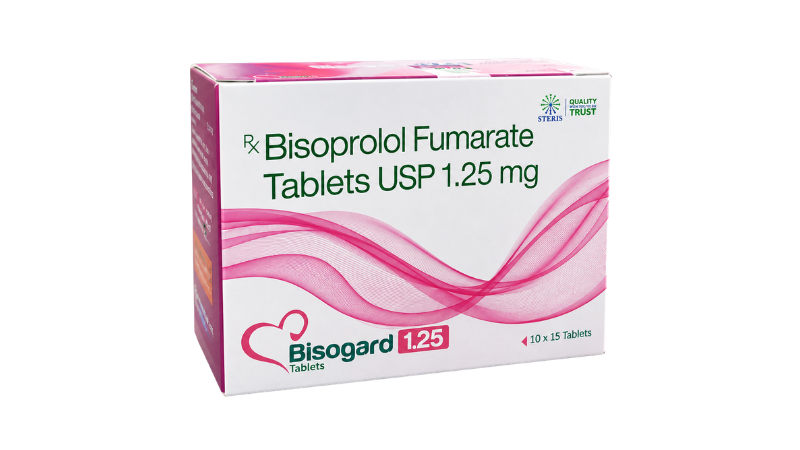
What is Bisogard 1.25? Bisoprolol 1.25mg Uses, Dosage & Side Effects Explained
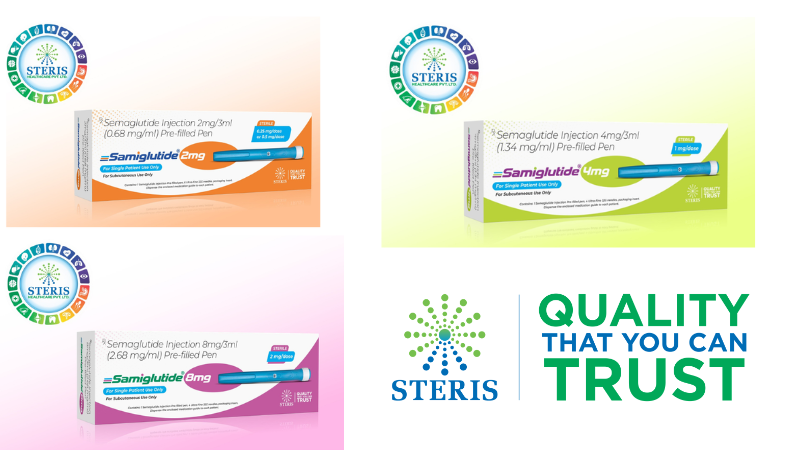
Can Semaglutide Injection Be Used Without Diabetes?
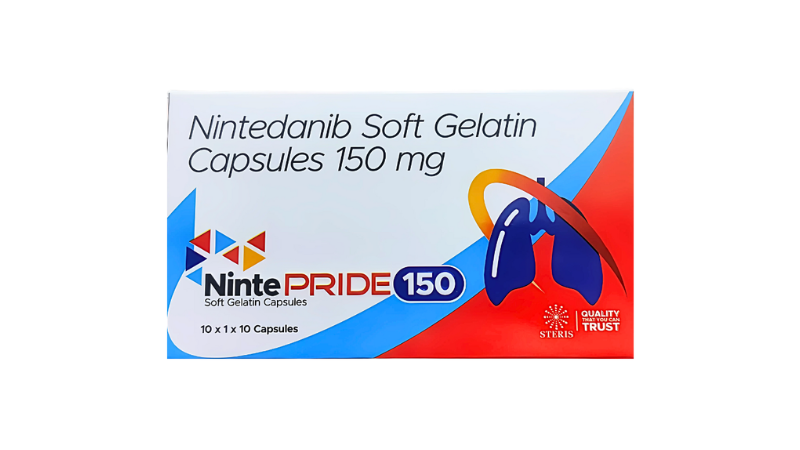
What Are Nintedanib Soft Gelatin Capsules Used For? Complete Guide
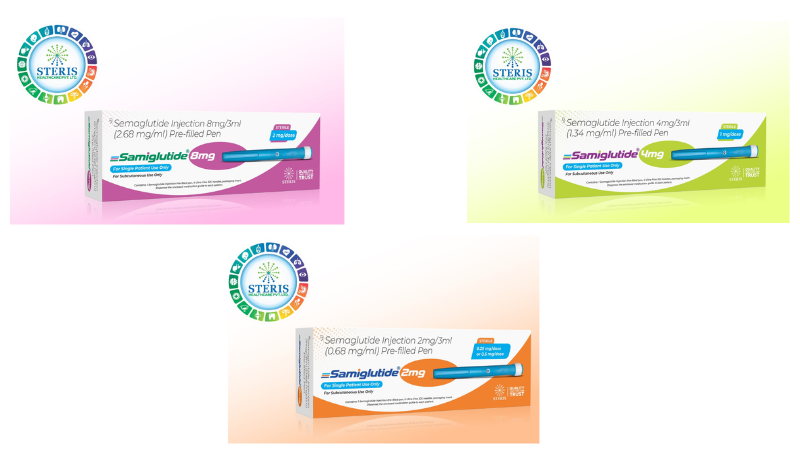
Where to Buy Semaglutide Injection in India: Price, Pen & Prescription Guide
ERITOCOX BENZ 60/5 Dosage Guide: How to Take Etoricoxib & Cyclobenzaprine Tablets Safely
Gabapentin and Methylcobalamin Tablets Side Effects: What Patients Should Know
Thyroxine sodium tablets IP: उपयोग, फायदे और साइड इफेक्ट्स