




TOLVAPTORIS 15: View Uses, Side Effects, Dosage, Mechanism of action...
Apr 08, 2024
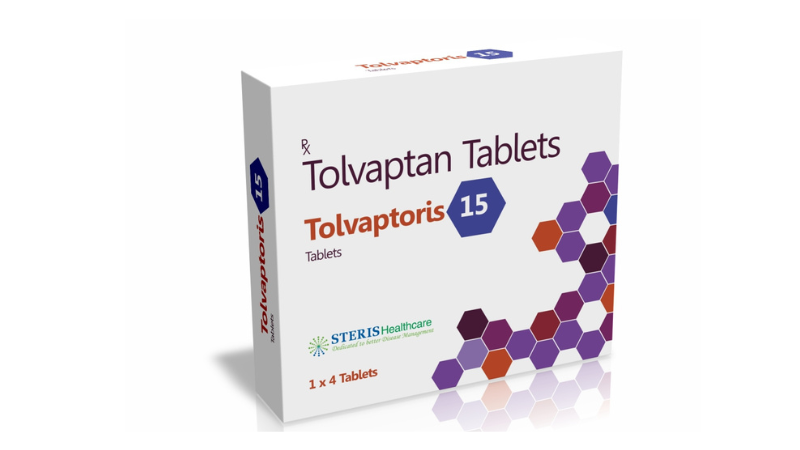
Some medical conditions cause the body to hold onto far more water than it should, diluting sodium levels in the blood and disrupting the delicate balance that keeps cells functioning normally. Others, like certain inherited kidney disorders, involve fluid-filled cysts that gradually enlarge the kidneys and threaten long-term function. Tolvaptan 15 mg, manufactured by Steris Healthcare, is a tolvaptan 15 mg tablet used to address these very different but related problems—it's a vasopressin receptor antagonist prescribed for clinically significant hypervolemic and euvolemic hyponatremia and, in specific formulations and regimens, for slowing kidney function decline in autosomal dominant polycystic kidney disease (ADPKD).
This article explains tolvaptan 15 mg uses, why this medication is clinically important, how it works, its key benefits, possible side effects, dosage principles, and—critically—the precautions and warnings every patient and caregiver should understand before starting treatment.
Tolvaptoris 15 is a prescription-only medication with a boxed warning. Treatment is typically initiated in a hospital setting with close monitoring of blood sodium levels, and its use requires ongoing medical supervision due to serious risks discussed later in this article. It should never be started, adjusted, or continued without direct physician oversight.
Why It's Important
Sodium is one of the body's most tightly regulated electrolytes, and even modest imbalances can have outsized effects on how the brain and nervous system function. Hyponatremia—abnormally low blood sodium, often caused by the body retaining too much water relative to sodium—can range from mild, with symptoms like nausea, headache, and confusion, to severe, where it can cause seizures, coma, or become life-threatening if left uncorrected. It's commonly seen in patients with heart failure, liver cirrhosis, and syndrome of inappropriate antidiuretic hormone secretion (SIADH), where the body's fluid-regulating hormones become disrupted.
Correcting hyponatremia isn't simply a matter of restricting fluids or giving salt—in many cases, particularly hypervolemic and euvolemic hyponatremia, the underlying problem is excess free water retention driven by vasopressin (antidiuretic hormone) activity. This is exactly the mechanism tolvaptan was designed to interrupt, offering a targeted pharmacological approach where general fluid restriction alone often falls short.
Separately, autosomal dominant polycystic kidney disease represents one of the most common inherited kidney disorders, in which fluid-filled cysts progressively enlarge and damage kidney tissue, often leading to kidney failure over time. Tolvaptan, in specific FDA-approved and regionally approved regimens, has been shown to slow the rate of kidney function decline and cyst growth in adults at risk of rapidly progressing ADPKD—making it one of the few pharmacological options specifically targeting the underlying disease process rather than just managing its downstream complications.
Because both conditions this medication addresses carry serious long-term health consequences if left unmanaged, having an effective, targeted treatment option matters enormously—but so does using it correctly, given the real risks involved.
Key Benefits
What Are the Benefits?
- Corrects clinically significant hyponatremia—Tolvaptan helps normalize blood sodium levels in patients with hypervolemic and euvolemic hyponatremia by promoting the excretion of excess free water without significant loss of sodium.
- Targets the underlying hormonal mechanism—Rather than simply restricting fluid intake, tolvaptan directly blocks the vasopressin receptor activity driving excess water retention, offering a more mechanism-specific approach to treatment.
- May slow kidney function decline in ADPKD—In appropriately selected patients with rapidly progressing autosomal dominant polycystic kidney disease, tolvaptan has been shown to help slow the rate of kidney volume growth and functional decline.
- Improves symptoms associated with hyponatremia—Correcting sodium levels can help resolve symptoms such as confusion, lethargy, headache, and nausea associated with low sodium states.
- Oral tablet administration—As an oral medication, tolvaptan can be continued outside of the initial hospital monitoring period for appropriate maintenance therapy, once safe correction and stability have been established.
- Supports better fluid balance management—In hypervolemic states like heart failure and cirrhosis, tolvaptan can help reduce fluid overload symptoms by promoting selective water excretion (aquaresis) without the electrolyte disturbances sometimes seen with conventional diuretics.
Tolvaptan 15 mg: Uses
Tolvaptan 15 mg tablets are indicated for:
- Treatment of clinically significant hypervolemic and euvolemic hyponatremia, including in patients with heart failure, cirrhosis, and SIADH
- Slowing kidney function decline in adults at risk of rapidly progressing autosomal dominant polycystic kidney disease (ADPKD), under specific treatment protocols and regulatory approval
- Management of hyponatremia when fluid restriction alone has proven inadequate, under physician guidance
Mechanism of action:
Tolvaptan works as a selective vasopressin V2-receptor antagonist. Under normal physiology, the hormone vasopressin (also called antidiuretic hormone, or ADH) binds to V2 receptors located in the kidneys' collecting ducts, triggering water reabsorption back into the bloodstream and concentrating the urine. In conditions like SIADH, heart failure, and cirrhosis, vasopressin activity becomes excessive or inappropriately regulated, causing the body to retain too much free water relative to sodium—diluting blood sodium levels and causing hyponatremia.
By selectively blocking the V2 receptor, tolvaptan prevents vasopressin from exerting this water-retaining effect, allowing the kidneys to excrete more free water (a process called aquaresis) without a proportional loss of sodium or potassium. This selectively raises blood sodium concentration toward normal levels, addressing the root hormonal driver of hyponatremia rather than just its downstream symptoms.
In ADPKD, the mechanism is somewhat different: vasopressin signaling through V2 receptors in the kidney is believed to stimulate cyst growth through downstream cellular signaling pathways (via cyclic AMP). By blocking this receptor, tolvaptan is thought to help slow the cellular processes that drive cyst enlargement and the associated decline in kidney function over time—which is why its use in ADPKD requires a different dosing regimen and closer, longer-term monitoring compared to its use in hyponatremia.
Side Effects
Tolvaptan can cause side effects, ranging from common and manageable to rare but serious—and understanding this range is essential given the medication's boxed warning.
Common side effects may include:
- Thirst and dry mouth (an expected consequence of the medication's water-excreting effect)
- Increased urination
- Nausea
- Fatigue
- Dizziness
- Constipation
- Dry mouth
Available Substitutes
Depending on the underlying condition, alternative approaches may include fluid restriction alone, conivaptan (another vasopressin receptor antagonist, used intravenously in hospital settings), or other supportive therapies tailored to the specific cause of hyponatremia. For ADPKD, alternative management may focus on blood pressure control, dietary sodium restriction, and general kidney-protective strategies alongside or instead of tolvaptan, depending on the patient's disease progression and risk profile. Any change in treatment approach should be made only under nephrology or relevant specialist guidance.
Dosage Guidelines
- Dosage and treatment initiation must be determined and supervised by a physician, typically within a hospital or closely monitored clinical setting, especially at the start of treatment.
- Blood sodium levels are usually checked frequently during the initial days of treatment to ensure correction is happening at a safe, gradual rate.
- Fluid intake should not be restricted during the initial correction phase unless specifically directed by your doctor, since tolvaptan's mechanism depends on adequate access to water.
- Liver function tests are required before starting treatment and at regular intervals throughout therapy, particularly for longer-term use.
- Dosing for ADPKD follows a specific, structured titration regimen distinct from hyponatremia treatment—always follow your nephrologist's exact prescribed schedule.
- Do not adjust your dose independently, and do not stop treatment abruptly without consulting your doctor, as this can affect sodium balance and requires medical guidance.
This is general educational information only. Actual dosing, monitoring frequency, and treatment duration must be determined by your treating physician based on your specific diagnosis and clinical status.
Precautions & Warnings
- Boxed warning for liver injury: Tolvaptan carries a formal warning regarding the risk of serious liver injury; regular liver function monitoring is mandatory, and treatment duration is generally limited or closely reviewed based on this risk, particularly for ADPKD use.
- Hospital initiation typically required: Due to the risk of overly rapid sodium correction, treatment for hyponatremia is usually started in a hospital setting where sodium levels can be closely monitored.
- Hepatic and renal impairment: Use requires caution and specialist guidance in patients with pre-existing significant liver or kidney disease.
- Avoid in certain conditions: Tolvaptan is generally not recommended in patients unable to sense or respond to thirst or those with hypovolemic hyponatremia (low sodium associated with low fluid volume), since the mechanism of action would not be appropriate for that scenario.
- Pregnancy and breastfeeding: Not recommended during pregnancy; consult your doctor regarding safety during breastfeeding.
- Drug interactions: Tolvaptan is metabolized through specific liver enzyme pathways and can interact significantly with drugs like strong CYP3A inhibitors (such as certain antifungal or antibiotic medications) and grapefruit juice—always disclose your complete medication and supplement list to your doctor.
- Diabetes: Use with caution, as tolvaptan can sometimes affect blood glucose levels; monitoring may be advised.
- Regular monitoring is non-negotiable: Includes blood sodium, liver function tests, and kidney function assessments at intervals determined by your treating physician throughout the course of therapy.
- Do not stop hospital-supervised therapy and self-continue at home without explicit medical instructions on safe transition and monitoring.
- Storage: Store away from heat and moisture, and keep out of reach of children.
Frequently Asked Questions
1. What is Tolvaptoris 15 used for?
Tolvaptoris 15 is used to treat clinically significant hyponatremia (low blood sodium) and, in specific cases, to help slow kidney function decline in adults with rapidly progressing autosomal dominant polycystic kidney disease (ADPKD).
2. What is tolvaptan 15 mg used for?
Tolvaptan 15 mg is used to correct low blood sodium levels caused by excess water retention and, in select patients, to slow the progression of ADPKD.
3. Tolvaptan 15 mg uses in Hindi — क्या है?
Tolvaptan 15 mg का उपयोग शरीर में सोडियम के स्तर को सामान्य करने और कुछ मामलों में पॉलीसिस्टिक किडनी रोग की प्रगति को धीमा करने के लिए किया जाता है। (यह केवल डॉक्टर की निगरानी में ली जाने वाली दवा है।)
4. How does tolvaptan tablet work in the body?
Tolvaptan tablets work by blocking vasopressin V2 receptors in the kidneys, which increases the excretion of excess free water without a proportional loss of sodium, helping correct hyponatremia.
5. Why does tolvaptan treatment usually start in a hospital?
Because correcting sodium levels too quickly can cause a rare but serious neurological complication, treatment is typically started in a hospital where sodium levels can be closely monitored during the initial days.
6. What is the most serious risk associated with tolvaptan?
Tolvaptan carries a boxed warning for the risk of serious liver injury, which is why regular liver function monitoring is required throughout treatment.
7. What are the common side effects of tolvaptan 15 mg?
Common side effects include increased thirst, dry mouth, frequent urination, fatigue, and mild dizziness—largely related to the medication's water-excreting effect.
8. Can tolvaptan be used for kidney cysts?
Yes, in specific formulations and regimens, tolvaptan is approved to help slow kidney function decline in adults with rapidly progressing autosomal dominant polycystic kidney disease.
9. Does tolvaptan interact with other medications?
Yes, it can interact significantly with certain antifungal and antibiotic medications, as well as grapefruit juice—always inform your doctor of everything you're taking.
10. Can tolvaptan be taken without medical supervision?
No, tolvaptan requires close physician supervision, including hospital-based initiation in many cases and ongoing laboratory monitoring—it should never be self-initiated or self-adjusted.
11. What is the price of tolvaptan 15 mg?
Pricing varies by region, pharmacy, and pack size; check with your local pharmacy or Steris Healthcare's authorized distributors for current pricing information.
12. Is tolvaptan safe for the liver?
Tolvaptan carries a boxed warning for potential liver injury, which is why liver function tests are required before starting treatment and periodically throughout its use.
13. Can tolvaptan be used in patients with dehydration?
No, tolvaptan is generally not appropriate for hypovolemic hyponatremia (low sodium associated with fluid loss/dehydration), since its mechanism promotes further water excretion.
14. What symptoms of liver problems should I watch for while on tolvaptan?
Watch for yellowing of the skin or eyes, dark urine, unusual fatigue, nausea, loss of appetite, or pain in the upper right abdomen, and report these to your doctor immediately.
15. How is tolvaptan dosing different for hyponatremia versus ADPKD?
Hyponatremia treatment typically involves shorter-term use with close initial sodium monitoring, while ADPKD treatment follows a specific longer-term titration schedule—your doctor will determine the appropriate regimen for your condition.
16. Should I restrict fluids while taking tolvaptan?
Fluid intake generally should not be restricted during initial treatment unless specifically directed by your doctor, since tolvaptan's mechanism depends on the availability of water for excretion.
17. Can pregnant women take tolvaptan?
Tolvaptan is generally not recommended during pregnancy; consult your doctor about the risks and alternative options if you are pregnant or planning pregnancy.
18. What monitoring is required while on tolvaptan?
Regular blood sodium checks, liver function tests, and kidney function assessments are required throughout treatment, with frequency determined by your treating physician.
19. Can I stop taking tolvaptan suddenly?
No, treatment should not be stopped abruptly without consulting your doctor, as this can affect your sodium balance and requires medical guidance for safe discontinuation or transition.
20. What should I do if I experience severe thirst or dizziness while on tolvaptan?
Contact your doctor promptly, as these can be signs of excessive water loss or electrolyte imbalance that may require dose adjustment or additional monitoring.
Conclusion
Tolvaptoris 15, containing tolvaptan 15 mg, offers a mechanism-targeted treatment option for clinically significant hyponatremia and, in appropriately selected patients, for slowing kidney function decline in autosomal dominant polycystic kidney disease. By selectively blocking vasopressin's water-retaining effects at the V2 receptor, this Steris Healthcare formulation addresses the underlying hormonal driver behind these conditions rather than simply managing symptoms.
However, tolvaptan is not a medication to be taken lightly — its boxed warning for liver injury, the risk of overly rapid sodium correction, and the need for structured, ongoing laboratory monitoring make it a treatment that requires close, consistent collaboration with your physician from the very first dose onward. If you or a loved one has been diagnosed with hyponatremia or ADPKD and your doctor is considering tolvaptan as part of your treatment plan, understanding both its benefits and its serious risks—and committing to the required monitoring—is essential for using this medication safely and effectively.
For Further Information:
Mail Us: contact@sterispharma.com or info@sterispharma.com
Call Now: +91 8824175417 or +91 9982524671
Recent Post
Semaglutide 4mg vs Pancreatitis Risk: What Doctors Want You to Know
Semaglutide 8mg Injection: Frequently Asked Questions Answered by Experts
Mycophenolate Mofetil 500mg (Mycofortic M 500): Uses, Benefits & Precautions – Complete Guide
What is Bisogard 1.25? Bisoprolol 1.25mg Uses, Dosage & Side Effects Explained
Can Semaglutide Injection Be Used Without Diabetes?
What Are Nintedanib Soft Gelatin Capsules Used For? Complete Guide
Where to Buy Semaglutide Injection in India: Price, Pen & Prescription Guide
ERITOCOX BENZ 60/5 Dosage Guide: How to Take Etoricoxib & Cyclobenzaprine Tablets Safely
Gabapentin and Methylcobalamin Tablets Side Effects: What Patients Should Know
Thyroxine sodium tablets IP: उपयोग, फायदे और साइड इफेक्ट्स