


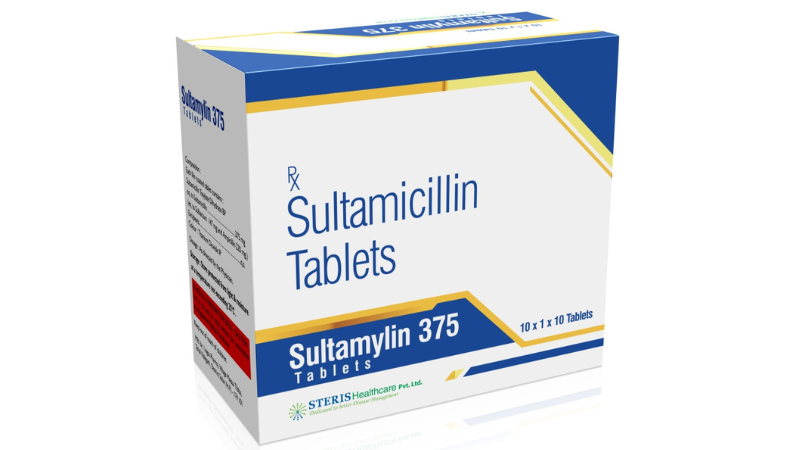



Sultamicillin (375mg)
May 06, 2023
Sultamicillin 375 mg is a broad-spectrum antibiotic used to treat bacterial infections of the respiratory tract, urinary tract, skin, ears, throat, sinuses, and teeth. It's prescribed when a doctor suspects or confirms an infection caused by bacteria that produce beta-lactamase, an enzyme that would otherwise make plain penicillin-type antibiotics ineffective.
SULTAMYLIN 375 from Steris Healthcare delivers this exact composition, formulated to meet pharmacopoeial standards for dissolution, potency, and stability.
How Does Sultamicillin 375 mg Work?
Sultamicillin is what pharmacologists call a "mutual prodrug." In plain terms, it's a single molecule built from two active ingredients — ampicillin and sulbactam — chemically bonded together. Once you swallow the tablet, enzymes in your intestinal wall break that bond apart during absorption, releasing both components into your bloodstream in a 1:1 ratio.
Ampicillin attacks the bacterial cell wall, stopping the bacteria from building the structure they need to survive and multiply. Sulbactam, on its own, has weak antibacterial activity, but it does something more valuable: it blocks beta-lactamase, the enzyme many resistant bacteria use to destroy ampicillin before it can work. Together, the combination restores ampicillin's power against bacteria that would otherwise shrug it off.
This is really the whole story of why sultamicillin exists — it's an answer to bacterial resistance, not just a rebrand of an older drug.
Is Sultamicillin 375 mg an Antibiotic?
Yes. Sultamicillin 375 mg is a beta-lactam antibiotic belonging to the aminopenicillin class, combined with a beta-lactamase inhibitor. It's classified as a systemic antibacterial agent and requires a valid prescription in most countries, including India, where it's regulated under Schedule H.
Is Sultamicillin a Strong Antibiotic?
Sultamicillin is considered a moderately strong, broad-spectrum antibiotic — stronger than plain ampicillin or amoxicillin against beta-lactamase-producing bacteria, because the added sulbactam neutralizes the enzyme that would otherwise destroy the drug. That said, "strong" isn't the same as "always the right choice." Its effectiveness depends entirely on whether the bacteria causing your infection are known to respond to it, which is why doctors sometimes order a culture and sensitivity test before or during treatment.
Can Sultamicillin 375 mg Treat Bacterial Infections?
Yes, that's its only job. Sultamicillin has no activity against viral infections — it will not help with the flu, common cold, or most sore throats caused by viruses. Taking it for a viral illness doesn't just fail to help; it also contributes to antibiotic resistance over time.
Primary Uses of Sultamicillin 375 mg
Doctors commonly prescribe SULTAMYLIN 375 for:
- Respiratory infections — bronchitis, community-acquired pneumonia, and acute exacerbations of chronic bronchitis
- Urinary tract infections (UTI) — including uncomplicated cystitis and some cases of pyelonephritis
- Skin and soft tissue infections — cellulitis, wound infections, and abscesses caused by susceptible organisms
- Ear infections — acute otitis media, particularly in cases resistant to first-line antibiotics
- Throat infections — bacterial pharyngitis and tonsillitis
- Sinus infections — acute bacterial sinusitis
- Dental infections — post-extraction infections and odontogenic abscesses, often prescribed alongside dental procedures
Sultamicillin 375 mg for Respiratory Infections
For lower respiratory tract infections, sultamicillin's dual action against beta-lactamase-producing strains of Haemophilus influenzae and Moraxella catarrhalis makes it a practical option when plain amoxicillin has failed or is unlikely to work.
Sultamicillin 375 mg for Urinary Tract Infection (UTI)
In UTIs caused by susceptible E. coli or other gram-negative organisms, sultamicillin is prescribed for a typical course of 5–10 days, though your doctor will confirm the exact duration based on urine culture results.
Sultamicillin 375 mg for Skin, Ear, Throat, Sinus, and Dental Infections
Across these indications, the mechanism doesn't change — only the dose duration and sometimes the frequency does, depending on how deep-seated the infection is. Dental infections, for instance, are often treated for a shorter 5-day course combined with local drainage procedures performed by the dentist.
How to Take Sultamicillin 375 mg
Sultamicillin 375 mg tablets are usually taken twice a day, with or without food, swallowed whole with a full glass of water. Splitting doses evenly — roughly every 12 hours — keeps a steady level of the drug in your bloodstream, which matters more for antibiotics than for most other medicine classes.
Can I Take Sultamicillin 375 mg After Food?
Yes. Taking it after food is actually a common recommendation because it can reduce stomach upset, one of the more frequent complaints patients report.
Can I Take Sultamicillin 375 mg on an Empty Stomach?
You can, and absorption isn't significantly affected either way. But if you've had nausea with antibiotics before, taking it after a light meal is the more comfortable route.
How Many Days Should I Take Sultamicillin 375 mg?
Treatment duration typically ranges from 5 to 14 days, depending on the type and severity of the infection. Your prescribing doctor sets the exact number — never adjust it yourself based on how you feel.
Sultamicillin 375 mg Dosage for Adults
| Condition | Typical Adult Dose | Frequency | Duration |
|---|---|---|---|
| Mild-to-moderate infections | 375–750 mg | Twice daily | 5–10 days |
| Respiratory tract infections | 375 mg | Every 12 hours | 7–14 days |
| Skin and soft tissue infections | 375 mg | Every 12 hours | 5–10 days |
| Dental infections | 375 mg | Every 12 hours | 5 days |
Dosing must always be individualized by a physician based on kidney function, infection severity, and patient weight.
Sultamicillin 375 mg Dosage Instructions
Take the tablet at the same times each day, roughly 12 hours apart. Don't crush or chew it unless your doctor specifically tells you to — the tablet form is designed for steady absorption.
How Often Should I Take Sultamicillin 375 mg?
Twice daily is the standard frequency for the 375 mg strength. Some infections may call for a higher single dose (750 mg), but the twice-daily rhythm generally stays the same.
What Happens If I Miss a Dose of Sultamicillin 375 mg?
Take the missed dose as soon as you remember. If it's almost time for your next dose, skip the missed one entirely — never double up to "catch up," as this raises the risk of side effects without adding any real benefit.
Can I Stop Taking Sultamicillin 375 mg Early?
No. Stopping early, even when symptoms disappear, is one of the most common reasons antibiotic treatment fails or infections relapse. Bacteria that survive a shortened course are often the hardiest ones, and they can multiply again — sometimes in a form that's harder to treat the second time around. Always finish the full course your doctor prescribed.
How Quickly Does Sultamicillin 375 mg Start Working?
Most patients notice symptom improvement within 48 to 72 hours. If there's no improvement after 3 days, contact your doctor — it may signal that the bacteria involved aren't susceptible to this particular antibiotic.
What Are the Side Effects of Sultamicillin 375 mg?
The most common side effects of Sultamicillin 375 mg are gastrointestinal — diarrhea, nausea, and stomach discomfort — affecting a noticeable minority of patients. Most are mild and resolve once the course is finished.
Common Side Effects Include:
- Diarrhea
- Nausea or vomiting
- Abdominal discomfort
- Skin rash
- Headache
- Vaginal itching or discharge (due to disruption of normal flora)
Can Sultamicillin 375 mg Cause Diarrhea?
Yes, it's one of the most frequently reported side effects, since the antibiotic affects gut bacteria along with the infection-causing organisms. Mild diarrhea usually settles on its own, but watery, bloody, or persistent diarrhea should be reported to your doctor immediately, as it can occasionally signal a more serious condition called C. difficile-associated colitis.
Does Sultamicillin 375 mg Cause Allergies?
It can, particularly in people with a known penicillin allergy, since sultamicillin belongs to the same drug family. Signs of an allergic reaction include hives, facial swelling, difficulty breathing, or a widespread rash — these require emergency medical attention, not a wait-and-see approach.
Does Sultamicillin 375 mg Make You Sleepy?
Drowsiness is not a typical or expected side effect of sultamicillin. If you feel unusually sleepy or fatigued while on this medicine, it's worth mentioning to your doctor, since it could point to an unrelated cause or a reaction worth checking.
Important Considerations Before Taking Sultamicillin 375 mg
Is Sultamicillin 375 mg Safe During Pregnancy?
Sultamicillin falls into a pregnancy category where it's used only when clearly needed and under direct medical supervision. Studies in pregnant patients are limited, so this decision should always be made jointly with your obstetrician, weighing the infection risk against any theoretical medication risk.
Can Breastfeeding Mothers Take Sultamicillin 375 mg?
Small amounts of the drug pass into breast milk. It's generally considered compatible with breastfeeding under medical guidance, though your doctor may watch the infant for rash, diarrhea, or thrush as a precaution.
Is Sultamicillin 375 mg Safe for Kidney Patients?
Patients with reduced kidney function need dose adjustments, since the drug is cleared primarily through the kidneys. Your doctor will typically check renal function tests before prescribing and may extend the dosing interval accordingly.
Who Should Not Take Sultamicillin 375 mg?
Avoid this medicine if you:
- Have a known allergy to penicillin, ampicillin, or any beta-lactam antibiotic
- Have a history of severe drug-induced liver injury linked to penicillin-class antibiotics
- Have infectious mononucleosis (increased risk of rash)
Can Children Take Sultamicillin 375 mg?
Sultamicillin is available in pediatric formulations dosed by body weight; the 375 mg tablet strength is generally reserved for adults and adolescents who can swallow tablets and meet the weight threshold their doctor calculates for. Never give an adult-strength tablet to a child without specific medical instruction.
What Should I Avoid While Taking Sultamicillin 375 mg?
- Alcohol: While sultamicillin doesn't have the severe alcohol interaction seen with some antibiotics, alcohol can worsen gastrointestinal side effects and slow recovery. It's best to limit or avoid it during treatment.
- Skipping doses or stopping early
- Self-adjusting the dose
- Taking it alongside another antibiotic without medical advice
Can I Drink Alcohol While Taking Sultamicillin 375 mg?
Occasional, light alcohol use is unlikely to cause a dangerous interaction, but it's not recommended while your body is fighting an infection and processing medication. Play it safe and skip it until the course is done.
Can Sultamicillin 375 mg Interact With Other Medicines?
Yes. Notable interactions include:
- Allopurinol — increased risk of skin rash when combined with ampicillin-class drugs
- Oral contraceptives — antibiotics can theoretically reduce effectiveness; backup contraception is often advised
- Methotrexate — sultamicillin may reduce methotrexate clearance, raising toxicity risk
- Probenecid — can raise sultamicillin blood levels by slowing its excretion
Always share your full medication list, including supplements, with your doctor or pharmacist before starting treatment.
Can I Take Probiotics With Sultamicillin 375 mg?
Yes, and many doctors actively recommend it. Taking a probiotic a few hours apart from your antibiotic dose can help offset the disruption to gut flora and may reduce the likelihood of antibiotic-associated diarrhea.
Do I Need a Prescription for Sultamicillin 375 mg?
Yes. Sultamicillin is a prescription-only medicine in India and most countries. Buying or taking it without medical supervision increases the risk of misuse, incorrect dosing, and antibiotic resistance.
Sultamicillin 375 mg vs. Amoxicillin: What's the Difference?
Are amoxicillin and sultamicillin the same? No — they are related but distinct molecules. Amoxicillin is a standalone penicillin-class antibiotic. Sultamicillin is a combination prodrug of ampicillin and sulbactam, meaning it carries built-in resistance to beta-lactamase enzymes that can inactivate plain amoxicillin.
| Feature | Sultamicillin 375 mg | Amoxicillin |
|---|---|---|
| Composition | Ampicillin + Sulbactam (mutual prodrug) | Single molecule |
| Beta-lactamase resistance | Yes, via sulbactam | No |
| Typical use case | Resistant or mixed bacterial infections | First-line, susceptible infections |
| Dosing frequency | Usually twice daily | Two to three times daily |
Is Sultamicillin Stronger Than Amoxicillin?
Against beta-lactamase-producing bacteria, yes — sultamicillin has an advantage because plain amoxicillin can be broken down by that enzyme before it has a chance to work. Against fully susceptible bacteria with no resistance mechanisms, the two perform comparably.
Sultamicillin vs. Amoxicillin-Clavulanate (Augmentin): Which Is Better?
Both drugs pair a penicillin-class antibiotic with a beta-lactamase inhibitor, so their coverage overlaps significantly. Augmentin combines amoxicillin with clavulanic acid, while sultamicillin combines ampicillin with sulbactam.
Neither is universally "better." The right choice depends on the suspected bacteria, local resistance patterns, patient allergy history, and tolerance — Augmentin, for example, is sometimes associated with slightly higher rates of diarrhea due to the clavulanic acid component. Your doctor's choice is typically guided by clinical guidelines and, where available, culture sensitivity results.
What Is a Substitute for Sultamicillin 375 mg?
If sultamicillin isn't suitable — due to allergy, availability, or resistance patterns — doctors may substitute with:
- Amoxicillin-clavulanate (Augmentin)
- Cefuroxime or another second-generation cephalosporin
- Azithromycin, for patients with true penicillin allergy
Never substitute an antibiotic on your own. The "right" alternative depends on the specific bacteria involved, which only a clinician can assess properly.
Sultamicillin 375 mg Tablet Price and Availability
SULTAMYLIN 375, manufactured by Steris Healthcare, is available as a 375 mg tablet through licensed pharmacies with a valid prescription. Pricing varies by region, pharmacy, and pack size, so check with your local pharmacist or Steris Healthcare's authorized distributors for current rates. Always verify the batch number, manufacturing date, and expiry date printed on the strip before use, and store the tablets in a cool, dry place away from direct sunlight and moisture.
A New Detail Worth Knowing: Storage and Handling
One thing patients rarely ask about but should know: sultamicillin tablets should be stored below 30°C, away from humidity. Bathroom cabinets, despite being the most common storage spot in most homes, are actually one of the worst places for antibiotics because of moisture exposure, which can degrade tablet potency before the expiry date. Keep the strip in its original packaging until the dose is due.
Frequently Asked Questions
What are the common side effects of Sultamicillin 375 mg?
Diarrhea, nausea, abdominal discomfort, and mild skin rash are the most frequently reported side effects. Most resolve on their own once the course ends.
Is Sultamicillin 375 mg effective for bacterial infections?
Yes, it's effective against a broad range of gram-positive and gram-negative bacteria, particularly beta-lactamase-producing strains that resist plain amoxicillin or ampicillin.
What infections does Sultamicillin 375 mg treat?
It treats respiratory, urinary, skin, ear, throat, sinus, and dental infections caused by susceptible bacteria.
Which is better: Sultamicillin or Augmentin?
Neither is universally superior — the choice depends on the infection type, local resistance data, and the patient's allergy history, as determined by a physician.
When should I take Sultamicillin 375 mg?
At evenly spaced 12-hour intervals, with or without food, for the full duration your doctor prescribes.
Recent Post
Semaglutide 4mg vs Pancreatitis Risk: What Doctors Want You to Know
Semaglutide 8mg Injection: Frequently Asked Questions Answered by Experts
Mycophenolate Mofetil 500mg (Mycofortic M 500): Uses, Benefits & Precautions – Complete Guide
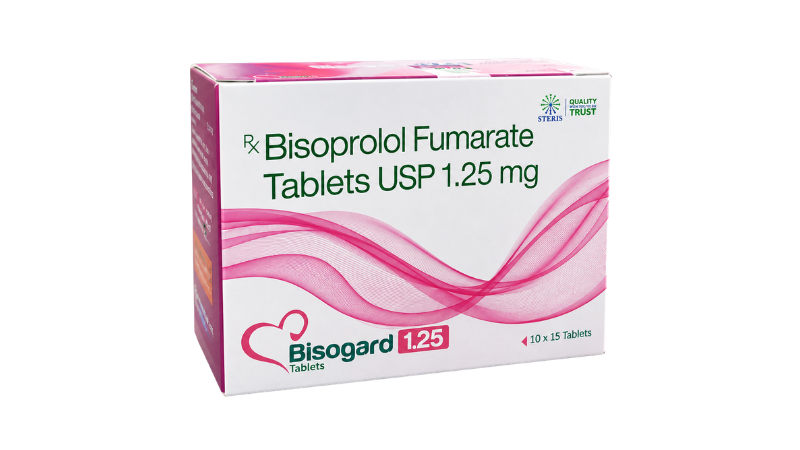
What is Bisogard 1.25? Bisoprolol 1.25mg Uses, Dosage & Side Effects Explained

Can Semaglutide Injection Be Used Without Diabetes?
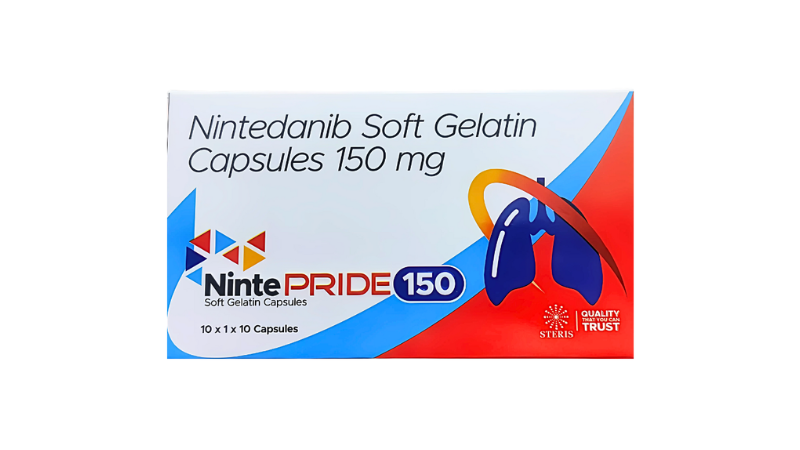
What Are Nintedanib Soft Gelatin Capsules Used For? Complete Guide
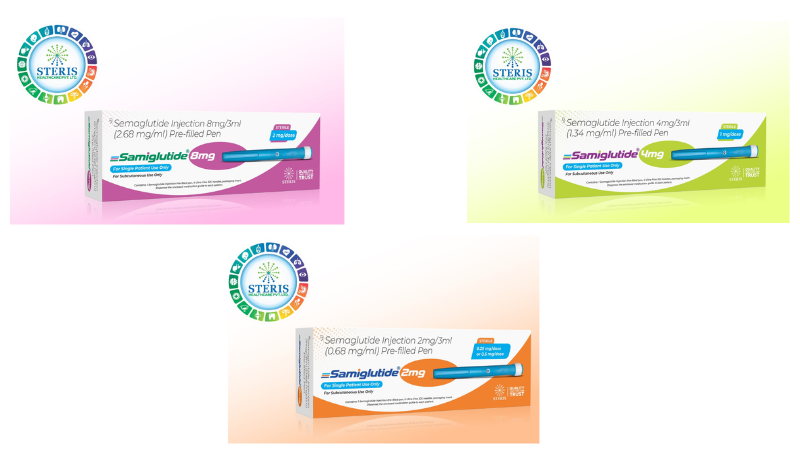
Where to Buy Semaglutide Injection in India: Price, Pen & Prescription Guide
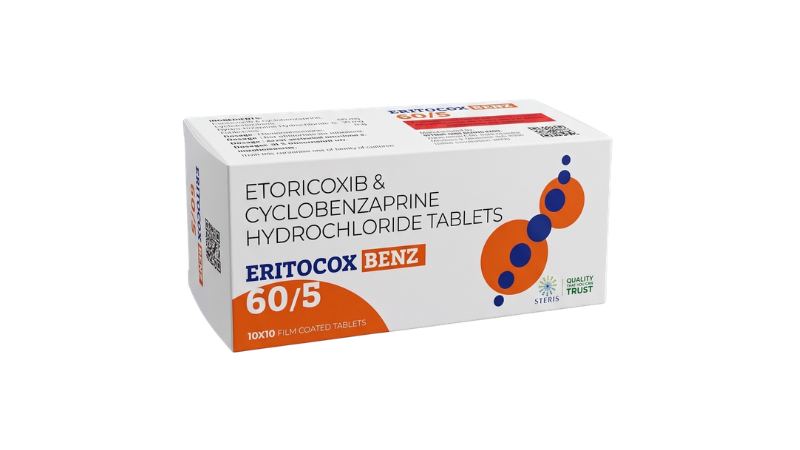
ERITOCOX BENZ 60/5 Dosage Guide: How to Take Etoricoxib & Cyclobenzaprine Tablets Safely
Gabapentin and Methylcobalamin Tablets Side Effects: What Patients Should Know
Thyroxine sodium tablets IP: उपयोग, फायदे और साइड इफेक्ट्स