


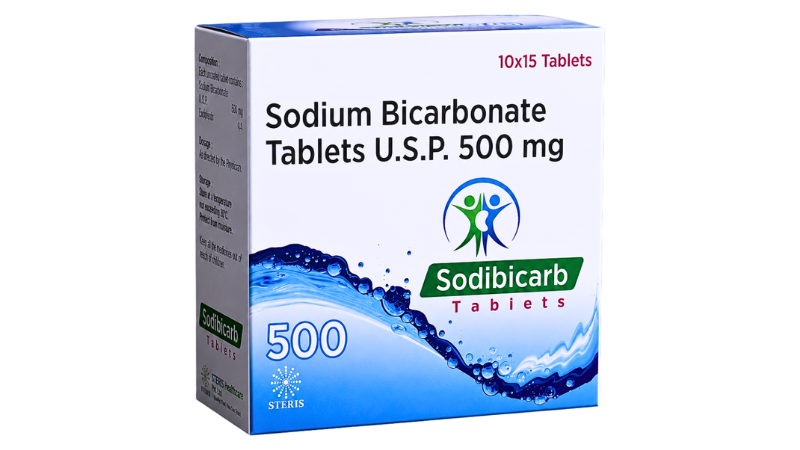



Sodium Bicarbonate (500mg)..
Jun 15, 2023
The human body is a masterpiece of chemical balance. Among all the precision systems that keep us alive and functioning — blood pressure, blood sugar, oxygen levels — perhaps none is more tightly regulated, or more immediately life-threatening when it goes wrong, than blood pH. The body's acid-base balance must be maintained within an extraordinarily narrow range: a blood pH between 7.35 and 7.45. Step outside this range, and cellular function begins to break down. Move far outside it, and life itself is threatened.
Yet for millions of people in India and globally — patients with chronic kidney disease, metabolic acidosis, renal tubular acidosis, or recurrent urinary tract infections — maintaining this critical balance requires pharmacological support. And for others dealing with the everyday burden of hyperacidity, heartburn, and gastric discomfort, the right alkalinizing agent provides swift, dependable relief.
Sodium Bicarbonate is one of medicine's oldest, most versatile, and most scientifically validated therapeutic molecules. It has been used in clinical medicine for well over a century, and yet its importance in modern nephrology, metabolic medicine, and gastroenterology has never been greater. With SODIBICARB 500, manufactured by Steris Healthcare Pvt Ltd, patients now have access to a precisely formulated 500mg Sodium Bicarbonate tablet — manufactured to pharmaceutical quality standards — that delivers this essential alkalinizing therapy with consistency, accuracy, and reliability.
This comprehensive guide covers everything patients, caregivers, and healthcare professionals need to know about Sodium Bicarbonate 500mg — the science behind it, its clinical applications, correct dosage, side effects, drug interactions, and why SODIBICARB 500 by Steris Healthcare is the quality-assured choice for acid-base management and metabolic health.
What Is Sodium Bicarbonate? Understanding the Molecule
Sodium Bicarbonate — chemical formula NaHCO₃ — is an alkaline salt that has been recognized for its therapeutic properties for well over 200 years. It is the same compound found in baking soda, but when formulated as a pharmaceutical-grade tablet at a precise 500mg dose, it becomes a serious clinical tool for managing some of the most important and complex conditions in nephrology, metabolic medicine, emergency care, and gastroenterology.
On the World Health Organization (WHO) List of Essential Medicines — the global benchmark for medicines considered most critical to a functioning health system — Sodium Bicarbonate holds a place precisely because of its irreplaceable role in metabolic acidosis management and renal health. This is not a supplement or a naturopathic remedy. It is a core pharmaceutical agent backed by decades of clinical evidence and prescribed by nephrologists, endocrinologists, emergency medicine physicians, and gastroenterologists worldwide.
SODIBICARB 500 delivers Sodium Bicarbonate at 500mg per tablet — the standard unit dose used in oral alkalinization therapy, allowing precise dosing and flexible titration under physician supervision for the full range of clinical conditions where Sodium Bicarbonate is indicated.
How Does Sodium Bicarbonate Work? The Science of Acid-Base Balance
To understand why SODIBICARB 500 works so effectively across such a wide range of conditions, you need to understand the fundamental chemistry of acid-base balance in the human body.
Blood pH and the Buffer System
The body's blood pH is maintained between 7.35 and 7.45 — a slightly alkaline range. The primary buffer system responsible for this tight regulation is the bicarbonate-carbonic acid buffer system, which operates according to the following chemical equation:
CO₂ + H₂O ⇌ H₂CO₃ ⇌ H⁺ + HCO₃⁻
In plain terms: carbon dioxide (CO₂) produced by cellular metabolism combines with water to form carbonic acid (H₂CO₃), which then dissociates into hydrogen ions (H⁺, which make things acidic) and bicarbonate ions (HCO₃⁻, which neutralize acid).
The lungs regulate CO₂ levels through breathing rate. The kidneys regulate bicarbonate levels — excreting excess bicarbonate when too alkaline, and reabsorbing or generating new bicarbonate when too acidic.
What Happens in Metabolic Acidosis?
Metabolic acidosis occurs when there is too much acid in the body — either from excess acid production, inadequate acid excretion (as in kidney disease), or loss of bicarbonate. Blood pH drops below 7.35, and bicarbonate levels fall below the normal 22–26 mEq/L range.
This has serious consequences across every organ system — protein breakdown accelerates, bone demineralization occurs, insulin resistance worsens, heart function is impaired, and kidney disease progression is dramatically accelerated. In severe acidosis, cardiovascular collapse can occur.
How Sodium Bicarbonate Corrects This
When SODIBICARB 500 is taken orally, the sodium bicarbonate dissociates in the digestive system and is absorbed into the bloodstream as sodium and bicarbonate ions. The bicarbonate ions directly supplement the body's depleted bicarbonate buffer, neutralizing excess hydrogen ions according to the reaction:
H⁺ + HCO₃⁻ → H₂CO₃ → CO₂ + H₂O
The resulting carbonic acid immediately breaks down into carbon dioxide (exhaled through the lungs) and water — a clean, physiological buffering process that raises blood pH and restores the acid-base equilibrium.
This mechanism is direct, physiologically elegant, and clinically proven — which is why Sodium Bicarbonate remains an irreplaceable tool in metabolic medicine despite decades of pharmaceutical innovation.
SODIBICARB 500 — Complete Clinical Uses
1. Chronic Kidney Disease (CKD) — Metabolic Acidosis Management
This is the single most important and most widely prescribed use of oral Sodium Bicarbonate tablets in clinical medicine today. Chronic Kidney Disease is one of India's most significant public health crises — affecting an estimated 17% of the Indian adult population across all stages, with a rapidly growing burden driven by the epidemic of diabetes, hypertension, and obesity.
One of the most clinically important but frequently underdiagnosed complications of CKD is metabolic acidosis. As kidney function declines — measured by eGFR (estimated Glomerular Filtration Rate) — the kidneys progressively lose their ability to excrete the acid load generated by normal metabolism. This results in a state of chronic, often mild to moderate metabolic acidosis that develops insidiously in most CKD Stage 3–5 patients.
The clinical consequences of untreated CKD-related metabolic acidosis are severe and now well-established in nephrological literature:
Accelerated CKD progression: Acidosis directly stimulates the production of ammonia in the kidney — a compensatory mechanism that unfortunately activates complement and triggers interstitial inflammation, accelerating nephron loss and CKD progression. Multiple clinical studies, including the landmark de Brito-Ashurst et al. (2009) trial published in the Journal of the American Society of Nephrology, demonstrated that correction of acidosis with Sodium Bicarbonate supplementation significantly slowed the rate of CKD progression and reduced the rate of patients reaching end-stage renal disease (ESRD) — a remarkable finding that transformed nephrology practice.
Protein catabolism and muscle wasting: Metabolic acidosis activates the ubiquitin-proteasome proteolytic pathway — the cellular machinery that breaks down muscle protein. CKD patients with uncorrected acidosis progressively lose muscle mass (sarcopenia), leading to frailty, weakness, and impaired quality of life. Bicarbonate supplementation with SODIBICARB 500 reverses this protein catabolism, helping preserve muscle mass in CKD patients.
Bone demineralization: The skeleton acts as a buffer reserve — releasing calcium carbonate and calcium phosphate from bone to neutralize chronic acid excess. This process causes osteoporosis, increased fracture risk, and the bone disease called renal osteodystrophy in CKD patients. Correcting acidosis with Sodium Bicarbonate protects bone mineral density.
Insulin resistance: Metabolic acidosis worsens insulin resistance — directly relevant for the majority of Indian CKD patients who have diabetes as the underlying cause of their kidney disease.
Hormonal effects: Acidosis impairs the action of growth hormone and IGF-1, contributing to poor nutritional status and growth failure in children with CKD.
For all these reasons, the Kidney Disease Improving Global Outcomes (KDIGO) guidelines — the international standard for CKD management — recommend maintaining serum bicarbonate levels at ≥ 22 mEq/L in CKD patients, with oral Sodium Bicarbonate supplementation as the primary intervention when levels fall below this threshold.
SODIBICARB 500 is the clinical tool nephrologists use to achieve this goal — titrating the dose to bring serum bicarbonate levels into the target range and keep them there long-term.
2. Renal Tubular Acidosis (RTA)
Renal Tubular Acidosis is a group of disorders in which the kidney tubules fail to acidify the urine normally — leading to metabolic acidosis despite relatively preserved overall kidney filtration. It can be primary (genetic) or secondary to conditions like Sjögren's syndrome, multiple myeloma, lupus, certain medications (amphotericin B, tenofovir), or heavy metal toxicity.
Oral Sodium Bicarbonate is the cornerstone treatment for Type 1 (distal) and Type 2 (proximal) RTA — replacing the bicarbonate the kidneys fail to retain or generate. In Type 2 (proximal) RTA, which involves bicarbonate wasting in the proximal tubule, very large doses of Sodium Bicarbonate may be required because much of what is replaced is lost in the urine before correction can be achieved.
SODIBICARB 500 provides the precise, measured dosing necessary for RTA management — with the flexibility to titrate upward as required for proximal RTA.
3. Urine Alkalinization — Recurrent Urinary Tract Infections and Uric Acid Nephrolithiasis
The pH of urine plays a critical role in the solubility of various compounds in the urinary tract. Alkalinizing the urine with SODIBICARB 500 has important therapeutic applications:
Recurrent UTI symptomatic relief: Acidic urine worsens the burning dysuria (painful urination) associated with UTIs. Alkalinizing urine with Sodium Bicarbonate reduces the acid irritation on the inflamed urothelium, providing significant symptomatic relief of burning and frequency while antibiotic treatment takes effect. This makes SODIBICARB 500 a useful adjunct to antibiotic therapy in UTI management.
Uric acid nephrolithiasis (kidney stones): Uric acid kidney stones form preferentially in acidic urine — uric acid is highly soluble at alkaline pH but crystallizes at pH below 5.5. By alkalinizing the urine to a pH of 6.0–6.5, oral Sodium Bicarbonate prevents the formation of new uric acid stones and can actually dissolve existing small uric acid stones over time. This is particularly relevant in hyperuricemic patients (those with gout) and in patients with diabetes-related acidic urine.
Cystinuria management: Cystine stones form in acidic urine. Urine alkalinization with Sodium Bicarbonate is used as part of the management strategy in patients with cystinuria.
Drug excretion enhancement: In certain poisoning situations — particularly aspirin (salicylate) overdose — urine alkalinization with Sodium Bicarbonate significantly enhances renal excretion of the acidic drug, reducing systemic toxicity.
4. Hyperacidity, Heartburn, and Dyspepsia — Gastric Acid Neutralization
The oldest and most familiar use of Sodium Bicarbonate is for the relief of gastric hyperacidity — excess stomach acid causing the burning sensation of heartburn, acid indigestion, and dyspepsia (upper abdominal discomfort).
When SODIBICARB 500 reaches the stomach, the bicarbonate immediately reacts with hydrochloric acid (HCl) to produce carbon dioxide gas, water, and sodium chloride:
NaHCO₃ + HCl → NaCl + H₂O + CO₂
This neutralization reaction raises gastric pH rapidly — within 15–30 minutes of ingestion — providing quick relief from the burning discomfort of hyperacidity. The carbon dioxide produced is eructated (belched) — the familiar "burping" that accompanies antacid use.
SODIBICARB 500 is used for:
- Acute heartburn and acid reflux symptoms
- Indigestion after heavy meals
- Dyspepsia and stomach discomfort
- As an adjunct to other acid-suppressing therapy (PPIs, H2 blockers) for breakthrough symptoms
It is important to note that while Sodium Bicarbonate provides rapid, effective symptomatic relief of acidity, it is not a long-term solution for conditions like GERD, peptic ulcer disease, or H. pylori infection — these require specific medical management with PPIs, H2 blockers, and antibiotics as appropriate.
5. Gout Management — Adjunctive Uric Acid Lowering
In gout, uric acid crystals deposit in joints and soft tissues, causing the characteristic exquisitely painful gouty arthritis attacks. Uric acid is more soluble at higher pH levels — both in blood and urine. Maintaining an alkaline urine pH with SODIBICARB 500 promotes renal excretion of uric acid, reduces the risk of uric acid kidney stone formation (a common complication of gout), and complements uric acid-lowering medications like allopurinol and febuxostat.
6. Emergency Medicine — Cardiac Arrest and Severe Acidosis
In emergency medicine and critical care settings, intravenous Sodium Bicarbonate is used for:
- Severe metabolic acidosis in critically ill patients
- Cardiac arrest with prolonged resuscitation where severe acidosis impairs the response to defibrillation and epinephrine
- Tricyclic antidepressant (TCA) overdose — sodium bicarbonate is the specific antidote mechanism for TCA-induced cardiac toxicity, as alkalinization reverses sodium channel blockade
- Hyperkalemia (life-threatening high potassium) — driving potassium into cells acutely
- Rhabdomyolysis — alkalinizing the urine to prevent myoglobin-induced acute kidney injury
While the oral SODIBICARB 500 tablet form is used for chronic conditions, understanding Sodium Bicarbonate's role in emergency medicine underscores the molecular importance of this essential compound.
7. Metabolic Acidosis in Type 2 Diabetes
Patients with Type 2 Diabetes are at increased risk of metabolic acidosis through several mechanisms — including diabetic nephropathy (CKD-associated acidosis), lactic acidosis risk with certain medications, and the acidic metabolic environment of poorly controlled diabetes itself. Correcting acidosis with oral Sodium Bicarbonate in diabetic patients with CKD has been shown to improve insulin sensitivity, reduce protein catabolism, and slow renal progression — making SODIBICARB 500 a particularly important adjunct in the management of diabetic nephropathy.
Dosage Guide — How SODIBICARB 500 Is Used in Clinical Practice
Sodium Bicarbonate dosing is individualized based on the clinical indication, the degree of acidosis (measured by serum bicarbonate levels), and the patient's kidney function, blood pressure, and sodium load tolerance. The following represents standard clinical guidance:
CKD-Related Metabolic Acidosis
- Starting dose: SODIBICARB 500 — 500mg to 1000mg (1–2 tablets) two to three times daily
- Target: Serum bicarbonate ≥ 22 mEq/L
- Titration: Dose is adjusted every 4–8 weeks based on repeat serum bicarbonate measurements
- Monitoring: Serum bicarbonate, sodium, potassium, and blood pressure at each follow-up
- Typical maintenance: 1–4 grams daily in divided doses (2–8 tablets of SODIBICARB 500), titrated to achieve and maintain target bicarbonate
Renal Tubular Acidosis (Type 1 — Distal)
- Dose: 1–4 mEq/kg/day, equivalent to approximately 1–4 grams (2–8 tablets of SODIBICARB 500) daily in divided doses
- Children with RTA may require higher mg/kg doses — under pediatric nephrology supervision
Renal Tubular Acidosis (Type 2 — Proximal)
- Dose: Significantly higher — up to 10–15 mEq/kg/day in divided doses — because of ongoing bicarbonate wasting. This is a specialist-managed regimen.
Urine Alkalinization (UTI Symptomatic Relief / Uric Acid Stones)
- Dose: SODIBICARB 500 — 1–2 tablets (500mg–1000mg) three times daily for symptomatic UTI relief, typically for 3–7 days alongside antibiotic therapy
- For uric acid stone prevention: Ongoing use as per urologist/nephrologist guidance to maintain urine pH 6.0–6.5
Hyperacidity and Heartburn
- Dose: 1–2 tablets (500mg–1000mg) as needed when symptoms occur, up to 3–4 times daily
- Not recommended for regular long-term daily use for acid symptoms — if symptoms are frequent, see a gastroenterologist for definitive management
Critical Dosing Instructions for SODIBICARB 500
Take with water: Always take SODIBICARB 500 with a full glass of water to aid dissolution and absorption and reduce gastrointestinal irritation.
Timing for antacid use: For heartburn relief, take 1–2 hours after meals or when symptoms occur. Avoid taking immediately before bed to prevent nighttime regurgitation of CO₂ in recumbent position.
Consistency for CKD patients: For nephrology indications, take at evenly spaced intervals throughout the day to maintain consistent blood levels of bicarbonate and stable blood pH throughout the 24-hour period.
Avoid with certain medications: Never take Sodium Bicarbonate at the same time as other medications — it can alter the absorption of many drugs by changing gastric and intestinal pH. Space other medications by at least 1–2 hours.
Never self-increase dose: More Sodium Bicarbonate is not always better. Excess bicarbonate causes metabolic alkalosis, fluid retention, and can dangerously affect potassium and calcium levels. Dose must always be guided by laboratory monitoring.
Side Effects of SODIBICARB 500 — What to Know
Common Side Effects
Flatulence and belching: The CO₂ produced during the acid-neutralizing reaction in the stomach is released as gas — producing belching (eructation). This is harmless but can be uncomfortable, particularly with higher doses.
Bloating and abdominal discomfort: Gas accumulation in the upper GI tract can cause a sensation of fullness and bloating, especially if taken quickly or with carbonated drinks.
Nausea: Mild nausea may occur, particularly at higher doses. Taking the tablet with food reduces this.
Increased thirst: The sodium component of Sodium Bicarbonate increases thirst — drink adequate water to compensate.
Clinically Important Side Effects With Higher Doses or Long-Term Use
Sodium loading and fluid retention: Each 500mg tablet of Sodium Bicarbonate contains approximately 6 mEq (138mg) of sodium. In patients with heart failure, hypertension, or edema, the sodium load from Sodium Bicarbonate therapy requires careful monitoring. Fluid retention, peripheral edema, and worsening hypertension can occur if sodium load is not carefully managed.
Metabolic alkalosis (over-alkalinization): Excessive Sodium Bicarbonate causes blood pH to rise above 7.45 — metabolic alkalosis. Symptoms include muscle cramps, tetany (involuntary muscle contractions), confusion, weakness, nausea, and in severe cases, cardiac arrhythmias. This is why dose titration based on serial serum bicarbonate measurements is essential.
Hypokalemia (low potassium): Alkalosis shifts potassium from the blood into cells, potentially causing hypokalemia — which can cause muscle weakness, cramps, and cardiac arrhythmias. Potassium levels should be monitored during bicarbonate therapy.
Hypocalcemia: Alkalosis reduces the ionized (active) fraction of calcium in the blood. In susceptible patients, this can cause tingling around the mouth, muscle cramps, or tetany.
Worsening edema in heart failure: The sodium content may worsen fluid retention in patients with congestive heart failure — this population requires very careful dose management or alternative alkalinizing agents.
Rare Side Effects
Milk-Alkali Syndrome: The simultaneous consumption of large amounts of calcium (dairy products, calcium supplements) with Sodium Bicarbonate can rarely cause a syndrome of hypercalcemia, alkalosis, and kidney injury. Avoid taking large calcium doses alongside high-dose Sodium Bicarbonate therapy.
Intracranial hemorrhage risk with rapid IV use: Relevant only to intravenous use in emergency settings — not applicable to oral SODIBICARB 500 tablet use.
Important Precautions — Who Needs Special Care?
Patients With Hypertension
The sodium content of SODIBICARB 500 can contribute to elevated blood pressure in sodium-sensitive individuals. Blood pressure should be monitored more frequently when initiating or increasing Sodium Bicarbonate therapy. Dietary sodium restriction may need to be intensified to compensate for the therapeutic sodium load.
Patients With Heart Failure
Patients with congestive heart failure are particularly sensitive to sodium loading — even modest increases in sodium intake can precipitate acute decompensation (fluid overload, worsening breathlessness, edema). Sodium Bicarbonate must be used with great caution in this population, under close cardiologist and nephrologist co-management.
Patients With Edema or Cirrhosis
Fluid-retaining conditions in general require cautious use of sodium-containing medications including Sodium Bicarbonate.
Pregnant and Breastfeeding Women
Sodium Bicarbonate can be used cautiously in pregnancy for symptomatic heartburn relief, but chronic high-dose use is not recommended due to sodium loading concerns. Sodium bicarbonate passes into breast milk in small amounts. Always consult an obstetrician before use in pregnancy.
Elderly Patients
Elderly patients are more sensitive to sodium loading, fluid retention, and electrolyte disturbances. More frequent monitoring of electrolytes, blood pressure, and renal function is recommended.
Patients on Sodium-Restricted Diets
If your physician has advised a strict low-sodium diet for any reason (hypertension, heart failure, CKD), account for the sodium contribution of SODIBICARB 500 in your total daily sodium intake.
Critical Drug Interactions — What to Tell Your Doctor
Sodium Bicarbonate alters the pH of both the stomach and urine, affecting the absorption and excretion of many medications. These interactions require careful management.
Drugs Whose Absorption Is Reduced by Sodium Bicarbonate
Because Sodium Bicarbonate raises gastric pH, drugs that require an acidic environment for optimal absorption may be significantly reduced:
- Ketoconazole and Itraconazole (antifungals): Require acidic pH for dissolution — Sodium Bicarbonate can reduce their absorption by 40–75%
- Iron supplements: Ferrous sulfate and other oral iron preparations are better absorbed in acidic conditions
- Certain antiretrovirals (atazanavir, rilpivirine): Require gastric acid for absorption
- Tetracycline antibiotics: Avoid concurrent use
Clinical rule: Space SODIBICARB 500 at least 2 hours before or after these medications.
Drugs Whose Effects Are Altered by Urine Alkalinization
Lithium: Alkaline urine increases lithium excretion, potentially reducing lithium blood levels and therapeutic efficacy. Patients on lithium for bipolar disorder require more frequent lithium level monitoring during Sodium Bicarbonate therapy.
Aspirin and Salicylates: Alkaline urine increases excretion of aspirin — this is therapeutically used in aspirin overdose management but reduces aspirin effect when therapeutic doses are used. Relevant for patients on low-dose aspirin for cardiovascular protection.
Amphetamines and certain sympathomimetics: Urine alkalinization reduces their renal excretion, potentially increasing their blood levels and effects.
Quinidine, Flecainide (antiarrhythmics): Excretion reduced in alkaline urine — potential for increased drug levels.
Methotrexate: Urine alkalinization is actually used therapeutically with high-dose Methotrexate to prevent nephrotoxicity — this is an intentional therapeutic interaction used in oncology settings.
Important Co-administration Restrictions
Calcium supplements: Risk of Milk-Alkali syndrome at high doses — avoid simultaneous large-dose combination.
Antacids containing Aluminium and Magnesium: Concurrent use with Sodium Bicarbonate can increase aluminium absorption — caution in CKD patients where aluminium accumulates.
ACE Inhibitors and ARBs: Monitor potassium closely — alkalosis-induced hypokalemia may interact with renal potassium retention by these drugs.
SODIBICARB 500 vs Other Alkalinizing Agents — Understanding the Options
| Feature | Sodium Bicarbonate (SODIBICARB 500) | Sodium Citrate | Potassium Citrate |
|---|---|---|---|
| Alkalinizing agent | Bicarbonate ion | Citrate (metabolized to bicarbonate) | Citrate (metabolized to bicarbonate) |
| Sodium content | Yes (6 mEq/500mg tablet) | Yes | No |
| Potassium content | No | No | Yes (beneficial if low potassium) |
| Taste / palatability | Salty, mildly alkaline | More palatable (liquid) | Better tolerated (liquid/tablet) |
| Preferred in hypokalemia | No | No | Yes |
| Preferred in hyperkalemia | Yes | Yes | Avoid |
| Cost | Low | Moderate | Moderate |
| Tablet formulation | Yes (SODIBICARB 500) | Liquid/granules | Liquid/tablet |
| Guideline recommendation in CKD | First-line | Alternative | Preferred if low K⁺ |
| Availability in India | Widely available | Limited | Limited |
Sodium Bicarbonate remains the most widely available, most extensively studied, and most cost-effective oral alkalinizing agent for CKD metabolic acidosis management in India — which is why it is the agent of choice in most Indian nephrology practices and is recommended in KDIGO guidelines as the primary intervention.
SODIBICARB 500 by Steris Healthcare — Why Quality Manufacturing Matters
In a medication prescribed for long-term chronic disease management — where patients may take multiple tablets daily for months or years — pharmaceutical quality and consistency are not optional. They are foundational.
Steris Healthcare Pvt Ltd manufactures SODIBICARB 500 with the quality standards that chronic disease management demands.
GMP-Certified Manufacturing
SODIBICARB 500 is manufactured under Schedule M Good Manufacturing Practice (GMP) guidelines as mandated by the Central Drugs Standard Control Organisation (CDSCO) — India's national drug regulatory authority. Every batch undergoes rigorous in-process quality checks and final product testing before release, including:
- Content uniformity testing — ensuring every tablet contains exactly 500mg of Sodium Bicarbonate
- Dissolution testing — verifying the tablet dissolves and releases at the correct rate for optimal absorption
- Stability testing — confirming potency and purity throughout the stated shelf life
- Microbial testing — ensuring pharmaceutical-grade purity
Precise Tablet Weight and Content Uniformity
The therapeutic dose in metabolic acidosis management is carefully calculated by nephrologists based on the patient's actual serum bicarbonate deficit. A tablet that delivers 480mg instead of 500mg is not a trivial shortfall — it represents a 4% under-dosing that, multiplied across multiple daily doses over months, can mean the difference between achieving and missing the target serum bicarbonate. Steris Healthcare's manufacturing precision ensures content uniformity that clinicians and patients can rely on.
Stable Formulation
Sodium Bicarbonate is chemically reactive — it can lose potency through moisture absorption and CO₂ release if improperly formulated or stored. Steris Healthcare's tablet formulation and packaging are engineered to protect the active ingredient through the stated shelf life, ensuring the tablet the patient takes on day 180 of their prescription works as effectively as the one taken on day 1.
Affordable Long-Term Therapy
CKD metabolic acidosis management is not a short course — it is lifelong therapy for many patients. Steris Healthcare's competitive pricing for SODIBICARB 500 means that patients can sustain the long-term treatment their kidney health demands without prohibitive financial burden. Accessible pricing is not a commercial consideration alone — it is a clinical imperative when non-adherence due to cost is a leading cause of CKD progression in India.
Prescriber Confidence Through Consistent Quality
The nephrologists, urologists, and general physicians who prescribe Steris Healthcare products do so with the confidence that comes from a pharmaceutical manufacturer with a track record of consistent quality, reliable supply chain management, and regulatory compliance. In a medication prescribed for serious chronic disease, prescriber confidence in the brand is earned — and Steris Healthcare has earned it.
Monitoring Protocol — What to Watch While Taking SODIBICARB 500
Long-term Sodium Bicarbonate therapy requires systematic monitoring to ensure efficacy and safety:
Serum Bicarbonate: The primary efficacy parameter — measure every 1–3 months until stable target achieved, then every 3–6 months. Target ≥ 22 mEq/L for CKD.
Serum Sodium: Monitor for hypernatremia (excess sodium) from the sodium load — particularly in patients with limited fluid intake.
Serum Potassium: Alkalosis shifts potassium into cells — monitor for hypokalemia and supplement if needed.
Blood Pressure: Sodium loading can raise blood pressure — monthly monitoring is recommended, especially in hypertensive patients.
Serum Calcium (ionized): Alkalosis reduces ionized calcium — relevant in patients with parathyroid disorders or those on calcium supplementation.
Renal Function (eGFR, creatinine): Regular monitoring to assess CKD progression trajectory and adjust dose as kidney function changes.
Body Weight: Fluid retention from sodium loading can manifest as weight gain — monitor fortnightly in heart failure patients.
Final Thoughts — Restore Balance With SODIBICARB 500
Metabolic acidosis in CKD is not a minor biochemical abnormality to be observed and documented. It is an active, treatable pathological process that accelerates kidney destruction, wastes muscle, dissolves bone, and worsens every comorbidity the patient carries. Correcting it with oral Sodium Bicarbonate is one of the highest-impact, most cost-effective interventions in all of nephrology.
Beyond CKD, the clinical reach of SODIBICARB 500 extends to renal tubular acidosis, uric acid kidney stones, urinary tract infection symptom relief, gout management, and the everyday relief of gastric hyperacidity — making it one of the most versatile and essential medicines in the pharmacopoeia.
SODIBICARB 500, manufactured by Steris Healthcare Pvt Ltd to rigorous GMP standards, delivers this essential therapeutic molecule with the pharmaceutical precision, content consistency, and long-term stability that chronic disease management demands. For the nephrologist prescribing it, it is a clinically reliable tool. For the patient taking it, it is the tablet that is quietly working every day to protect their kidneys, preserve their muscles, maintain their bones, and restore the chemical balance that keeps their body functioning.
If your nephrologist or physician has prescribed SODIBICARB 500, take it exactly as directed, at the correct intervals, with adequate water, and attend your follow-up blood tests without fail. The laboratory numbers — particularly your serum bicarbonate level — are the proof that the treatment is working.
Because when the body's chemical balance is restored, everything works better. And with SODIBICARB 500 by Steris Healthcare, restoring that balance is precise, reliable, and accessible.
Frequently Asked Questions About SODIBICARB 500
Q: How is SODIBICARB 500 different from baking soda I buy in a grocery store? Both are Sodium Bicarbonate — the same molecule. However, pharmaceutical-grade Sodium Bicarbonate in SODIBICARB 500 is manufactured to strict purity, content uniformity, and stability standards that food-grade baking soda is not required to meet. Pharmaceutical tablets also deliver a precise, measured dose — unlike an imprecise pinch or spoon of baking soda. For clinical conditions like CKD, where precise dosing and dose titration based on blood tests are essential, pharmaceutical-grade SODIBICARB 500 is the only appropriate form.
Q: How long will I need to take SODIBICARB 500 for CKD? For CKD-related metabolic acidosis, treatment is typically lifelong — as long as kidney function remains impaired. The goal is to maintain serum bicarbonate at ≥ 22 mEq/L indefinitely to protect kidneys, bones, and muscles from the consequences of acidosis. Your nephrologist will monitor and adjust the dose at each follow-up.
Q: Can SODIBICARB 500 reverse kidney damage? Sodium Bicarbonate cannot reverse existing kidney damage, but clinical evidence shows it can significantly slow the progression of CKD — reducing the rate of further nephron loss and delaying the need for dialysis. This is clinically meaningful — even slowing progression by 30–50% translates to years of better quality of life before dialysis becomes necessary.
Q: Can I take SODIBICARB 500 if I am on a low-sodium diet for hypertension? You should inform your nephrologist about your sodium restriction before starting SODIBICARB 500. Your nephrologist will calculate whether the sodium contribution from the required Sodium Bicarbonate dose is clinically acceptable within your overall sodium management plan. Dietary sodium restriction elsewhere may need to be intensified to accommodate the therapeutic sodium load.
Q: Can SODIBICARB 500 be taken by diabetic patients? Yes — it contains no sugars and does not affect blood glucose directly. In fact, for diabetic CKD patients with metabolic acidosis, correcting the acidosis with SODIBICARB 500 has been shown to improve insulin sensitivity. Consult your nephrologist and diabetologist for integrated management.
Q: What does it mean if my serum bicarbonate is 18 mEq/L? A serum bicarbonate of 18 mEq/L is significantly below the normal range (22–26 mEq/L) and below the KDIGO target of ≥ 22 mEq/L for CKD patients. This level of acidosis requires active treatment — typically with oral Sodium Bicarbonate supplementation (SODIBICARB 500) titrated to achieve and maintain the target range. Consult your nephrologist promptly if this is your result.
Q: Is SODIBICARB 500 safe for children with renal tubular acidosis? Sodium Bicarbonate is commonly used in children with RTA under pediatric nephrology supervision. Doses are calculated by weight (mEq/kg/day). SODIBICARB 500 tablets can be used in older children; younger children or infants may require liquid formulations. Always under specialist guidance.
Recent Post
Itopride Hydrochloride Uses: What It Treats and How It Works
Glimepiride 0.5 mg + Voglibose 0.2 mg + Metformin SR 500 mg | Steris Healthcare
Trimetazidine Hydrochloride Modified Release Tablets 35 mg Uses, Benefits

EUROSOFT MOSQUITO SHIELD
Olmesartan and Metoprolol: Uses, Benefits, Dosage & Side Effects | Steris Healthcare
Tofacitinib 11 mg Tablets: A Complete Guide to Uses and Side Effects
Olmesartan Medoxomil + Metoprolol Succinate: Uses, Dosage
Torsemide 100 mg: Uses, Dosage, Side Effects, and Precautions
How Streptococcus Thermophilus Supports Digestive Health
Olmesartan Medoxomil + Metoprolol Succinate: Uses, Benefits & Side Effects