





Semaglutide Injection: Uses, Benefits, Dosage, Side Effects & Price
Aug 25, 2026
What Is Semaglutide Injection Used For?
The uses of semaglutide injection depend on the specific formulation, regulatory approval, patient characteristics and prescription.
One important use is the treatment of adults with insufficiently controlled type 2 diabetes mellitus, alongside diet and exercise. Indian CDSCO documentation from January 2026 describes regulatory recommendations concerning semaglutide injection strengths of 2 mg/3 mL, 4 mg/3 mL and 8 mg/3 mL for this indication.
Depending on the specific semaglutide product and its approved indication, semaglutide may also be used for chronic weight management in eligible patients. However, not every semaglutide injection strength or brand is automatically approved for every indication.
Semaglutide Injection for Type 2 Diabetes
Type 2 diabetes is a chronic metabolic condition in which the body does not use insulin effectively and, over time, may also produce insufficient insulin.
Semaglutide can be prescribed when additional glucose-lowering therapy is appropriate. Depending on the treatment plan, it may be used alone when other medicines such as metformin are inappropriate, or alongside other diabetes medicines.
The Indian regulatory record cited above describes semaglutide injection for adults with inadequately controlled type 2 diabetes as an adjunct to diet and exercise, including monotherapy when metformin is inappropriate because of intolerance or contraindications and use in combination with other diabetes medicines.
Treatment decisions should consider:
- Current HbA1c and blood-glucose levels
- Existing diabetes medicines
- Kidney and liver status
- History of gastrointestinal disease
- History of pancreatitis
- Risk of hypoglycaemia from concomitant medicines
- Pregnancy or plans for pregnancy
- Individual weight and cardiovascular risk factors
- Previous tolerance of GLP-1 receptor agonists
Semaglutide Injection and Weight Management
Semaglutide has attracted substantial interest for weight management because GLP-1 receptor activation can reduce appetite and food intake.
However, weight-management treatment is not simply a matter of purchasing a higher-strength injection. A healthcare professional should determine whether semaglutide is appropriate based on factors such as BMI, associated medical conditions, existing medication, contraindications and the specific regulatory indication of the product.
Importantly, the 4 mg strength should not be interpreted as a recommended single injection dose. The total quantity in a pen or vial can differ from the amount delivered per administration.
For example, the U.S. FDA-approved Wegovy injection labeling uses gradual dose escalation, beginning at 0.25 mg once weekly and increasing at intervals before reaching the maintenance dose appropriate to the indication. The label lists several injection strengths and makes clear that dosage escalation is part of treatment.
Semaglutide Injection 4 mg Dosage
Dosage should always be individualized by the prescribing healthcare professional.
The correct administration depends on:
- Product concentration
- Pen or syringe design
- Prescribed dose
- Indication
- Previous semaglutide exposure
- Dose-escalation stage
- Patient response
- Medical history
How to Use Semaglutide Injection
The precise administration instructions must come from the product's approved prescribing information and the healthcare professional.
For injectable semaglutide products that are designed for subcutaneous administration, the injection is generally given beneath the skin rather than into a vein or muscle. Depending on the approved device, common subcutaneous injection sites can include the abdomen, thigh or upper arm.
General principles include:
- Wash and dry your hands before handling the injection device.
- Check the product label and expiry date.
- Confirm that the prescribed medicine and strength are correct.
- Inspect the solution according to the product instructions.
- Use the supplied or compatible administration device exactly as instructed.
- Inject only the prescribed dose.
- Rotate injection sites when advised.
- Dispose of needles safely in an appropriate sharps container.
- Store the medicine according to the manufacturer's instructions.
Semaglutide Injection Side Effects
Like other prescription medicines, semaglutide can cause adverse effects. Not everyone experiences them, and severity can vary.
Commonly reported gastrointestinal effects may include:
- Nausea
- Vomiting
- Diarrhoea
- Constipation
- Abdominal discomfort
- Abdominal pain
- Reduced appetite
- Indigestion or dyspepsia
Semaglutide Injection Storage
Storage requirements depend on the exact product and device.
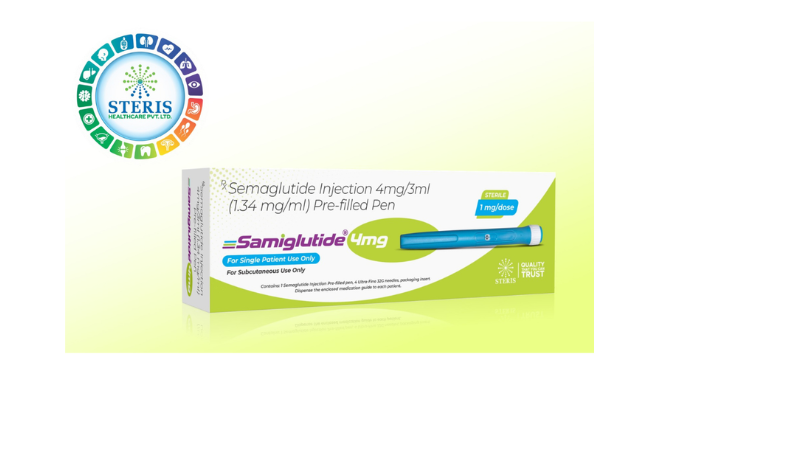
Patients should follow the storage instructions printed on the SAMIGLUTIDE 4 MG packaging and prescribing information.
General precautions include:
- Keep the medicine away from excessive heat.
- Protect it from inappropriate light exposure where specified.
- Do not freeze the medicine unless the approved product information specifically permits it.
- Do not use a product that has been frozen if the instructions say it must not be frozen.
- Keep the medicine out of the reach of children.
- Do not use an expired product.
- Follow the manufacturer's instructions after first use because in-use storage periods can differ from unopened storage conditions.
For medicine purchasers, maintaining the cold-chain requirements during transport and storage is particularly important when the specific formulation requires refrigeration.
Semaglutide Injection 4 mg vs Other Semaglutide Strengths
Searching for semaglutide online can be confusing because different products may contain different concentrations and may use different dose-delivery systems.
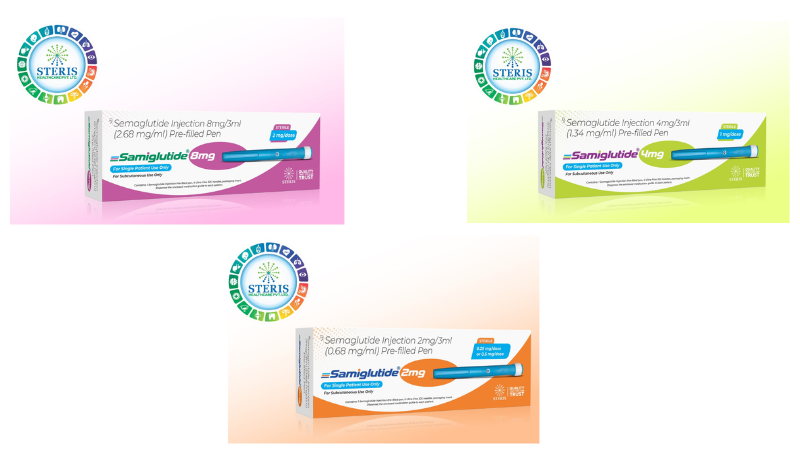
For example, Indian CDSCO documents have referenced semaglutide injection formulations including 2 mg/3 mL, 4 mg/3 mL and 8 mg/3 mL.
This means that two products can have different total amounts of semaglutide while delivering different prescribed doses.
Therefore, strength, concentration and delivered dose are three concepts that should not be treated as identical.
Patients should never compare products solely by the number printed next to “mg.” Instead, compare the complete product information, including:
- Total drug content
- Concentration
- Dose delivered per administration
- Device
- Indication
- Approved dosing schedule
- Manufacturer
- Regulatory status
- Storage requirements
Why Medical Supervision Matters With Semaglutide
Semaglutide is a potent prescription medicine rather than an ordinary dietary supplement.
Medical supervision helps ensure that:
- The indication is appropriate.
- The starting dose is appropriate.
- Dose escalation is gradual when required.
- Blood glucose is monitored.
- Other diabetes medicines are adjusted when necessary.
- Adverse effects are identified.
- Dehydration is avoided.
- Kidney function is considered when clinically appropriate.
- Treatment is stopped or changed when necessary.
The current regulatory environment in India also demonstrates that semaglutide products are subject to formulation- and indication-specific evaluation. For example, CDSCO's January 2026 documentation separately records regulatory recommendations for different semaglutide injection formulations and indications.
Frequently Asked Questions
1. What is semaglutide injection?
Semaglutide injection is a GLP-1 receptor agonist medicine used for specific approved indications, including type 2 diabetes management and, for certain products, weight management.
2. What is SAMIGLUTIDE 4 MG?
SAMIGLUTIDE 4 MG is the brand name and product specification provided for a semaglutide injection formulation marketed by Steris Healthcare Pvt. Ltd.
3. How to use semaglutide injection?
Its use depends on the approved product indication and prescription. Semaglutide injections may be used for type 2 diabetes and, depending on the product, weight-management indications.
4. Is semaglutide injection a diabetes medicine?
Yes. Semaglutide is a GLP-1 receptor agonist used in appropriate patients with type 2 diabetes.
5. Is semaglutide the same as insulin?
No. Semaglutide is a GLP-1 receptor agonist. Insulin is a hormone that directly replaces or supplements insulin activity.
6. Is 4 mg the dose I should inject?
Not necessarily. A 4 mg label can refer to the total amount or concentration of a particular product. The prescribed administered dose must be confirmed from the product instructions and healthcare professional.
7. Can semaglutide help with weight loss?
Semaglutide can reduce appetite and food intake and is used for weight management with certain approved formulations and indications. It should not be used for unsupervised cosmetic weight loss.
8. How often is semaglutide injection given?
The dosing frequency depends on the specific product and indication. Some approved semaglutide injections are administered once weekly, but patients must follow the instructions for their particular product.
9. Can I start with a high dose?
No. Semaglutide treatment often involves gradual dose escalation depending on the product and indication. The FDA's current Wegovy injection label, for example, specifies an initial 0.25 mg once-weekly dose followed by escalation.
10. What are common side effects?
Nausea, vomiting, diarrhoea, constipation, abdominal discomfort and reduced appetite are among commonly reported gastrointestinal effects.
11. Can semaglutide cause low blood sugar?
It can contribute to hypoglycaemia risk, particularly when combined with insulin or medicines such as sulfonylureas. Your clinician may need to adjust accompanying medicines.
12. Can I take semaglutide with metformin?
Semaglutide may be prescribed with metformin in appropriate patients. The combination should be determined by a healthcare professional based on the individual's diabetes treatment plan.
13. Can I use semaglutide without diabetes?
Whether semaglutide is appropriate without diabetes depends on the specific approved indication and the patient's clinical circumstances. Some semaglutide formulations have weight-management indications, while others are indicated for diabetes.
14. Where should semaglutide injection be administered?
For products approved for subcutaneous administration, injection sites may include the abdomen, thigh or upper arm, according to the product instructions.
15. Can I inject semaglutide into a vein?
No. Do not administer a subcutaneous semaglutide product intravenously.
16. What happens if I miss a dose?
Missed-dose instructions vary by product. Check the specific prescribing information or contact your healthcare professional rather than automatically taking an extra dose.
17. Does semaglutide require refrigeration?
Storage depends on the exact product. Follow the storage conditions printed on the package and supplied prescribing information.
18. Can I buy semaglutide injection without a prescription?
Semaglutide is a prescription medicine. Patients should obtain and use it through legitimate medical and pharmaceutical channels according to applicable Indian requirements.
19. Can I switch between semaglutide brands?
Do not switch products or strengths independently. Different products can have different concentrations, devices, indications and dose-delivery systems.
20. Is SAMIGLUTIDE 4 MG suitable for everyone?
No. Suitability depends on the patient's diagnosis, medical history, current medicines, contraindications, pregnancy status and the specific approved product indication.
Conclusion
Semaglutide Injection 4 mg – SAMIGLUTIDE 4 MG is a product specification intended for the Indian pharmaceutical market under the manufacturer/marketer information provided above. Because semaglutide products can differ in concentration, device, indication and dosing schedule, accurate interpretation of the package label is essential.
For patients and caregivers, the safest approach is to focus on the prescribed administered dose rather than simply the total milligram strength printed on the pack. For pharmacists and medicine purchasers, complete verification of product identity, regulatory documentation, batch details, storage conditions and supply-chain authenticity should be part of responsible procurement.
SAMIGLUTIDE 4 MG — Semaglutide Injection — Steris Healthcare Pvt. Ltd. should therefore be positioned as a prescription pharmaceutical product with clear, medically responsible information rather than as a self-medication or quick-weight-loss product.
For Further Information:
Mail Us: contact@sterispharma.com or info@sterispharma.com
Call Now: +91 8824175417, +91 9982524671
Recent Post
Semaglutide 4mg vs Pancreatitis Risk: What Doctors Want You to Know
Semaglutide 8mg Injection: Frequently Asked Questions Answered by Experts
Mycophenolate Mofetil 500mg (Mycofortic M 500): Uses, Benefits & Precautions – Complete Guide
What is Bisogard 1.25? Bisoprolol 1.25mg Uses, Dosage & Side Effects Explained

Can Semaglutide Injection Be Used Without Diabetes?
What Are Nintedanib Soft Gelatin Capsules Used For? Complete Guide
Where to Buy Semaglutide Injection in India: Price, Pen & Prescription Guide
ERITOCOX BENZ 60/5 Dosage Guide: How to Take Etoricoxib & Cyclobenzaprine Tablets Safely
Gabapentin and Methylcobalamin Tablets Side Effects: What Patients Should Know
Thyroxine sodium tablets IP: उपयोग, फायदे और साइड इफेक्ट्स

