





Rivaroxaban 20 mg – Blood Thinner Uses, Dosage & Safety Guide
Jul 17, 2026
What is Rivaroxaban 20 mg Used For?
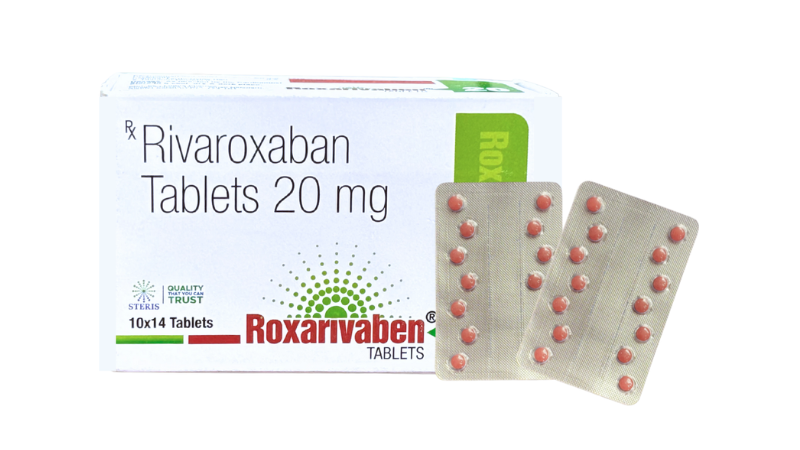
Rivaroxaban 20 mg, is a prescription-only oral anticoagulant that helps stop dangerous blood clots from forming or growing .marketed by Steris Healthcare as ROXARIVABEN 20, is a prescription-only oral anticoagulant (blood thinner) belonging to the Factor Xa inhibitor class. It is primarily prescribed to reduce the risk of stroke and systemic embolism in patients with non-valvular atrial fibrillation, and to treat and prevent the recurrence of deep vein thrombosis (DVT) and pulmonary embolism (PE). Doctors also recommend rivaroxaban 20 mg for patients recovering from certain orthopedic surgeries where the risk of clot formation is significantly elevated.
Sold under the brand name ROXARIVABEN 20 by Steris Healthcare Pvt. Ltd., a WHO-GMP and ISO-certified pharmaceutical manufacturer based in India, this tablet is formulated to deliver consistent anticoagulant activity with once-daily dosing convenience, an important factor in improving long-term patient compliance in chronic conditions like atrial fibrillation.
Clinical Indications at a Glance
| Indication | Purpose of Rivaroxaban 20 mg | Typical Patient Profile |
|---|---|---|
| Non-valvular Atrial Fibrillation (NVAF) | Reduces risk of stroke and systemic embolism | Adults with irregular heart rhythm and additional stroke risk factors |
| Deep Vein Thrombosis (DVT) | Treatment and prevention of recurrence | Patients with a confirmed clot in a deep vein, usually the leg |
| Pulmonary Embolism (PE) | Treatment and prevention of recurrence | Patients with a clot that has travelled to the lungs |
| Post-Orthopedic Surgery | Prevention of venous thromboembolism | Patients recovering from hip or knee replacement (as directed by treating physician) |
Why is Rivaroxaban 20 mg Important?
Blood clots are a leading contributor to strokes, pulmonary embolisms, and other life-threatening cardiovascular events. For people living with atrial fibrillation, the heart's irregular rhythm allows blood to pool and clot inside the heart chambers; if a clot escapes into circulation, it can travel to the brain and cause a stroke. Rivaroxaban 20 mg matters because it directly interrupts the chemical chain reaction that produces these clots, giving patients a proactive, once-daily way to lower a risk that would otherwise sit quietly in the background of daily life.
For patients who have already experienced a DVT or PE, the importance of rivaroxaban is different but equally significant: it is about preventing recurrence. A first clot event substantially raises the chances of a second one, and a second clot can be more dangerous than the first. ROXARIVABEN 20 gives clinicians a predictable, well-studied option to manage that ongoing risk without the frequent blood monitoring that older anticoagulants such as warfarin traditionally required.
This predictability is part of why rivaroxaban is considered important in modern cardiology and vascular medicine — it allows treatment plans to be simpler, which in turn supports better long-term adherence. A medicine that is easier to take consistently is, in practical terms, a medicine that protects patients more reliably over months and years of therapy.
Key Benefits of Rivaroxaban 20 mg
What are the Benefits of ROXARIVABEN 20?
- Once-daily dosing: Unlike some anticoagulants that require multiple doses through the day, rivaroxaban 20 mg is typically taken once daily, simplifying the treatment routine.
- No routine blood monitoring required: Rivaroxaban does not require the frequent INR (International Normalized Ratio) testing that is standard with warfarin, reducing the burden of regular clinic visits.
- Predictable dose response: Because the drug follows a consistent pharmacokinetic profile in most patients, dose adjustments are less frequently needed compared with older anticoagulants.
- Fewer known food interactions: Rivaroxaban has fewer dietary restrictions than vitamin K antagonists, which is a meaningful quality-of-life benefit for patients managing long-term therapy.
- Broad indication coverage: A single strength and formulation supports stroke prevention in atrial fibrillation as well as DVT/PE treatment and prevention, which can simplify prescribing for physicians managing multiple risk factors in one patient.
- Manufactured under strict quality standards: ROXARIVABEN 20 is produced by Steris Healthcare Pvt. Ltd. in WHO-GMP and ISO-certified facilities, supporting consistent tablet quality batch after batch.
Mechanism of Action of Rivaroxaban 20 mg
Understanding how rivaroxaban 20 mg works helps explain why it is prescribed the way it is. Rivaroxaban belongs to a class of medicines known as direct Factor Xa inhibitors.
Factor Xa is a central enzyme in the blood clotting cascade. It sits at the point where the intrinsic and extrinsic clotting pathways converge, and it is responsible for converting prothrombin into thrombin. Thrombin, in turn, is the enzyme that converts fibrinogen into fibrin, the mesh-like protein that forms the structural backbone of a blood clot.
Rivaroxaban 20 mg works by binding directly and selectively to Factor Xa, blocking its activity. By inhibiting Factor Xa, the composition rivaroxaban 20 mg prevents the conversion of prothrombin to thrombin, which in turn reduces fibrin formation and limits the body's ability to form new clots or allow existing ones to grow. Because this inhibition is direct — rather than working indirectly through antithrombin, as heparin does — rivaroxaban's action is considered more predictable across different patients, which supports fixed-dose regimens without the need for routine coagulation monitoring in most cases.
This mechanism is the foundation for all of rivaroxaban's approved uses: whether the goal is preventing a stroke-causing clot in atrial fibrillation or stopping a DVT from extending further up the leg, the underlying action — selective Factor Xa inhibition — remains the same.
Side Effects of Rivaroxaban 20 mg
Like all anticoagulants, rivaroxaban 20 mg carries a risk of side effects, most of which relate to its core function of reducing the blood's ability to clot. Common, generally manageable side effects reported with rivaroxaban include:
- Easy bruising
- Nosebleeds
- Bleeding gums while brushing teeth
- Mild gastrointestinal discomfort, nausea, or indigestion
- Headache or dizziness
- Fatigue or general weakness
- Skin rash or itching in some patients
Most of these effects are related to the drug's anticoagulant action and tend to be mild. However, patients should report any side effect that feels unusual, persistent, or that affects their day-to-day comfort to their prescribing doctor rather than adjusting the dose on their own.
Serious Side Effects of Rivaroxaban 20 mg
Because rivaroxaban reduces clotting, its most serious risk category relates to bleeding events that go beyond minor bruising. Patients and caregivers should seek immediate medical attention if any of the following occur:
- Blood in urine (pink, red, or brown-colored urine)
- Blood in stool or black, tarry stools
- Vomiting blood or material that looks like coffee grounds
- Unusual or heavy menstrual bleeding
- Prolonged bleeding from cuts that does not stop with normal pressure
- Severe headache, sudden vision changes, confusion, or weakness on one side of the body (possible signs of bleeding in the brain)
- Signs of an allergic reaction, such as swelling of the face, lips, or throat, or difficulty breathing
- Unexplained swelling, pain, or discoloration that could indicate internal bleeding
Rivaroxaban also carries a labeled precaution regarding spinal or epidural blood clots (hematoma) in patients undergoing spinal puncture or epidural anesthesia, which can lead to long-term or permanent paralysis if not identified and managed promptly. Patients who are scheduled for any spinal procedure must inform their doctor that they are taking rivaroxaban well in advance.
Available Substitutes for Rivaroxaban 20 mg
Several other anticoagulants are available in the same broad therapeutic category. A doctor may consider one of these as a substitute depending on the patient's specific condition, kidney function, bleeding risk, and other individual factors.
| Substitute Composition | Class | Typical Use Case |
|---|---|---|
| Apixaban | Factor Xa inhibitor | NVAF stroke prevention, DVT/PE |
| Dabigatran etexilate | Direct thrombin inhibitor | NVAF stroke prevention, DVT/PE |
| Edoxaban | Factor Xa inhibitor | NVAF stroke prevention, DVT/PE |
| Warfarin | Vitamin K antagonist | Broad anticoagulation, requires INR monitoring |
| Enoxaparin (injectable) | Low molecular weight heparin | Short-term/hospital-based anticoagulation |
Dosage Guidelines for Rivaroxaban 20 mg
The dosage of rivaroxaban 20 mg must always be determined by a qualified physician based on the specific condition being treated, kidney function, and individual patient risk factors. The following is general reference information and not a substitute for medical advice.
| Condition | Typical Dosing Pattern | Administration Note |
|---|---|---|
| Non-valvular Atrial Fibrillation | Once daily, with the evening meal | Take at the same time each day for consistent absorption |
| DVT/PE Treatment (maintenance phase) | Once daily, with food | Follow the initial higher-dose treatment phase as prescribed |
| DVT/PE Recurrence Prevention (long-term) | Once daily, with food | Duration determined by treating physician |
| Missed dose | Take as soon as remembered on the same day | Do not double the dose to make up for a missed one |
Why is rivaroxaban taken with food?
Taking rivaroxaban 20 mg with a meal, particularly in the evening, improves its absorption and bioavailability, helping the medicine work as intended. This is one reason doctors commonly advise patients to take it at dinner time rather than on an empty stomach.
Patients with kidney impairment, liver disease, or those on other medications that affect bleeding risk (such as NSAIDs, aspirin, or other anticoagulants) may require dose adjustments. Only a treating physician can determine the correct dose and duration for an individual patient.
Precautions & Warnings for Rivaroxaban 20 mg
Patients prescribed rivaroxaban 20 mg should keep the following precautions in mind:
- Do not stop the medicine abruptly without consulting your doctor, as discontinuing an anticoagulant prematurely can raise the risk of stroke or clot formation.
- Inform every treating doctor and dentist that you are on rivaroxaban before any surgery, dental work, or invasive procedure, since bleeding risk needs to be managed around such interventions.
- Avoid combining with other blood-thinning medicines (including aspirin, NSAIDs, or other anticoagulants) unless specifically directed by a physician, as this significantly raises bleeding risk.
- Use caution with alcohol, as heavy or frequent alcohol use can increase bleeding risk when combined with anticoagulant therapy.
- Pregnancy and breastfeeding: Rivaroxaban is generally not recommended during pregnancy or breastfeeding; women who are pregnant, planning pregnancy, or breastfeeding should discuss alternative options with their doctor.
- Kidney and liver function: Patients with moderate to severe kidney or liver impairment require careful evaluation, as rivaroxaban clearance depends partly on kidney function.
- Elderly patients may have a higher bleeding risk and should be monitored closely by their treating physician.
- Carry a medical alert card or inform close contacts that you are on anticoagulant therapy, especially important in the event of an accident or emergency.
- Store tablets as directed on the pack, away from moisture and direct sunlight, and out of reach of children.
Conclusion
Rivaroxaban 20 mg, available as ROXARIVABEN 20 from Steris Healthcare Pvt. Ltd., plays an important role in modern anticoagulant therapy — supporting stroke prevention in atrial fibrillation and helping treat and prevent recurrence of DVT and PE. Its once-daily dosing, predictable action through direct Factor Xa inhibition, and reduced need for routine monitoring make it a widely prescribed option among oral anticoagulants. That said, because it directly affects the body's clotting ability, rivaroxaban 20 mg must always be used under close medical supervision, with attention to dosage, precautions, and any warning signs of bleeding. Patients should never start, stop, or change their rivaroxaban dose without consulting their prescribing physician, and should reach out to Steris Healthcare for verified product information and pricing.
Frequently Asked Questions
1. What is rivaroxaban 20 mg used for?
Rivaroxaban 20 mg is used to reduce the risk of stroke and systemic embolism in patients with non-valvular atrial fibrillation, and to treat and prevent recurrence of deep vein thrombosis (DVT) and pulmonary embolism (PE).
2. What are the side effects of rivaroxaban?
Common side effects include easy bruising, nosebleeds, bleeding gums, mild stomach upset, headache, and fatigue. Serious side effects can include blood in urine or stool, vomiting blood, unusual bleeding, or signs of internal bleeding, which require immediate medical attention.
3. Why do you take rivaroxaban at night?
Rivaroxaban is often advised to be taken in the evening with food because taking it with a meal improves its absorption, and an evening routine can help patients remember their dose consistently every day.
4. Is rivaroxaban 20 mg a blood thinner?
Yes, rivaroxaban 20 mg is a blood thinner (anticoagulant) that works by inhibiting Factor Xa, an enzyme essential to the blood clotting process.
5. What is the brand name of rivaroxaban 20 mg by Steris Healthcare?
The brand name is ROXARIVABEN 20, manufactured by Steris Healthcare Pvt. Ltd.
6. Can I take rivaroxaban 20 mg on an empty stomach?
It is generally recommended to take rivaroxaban 20 mg with food, as this improves absorption; patients should follow their doctor's specific instructions regarding timing.
7. What happens if I miss a dose of rivaroxaban?
If a dose is missed, it should be taken as soon as remembered on the same day. Doses should never be doubled to make up for a missed one; consult your doctor if unsure.
8. Does rivaroxaban require regular blood tests like warfarin?
No, one of the key advantages of rivaroxaban is that it does not require the routine INR blood monitoring that warfarin needs, though your doctor may still order periodic kidney or liver function checks.
9. Can rivaroxaban 20 mg be taken with aspirin?
Combining rivaroxaban with aspirin or other blood-thinning medicines significantly increases bleeding risk and should only be done under direct medical supervision.
10. Is rivaroxaban 20 mg safe during pregnancy?
Rivaroxaban is generally not recommended during pregnancy or breastfeeding. Pregnant or breastfeeding women should discuss alternative anticoagulant options with their doctor.
11. What is the mechanism of action of rivaroxaban 20 mg?
Rivaroxaban works by directly and selectively inhibiting Factor Xa, an enzyme central to the blood clotting cascade, thereby reducing thrombin generation and fibrin clot formation.
12. How long do I need to take rivaroxaban for DVT or PE?
The duration of therapy depends on individual risk factors and is determined by the treating physician; it may range from a few months to long-term therapy for recurrence prevention.
13. What are the substitutes for rivaroxaban 20 mg?
Other anticoagulants in the same category include apixaban, dabigatran, edoxaban, and warfarin, though switching between anticoagulants should only be done under medical guidance.
14. Can elderly patients take rivaroxaban 20 mg safely?
Elderly patients can take rivaroxaban but may have a higher bleeding risk and should be monitored closely by their doctor, with dose adjustments made if needed based on kidney function.
15. What should I do if I notice unusual bleeding while on rivaroxaban?
Any unusual, heavy, or prolonged bleeding should be reported to a doctor immediately, as it may indicate the dose needs adjustment or an underlying issue needs evaluation.
16. Does rivaroxaban interact with food?
Rivaroxaban has fewer known food interactions compared to warfarin, though it should generally be taken with a meal to support proper absorption.
17. Is rivaroxaban 20 mg available without a prescription in India?
No, rivaroxaban 20 mg is a Schedule H prescription-only medicine in India and cannot be legally purchased without a valid prescription from a registered medical practitioner.
For Further Information
Mail Us: contact@sterispharma.com or info@sterispharma.com
Call Now: +918824175417, +919982524671
Recent Post
Semaglutide 4mg vs Pancreatitis Risk: What Doctors Want You to Know
Semaglutide 8mg Injection: Frequently Asked Questions Answered by Experts
Mycophenolate Mofetil 500mg (Mycofortic M 500): Uses, Benefits & Precautions – Complete Guide
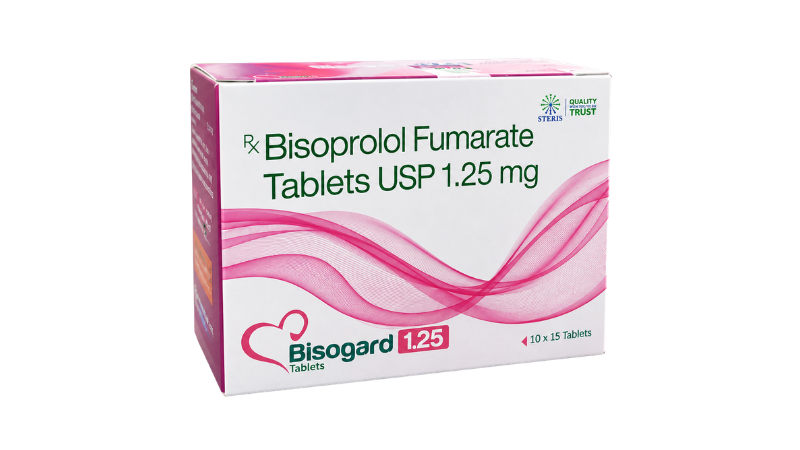
What is Bisogard 1.25? Bisoprolol 1.25mg Uses, Dosage & Side Effects Explained

Can Semaglutide Injection Be Used Without Diabetes?

What Are Nintedanib Soft Gelatin Capsules Used For? Complete Guide

Where to Buy Semaglutide Injection in India: Price, Pen & Prescription Guide
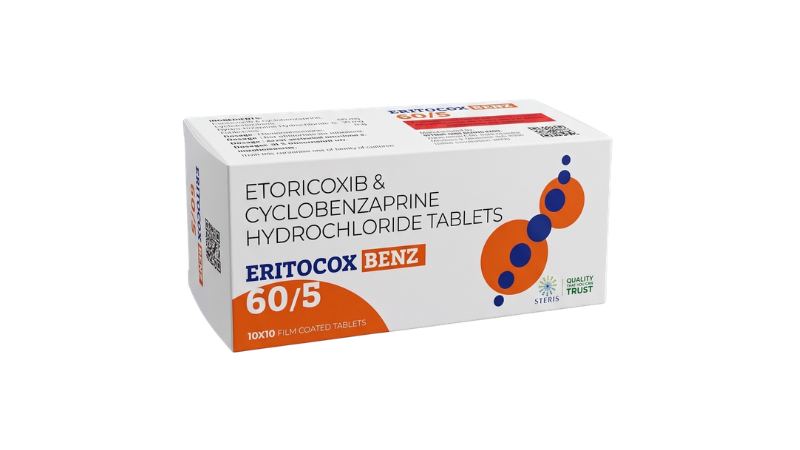
ERITOCOX BENZ 60/5 Dosage Guide: How to Take Etoricoxib & Cyclobenzaprine Tablets Safely
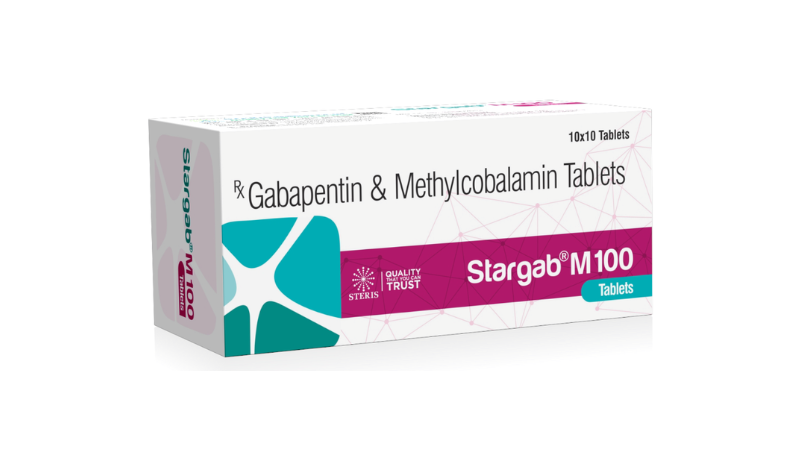
Gabapentin and Methylcobalamin Tablets Side Effects: What Patients Should Know
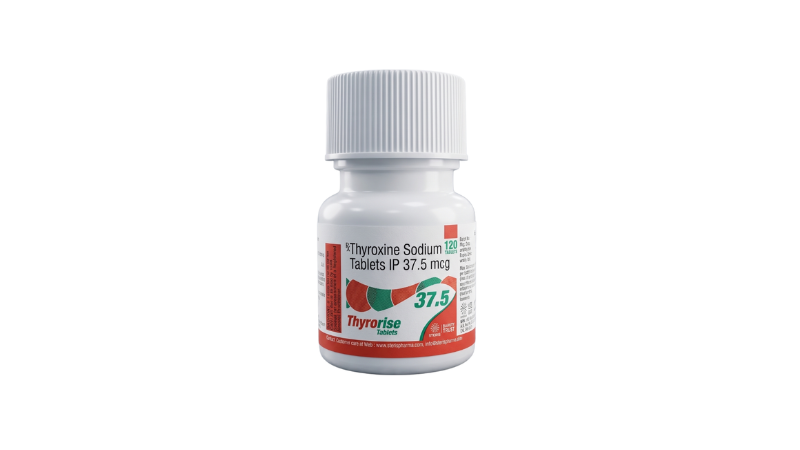
Thyroxine sodium tablets IP: उपयोग, फायदे और साइड इफेक्ट्स