






RIFAXIKEM 200 ( Rifaximin (200mg) ) : uses , side effrct , interactions , pictures and more benefits..
Jul 24, 2024
RIFAXIKEM 200 contains Rifaximin 200 mg, a broad-spectrum, non-absorbable antibiotic commonly used in intestinal infections. It is known for its targeted action inside the gut and its minimal absorption into the bloodstream, making it one of the safest options for treating bacterial infections of the intestine. Because Rifaximin acts locally in the gastrointestinal tract, it offers excellent efficacy with fewer systemic side effects.
This comprehensive guide covers everything patients need to know about Rifaximin 200 mg, including proper usage, dosing, precautions, interactions, and safety instructions.
What Is RIFAXIKEM 200 (Rifaximin 200 mg Tablets)?
RIFAXIKEM 200 is an oral antibiotic used mainly to treat bacterial infections of the intestines, including traveler’s diarrhea, infectious diarrhea, and certain conditions related to digestive disorders. Rifaximin belongs to the rifamycin antibiotic class and works by inhibiting bacterial RNA synthesis, thereby stopping the growth and spread of harmful bacteria.
Its key advantage is its minimal systemic absorption, meaning the medicine remains mostly in the intestinal tract and does not affect other organs.
How Rifaximin Works
Rifaximin blocks the DNA-dependent RNA polymerase enzyme in bacteria, preventing bacterial RNA synthesis. As a result:
-
Harmful bacteria stop multiplying
-
Symptoms like loose stools, stomach cramps, and infection-related discomfort improve quickly
-
Good gut flora remains largely unaffected
This makes RIFAXIKEM 200 gentle on the digestive system while effectively treating infections.
Medical Uses of RIFAXIKEM 200
Doctors prescribe Rifaximin 200 mg for a variety of intestinal conditions such as:
1. Traveler’s Diarrhea
Caused by Escherichia coli (E. coli) contamination in food or water.
2. Acute Bacterial Diarrhea
Where symptoms include loose motion, watery stools, stomach cramps, and dehydration.
3. Irritable Bowel Syndrome with Diarrhea (IBS-D)
Rifaximin helps reduce bloating, discomfort, and frequency of diarrhea.
4. Hepatic Encephalopathy (Adjunct Therapy)
Reduces ammonia-producing bacteria in the intestine, preventing complications in liver disease.
5. Gut Dysbiosis
Helps restore microbial balance by reducing harmful bacterial overgrowth.
Before Using RIFAXIKEM 200
Before starting RIFAXIKEM 200, patients should discuss the following with their healthcare provider:
1. Existing Health Conditions
Inform your doctor if you have:
-
Liver disease
-
Severe dehydration
-
Persistent vomiting
-
High fever
-
Bloody stool
2. Concomitant Medications
Some medicines may interact with antibiotics or worsen gut symptoms.
3. Past History of Intestinal Disorders
People with inflammatory bowel diseases must use Rifaximin cautiously.
4. Duration and Severity of Symptoms
If diarrhea persists beyond 24–48 hours, medical assessment is required.
Allergies
Patients allergic to any rifamycin antibiotic (such as rifampicin or rifabutin) should avoid using RIFAXIKEM 200. Signs of allergic reaction include:
-
Rash
-
Swelling of face, lips, or throat
-
Difficulty breathing
-
Severe dizziness
If any of these occur, treatment must be stopped immediately and medical help sought.
Use in Pediatric Patients
RIFAXIKEM 200 should be used in children only when prescribed by a pediatrician.
-
Safety is not fully established for children below a certain age
-
Dosage may vary according to age and weight
-
Close monitoring is required to avoid dehydration or electrolyte imbalance
Parents should never use leftover antibiotics for children without medical consultation.
Use in Geriatric Patients
Older adults can generally use Rifaximin safely because the medicine is minimally absorbed. However:
-
Patients above 65 with liver disorders need extra caution
-
They may be more sensitive to dehydration caused by diarrhea
-
Dose adjustments may be required in chronic health conditions
Regular follow-ups are recommended for elderly patients.
Use During Pregnancy and Breastfeeding
Pregnancy
Rifaximin should be used during pregnancy only if clearly needed. Although systemic absorption is low, safety data is limited. Always consult a doctor before use.
Breastfeeding
Since Rifaximin is poorly absorbed, it is unlikely to pass into breast milk in significant amounts. Still, breastfeeding mothers must speak with their doctor before using this medication.
Drug Interactions
Although Rifaximin stays mostly in the gastrointestinal tract, some medicines may still interact with it. Notable interactions include:
| Drug Type | Possible Effect |
|---|---|
| Cyclosporine | May increase Rifaximin absorption |
| Warfarin or blood thinners | Requires monitoring of INR |
| Anti-seizure medicines | Effectiveness may vary |
| Rifamycin class antibiotics | Cross-reaction risk |
Patients should provide a full list of all medicines, supplements, and herbal products they use.
Other Interactions
Other interactions that patients must be aware of:
1. Alcohol
Alcohol can worsen dehydration and stomach irritation. Avoid excessive consumption.
2. Food
Rifaximin works well with or without food, but taking it with food may reduce stomach discomfort.
3. Probiotics
Can be used alongside Rifaximin to restore gut flora.
4. Oral Rehydration Solutions (ORS)
Helpful in treating dehydration caused by bacterial diarrhea.
Other Medical Problems
Inform your doctor if you have any of the following conditions:
-
Moderate to severe liver impairment
-
Inflammatory bowel diseases such as ulcerative colitis
-
Severe colitis with fever
-
Bloody or tarry stools
-
History of antibiotic-associated diarrhea
-
Kidney disorders
These conditions may affect the suitability or dosing of RIFAXIKEM 200.
Proper Use of RIFAXIKEM 200
To ensure effective and safe treatment:
1. Follow the Exact Prescription
Never adjust the dose on your own, even if symptoms improve early.
2. Continue for the Full Duration
Incomplete treatment may cause relapse or antibiotic resistance.
3. Maintain Hydration
Drink plenty of fluids and ORS to prevent dehydration from diarrhea.
4. Maintain Hygiene
Wash hands before food and after using the restroom.
5. Avoid Contaminated Food
During treatment, consume fresh, simple, and well-cooked meals.
Dosing Guidelines of RIFAXIKEM 200
Your doctor decides the right dose based on the condition being treated:
1. Traveler’s Diarrhea
-
200 mg three times daily
-
Duration: 3 days, or as advised
2. General Bacterial Diarrhea
-
Same as above, depending on severity
3. IBS-D
-
Dosage varies and may require repeated cycles
4. Hepatic Encephalopathy (Adjunct Therapy)
-
Usually 550 mg twice daily,
but this depends on patient condition and medical discretion
5. Children
-
Dose varies based on age and weight
-
Use only under medical supervision
Do not self-medicate or use the medicine longer than prescribed.
Missed Dose
If a dose is missed:
-
Take it as soon as you remember
-
If it's almost time for the next dose, skip the missed dose
-
Do not double the dose
Regular dosing is essential for best results.
Storage Instructions
To keep RIFAXIKEM 200 in good condition:
-
Store at room temperature
-
Keep away from direct sunlight and moisture
-
Do not freeze
-
Keep out of reach of children
-
Check expiry date before use
Proper storage ensures the medicine remains stable and effective.
Precautions While Using RIFAXIKEM 200
1. Do Not Use for Bloody Diarrhea
If stool contains blood or fever is present, immediate medical evaluation is needed.
2. Avoid Self-Medication
Antibiotics must be taken only under supervision to avoid resistance.
3. Stop and Inform Doctor if Symptoms Worsen
Severe dehydration, persistent diarrhea, or vomiting requires medical attention.
4. Avoid Sharing the Medicine
Each patient requires individual assessment.
5. Diabetics Should Monitor Glucose Levels
Diarrhea can affect blood sugar trends.
6. Avoid High-Fat and Spicy Meals
To prevent gut irritation during treatment.
Side Effects of RIFAXIKEM 200
Most side effects are mild because absorption is low. However, some individuals may experience:
Common Side Effects
-
Nausea
-
Flatulence
-
Mild stomach discomfort
-
Headache
-
Abdominal pain
Less Common
-
Vomiting
-
Constipation
-
Fatigue
-
Swelling in hands or feet
Rare Complications
-
Severe allergic reactions
-
Skin rash
-
Difficulty breathing
-
Severe watery diarrhea (may indicate another infection)
Stop the medicine and seek medical help if severe symptoms appear.
When to Stop the Medicine
Discontinue RIFAXIKEM 200 and contact a doctor if you experience:
-
Worsening diarrhea
-
Severe stomach pain
-
Bloody or black stools
-
High fever
-
Signs of allergic reactions
-
No improvement after 48 hours
Benefits of RIFAXIKEM 200
-
Highly effective against gut bacteria
-
Minimal absorption → fewer systemic side effects
-
Well-tolerated across age groups
-
Safe for long-term use under supervision
-
Does not significantly disturb beneficial gut flora
-
Fast relief from diarrhea and gut discomfort
These benefits make Rifaximin a preferred antibiotic for gastrointestinal infections.
Who Should Avoid RIFAXIKEM 200?
Avoid or use with caution in:
-
Patients allergic to rifamycin antibiotics
-
Severe liver impairment
-
Bloody diarrhea
-
Severe dehydration
-
Pregnant women (unless advised)
-
Infants (without pediatrician guidance)
Conclusion
RIFAXIKEM 200 (Rifaximin 200 mg) is a trusted and effective antibiotic for treating intestinal infections, traveler’s diarrhea, IBS-D, and hepatic encephalopathy (as adjunct therapy). Its minimal absorption ensures a safer profile, making it suitable for children, adults, and elderly patients under medical guidance.
Recent Post
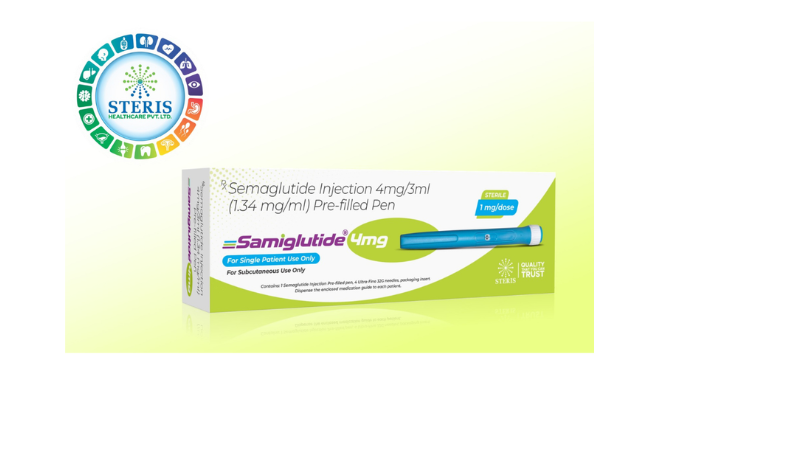
Semaglutide Injection: Uses, Benefits, Dosage, Side Effects & Price
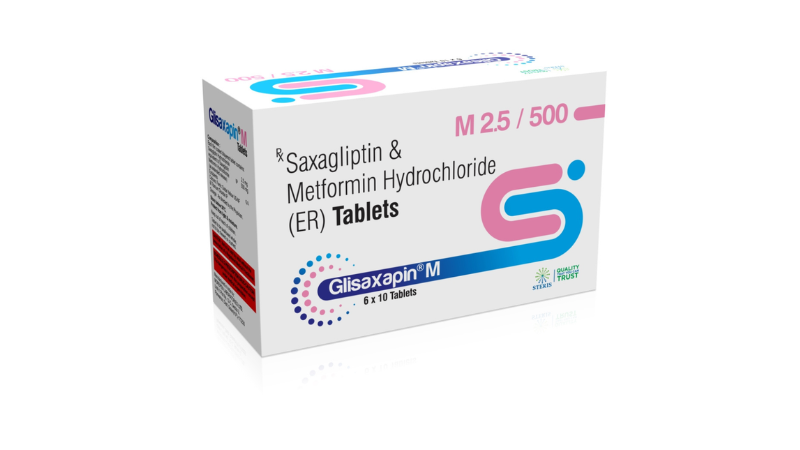
Saxagliptin and Metformin 500mg टैबलेट : उपयोग, फायदे, सही खुराक और कीमत

Rifaximin 200mg Uses in Hindi: जानें RIFAXIKEM 200 कब, कैसे और क्यों ली जाती है?
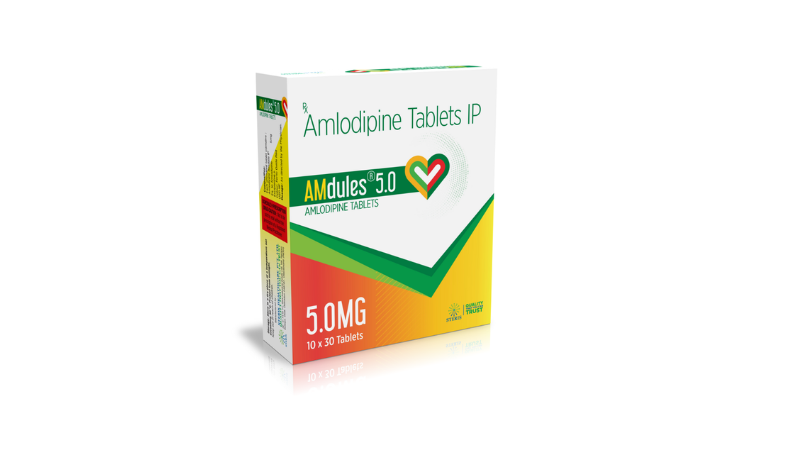
Amlodipine 5 mg : उपयोग, फायदे, सही खुराक और कीमत
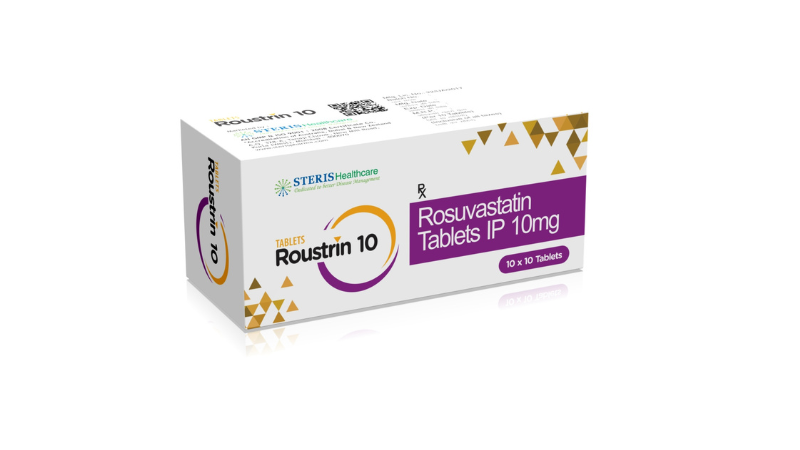
Rosuvastatin 10mg Uses in Hindi: जानें ROUSTRIN 10 कब, कैसे और क्यों ली जाती है?
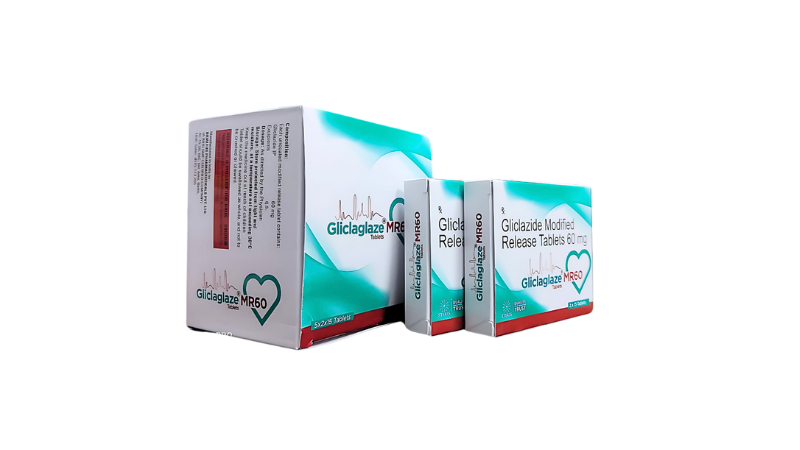
Gliclazide 60 mg : जानें खुराक, फायदे, साइड इफेक्ट्स और सावधानियां

Glimepiride 2mg + Metformin 500mg + Voglibose 0.2mg Uses in Hindi: संपूर्ण जानकारी

Best Hyaluronic Acid Moisturizer for Skin: Eurosoft Advance D Matt Moisture

Best Sugar Scrub for Body: Benefits & Usage of Eurosoft Sugar Scrub
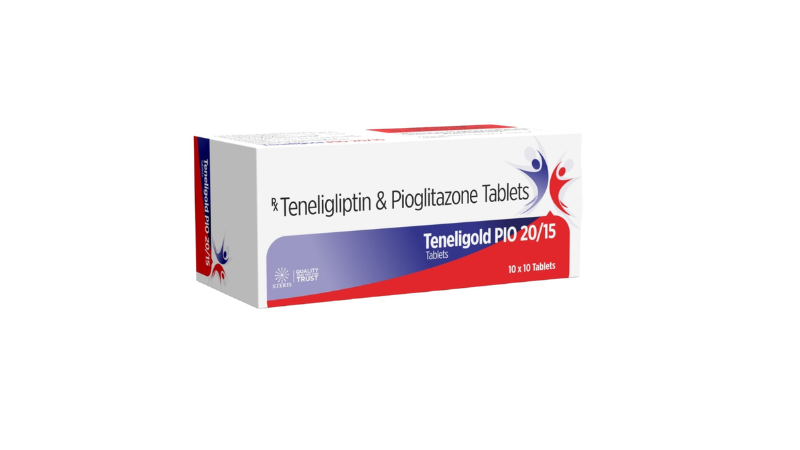
Teneligliptin 20 mg: टेनेलिग्लिप्टिन और पायोग्लिटाज़ोन टैबलेट के फायदे, उपयोग और खुराक

