


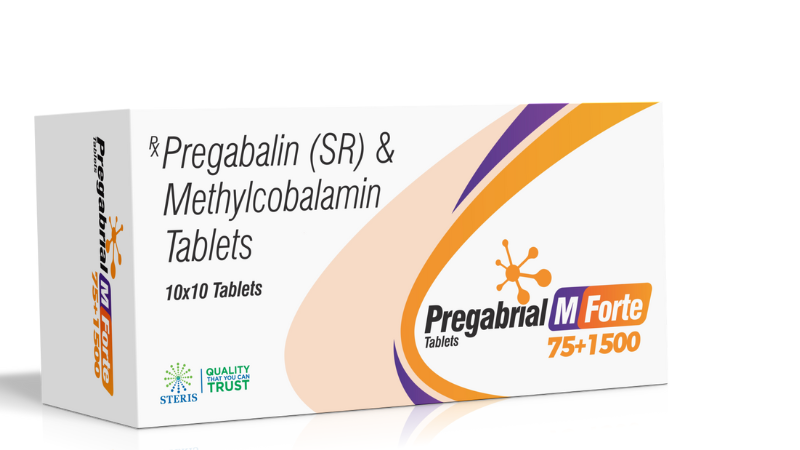



Pregabalin and Methylcobalamin
Jun 20, 2023
When nerve pain causes burning, tingling, electric-shock sensations, numbness, or shooting pain, choosing the right treatment can be confusing. Pregabalin and methylcobalamin are commonly discussed together because they address different aspects of neuropathy: pregabalin is a medicine used to reduce abnormal nerve-related pain signalling, while methylcobalamin is a form of vitamin B12 involved in normal nerve and blood-cell function.
The important point for patients is that this combination is not automatically the best choice for every type of neuropathic pain. Treatment depends on the underlying cause, kidney function, other medicines, symptoms, vitamin status, side-effect risk, and previous response to treatment.
Current NICE guidance lists pregabalin among the initial pharmacological options for adults with neuropathic pain, alongside amitriptyline, duloxetine, and gabapentin. If the first treatment is ineffective or poorly tolerated, another option may be considered.
What is pregabalin?
Pregabalin is a prescription medicine that acts on the nervous system and is used for several conditions, including certain types of neuropathic pain. Its approved uses vary by country and product.
Clinical trials have demonstrated that pregabalin can reduce pain associated with diabetic peripheral neuropathy, although response varies between individuals. Dizziness and sleepiness are among the adverse effects that can occur.
Pregabalin is therefore primarily a symptom-control medicine: its purpose is to reduce excessive or abnormal nerve signalling associated with neuropathic pain.
What is methylcobalamin?
Methylcobalamin is a form of vitamin B12. Vitamin B12 is important for healthy nerve cells, red blood cells, and DNA production. A clinically significant B12 deficiency can cause neurological problems, which makes identifying and treating deficiency important when neuropathy is being evaluated.
However, methylcobalamin should not be presented as a universal cure for neuropathic pain. Whether B12 supplementation is useful depends on the patient's nutritional status, underlying condition, clinician assessment, and the evidence applicable to that particular form of neuropathy.
How Do Pregabalin and Methylcobalamin Work Together?
The rationale for combining them is that they have different roles.
Pregabalin: targets nerve-related pain signalling and can provide symptomatic pain relief.
Methylcobalamin: supplies a form of vitamin B12 involved in normal neurological function, particularly relevant when B12 deficiency or inadequate B12 status is present.
This distinction matters when comparing treatment options. A patient may experience pain relief from pregabalin even when B12 levels are normal, whereas correcting B12 deficiency addresses an underlying nutritional problem rather than simply masking symptoms.
Evidence specifically supporting fixed-dose pregabalin-plus-methylcobalamin products is more limited than the evidence base for pregabalin itself. An observational Indian study evaluated sustained-release pregabalin with methylcobalamin in patients with neuropathic pain and reported improvements over a short follow-up period, but its single-arm, open-label design means it cannot establish that the combination is superior to pregabalin alone or other treatments.
Pregabalin and Methylcobalamin vs Other Neuropathic Pain Treatments
Patients often ask whether a combination containing pregabalin and methylcobalamin is better than alternatives. There is no single answer because treatment selection is individualized.
| Treatment option | Main role | Potential advantage | Important consideration |
|---|---|---|---|
| Pregabalin | Neuropathic pain symptom control | Evidence for several neuropathic pain conditions | Dizziness, sleepiness, edema and other adverse effects |
| Methylcobalamin | Vitamin B12 supplementation | Relevant when B12 deficiency is present or supplementation is clinically appropriate | Not a replacement for diagnosis and treatment of the underlying cause |
| Pregabalin + methylcobalamin | Combination approach | Combines symptomatic treatment with B12 supplementation | Combination evidence is less extensive than pregabalin monotherapy evidence |
| Duloxetine | Neuropathic pain treatment | Another guideline-supported initial option | Drug interactions and individual tolerability matter |
| Gabapentin | Neuropathic pain treatment | Established alternative to pregabalin | Response and adverse effects vary |
| Amitriptyline | Neuropathic pain treatment | Guideline-supported option | May not suit people vulnerable to certain adverse effects |
NICE recommends choosing among amitriptyline, duloxetine, gabapentin, or pregabalin for initial treatment of most adult neuropathic pain outside specialist settings, excluding trigeminal neuralgia. If treatment does not work or is not tolerated, another option can be considered.
This means patients should compare the whole treatment plan, rather than assuming that adding methylcobalamin automatically makes pregabalin more effective.
What Does Clinical Evidence Say?
Evidence for pregabalin in neuropathic pain is relatively well established. More recent research has continued to evaluate different pregabalin formulations. For example, a 2025 randomized controlled trial found prolonged-release pregabalin to be non-inferior to immediate-release pregabalin for diabetic peripheral neuropathic pain, with both active treatments outperforming placebo on the study's primary pain outcome.
Research directly comparing methylcobalamin-containing combinations is less definitive. A randomized study involving 100 patients with painful diabetic neuropathy compared methylcobalamin alone, methylcobalamin plus pregabalin, and methylcobalamin plus duloxetine. The study reported greater pain-score reductions with the duloxetine combination, while the methylcobalamin-plus-pregabalin group had fewer reported adverse effects. However, the study was open-label and relatively small, so its results should not be interpreted as proof that one combination is best for all patients.
Who May Need Extra Caution With Pregabalin?
Pregabalin is prescription medicine and should be used according to a clinician's instructions. Its prescribing information includes warnings concerning dizziness and somnolence, respiratory depression in certain circumstances, hypersensitivity reactions, angioedema, edema, weight gain, and suicidal thoughts or behaviour. It also warns against abrupt or rapid discontinuation.
People taking other medicines that depress the central nervous system, or those with respiratory impairment, may require particular caution because of the potential for respiratory depression. Kidney function can also affect pregabalin dosing, making individualized prescribing important.
Do not drive or operate machinery if pregabalin makes you dizzy or sleepy.
Should You Buy Pregabalin and Methylcobalamin Without Medical Advice?
Patients should not choose a prescription combination solely because it appears to be marketed as a treatment for nerve pain.
Before purchasing or starting treatment, confirm:
- The diagnosis or suspected cause of the neuropathy.
- Whether pregabalin is appropriate for your condition.
- Whether your kidney function affects treatment selection.
- Whether you take medicines that can increase sedation.
- Whether vitamin B12 deficiency has been assessed when clinically appropriate.
- The exact strength and formulation prescribed.
- How the medicine should be started, monitored, and eventually stopped.
A product containing the right ingredients can still be unsuitable for a particular person.
Pregabalin and Methylcobalamin: A Practical Patient Comparison
If your main problem is neuropathic pain, pregabalin may be considered as part of evidence-based symptom management.
If testing identifies vitamin B12 deficiency, correcting that deficiency becomes particularly important.
If your pain remains uncontrolled or adverse effects are troublesome, your clinician may consider another guideline-supported treatment such as duloxetine, gabapentin, or amitriptyline. NICE recommends reviewing pain control, daily functioning, sleep, wellbeing, adverse effects, and continued need for treatment rather than simply continuing a medicine indefinitely.
For some patients, the best strategy may involve changing medicines rather than adding more medicines.
Frequently Asked Questions About Pregabalin and Methylcobalamin
1. What is pregabalin and methylcobalamin used for?
They may be used together in some treatment plans for neuropathic symptoms such as burning, tingling, numbness, and nerve-related pain. The specific indication depends on the diagnosis and prescribed product.
2. Is pregabalin and methylcobalamin good for nerve pain?
Pregabalin has established evidence for several types of neuropathic pain. Methylcobalamin is vitamin B12 and may be clinically useful when B12 supplementation is indicated. The combination is not necessarily appropriate for everyone.
3. Does methylcobalamin repair damaged nerves?
Vitamin B12 is important for normal neurological function, but it should not be described as a guaranteed nerve-repair treatment. Treating an actual B12 deficiency is important because deficiency can cause neurological problems.
4. Is pregabalin stronger than methylcobalamin?
They perform different roles. Pregabalin is primarily used for symptomatic control of neuropathic pain, whereas methylcobalamin is a form of vitamin B12.
5. Can pregabalin and methylcobalamin be taken together?
Some prescription products combine them, and clinicians may prescribe both when appropriate. Patients should follow the exact product, strength, and schedule prescribed for them.
6. Is pregabalin and methylcobalamin safe?
Safety depends on the individual. Pregabalin can cause dizziness, sleepiness and other adverse effects and has important prescribing warnings. A clinician should review other medicines and relevant medical conditions before treatment.
7. Does pregabalin make you sleepy?
Yes. Sleepiness and dizziness are recognized adverse effects of pregabalin. Avoid driving or operating machinery until you know how the medicine affects you.
8. Can I stop pregabalin suddenly?
Pregabalin should generally not be stopped abruptly or rapidly without medical guidance. The prescribing information specifically warns about increased adverse reactions with abrupt or rapid discontinuation.
9. Is pregabalin better than gabapentin?
Neither is universally better. NICE lists both pregabalin and gabapentin among initial treatment options for neuropathic pain, and the choice depends on individual response, tolerability, and clinical circumstances.
10. Is pregabalin better than duloxetine for nerve pain?
Not for everyone. Duloxetine and pregabalin are both guideline-supported options, and comparative studies do not establish one universal winner for every patient or every neuropathic condition.
11. Does pregabalin treat the cause of neuropathy?
Pregabalin primarily helps control neuropathic pain symptoms. The underlying cause—such as diabetes, vitamin deficiency, nerve compression, or another disorder—still needs appropriate evaluation and management.
12. Can vitamin B12 deficiency cause tingling and numbness?
Yes. Vitamin B12 is important for healthy nerve cells, and inadequate B12 can cause neurological problems.
13. Is methylcobalamin the same as vitamin B12?
Methylcobalamin is one form of vitamin B12. B12 is an essential nutrient involved in normal blood and nerve-cell function.
14. Can pregabalin be used for diabetic neuropathy?
Yes. Pregabalin is an established treatment option for diabetic peripheral neuropathic pain, and clinical trials have demonstrated pain reduction in affected patients.
15. How long does pregabalin take to work for nerve pain?
The response varies. Clinical trials have reported improvements during the early treatment period, but your clinician may need to adjust treatment according to pain relief and tolerability.
16. Can I take pregabalin and methylcobalamin without a prescription?
Do not self-start pregabalin. It is a prescription medicine, and the appropriate treatment, formulation, and dose depend on individual clinical factors.
17. What should I check before buying pregabalin and methylcobalamin?
Check the exact active ingredients, strength, formulation, manufacturer, prescription requirements, expiry date, and whether the product is being supplied through a legitimate pharmacy. More importantly, confirm that the medicine has been recommended for your diagnosis.
18. Is pregabalin and methylcobalamin suitable for everyone with neuropathy?
No. Neuropathy has many causes, and treatment should be based on the underlying condition, symptoms, medical history, other medicines, and individual risk factors.
19. What if pregabalin does not relieve my nerve pain?
Your clinician may reassess the diagnosis, review adherence and tolerability, and consider another evidence-based treatment. NICE recommends switching to another initial option when treatment is ineffective or not tolerated.
20. What is the best treatment for neuropathic pain?
There is no single best treatment for everyone. NICE recommends considering amitriptyline, duloxetine, gabapentin, or pregabalin as initial pharmacological options for many adults with neuropathic pain, followed by reassessment and switching when necessary.
21. Is pregabalin vitamin b12?
No. Pregabalin is a medicine for nerve pain; vitamin B12 is a nutrient. They are different substances.
Recent Post
What Are Nintedanib Soft Gelatin Capsules Used For? Complete Guide
Where to Buy Semaglutide Injection in India: Price, Pen & Prescription Guide
ERITOCOX BENZ 60/5 Dosage Guide: How to Take Etoricoxib & Cyclobenzaprine Tablets Safely
Gabapentin and Methylcobalamin Tablets Side Effects: What Patients Should Know
Thyroxine sodium tablets IP: उपयोग, फायदे और साइड इफेक्ट्स
Semaglutide 2 mg Injection Dosage Guide: How to Use It Safely
Buy Multivitamin + L-Carnitine + Taurine Protein Powder | Sterimmune
Semaglutide Injection Pen 8 mg: Step-by-Step Dosage & Precautions
BEST semaglutide injection price in india
How Semaglutide Injection 4 mg Helps Control Blood Sugar