


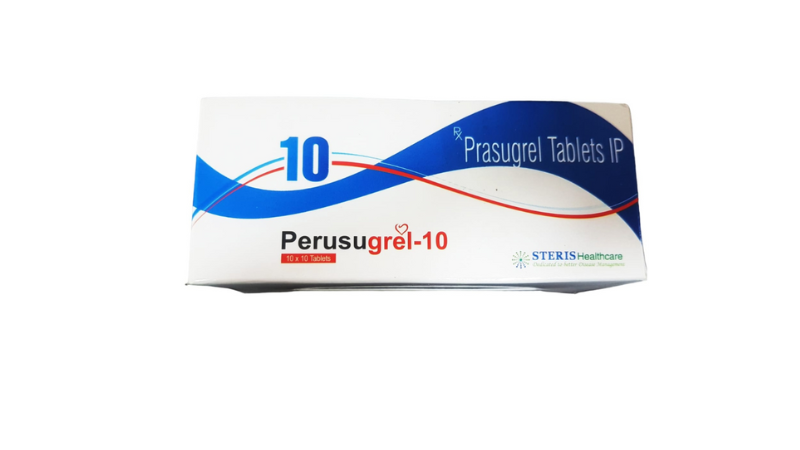



Prasugrel (10mg) & PERUSUGREL - 10 Mg : Solutions for Hypertension: Best Medications
Jun 20, 2024
Heart-related conditions are no longer limited to older populations—they are increasingly affecting younger adults due to lifestyle changes, stress, and underlying health issues. In this evolving landscape, advanced medications like PERUSUGREL-10 are playing a critical role in safeguarding patients from life-threatening cardiovascular events.
Formulated with Prasugrel 10 Mg, PERUSUGREL-10 is a next-generation antiplatelet therapy designed to reduce the risk of blood clot formation, especially in patients with acute coronary conditions. This blog offers a fresh, in-depth, and SEO-optimized overview of PERUSUGREL-10, covering its mechanism, clinical relevance, safety considerations, and patient benefits.
What Makes PERUSUGREL-10 Different?
PERUSUGREL-10 is not just another blood thinner—it represents a more refined and potent strategy for platelet inhibition. Unlike traditional therapies, it delivers consistent and predictable platelet suppression, which is crucial for patients undergoing cardiac interventions.
Key Highlights:
- Contains Prasugrel 10 mg
- Belongs to the P2Y12 inhibitor class
- Designed for fast onset and sustained action
- Typically prescribed alongside aspirin for dual antiplatelet therapy (DAPT)
Understanding the Science Behind PERUSUGREL-10
Blood clotting is a natural defense mechanism, but in heart patients, it can become dangerous. Platelets play a central role in clot formation. PERUSUGREL-10 works by selectively blocking platelet activation.
How It Functions:
Once ingested, Prasugrel is converted into its active form in the liver. It then:
- Irreversibly binds to platelet receptors (P2Y12)
- Prevents ADP-mediated platelet activation
- Reduces the “stickiness” of platelets
- Helps maintain smooth blood circulation
This targeted action significantly lowers the chances of arterial blockages.
When is PERUSUGREL-10 Prescribed?
Doctors recommend PERUSUGREL-10 in specific cardiovascular scenarios where clot prevention is critical.
Common Indications:
1. Acute Coronary Syndrome (ACS)
Includes conditions like unstable angina and myocardial infarction (heart attack), where immediate clot prevention is essential.
2. After Stent Placement (PCI)
Following angioplasty, there is a risk of clot formation around the stent. PERUSUGREL-10 helps prevent stent thrombosis.
3. Long-Term Cardiovascular Protection
In selected patients, it may be used to reduce the risk of recurrent cardiac events.
Advantages of PERUSUGREL-10 Over Conventional Options
PERUSUGREL-10 offers several clinical and practical advantages that make it a preferred choice in many cases.
1. Faster Activation
Compared to some older antiplatelet drugs, Prasugrel begins working more quickly, which is crucial during emergencies.
2. Stronger Platelet Inhibition
It provides more potent and consistent platelet suppression, reducing variability in response.
3. Lower Risk of Recurrent Events
Clinical data suggests improved outcomes in preventing repeat heart attacks in appropriate patients.
4. Simplified Dosing
A once-daily 10 mg dose enhances convenience and adherence.
Dosage Guidelines and Usage Tips
Standard Regimen:
- Initial (Loading Dose): Usually 60 mg (as prescribed)
- Maintenance Dose: PERUSUGREL-10 once daily
Best Practices:
- Take at the same time each day
- Can be taken with or without food
- Swallow whole—do not crush or split
- Continue as advised, even if you feel well
Consistency is key for maintaining its protective effect.
Who Can Benefit Most from PERUSUGREL-10?
This medication is particularly beneficial for:
- Patients undergoing angioplasty with stent placement
- Individuals diagnosed with acute coronary syndrome
- Patients at high risk of clot-related complications
- Those who require dual antiplatelet therapy
However, treatment should always be individualized based on medical history and risk profile.
Safety Profile and Possible Side Effects
While PERUSUGREL-10 is effective, it is important to understand its safety considerations.
Common Side Effects:
- Mild bleeding (gums, nose)
- Easy bruising
- Head discomfort
- Gastrointestinal uneasiness
Serious Risks:
- Internal bleeding
- Black or bloody stools
- Prolonged bleeding from cuts
- Rare allergic reactions
Important Precautions Before Use
1. Bleeding Risk Assessment
Patients with a history of bleeding disorders should be carefully evaluated before starting therapy.
2. Surgical Procedures
Inform your doctor or dentist before any surgery—temporary discontinuation may be required.
3. Age Consideration
Elderly patients (above 75 years) may require special monitoring.
Drug Interactions to Watch
PERUSUGREL-10 may interact with certain medications, increasing the risk of side effects.
Common Interactions:
- Blood thinners (e.g., warfarin)
- Painkillers (NSAIDs like ibuprofen)
- Other antiplatelet drugs
Lifestyle Tips to Enhance Effectiveness
Medication works best when combined with healthy habits. Here are some practical tips:
- Maintain a heart-friendly diet (low in saturated fats)
- Engage in regular physical activity
- Avoid smoking and limit alcohol
- Monitor blood pressure and cholesterol levels
- Manage stress effectively
These lifestyle choices complement the benefits of PERUSUGREL-10.
Frequently Asked Questions
Can PERUSUGREL-10 be taken long-term?
Yes, but only under medical supervision. Duration depends on your condition and treatment plan.
What happens if I miss a dose?
Take it as soon as you remember.
Is it safe to stop suddenly?
No. Abrupt discontinuation can increase the risk of serious heart events.
Can it be taken with aspirin?
Yes, it is often prescribed with aspirin as part of dual therapy, but only under a doctor’s guidance.
Final Thoughts
PERUSUGREL-10 is a powerful and reliable medication for managing and preventing serious cardiovascular complications. With its advanced mechanism and proven clinical benefits, it has become a key component in modern cardiac care.
Recent Post
Semaglutide 8mg Injection: Frequently Asked Questions Answered by Experts
Mycophenolate Mofetil 500mg (Mycofortic M 500): Uses, Benefits & Precautions – Complete Guide
What is Bisogard 1.25? Bisoprolol 1.25mg Uses, Dosage & Side Effects Explained

Can Semaglutide Injection Be Used Without Diabetes?
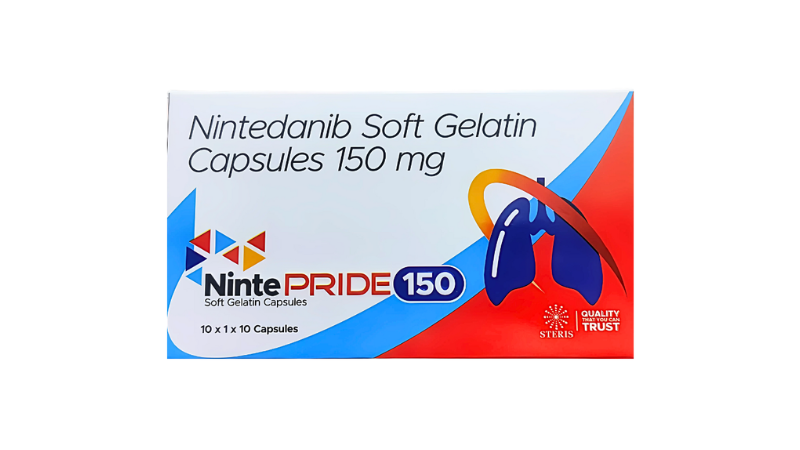
What Are Nintedanib Soft Gelatin Capsules Used For? Complete Guide
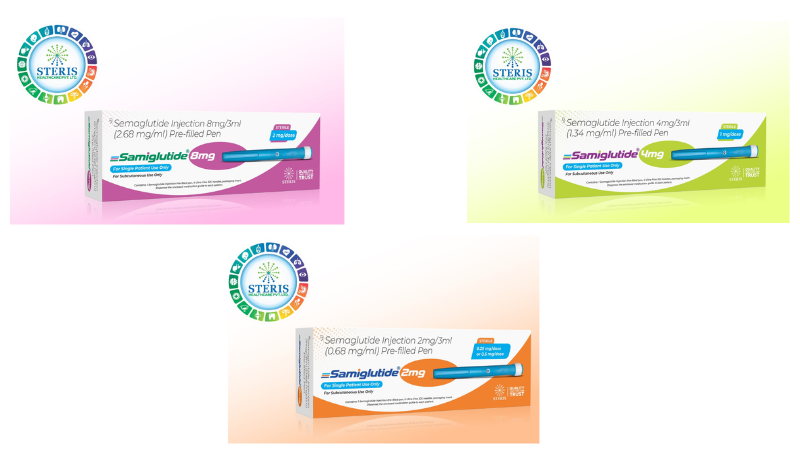
Where to Buy Semaglutide Injection in India: Price, Pen & Prescription Guide
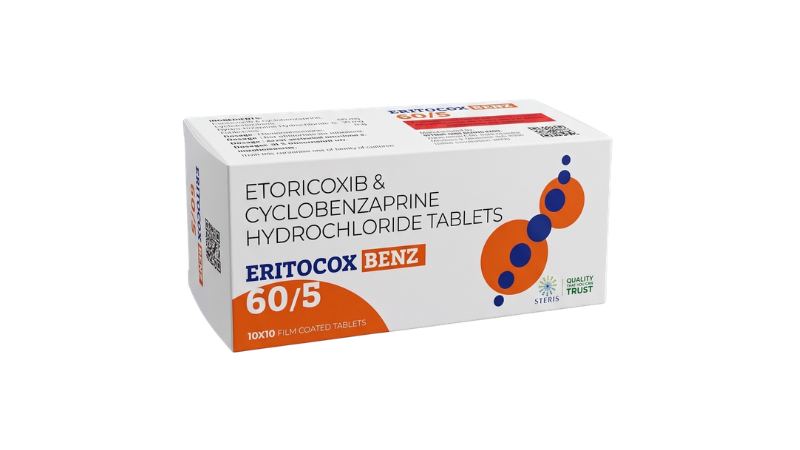
ERITOCOX BENZ 60/5 Dosage Guide: How to Take Etoricoxib & Cyclobenzaprine Tablets Safely
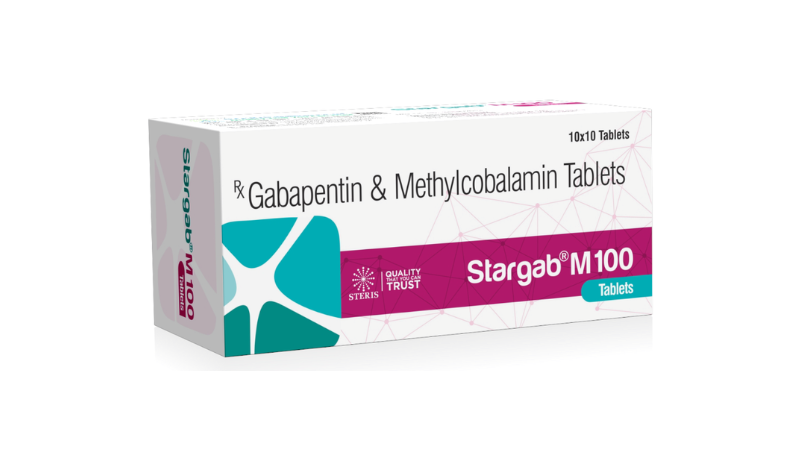
Gabapentin and Methylcobalamin Tablets Side Effects: What Patients Should Know
Thyroxine sodium tablets IP: उपयोग, फायदे और साइड इफेक्ट्स
Semaglutide 2 mg Injection Dosage Guide: How to Use It Safely

