


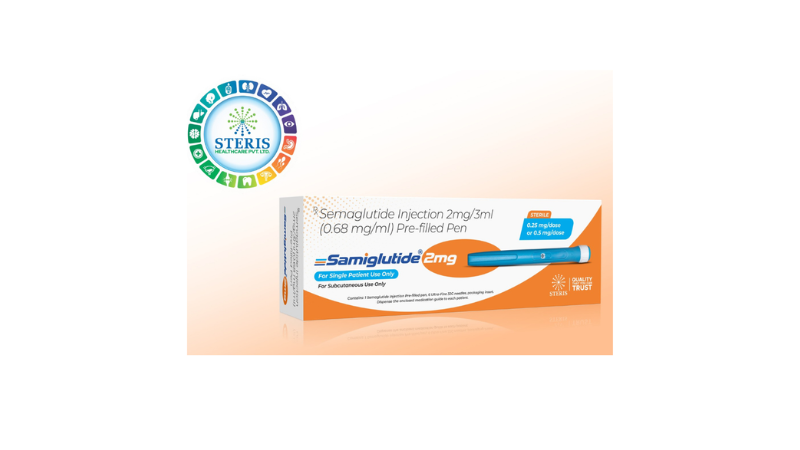



Semaglutide 2 mg Injection Dosage Guide: How to Use It Safely
Sep 18, 2026
SAMIGLUTIDE 2MG is a prescription-only, once-weekly injectable medicine manufactured by Steris Healthcare. Its active ingredient is semaglutide, supplied as a 2 mg/3 ml (0.68 mg/ml) pre-filled pen, belonging to the GLP-1 receptor agonist class of medicines. It is primarily used to help adults with Type 2 diabetes mellitus achieve better blood sugar control when diet and exercise alone are not enough, and it is also widely used, under medical supervision, to support chronic weight management in adults who meet the clinical criteria for it.
Semaglutide works by imitating a natural gut hormone called GLP-1 (glucagon-like peptide-1). This hormone tells the pancreas to release insulin when blood sugar rises, slows down how quickly food leaves the stomach, and signals the brain that you are full. SAMIGLUTIDE 2MG is designed to be self-administered subcutaneously (under the skin) once a week, on the same day each week, making it a convenient option compared to daily diabetes injections.
Why It's Important
Type 2 diabetes and obesity are two of the fastest-growing health concerns in India and globally. Poorly controlled blood sugar over time damages the eyes, kidneys, nerves, and heart, while excess body weight increases the risk of high blood pressure, fatty liver, joint problems, and cardiovascular disease. Traditional oral medicines don't work for everyone, and many patients struggle with weight gain caused by insulin or sulfonylureas.
Semaglutide injection 2 mg is important because it addresses both problems together — improving glycemic control and supporting meaningful weight reduction — through a single weekly injection. Large international trial programs on semaglutide (the SUSTAIN program for diabetes and the STEP program for weight management) have shown consistent improvements in HbA1c (long-term blood sugar marker) and body weight, which is why GLP-1 therapy is now considered a cornerstone treatment option by endocrinologists worldwide. For a country like India, where the International Diabetes Federation estimates the diabetic population at close to 8.9 crore adults, easier-to-use, effective therapies like this one carry real public-health significance.
Key Benefits
What Are the Benefits of SAMIGLUTIDE 2MG?
- Improved blood sugar control – Helps lower fasting and post-meal glucose levels and reduces HbA1c over 3–6 months of consistent use.
- Supports weight loss – By slowing gastric emptying and reducing appetite signals in the brain, many patients experience gradual, sustained weight reduction alongside lifestyle changes.
- Once-weekly dosing – Unlike daily insulin or oral tablets, SAMIGLUTIDE 2MG needs to be injected only once a week, improving convenience and long-term adherence.
- Cardiovascular benefit potential – Semaglutide has shown favorable effects on cardiovascular risk markers in several major outcome trials, an important consideration for patients with diabetes and heart disease risk.
- Pre-filled, easy-to-use pen – The 2 mg/3 ml pre-filled pen from Steris Healthcare removes the need for manual drawing up of doses, reducing dosing errors and needle handling.
- Flexible use across two indications – The same molecule supports both diabetes management and weight management, under separate physician-guided protocols.
- Non-insulin option – Suitable for patients who want to avoid or delay starting insulin therapy.
These benefits make semaglutide 2 mg injection one of the most searched and prescribed GLP-1 therapies for both diabetes control and weight management in current clinical practice.
Side Effects
Like all prescription medicines, SAMIGLUTIDE 2MG can cause side effects. Most are mild to moderate and tend to improve as the body adjusts to the medicine, especially during the initial dose-escalation phase.
Common side effects include:
- Nausea
- Vomiting or diarrhea
- Constipation
- Stomach pain or bloating
- Loss of appetite
- Indigestion or acid reflux
- Fatigue
- Mild injection-site reactions (redness, itching, or swelling)
These typically occur early in treatment or after a dose increase and often settle within a few days to weeks.
Available Substitutes
Several GLP-1 receptor agonist alternatives exist in the Indian market, and your doctor may consider one of these depending on your health profile, tolerance, and budget:
- Other semaglutide brands in pre-filled pen or multi-dose vial formats from various Indian manufacturers, available in strengths ranging from 0.25 mg up to 2.4 mg depending on indication.
- Liraglutide injection – An older, daily-dose GLP-1 agonist with a similar mechanism.
- Dulaglutide injection – Another once-weekly GLP-1 agonist option for Type 2 diabetes.
- Tirzepatide injection – A dual GIP/GLP-1 receptor agonist showing strong glycemic and weight-loss results in newer trials.
- Oral semaglutide tablets – A tablet-based alternative for patients who prefer not to inject, though absorption and effect can differ from the injectable form.
Switching between any of these should only be done under medical supervision, as dosing schedules and titration differ significantly between molecules.
Dosage Guidelines
Dosage must always be individualized and prescribed by a qualified physician based on the treatment goal (diabetes vs. weight management), current health status, and response/tolerance. As a general reference, typical semaglutide treatment follows a gradual dose-escalation approach to minimize gastrointestinal side effects:
- Starting dose: A low dose is usually initiated for the first 4 weeks, primarily to allow the digestive system to adjust — this initial dose is not intended to produce the full therapeutic effect.
- Step-up doses: The dose is increased at intervals of at least 4 weeks, moving to intermediate strengths as tolerated.
- Maintenance dose: For glycemic control, this is usually reached at 1 mg or 2 mg weekly (as available in the SAMIGLUTIDE 2 mg/3 ml pen); for weight management, higher maintenance doses may be used under a different treatment protocol.
- Administration: Injected subcutaneously once weekly, on the same day each week, at any time of day, with or without food, in the abdomen, thigh, or upper arm — rotating injection sites to avoid lipodystrophy.
- Missed dose: If a dose is missed and it has been less than 5 days, it can usually be taken as soon as remembered; if more than 5 days have passed, the missed dose is skipped and the regular schedule resumed — but patients should confirm this with their prescribing doctor.
Precautions & Warnings
- Not recommended for patients with a personal or family history of medullary thyroid carcinoma (MTC) or MEN 2 syndrome.
- Use with caution in patients with a history of pancreatitis, gallbladder disease, or severe gastrointestinal disorders (including gastroparesis).
- Should be used carefully in people with diabetic retinopathy, as rapid glucose improvement can temporarily worsen eye complications.
- Not approved for use in Type 1 diabetes or diabetic ketoacidosis.
- Pregnancy and breastfeeding: Semaglutide is generally not recommended; discontinue use well in advance of a planned pregnancy as advised by your doctor.
- Kidney and liver impairment: Requires close monitoring; dose adjustment may be needed.
- Drug interactions: May affect absorption of oral medications due to delayed gastric emptying; inform your doctor of all medicines you are taking, including insulin or sulfonylureas, which carry a higher hypoglycemia risk when combined.
- Storage: Store the pre-filled pen in a refrigerator (2–8°C) before first use; once in use, most pens can be kept at room temperature (below 30°C) for a limited period as per the product insert — always check the specific instructions provided with SAMIGLUTIDE 2MG.
- Alcohol and lifestyle: Limit alcohol intake, as it can increase the risk of low blood sugar and gastrointestinal side effects.
Mechanism of Action
Semaglutide is a GLP-1 receptor agonist that closely mimics the human incretin hormone GLP-1, but with a longer half-life due to modifications that resist rapid enzymatic breakdown. Once injected, it binds to GLP-1 receptors in the pancreas, stimulating glucose-dependent insulin secretion and suppressing excess glucagon release, which together lower blood sugar without a high risk of hypoglycemia on its own. It also acts on receptors in the brain's appetite-regulating centers to reduce hunger and food intake, and slows gastric emptying, which increases the feeling of fullness after meals. This dual action on both the pancreas and the brain is what allows semaglutide to support both blood sugar control and weight reduction simultaneously.
Frequently Asked Questions
1. What is Semaglutide Injection 2 mg used for?
It is used to improve blood sugar control in Type 2 diabetes and, under medical supervision, to support chronic weight management.
2. Is SAMIGLUTIDE 2MG the same as Ozempic or Wegovy?
It contains the same active molecule, semaglutide, but is a separately manufactured branded product from Steris Healthcare; strength, formulation, and approved indications should be confirmed on the product label.
3. How often should semaglutide 2 mg injection be taken?
It is injected once weekly, on the same day each week, at any time of day.
4. What is the semaglutide 2 mg injection dosage schedule?
Treatment usually starts at a lower dose for the first few weeks and is gradually increased under medical supervision to reduce stomach-related side effects, reaching a maintenance dose as advised by your doctor.
5. Can semaglutide injection be used for weight loss without diabetes?
Yes, semaglutide-based therapy can be prescribed for chronic weight management in eligible adults, but only after a doctor's evaluation, as dosing protocols differ from the diabetes indication.
6. What is the semaglutide injection price in India?
Prices vary by brand, strength, and device type; generic semaglutide options in India have generally ranged from around ₹1,300 to ₹4,500 per month, while some branded pens cost more — check with your pharmacy for current pricing.
7. What are the common side effects of semaglutide 2 mg injection?
Nausea, vomiting, diarrhea, constipation, stomach discomfort, and mild injection-site reactions are the most commonly reported side effects.
8. Can semaglutide injection cause low blood sugar (hypoglycemia)?
On its own, the risk is low, but it increases significantly when combined with insulin or sulfonylurea medicines.
9. Who should avoid using semaglutide injection?
People with a personal or family history of medullary thyroid carcinoma, MEN 2 syndrome, or a known allergy to semaglutide should avoid it; pregnant or breastfeeding women should also avoid use unless specifically advised.
10. How is SAMIGLUTIDE 2MG injected?
It is injected subcutaneously into the abdomen, thigh, or upper arm, rotating the injection site each week.
11. What should I do if I miss a dose of semaglutide injection?
If it has been less than 5 days since the missed dose, take it as soon as possible; if more than 5 days have passed, skip it and resume your regular schedule — confirm this with your doctor.
12. How long does it take to see results from semaglutide 2 mg injection?
Blood sugar improvements are often noticeable within a few weeks, while meaningful weight changes typically develop over several months of consistent use combined with diet and exercise.
13. What are the serious side effects of semaglutide injection I should watch for?
Severe abdominal pain (possible pancreatitis), signs of gallbladder disease, vision changes, signs of an allergic reaction, and symptoms of severe hypoglycemia require urgent medical attention.
14. Are there substitutes available for semaglutide injection 2 mg?
Yes, alternatives include other semaglutide brands, liraglutide, dulaglutide, tirzepatide, and oral semaglutide tablets — the right choice depends on your doctor's assessment.
15. How should SAMIGLUTIDE 2MG pens be stored?
Unused pens should be refrigerated at 2–8°C; once in use, they can typically be stored at room temperature for a limited time as specified in the product insert — avoid freezing and direct sunlight.
16. Can semaglutide injection be stopped suddenly?
It should not be stopped abruptly without medical advice, as this can affect blood sugar control or lead to weight regain; your doctor can guide a proper plan if discontinuation is needed.
17. Is a prescription required to buy semaglutide injection 2 mg?
Yes, semaglutide is a prescription-only medicine and should be purchased only from a licensed pharmacy with a valid doctor's prescription.
Conclusion
SAMIGLUTIDE 2MG (Semaglutide Injection 2 mg) by Steris Healthcare offers a modern, once-weekly treatment option for adults managing Type 2 diabetes and, under appropriate medical guidance, chronic weight concerns. Backed by the well-documented efficacy of the semaglutide molecule across major global clinical trial programs, it provides a convenient alternative to daily injections while supporting both glycemic control and gradual weight reduction. As with any GLP-1 therapy, successful and safe use depends on a proper starting dose, gradual titration, regular monitoring by a healthcare provider, and awareness of potential side effects and contraindications. Always purchase from a licensed pharmacy, use only under prescription, and consult your doctor before starting, adjusting, or stopping treatment.
For Further Information:
Mail Us: contact@sterispharma.com or info@sterispharma.com
Call Now: +91 8824175417, +91 9982524671
Recent Post
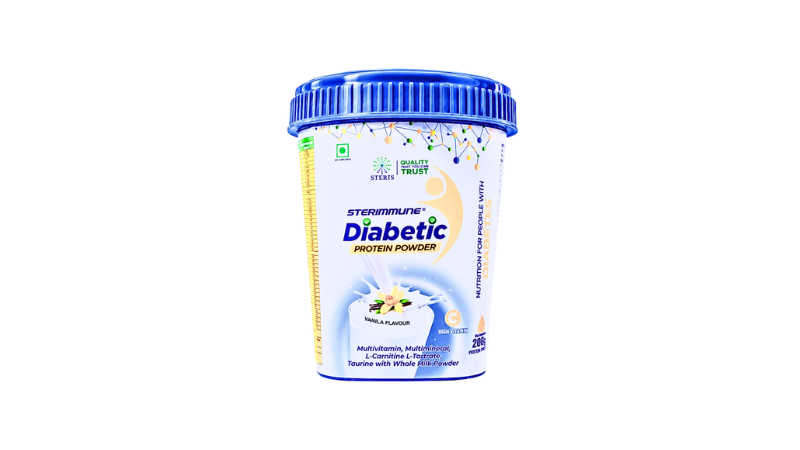
Buy Multivitamin + L-Carnitine + Taurine Protein Powder | Sterimmune
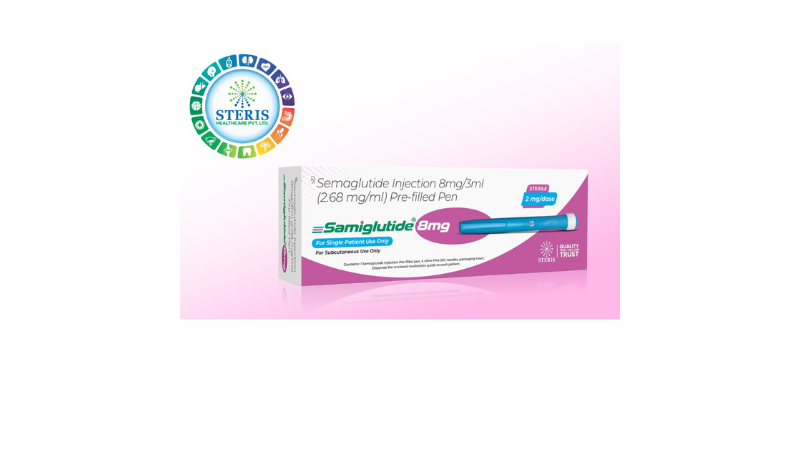
Semaglutide Injection Pen 8 mg: Step-by-Step Dosage & Precautions
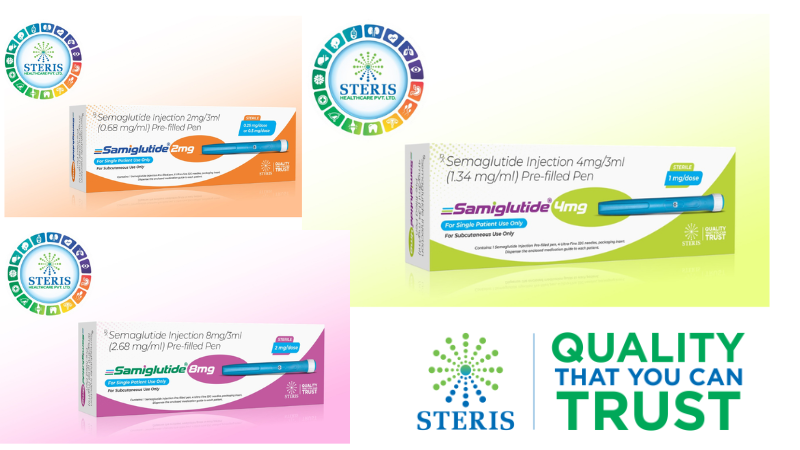
BEST semaglutide injection price in india
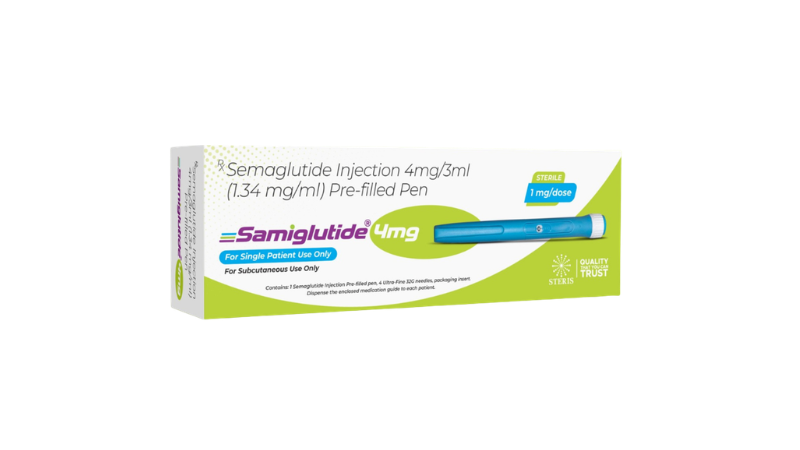
How Semaglutide Injection 4 mg Helps Control Blood Sugar
What Is Telmisartan and Metoprolol Succinate Combination Used For?
TELMISTRUM TRIO 6.25: Telmisartan, Cilnidipine & Chlorthalidone Uses & Side Effects
TELMISTRUM AZ 16: Telmisartan 40mg & Azelnidipine 16mg Uses, Dosage & Side Effects
What Is Telmisartan and Chlorthalidone Combination Used For?
Telmisartan 40mg + Amlodipine 5mg Tablets: Uses, Dosage & Side Effects
Clarithromycin, Esomeprazole & Amoxicillin Combo Kit: View Uses, Side Effects and Medicines

