


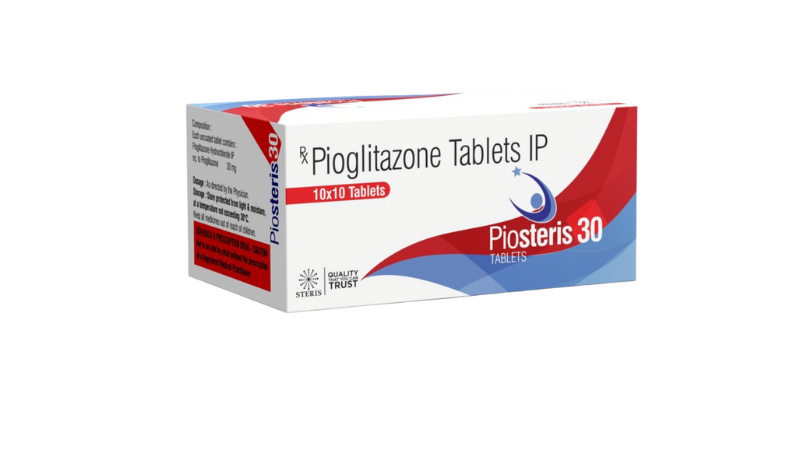



PIOSTERIS 30:Uses, and Side Effects.....
Jul 25, 2024
Once a patient has tolerated a starting dose of pioglitazone well and blood sugar control still isn't quite where it needs to be, the next logical step in treatment is often a dose increase rather than switching medications entirely. Piosteris 30, manufactured by Steris Healthcare, is a pioglitazone 30 mg tablet—the standard, most commonly prescribed maintenance strength of this insulin-sensitizing medication, used for the management of type 2 diabetes mellitus in adults who need stronger insulin-sensitizing support than a lower starting dose provides.
This article explains pioglitazone 30 mg uses, why this particular strength plays such a central role in long-term diabetes treatment, how it works at a cellular level, its key benefits, potential side effects, dosage guidance, and important precautions.
Piosteris 30 is a prescription-only medication. It should be used only under the guidance of a physician, following a confirmed diagnosis of type 2 diabetes and appropriate baseline health assessment, and should never be started, stopped, or adjusted independently.
Why It's Important
Type 2 diabetes treatment is rarely a fixed, unchanging prescription—it's a process of finding the dose and combination that achieves a patient's individual blood sugar targets while keeping side effects manageable. For pioglitazone specifically, many physicians begin treatment at a lower dose (such as 7.5 mg or 15 mg) to assess tolerability, then titrate up to 30 mg once it's clear the medication is well tolerated and additional glycemic benefit is needed. This makes 30 mg one of the most frequently prescribed and clinically important strengths of pioglitazone in everyday diabetes practice—it's the dose at which many patients ultimately settle for long-term maintenance therapy.
The clinical importance of reaching an effective maintenance dose can't be overstated. Insulin resistance doesn't resolve with a token amount of medication; it requires a dose sufficient to meaningfully shift how fat, muscle, and liver cells respond to insulin. At 30 mg, pioglitazone delivers a more robust insulin-sensitizing effect than lower starting doses, which is often what's needed to bring stubborn insulin-resistance-driven blood sugar patterns under control—particularly in patients with features of metabolic syndrome, central obesity, or long-standing type 2 diabetes where insulin resistance has become deeply entrenched.
Reaching and maintaining an effective dose also matters for long-term outcomes. Consistently well-controlled blood sugar over years, not just months, is what actually reduces the risk of diabetes-related complications affecting the eyes, kidneys, nerves, and cardiovascular system—which is why physicians often view 30 mg pioglitazone as a meaningful, durable component of a long-term treatment plan rather than a temporary measure.
Key Benefits
What Are the Benefits?
- Robust insulin-sensitizing effect—At 30 mg, pioglitazone delivers a stronger improvement in insulin sensitivity across fat, muscle, and liver tissue compared to lower starting doses, often translating to more meaningful blood sugar improvement.
- Established maintenance strength—As one of the most commonly prescribed doses in long-term pioglitazone therapy, 30 mg has extensive real-world clinical use behind it, giving physicians a well-understood benefit-risk profile to work from.
- Low intrinsic hypoglycemia risk—Like lower doses, 30 mg pioglitazone does not directly stimulate insulin secretion, so it continues to carry a comparatively low risk of causing low blood sugar when used alone.
- Favorable lipid effects in some patients—Pioglitazone at this dose has been associated with improvements in triglycerides and HDL cholesterol in a subset of patients, offering a secondary metabolic benefit alongside glucose control.
- Effective combination partner – At the 30 mg strength, pioglitazone continues to pair well with metformin, sulfonylureas, or insulin therapy, supporting comprehensive glycemic management through complementary mechanisms.
- Once-daily dosing convenience—Despite delivering a stronger effect than lower starting doses, pioglitazone 30 mg is still typically taken just once a day, supporting long-term treatment adherence.
- Sustained, durable blood sugar improvement—Because pioglitazone works by improving underlying insulin sensitivity rather than temporarily forcing more insulin into circulation, its effects at an adequate maintenance dose tend to be more stable over the long term.
Pioglitazone 30 mg Tablet Uses
Pioglitazone 30 mg tablet uses include:
- Management of type 2 diabetes mellitus as monotherapy in patients who require a standard maintenance dose after initial titration
- Combination therapy with metformin, sulfonylureas, or insulin for patients needing more comprehensive glycemic control
- Long-term management of insulin resistance in patients whose diabetes is significantly driven by this underlying mechanism, as determined by a physician
- Dose escalation from a lower starting strength (such as 7.5 mg or 15 mg) once tolerability has been established and additional glycemic benefit is clinically indicated
Mechanism of action:
Pioglitazone belongs to the thiazolidinedione (TZD) class of medications and works by selectively activating PPAR-gamma (peroxisome proliferator-activated receptor gamma), a nuclear receptor found predominantly in adipose (fat) tissue, with additional activity in skeletal muscle and liver cells.
Activation of PPAR-gamma triggers changes in the expression of numerous genes involved in glucose and lipid metabolism. This leads to improved differentiation and function of fat cells, enhanced glucose uptake by skeletal muscle, and reduced glucose output from the liver. The cumulative effect is that the body's tissues become significantly more responsive to circulating insulin—meaning that for the same amount of insulin in the bloodstream, more glucose gets moved out of the blood and into cells where it can be used for energy.
At the 30 mg dose specifically, this insulin-sensitizing effect is more pronounced than at lower starting doses, which is why this strength is frequently reached through gradual dose titration rather than being used as an initial starting dose in most patients. Because pioglitazone's mechanism depends on changes in gene expression rather than an immediate pharmacological action, its full effect on blood sugar typically builds over several weeks of consistent use, and patients should not expect an immediate change after starting or increasing to this dose.
Side Effects
Pioglitazone 30 mg, like all medications, can cause side effects—and because it represents a higher dose than typical starting therapy, understanding the fuller side effect picture is especially important.
Common side effects may include:
- Weight gain, potentially more noticeable than at lower doses
- Fluid retention or swelling in the legs, ankles, or feet
- Headache
- Mild upper respiratory symptoms
- Muscle aches
- Fatigue
Available Substitutes
If pioglitazone 30 mg isn't well tolerated, or if side effects like fluid retention become a concern, physicians may consider reducing back to a lower dose, switching to a different insulin-sensitizing or blood-sugar-lowering medication class such as DPP-4 inhibitors, SGLT2 inhibitors, or GLP-1 receptor agonists, or adjusting the overall combination therapy regimen. Any change should be guided by your treating physician based on your individual glucose control needs, cardiovascular risk profile, and tolerability.
Dosage Guidelines
- Dosage should be determined and monitored by your physician, often reached through gradual titration from a lower starting dose based on blood sugar response and tolerability.
- Piosteris 30 is typically taken once daily, with or without food, exactly as prescribed.
- Because the full effect on blood sugar develops gradually, allow several weeks of consistent use before expecting to see the complete benefit reflected in blood sugar readings.
- Regular monitoring of blood glucose, HbA1c, liver function, and clinical signs of fluid retention is an important, ongoing part of treatment at this dose.
- If a dose is missed, take it as soon as you remember unless it's close to your next scheduled dose—do not double up. Discuss your specific missed-dose plan with your doctor.
- Do not adjust your dose independently, even if you feel your blood sugar is well controlled; any changes should be based on your doctor's assessment of your ongoing lab results and clinical status.
This is general educational information only. Your actual dose, titration schedule, and monitoring plan must be determined by your doctor based on your individual clinical picture.
Precautions & Warnings
- Prescription-only medication: Should be used only following a confirmed diagnosis of type 2 diabetes and under continuous medical supervision, particularly at this higher maintenance dose.
- Heart failure and cardiac history: Use with significant caution, or avoid, in patients with a history of heart failure or significant cardiac disease, given the fluid retention risk, which can be more pronounced at 30 mg than at lower doses.
- Fracture risk: Postmenopausal women and others at elevated baseline fracture risk should discuss this consideration with their doctor, especially with long-term use at this dose.
- Bladder cancer history: Pioglitazone is generally avoided in patients with active bladder cancer, and caution is warranted in those with a personal history of the condition.
- Liver disease: Use with caution in patients with active liver disease; liver function should be assessed before starting and monitored periodically throughout treatment.
- Pregnancy and breastfeeding: Not generally recommended; consult your doctor, as alternative treatments such as insulin are typically preferred during pregnancy.
- Vision changes: Report any new or worsening vision problems to your doctor promptly, given rare associations with macular edema in this drug class.
- Drug interactions: May interact with medications affecting liver enzyme pathways, insulin, or other diabetes medications—always share your complete medication list with your doctor.
- Ongoing monitoring is essential: Includes periodic blood glucose, HbA1c, liver function, and clinical assessment for fluid retention or cardiac symptoms throughout treatment, particularly important given this higher maintenance dose.
- Storage: Store away from heat and moisture, and keep out of reach of children.
Frequently Asked Questions
1. What is Piosteris 30 used for?
Piosteris 30 is used to manage blood sugar levels in adults with type 2 diabetes, typically as a maintenance dose once lower-strength pioglitazone therapy has been well tolerated.
2. What is pioglitazone 30 mg used for?
Pioglitazone 30 mg is used to improve insulin sensitivity in fat, muscle, and liver tissue, helping achieve stronger, more sustained blood sugar control than lower doses in appropriately selected patients.
3. What does tab pioglitazone 30 mg do in the body?
Tab pioglitazone 30 mg activates a receptor called PPAR-gamma, improving how effectively body tissues respond to insulin and reducing blood glucose without directly stimulating additional insulin production.
4. Pioglitazone tablet uses in Hindi—क्या है?
Pioglitazone टैबलेट का उपयोग टाइप 2 डायबिटीज़ में इंसुलिन के प्रति शरीर की संवेदनशीलता बढ़ाकर ब्लड शुगर नियंत्रित करने के लिए किया जाता है। (डॉक्टर की सलाह अनुसार ही लें।)
5. What are the common side effects of pioglitazone 30 mg?
Common side effects include weight gain, fluid retention or swelling in the legs, headache, and mild fatigue, which can be more noticeable at this higher dose than at lower starting strengths.
6. What is the pioglitazone 30 mg dosage for diabetes?
It is typically taken once daily, often reached through gradual dose titration from a lower starting strength, with the exact schedule determined by your doctor.
7. What should I do if I miss a dose of pioglitazone 30 mg?
Take it as soon as you remember unless it's close to your next scheduled dose — don't double up, and follow your doctor's specific missed-dose guidance.
8. How is pioglitazone 30 mg different from the 7.5 mg dose?
The 30 mg dose delivers a stronger insulin-sensitizing effect and is typically reached after a patient has tolerated a lower starting dose well, while 7.5 mg is often used as a gentler introduction to therapy.
9. Does pioglitazone 30 mg cause low blood sugar?
It carries a comparatively low hypoglycemia risk on its own, since it doesn't directly stimulate insulin release, though risk can increase when combined with other diabetes medications like sulfonylureas or insulin.
10. Can pioglitazone 30 mg cause weight gain?
Yes, weight gain and fluid retention are recognized side effects at this dose and should be monitored, particularly in patients with cardiac risk factors.
11. Is pioglitazone 30 mg safe for the heart?
Pioglitazone can cause fluid retention that may worsen heart failure in susceptible patients, and this risk can be more pronounced at 30 mg—close monitoring is important in those with existing heart conditions.
12. Does pioglitazone 30 mg increase fracture risk?
Long-term use, particularly at higher doses like 30 mg, has been associated with increased fracture risk, especially in postmenopausal women—this should be discussed with your doctor.
13. Is there a link between pioglitazone 30 mg and bladder cancer?
Some studies have suggested a possible association between long-term, higher cumulative-dose pioglitazone use and bladder cancer risk; discuss this with your doctor, particularly if you have a personal or family history of bladder cancer.
14. Can pioglitazone 30 mg be combined with metformin?
Yes, it's commonly combined with metformin and other antidiabetic medications, since its insulin-sensitizing mechanism complements drugs that work through different pathways.
15. Is pioglitazone 30 mg safe during pregnancy?
It's generally not recommended during pregnancy; insulin is typically the preferred treatment for blood sugar control in pregnant women—consult your doctor.
16. How long does it take for pioglitazone 30 mg to show full effect?
Because its mechanism depends on gradual changes in gene expression, it typically takes several weeks of consistent use before its full effect on blood sugar becomes apparent.
17. What symptoms should prompt me to contact my doctor while on pioglitazone 30 mg?
Sudden swelling, rapid weight gain, shortness of breath, new vision changes, or signs of an allergic reaction should be reported to your doctor promptly.
18. Can pioglitazone 30 mg affect liver function?
Liver function changes are uncommon but possible, which is why periodic liver monitoring remains an important part of care at this dose.
19. Is a prescription required for pioglitazone 30 mg tablets?
Yes, pioglitazone is a prescription-only medication and should only be used under the guidance of a licensed physician following a confirmed diagnosis.
20. How often should blood sugar be monitored while on pioglitazone 30 mg?
Your doctor will set a monitoring schedule, typically including regular blood glucose checks and periodic HbA1c testing roughly every three months, along with ongoing monitoring for fluid retention and liver function.
Conclusion
Piosteris 30, containing pioglitazone 30 mg, represents the standard, most commonly reached maintenance dose for patients whose type 2 diabetes requires meaningful, sustained insulin-sensitizing support. By delivering a more robust effect on insulin sensitivity across fat, muscle, and liver tissue than lower starting doses, this Steris Healthcare formulation is often the strength at which patients experience the fullest benefit of pioglitazone's distinctive mechanism of action—addressing insulin resistance at its root rather than simply compensating for it.
As with lower doses, the specific long-term considerations associated with pioglitazone—fluid retention and heart failure risk, fracture risk, and questions around bladder cancer association—remain important at 30 mg, and if anything, warrant closer attention given the higher dose involved. Staying engaged with regular blood sugar monitoring, periodic lab testing, and honest conversations with your doctor about any new symptoms is the best way to get the full benefit of this medication while managing its risks responsibly over the long term.
For Further Information:
Mail Us: contact@sterispharma.com or info@sterispharma.com
Call Now: +91 8824175417, +91 9982524671
Recent Post
ERITOCOX BENZ 60/5 Dosage Guide: How to Take Etoricoxib & Cyclobenzaprine Tablets Safely
Gabapentin and Methylcobalamin Tablets Side Effects: What Patients Should Know
Thyroxine sodium tablets IP: उपयोग, फायदे और साइड इफेक्ट्स
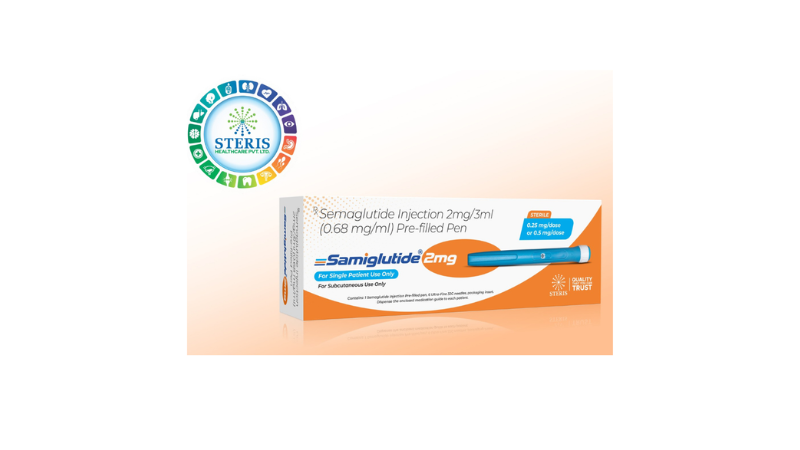
Semaglutide 2 mg Injection Dosage Guide: How to Use It Safely
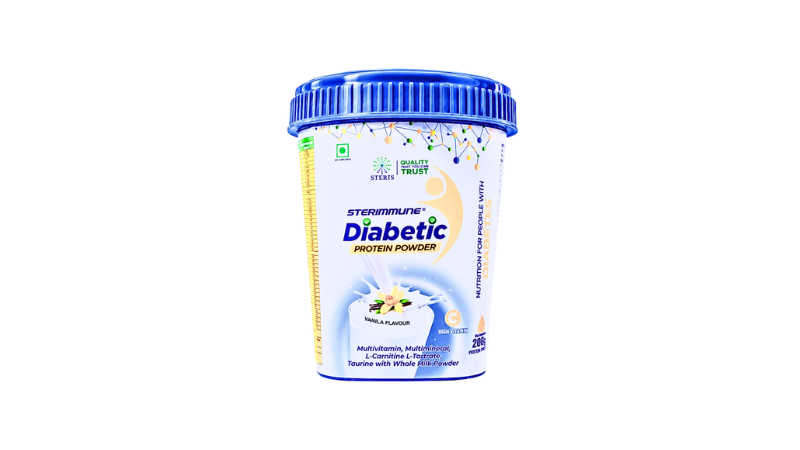
Buy Multivitamin + L-Carnitine + Taurine Protein Powder | Sterimmune
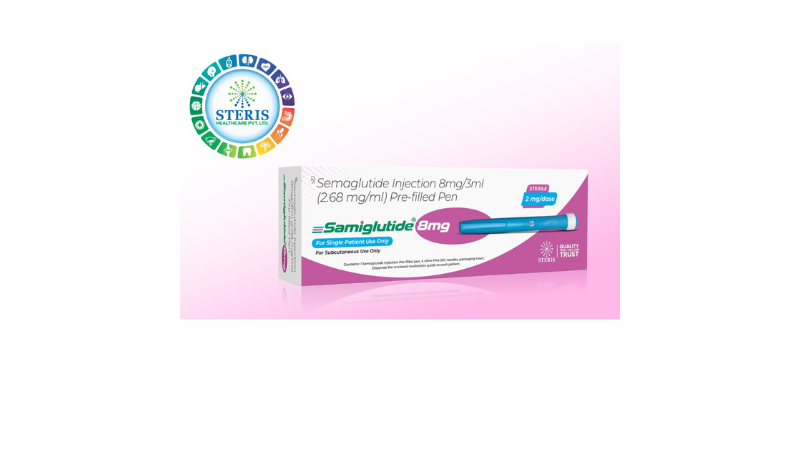
Semaglutide Injection Pen 8 mg: Step-by-Step Dosage & Precautions

BEST semaglutide injection price in india
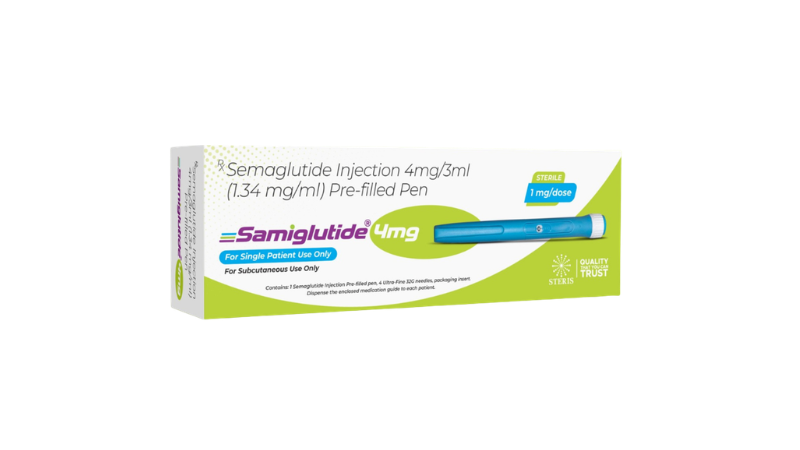
How Semaglutide Injection 4 mg Helps Control Blood Sugar
What Is Telmisartan and Metoprolol Succinate Combination Used For?
TELMISTRUM TRIO 6.25: Telmisartan, Cilnidipine & Chlorthalidone Uses & Side Effects