


OVOCYST M: Understanding, Uses , Dosage ,Side effects, Precautions , ETC....
May 24, 2024
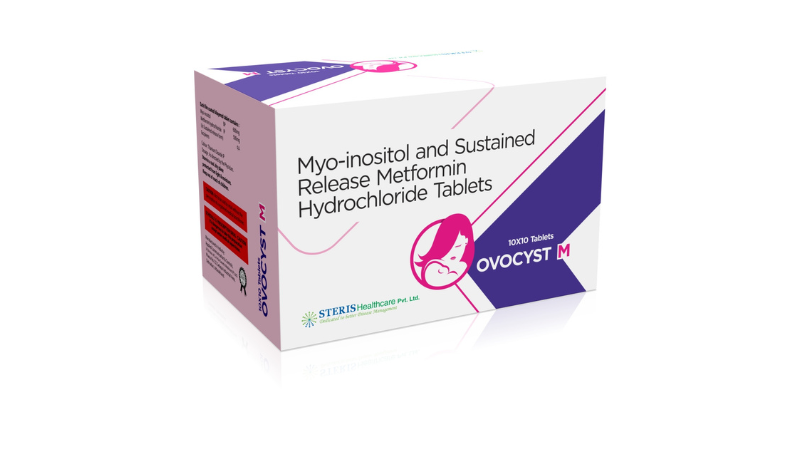
What Are Myo-Inositol and Metformin Hydrochloride Tablets?
Myo-inositol and metformin hydrochloride tablets combine two different agents that can influence metabolic and reproductive features associated with PCOS.
Myo-inositol is a naturally occurring form of inositol involved in cellular signaling and insulin-related pathways. The international PCOS guideline notes that myo-inositol participates in insulin signaling and glucose uptake and may have a role in pathways associated with ovarian function.
Metformin hydrochloride is a medicine that improves insulin sensitivity and is widely used for metabolic conditions. In PCOS, guidelines recommend considering metformin particularly for metabolic outcomes such as insulin resistance, glucose regulation, lipid profiles, and, in appropriate patients, anthropometric outcomes.
The combination is therefore intended to address metabolic and hormonal features of PCOS, rather than simply treating one symptom.
Myo-Inositol and Metformin Hydrochloride Tablets Uses
The most common use of this combination is PCOS management.
Depending on an individual's symptoms and medical assessment, a doctor may prescribe it when PCOS is associated with:
- Insulin resistance or impaired metabolic health
- Irregular or infrequent menstrual periods
- Ovulatory dysfunction
- Metabolic features associated with PCOS
- Difficulty managing certain PCOS-related symptoms through lifestyle measures alone
However, this medicine should not be viewed as a universal PCOS treatment. PCOS is a complex condition, and treatment is generally individualized according to reproductive goals, metabolic risk, menstrual symptoms, androgen-related symptoms, and other health factors.
The 2023 international evidence-based PCOS guideline recommends metformin particularly for metabolic outcomes and notes that lifestyle intervention and metformin can have similar efficacy in some PCOS outcomes.
Key Benefits of Myo-Inositol and Metformin Combination
1. Supports insulin sensitivity
One of the major reasons metformin is used in PCOS is its effect on insulin sensitivity and metabolic health. Improving insulin response can be particularly relevant for people with PCOS who have insulin resistance or increased metabolic risk.
2. May support menstrual-cycle management
PCOS can cause irregular periods because of disrupted ovulation and hormonal signaling. A treatment plan that improves metabolic factors may help some women achieve more regular cycles, although results differ between individuals.
3. May support ovarian function
Myo-inositol is involved in insulin-signaling and reproductive pathways. Some studies have investigated its role in ovulation and ovarian function, but the evidence is not strong enough to claim that every myo-inositol/metformin combination will improve fertility or guarantee ovulation. The current international guideline specifically describes the clinical benefits of inositol for ovulation and reproductive outcomes as limited or uncertain.
4. May complement lifestyle management
For PCOS, medication works best as part of an individualized treatment strategy. Nutrition, physical activity, sleep, weight management when appropriate, and monitoring of metabolic health can all be important components.
5. Addresses metabolic features more directly than inositol alone
The international PCOS guideline states that metformin should be considered over inositol for outcomes such as hirsutism and central adiposity, while acknowledging that metformin has more gastrointestinal side effects.
Myo-Inositol and Metformin Hydrochloride Tablets Side Effects
Like all medicines, this combination can cause side effects. Because metformin is the pharmacologically active medicine most associated with gastrointestinal adverse effects, commonly reported symptoms can include:
- Nausea
- Stomach discomfort
- Bloating
- Diarrhea
- Constipation
- Reduced appetite
- An unpleasant or bitter taste
Indian pharmacy listings for 600 mg myo-inositol + 500 mg metformin products similarly identify gastrointestinal discomfort, bloating, constipation, appetite changes, and nausea among possible side effects.
The 2023 PCOS guideline notes that metformin-related gastrointestinal adverse effects are generally dose-dependent and self-limiting. Starting at a lower dose, gradually increasing when appropriate, and using extended-release formulations can help some patients tolerate treatment better.
Long-term metformin therapy can also be associated with lower vitamin B12 levels, particularly in people with additional risk factors. A healthcare professional may therefore consider B12 monitoring when clinically appropriate.
Seek urgent medical attention for severe or unusual symptoms rather than assuming they are normal medication side effects.
How to Take Myo-Inositol and Metformin Hydrochloride Tablets
Take the medicine exactly as prescribed by your doctor. The appropriate dose depends on the specific formulation, your medical history, kidney function, other medicines, and the reason for treatment.
If your prescription contains a sustained-release formulation, do not crush or chew the tablet unless the product's official instructions specifically allow it.
Taking metformin with food is commonly recommended to improve gastrointestinal tolerability, but follow the directions supplied with your particular prescription.
Do not double the next dose if you forget a tablet. Ask your pharmacist or doctor what to do according to your prescribed schedule.
Who Should Be Careful With This Medicine?
Before taking myo-inositol and metformin hydrochloride tablets, tell your healthcare professional about:
- Kidney or liver problems
- Diabetes or blood-sugar disorders
- Previous intolerance to metformin
- Current prescription or non-prescription medicines
- Planned surgery or certain medical imaging procedures
- Pregnancy or plans to become pregnant
- Breastfeeding
- A history of vitamin B12 deficiency
Metformin is not automatically appropriate for every person with PCOS. Your doctor may evaluate kidney function and other health factors before prescribing it.
It is also important to understand that this tablet is not a guaranteed fertility medicine. For people seeking pregnancy, PCOS treatment should be based on the cause of infertility and current fertility guidelines. The international guideline identifies letrozole as the preferred first-line pharmacological ovulation-induction treatment for anovulatory infertility associated with PCOS when appropriate.
Myo-Inositol vs Metformin: Which Is Better for PCOS?
There is no single answer for everyone.
Metformin has stronger guideline support for several metabolic outcomes in PCOS. Inositol may be considered based on individual preferences and potential metabolic benefits, but the evidence for specific types, doses, ratios, and combinations is still limited. The guideline specifically states that particular inositol types, doses, or combinations cannot currently be recommended because of insufficient high-quality evidence.
Therefore, choosing between myo-inositol alone, metformin alone, or a combination should be based on your symptoms, metabolic profile, reproductive goals, tolerability, and clinician's assessment.
Frequently Asked Questions
1. What are myo-inositol and metformin hydrochloride tablets used for?
They are commonly prescribed as part of PCOS management, particularly when insulin resistance or metabolic concerns accompany irregular periods or ovulatory problems. Metformin has established guideline support for several metabolic outcomes in PCOS, while evidence for specific inositol combinations is more limited.
2. Can myo-inositol and metformin tablets help regulate periods?
They may help some women with PCOS achieve improved menstrual regularity, particularly when metabolic dysfunction contributes to the condition. However, response varies, and irregular periods can have multiple causes.
3. Does myo-inositol and metformin help with fertility?
It may form part of a PCOS treatment plan, but it should not be considered a guaranteed fertility treatment. If pregnancy is the goal, a doctor should evaluate ovulation and other fertility factors and select an evidence-based ovulation-induction strategy when required.
4. What are the common side effects of myo-inositol and metformin tablets?
The most common problems are gastrointestinal, including nausea, bloating, stomach discomfort, diarrhea, constipation, appetite changes, and unpleasant taste. These effects are often related to metformin and may improve as the body adjusts.
5. Can I take myo-inositol and metformin without a prescription?
You should not self-start metformin-containing medication. A healthcare professional should determine whether metformin is appropriate for you, the correct formulation and dose, and whether monitoring is necessary.
6. Is myo-inositol better than metformin for PCOS?
Not universally. Current evidence-based guidance gives metformin stronger support for several metabolic indications, while inositol may be considered according to individual preferences and potential metabolic benefits. Evidence for specific inositol combinations remains limited.
7. Can these tablets cause stomach problems?
Yes. Gastrointestinal effects are among the most common adverse effects associated with metformin. Taking the medicine according to prescription instructions and, where appropriate, using an extended-release formulation can improve tolerability.
8. How long does myo-inositol and metformin take to work for PCOS?
There is no universal timeframe. Improvements in periods, metabolic markers, or other PCOS symptoms can vary considerably. Your doctor may assess progress using symptoms, menstrual history, blood tests, and other appropriate measures rather than relying on a fixed number of days.
Conclusion
Myo-inositol and metformin hydrochloride tablets can be a useful prescription option for selected women with PCOS, particularly when insulin resistance or metabolic concerns are part of the clinical picture. Myo-inositol is involved in insulin-signaling pathways, while metformin has stronger evidence and guideline support for several metabolic outcomes in PCOS.
Recent Post
What Does Semaglutide Do to Your Body? Benefits & Risks
Amlodipine 5 mg + Olmesartan 40 mg: Benefits, Dosage & Precautions
Ramipril 2.5 mg and Hydrochlorothiazide 12.5 mg: Uses, Benefits & Dosage
Atorvastatin 5 mg क्या है? जानें उपयोग, फायदे और साइड इफेक्ट्स
Atorvastatin 40 mg Tablet: उपयोग और जरूरी जानकारी
Levetiracetam 250 mg कैसे काम करती है? जानिए पूरी जानकारी
Gabapentin 300mg और Amitriptyline 10mg Tablets: उपयोग और जानकारी
Citicoline and piracetam tablets क्या हैं? जानें उपयोग, फायदे और साइड इफेक्ट्स
Rosehip Extract & Boswellia Serrata Uses in Hindi | CHONDROFLEX TRIO की पूरी जानकारी
Semaglutide injection in hindi: Semaglutide injection 2 mg, Semaglutide injection 4 mg, Semaglutide injection 8 mg