





MYCOCLARY 500 : Clarithromycin 500 mg Uses, Dosage, Side effect, more information......
Jul 25, 2024
MYCOCLARY 500 is a potent antibiotic formulation containing Clarithromycin 500 mg, a broad-spectrum macrolide antibiotic widely prescribed to treat bacterial infections. Clarithromycin works by inhibiting bacterial protein synthesis, effectively stopping the growth of harmful bacteria responsible for infections in the respiratory tract, skin, soft tissues, and other parts of the body.
In the Indian healthcare context, bacterial infections are a common cause of morbidity, ranging from respiratory illnesses like pneumonia and bronchitis to skin infections and Helicobacter pylori-related ulcers. MYCOCLARY 500 offers a reliable, effective, and convenient solution for such infections, ensuring faster recovery, reduced complications, and improved quality of life.
Clarithromycin is valued for its ability to penetrate tissues and fluids effectively, achieving high local concentrations where infections occur. This makes MYCOCLARY 500 suitable for both acute and chronic bacterial infections. It is widely used in hospitals, clinics, and outpatient settings, trusted by doctors for its efficacy, tolerability, and safety profile.
Uses of MYCOCLARY 500
Clarithromycin 500 mg is indicated for a variety of bacterial infections. Its broad-spectrum activity allows it to target Gram-positive and Gram-negative bacteria, as well as atypical organisms.
1. Respiratory Tract Infections
-
Community-acquired pneumonia
-
Acute exacerbations of chronic bronchitis
-
Sinusitis
-
Pharyngitis and tonsillitis
Clarithromycin helps reduce inflammation, relieve symptoms, and eradicate the underlying infection efficiently.
2. Skin and Soft Tissue Infections
-
Cellulitis
-
Impetigo
-
Wound infections
-
Acne-related bacterial infections
MYCOCLARY 500 penetrates skin tissues effectively, accelerating healing.
3. Helicobacter pylori Eradication
-
Used as part of combination therapy with proton pump inhibitors for H. pylori-associated peptic ulcers
-
Helps reduce gastric inflammation and prevent ulcer recurrence
4. Ear Infections (Otitis Media)
-
Reduces ear pain, inflammation, and bacterial colonization
5. Other Infections
-
Sinus infections resistant to standard antibiotics
-
Mycobacterial infections in certain cases under medical supervision
-
Certain dental infections where bacterial involvement is significant
MYCOCLARY 500 is often preferred when patients are allergic to penicillin or other beta-lactam antibiotics.
Benefits of MYCOCLARY 500
1. Broad-Spectrum Antibacterial Activity
-
Effective against both Gram-positive and Gram-negative bacteria
-
Also targets atypical pathogens such as Mycoplasma and Chlamydia
2. High Tissue Penetration
-
Clarithromycin accumulates in respiratory tissues, sinuses, skin, and gastric mucosa
-
Ensures effective eradication of bacteria at the infection site
3. Symptom Relief
-
Reduces inflammation, pain, and fever associated with infections
-
Accelerates recovery and return to normal daily activities
4. Convenient Dosing
-
Typically administered twice daily, enhancing compliance
-
Available in tablet form suitable for adults and children (dose-adjusted)
5. Helicobacter pylori Therapy
-
Plays a critical role in combination therapy for H. pylori eradication
-
Reduces recurrence of gastric ulcers and promotes gastrointestinal health
6. Alternative for Penicillin-Allergic Patients
-
Safe and effective for patients with penicillin allergies
-
Reduces risk of allergic complications compared to penicillin-based antibiotics
7. Well-Tolerated
-
Generally mild side effect profile compared to some other antibiotics
-
Safe for short-term therapy under medical supervision
8. Reduced Risk of Resistance
-
When used as directed, Clarithromycin has a low tendency for bacterial resistance, making MYCOCLARY 500 reliable for treatment courses.
Dosage of MYCOCLARY 500
Dosage varies depending on the infection type, severity, and patient factors. Always follow a physician’s prescription.
Typical Adult Dose
-
500 mg twice daily for most infections
-
Duration typically 7–14 days, depending on the infection type
Pediatric Dose
-
Dose is weight-based, generally 7.5–15 mg/kg twice daily
-
Administer only under pediatric guidance
Special Considerations
-
H. pylori eradication therapy: part of a combination regimen, usually with a proton pump inhibitor and amoxicillin
-
Severe infections may require dose adjustment or longer duration as prescribed
How to Take
-
Swallow tablets with water
-
Take with or without food
-
Complete the full course even if symptoms improve to prevent relapse or resistance
Missed Dose
-
Take as soon as remembered
-
Skip if the next dose is near; do not double the dose
Overdose
Symptoms may include nausea, vomiting, diarrhea, or liver dysfunction. Seek medical attention immediately in case of overdose.
Side Effects of MYCOCLARY 500
Clarithromycin 500 mg is generally well-tolerated. Most side effects are mild and temporary.
Common Side Effects
-
Nausea and vomiting
-
Diarrhea or loose stools
-
Stomach pain or discomfort
-
Headache
Less Common Side Effects
-
Taste alteration (metallic or bitter taste)
-
Dizziness
-
Mild skin rashes
Rare but Serious Side Effects
-
Severe allergic reactions (swelling, difficulty breathing, hives)
-
Liver function abnormalities
-
Severe diarrhea (may indicate Clostridium difficile infection)
-
Heart rhythm changes (QT prolongation)
If any serious side effects occur, seek immediate medical attention.
Precautions and Warnings
1. Allergy
-
Avoid if allergic to Clarithromycin, other macrolides, or any ingredients
2. Liver or Kidney Disease
-
Use cautiously in patients with impaired liver or kidney function
-
Dose adjustment may be required
3. Pregnancy and Breastfeeding
-
Only use under medical supervision
-
Limited safety data; benefits must outweigh potential risks
4. Heart Conditions
-
May prolong QT interval; caution in patients with cardiac arrhythmias or taking QT-prolonging drugs
5. Drug Interactions
-
May interact with:
-
Statins (risk of muscle damage)
-
Warfarin (anticoagulant effects)
-
Certain antiarrhythmic drugs
-
Antacids (may reduce absorption)
-
6. Avoid Self-Medication
-
Using antibiotics without prescription increases resistance
-
Do not share medication with others
7. Complete Full Course
-
Stopping early can lead to recurrence or resistant infections
8. Monitor Symptoms
-
Report persistent diarrhea, jaundice, or abnormal fatigue to a physician
Conclusion
MYCOCLARY 500, containing Clarithromycin 500 mg, is a highly effective broad-spectrum antibiotic for a wide range of bacterial infections. Its advantages include:
-
Broad-spectrum efficacy against Gram-positive, Gram-negative, and atypical bacteria
-
High tissue penetration for respiratory, skin, and gastric infections
-
Convenient dosing and palatable formulation
-
Role in H. pylori eradication therapy
-
Suitable for patients allergic to penicillin.
-
Frequently Asked Questions (FAQs)
1. What is MYCOCLARY 500 used for?
It treats bacterial infections of the respiratory tract, skin, soft tissues, and helps in H. pylori eradication.
2. How does Clarithromycin work?
It inhibits bacterial protein synthesis, stopping bacterial growth and aiding infection resolution.
3. Can children take MYCOCLARY 500?
Yes, but dosing is weight-based and requires pediatric supervision.
4. How long before symptoms improve?
Most patients notice improvement within 2–3 days, but full course must be completed.
5. Can I take it with food?
Yes, it can be taken with or without food. Taking it with food reduces stomach irritation.
6. Is it safe during pregnancy?
Only under doctor supervision; benefits must outweigh risks.
7. Are there common side effects?
Yes, nausea, diarrhea, headache, and mild stomach discomfort are most common.
8. Can it be used for viral infections?
No, it is ineffective against viral infections and should not be used as a general cold or flu remedy.
9. Can I drink alcohol while taking MYCOCLARY 500?
Alcohol does not interfere significantly, but it may worsen stomach discomfort.
10. Can it be taken with other antibiotics?
Only as prescribed by a doctor, especially in combination therapy for H. pylori.
Recent Post
Semaglutide 4mg vs Pancreatitis Risk: What Doctors Want You to Know
Semaglutide 8mg Injection: Frequently Asked Questions Answered by Experts
Mycophenolate Mofetil 500mg (Mycofortic M 500): Uses, Benefits & Precautions – Complete Guide
What is Bisogard 1.25? Bisoprolol 1.25mg Uses, Dosage & Side Effects Explained

Can Semaglutide Injection Be Used Without Diabetes?

What Are Nintedanib Soft Gelatin Capsules Used For? Complete Guide
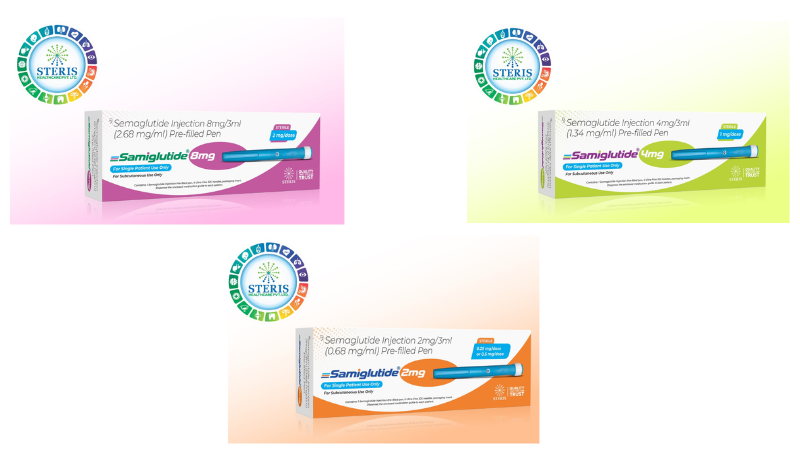
Where to Buy Semaglutide Injection in India: Price, Pen & Prescription Guide
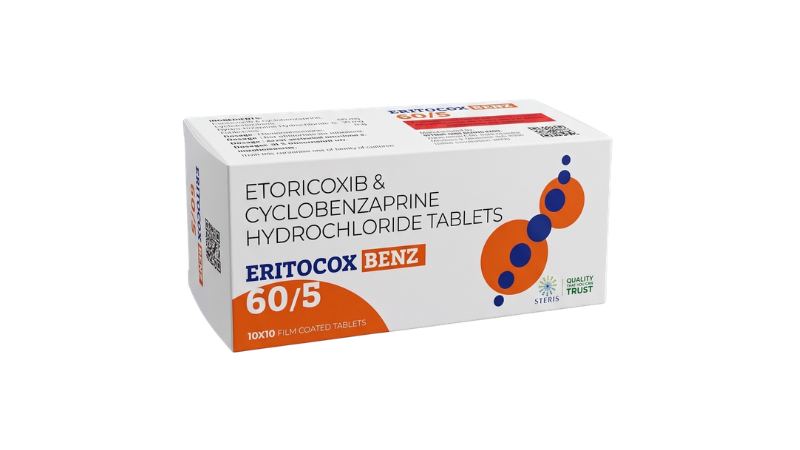
ERITOCOX BENZ 60/5 Dosage Guide: How to Take Etoricoxib & Cyclobenzaprine Tablets Safely

Gabapentin and Methylcobalamin Tablets Side Effects: What Patients Should Know
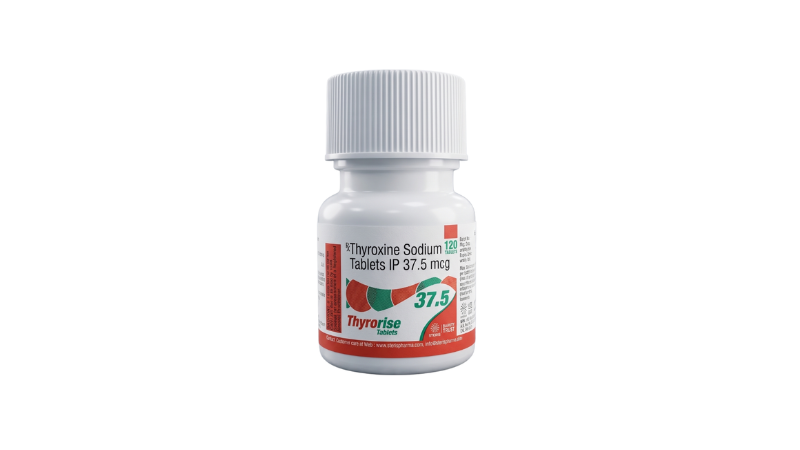
Thyroxine sodium tablets IP: उपयोग, फायदे और साइड इफेक्ट्स