




LYMECYCLE 408 & Lymecycline Capsule (408mg) : Benefits, Uses, Side Effects and Other Information.
Apr 16, 2024
Lymecycline 408mg: What Is It Used For?
Lymecycline 408mg is a tetracycline-class antibiotic used to treat infections caused by bacteria that are susceptible to tetracycline antibiotics. One of its best-known uses is the treatment of moderate to severe acne. Official product information lists lymecycline 408mg capsules among medicines indicated for tetracycline-sensitive infections, including acne.
For acne, lymecycline is generally prescribed as part of a broader treatment plan rather than as a stand-alone long-term solution. Current NICE guidance recommends oral lymecycline or doxycycline alongside appropriate topical treatment for moderate-to-severe acne. The guideline was updated in April 2026, making this an important current reference when discussing the medicine.
Lymecycline is a prescription medicine, so it should be used only when a qualified healthcare professional has determined that an oral antibiotic is appropriate.
How Does Lymecycline 408mg Work?
Lymecycline belongs to the tetracycline group of antibiotics. It works by interfering with bacterial protein production, which prevents susceptible bacteria from growing and multiplying.
In acne, this antibacterial action can help reduce the bacterial contribution to inflammatory acne. The medicine is particularly relevant when acne is more extensive, inflammatory or difficult to manage with topical treatment alone.
However, lymecycline is not a general-purpose acne cure and it does not remove acne scars that are already present. Treatment decisions depend on acne severity, affected areas, previous treatment, contraindications and the risk of scarring.
Key Benefits of Lymecycline 408mg
1. Helps treat moderate-to-severe acne
One of the principal uses of oral lymecycline is moderate-to-severe acne. NICE specifically includes 408mg lymecycline once daily among oral antibiotic options for appropriate patients with moderate-to-severe acne.
2. Can help reduce inflammatory acne
By suppressing susceptible bacteria and contributing to the reduction of inflammation, lymecycline can help improve inflammatory acne lesions when prescribed appropriately.
3. Convenient once-daily treatment
A major practical advantage is that lymecycline is commonly administered once daily. NICE notes that lymecycline and doxycycline are generally taken once daily, which may make adherence easier than antibiotics requiring more frequent dosing.
4. Can reach areas that are difficult to treat topically
Oral treatment can be useful when acne affects areas such as the back or chest, where applying topical medication consistently may be more difficult. NICE specifically notes this potential advantage of the oral component of treatment.
5. Can be combined with appropriate topical treatment
For moderate-to-severe acne, evidence-based treatment commonly combines an oral tetracycline such as lymecycline with a suitable topical therapy. NICE recommends combinations such as topical adapalene with benzoyl peroxide plus oral lymecycline, or topical azelaic acid plus oral lymecycline, depending on the individual situation.
Lymecycline 408mg Dosage: What Should You Know?
The appropriate dose depends on the medicine prescribed and the condition being treated. For acne, NICE guidance specifies 408mg lymecycline once daily as the oral lymecycline option.
Patient information for Tetralysal states that the usual dose is one capsule once daily and that the capsule should be taken with a glass of water.
Do not increase the dose because you want faster results. Taking more antibiotic than prescribed does not necessarily improve acne and can increase the risk of adverse effects.
Always follow the instructions on your prescription and the patient information leaflet supplied with your specific product.
How Long Does Lymecycline Take to Work for Acne?
Acne usually does not disappear immediately after starting an oral antibiotic. Improvement is assessed over time rather than after a few doses.
NICE recommends reviewing first-line acne treatment at 12 weeks to assess improvement and side effects. If acne has improved but has not completely cleared, an oral antibiotic may sometimes be continued alongside topical treatment for up to another 12 weeks, depending on clinical judgment. Antibiotic-containing treatment should generally not continue beyond six months except in exceptional circumstances.
This is important for anyone looking for the best lymecycline 408mg treatment duration: longer is not automatically better. Antibiotic treatment should be reviewed regularly because unnecessary or prolonged antibiotic exposure can contribute to antimicrobial resistance.
Lymecycline 408mg Side Effects
Like all medicines, lymecycline can cause side effects, although not everyone experiences them.
Reported or possible side effects can include:
- Nausea
- Diarrhoea
- Abdominal discomfort or pain
- Headache
- Increased sensitivity to sunlight
- Other gastrointestinal symptoms
A current medicines reference also lists nausea, diarrhoea, headache and abdominal pain among common side effects associated with lymecycline.
Tetracycline antibiotics can cause photosensitivity, meaning your skin may become more sensitive to sunlight. NICE specifically identifies photosensitivity as a potential disadvantage of oral tetracyclines used for acne.
Seek urgent medical attention if you develop symptoms suggesting a serious allergic reaction, severe skin reaction, significant breathing difficulty, swelling of the face or throat, or other severe or unusual symptoms.
The patient information leaflet remains the most appropriate source for the complete list of possible adverse reactions associated with a particular branded or generic product.
Who Should Not Take Lymecycline 408mg?
Lymecycline is not suitable for everyone.
In particular, oral tetracyclines such as lymecycline are generally not used during pregnancy, and NICE also advises against their use during breastfeeding for acne treatment. They are also not recommended for children under 12 for this indication.
Tell your doctor or pharmacist if you:
- Are pregnant, planning pregnancy or breastfeeding
- Have previously experienced an allergy to tetracycline antibiotics
- Have kidney or liver problems
- Take other prescription medicines, over-the-counter medicines or supplements
- Have experienced significant reactions to antibiotics previously
Do not assume that a medicine prescribed to someone else is appropriate for you.
Lymecycline 408mg and Other Medicines
Before taking lymecycline, discuss your medicines with a healthcare professional. Some medicines and supplements can affect how antibiotics are absorbed or may increase the risk of side effects.
In particular, minerals such as calcium, magnesium, iron or aluminium can interact with tetracycline-class medicines. Your pharmacist or prescriber can tell you whether you need to separate lymecycline from a particular supplement or medicine and by how much.
Because individual products and formulations can differ, check the patient leaflet supplied with your prescription rather than relying on generic dosing advice found online.
Is Lymecycline 408mg Good for Acne?
For appropriately selected patients, yes, lymecycline can be an effective oral antibiotic option for moderate-to-severe acne. However, the most evidence-based approach is not simply taking an antibiotic on its own.
NICE recommends combining oral lymecycline with an appropriate topical treatment for moderate-to-severe acne and specifically advises against oral antibiotic monotherapy.
This distinction matters because acne has several contributing mechanisms, including excess sebum, blocked follicles, inflammation and bacterial involvement. A combination approach can therefore address more than one part of the acne process.
Lymecycline 408mg and Antibiotic Resistance
Lymecycline is an antibiotic, so responsible use matters.
Repeated, unnecessary or prolonged antibiotic use can contribute to antimicrobial resistance. NICE explicitly advises healthcare professionals to consider antimicrobial resistance when prescribing antibiotic treatments for acne.
For that reason, lymecycline should not be purchased or taken simply because it appears to be a popular acne treatment online. A clinician should determine whether an oral antibiotic is appropriate and when it should be stopped.
Conclusion: Is Lymecycline 408mg Right for You?
Lymecycline 408mg is an oral tetracycline antibiotic that can be prescribed for moderate-to-severe acne and certain susceptible bacterial infections. Its principal acne benefit is helping reduce inflammatory acne as part of an evidence-based treatment plan. Current NICE guidance supports 408mg once daily for appropriate patients with moderate-to-severe acne, generally alongside topical therapy rather than as antibiotic monotherapy.
The most important benefits are convenient once-daily administration, usefulness for widespread or difficult-to-reach acne and its established role in combination acne treatment. However, it is not suitable for everyone and can cause side effects such as gastrointestinal symptoms and photosensitivity.
If you are considering lymecycline 408mg for acne, the safest approach is to obtain an appropriate medical assessment, use the medicine exactly as prescribed, attend the recommended treatment review and avoid unnecessarily prolonged antibiotic use.
Frequently Asked Questions About Lymecycline 408mg
1. What is lymecycline 408mg used for?
Lymecycline 408mg is a tetracycline antibiotic used for infections caused by susceptible bacteria. It is particularly well established as an oral treatment option for moderate-to-severe acne.
2. Is lymecycline 408mg good for acne?
It can be effective for moderate-to-severe acne when prescribed appropriately. Current NICE guidance recommends oral lymecycline alongside suitable topical treatment rather than using an oral antibiotic alone.
3. How often do you take lymecycline 408mg?
For acne, NICE specifies 408mg once daily as the oral lymecycline regimen. Follow your own prescription and product leaflet because dosing can depend on the indication and product.
4. What are the most common lymecycline 408mg side effects?
Possible side effects include nausea, diarrhoea, abdominal discomfort and headache. Increased sensitivity to sunlight can also occur with tetracycline antibiotics.
5. How long does lymecycline 408mg take to work for acne?
Acne improvement takes time. NICE recommends reviewing treatment at around 12 weeks, assessing both improvement and side effects before deciding whether treatment should continue.
6. Can I take lymecycline 408mg during pregnancy?
Oral tetracyclines such as lymecycline are not recommended for acne during pregnancy. Anyone who is pregnant, planning pregnancy or breastfeeding should discuss treatment with a healthcare professional.
7. Can lymecycline 408mg be used alone for acne?
Current NICE guidance does not recommend oral antibiotic monotherapy for acne. Lymecycline is generally used with an appropriate topical treatment for moderate-to-severe acne.
8. Can I buy lymecycline 408mg without a prescription?
The legal supply requirements depend on the country and product. In the UK medicines references, lymecycline products are prescription medicines. Use a legitimate pharmacy and appropriate medical prescription where required.
9. Does lymecycline 408mg permanently cure acne?
No. Lymecycline can help control acne while it is being used, but it is not a guaranteed permanent cure. Acne often requires a broader treatment and maintenance strategy, particularly after an antibiotic course ends.
10. What should I do if lymecycline 408mg causes side effects?
Do not automatically stop or change the dose without advice, unless you are experiencing a serious reaction requiring urgent medical attention. Contact your doctor or pharmacist to discuss persistent or troublesome symptoms and check the specific patient leaflet for your product.
11. How long to take lymecycline for acne?
Lymecycline for acne typically takes 8–12 weeks, with treatment duration determined by your doctor.
Recent Post
Semaglutide 2 mg Injection Dosage Guide: How to Use It Safely
Buy Multivitamin + L-Carnitine + Taurine Protein Powder | Sterimmune
Semaglutide Injection Pen 8 mg: Step-by-Step Dosage & Precautions
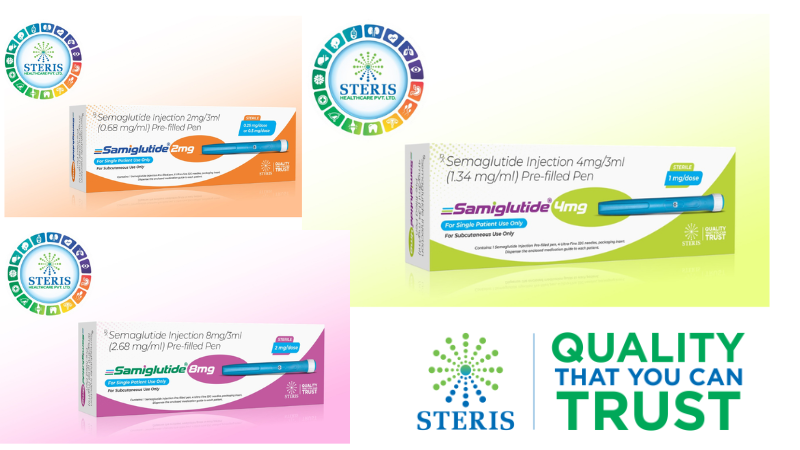
BEST semaglutide injection price in india
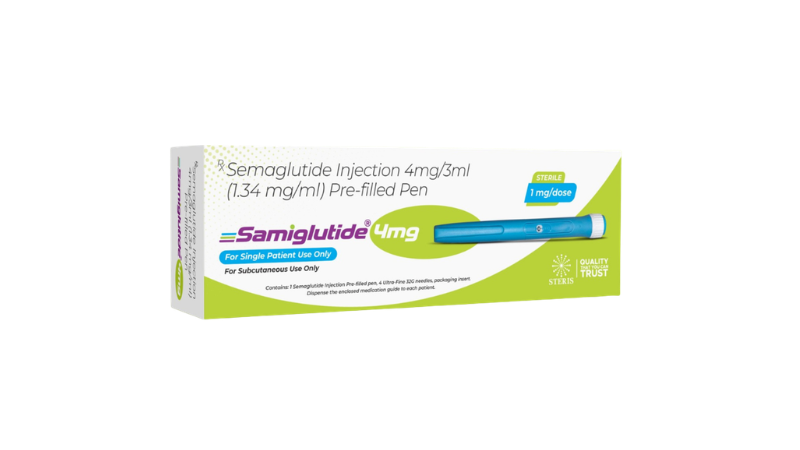
How Semaglutide Injection 4 mg Helps Control Blood Sugar
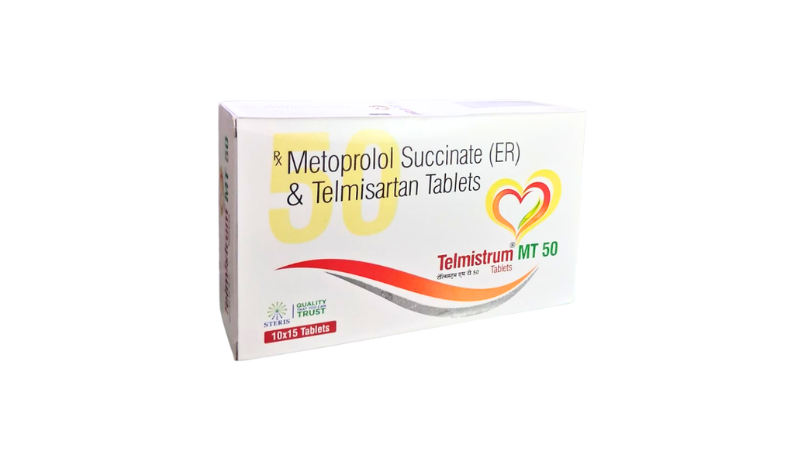
What Is Telmisartan and Metoprolol Succinate Combination Used For?
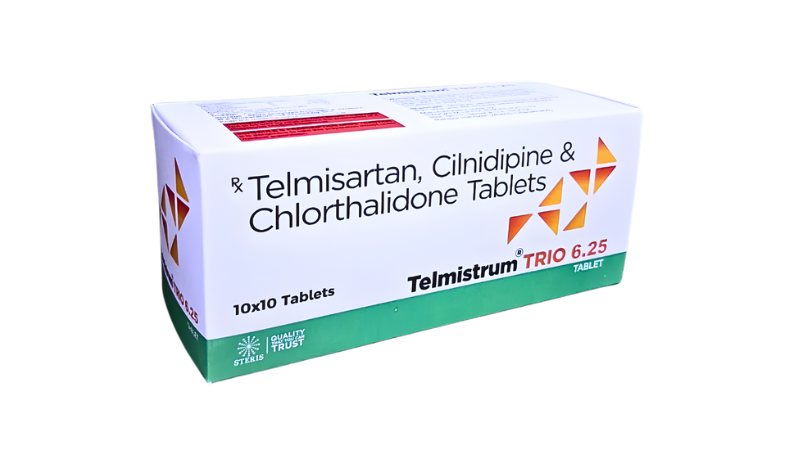
TELMISTRUM TRIO 6.25: Telmisartan, Cilnidipine & Chlorthalidone Uses & Side Effects
TELMISTRUM AZ 16: Telmisartan 40mg & Azelnidipine 16mg Uses, Dosage & Side Effects
What Is Telmisartan and Chlorthalidone Combination Used For?
Telmisartan 40mg + Amlodipine 5mg Tablets: Uses, Dosage & Side Effects