


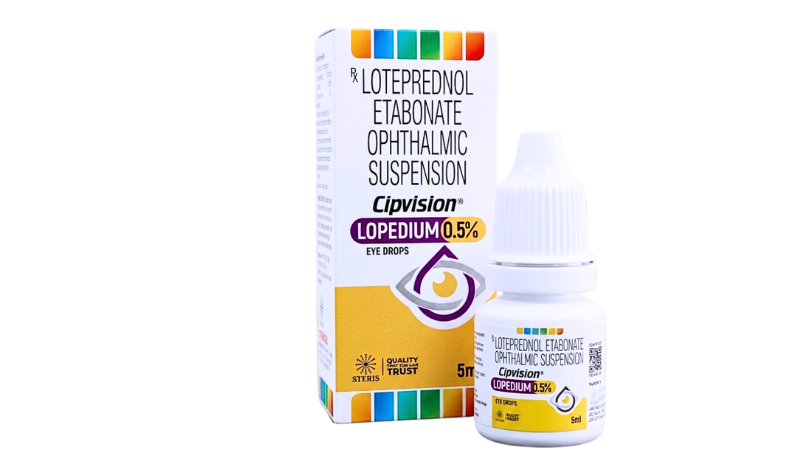



Loteprednol Etabonate Ophthalmic Suspension – Complete Guide to Uses, Dosage & Precautions
Jul 29, 2026
What is CIPVISION LOPEDIUM 0.5% for?
CIPVISION LOPEDIUM 0.5% is a sterile ophthalmic corticosteroid suspension with the active ingredient loteprednol etabonate ophthalmic suspension 0.5% w/v. Manufactured by Steris Healthcare It is prescribed by ophthalmologists for the treatment of steroid-responsive inflammatory conditions of the eye, including post-operative inflammation, allergic conjunctivitis, uveitis, and other inflammatory disorders of the anterior segment of the eye.
Loteprednol etabonate is a type of corticosteroid known as a “soft steroid” or ester-based corticosteroid. Unlike the older generation steroid eye drops, loteprednol is designed to degrade into inactive metabolites after doing its job in the eye tissue. That’s why many doctors prefer it for patients who need effective anti-inflammatory control but a comparatively better safety profile with respect to intraocular pressure (IOP).
CIPVISION LOPEDIUM 0.5% (loteprednol etabonate ophthalmic suspension) is a prescription corticosteroid eye drop used to reduce inflammation, redness, swelling, and pain in the eye, commonly after cataract or refractive eye surgery and for allergic or inflammatory eye conditions. It should be used strictly under medical supervision and shaken well before each use and is not recommended for viral, fungal, or untreated bacterial eye infections.
Why is Loteprednol Etabonate Ophthalmic Suspension Important?
Eye inflammation, if left untreated, can lead to discomfort, blurred vision, scarring of ocular tissue, and in severe cases, permanent vision impairment. Loteprednol etabonate ophthalmic suspension plays an important therapeutic role because it directly targets the underlying inflammatory response at the site of the eye rather than relying on systemic (oral or injectable) steroids that circulate throughout the entire body.
This localized action is especially valuable for:
- Post-surgical patients recovering from cataract surgery, LASIK, or other ocular procedures, where controlling inflammation is essential for proper healing.
- Allergic conjunctivitis sufferers who experience recurring seasonal or perennial eye allergies with redness, itching, and swelling.
- Patients with uveitis and other anterior segment inflammatory disorders who need sustained control of ocular inflammation.
- Individuals sensitive to intraocular pressure spikes, since loteprednol's soft-steroid chemistry is associated with a lower propensity to raise IOP compared to older steroids like prednisolone acetate or dexamethasone, particularly with short-term use.
Because untreated ocular inflammation can progress rapidly, timely and appropriately supervised use of CIPVISION LOPEDIUM 0.5% helps preserve corneal clarity, reduce the risk of complications, and support faster visual recovery.
Key Benefits of CIPVISION LOPEDIUM 0.5%
CIPVISION LOPEDIUM 0.5%, formulated with loteprednol etabonate ophthalmic suspension, offers a combination of anti-inflammatory efficacy and a comparatively favorable ocular safety profile that has made it a widely prescribed option among ophthalmologists.
What are the benefits of loteprednol etabonate ophthalmic suspension?
- Effective anti-inflammatory action – Reduces swelling, redness, and inflammatory cell infiltration in ocular tissue.
- Relief from pain and discomfort—Helps manage post-operative pain, burning, and irritation associated with inflammatory eye conditions.
- Lower risk profile for IOP elevation – The ester-based "soft steroid" structure is metabolized into inactive compounds after exerting its therapeutic effect, which is associated with a reduced tendency to raise intraocular pressure compared to traditional ketone-based steroids, especially in short-course therapy.
- Fast onset of relief – Many patients notice a reduction in redness and discomfort within the first few days of consistent use.
- Versatile indication range – Useful across a spectrum of conditions: post-operative inflammation, seasonal allergic conjunctivitis, giant papillary conjunctivitis, and episcleritis.
- Convenient dosing suspension – The smooth ophthalmic suspension formulation allows even distribution across the ocular surface when properly shaken and instilled.
- Trusted WHO-GMP & ISO-certified manufacturing – Produced by Steris Healthcare under stringent quality control standards to ensure sterility, potency, and consistency in every batch.
Mechanism of Action of Loteprednol Etabonate Ophthalmic Suspension
Loteprednol etabonate ophthalmic suspension works by binding to glucocorticoid receptors within ocular cells, which in turn suppresses the inflammatory cascade. Specifically, it:
- Inhibits the release of arachidonic acid from membrane phospholipids by inducing lipocortin (phospholipase A2 inhibitory protein), thereby reducing the formation of prostaglandins and leukotrienes—the key mediators of inflammation.
- Suppresses the migration of inflammatory cells such as neutrophils and macrophages to the site of ocular injury or irritation.
- Reduces capillary permeability, which helps control the swelling, redness, and fluid leakage typically seen in inflamed ocular tissue.
- Undergoes rapid metabolic breakdown (predictable ester hydrolysis) into inactive metabolites once it has exerted its anti-inflammatory effect, which is the structural basis for its comparatively lower impact on intraocular pressure relative to conventional ketone steroids.
This mechanism allows CIPVISION LOPEDIUM 0.5% to deliver targeted control of ocular inflammation while aiming to minimize certain steroid-related ocular side effects associated with prolonged or high-potency steroid use.
Side Effects of Loteprednol Etabonate Ophthalmic Suspension
As with any corticosteroid preparation, CIPVISION LOPEDIUM 0.5% may cause side effects in some patients. Most are mild and transient, but patients should remain alert to more serious reactions.
Common side effects may include:
- Temporary blurred vision immediately after instillation
- Mild burning, stinging, or discomfort upon application
- Eye redness or irritation
- Watery eyes or increased tear production
- Foreign body sensation in the eye
- Headache
Serious Side Effects of Loteprednol Etabonate Ophthalmic Suspension
- Elevated intraocular pressure (IOP) / glaucoma – Prolonged use, especially beyond the prescribed duration, can raise eye pressure and, in susceptible individuals, contribute to glaucoma.
- Posterior subcapsular cataract formation – Long-term corticosteroid use has been associated with cataract development.
- Delayed wound healing – May slow healing in eyes with corneal or scleral thinning conditions.
- Secondary ocular infections – Steroid use can mask or worsen underlying bacterial, viral (including herpes simplex), or fungal infections of the eye.
- Perforation of the globe—Rare, but reported in eyes with thinning corneal or scleral tissue.
- Visual disturbances – Persistent blurred vision, halos, or reduced visual acuity should be reported immediately.
Available Substitutes for Loteprednol Etabonate Ophthalmic Suspension
| Substitute Composition | Category | Common Use |
|---|---|---|
| Prednisolone Acetate Ophthalmic Suspension | Corticosteroid | Post-surgical & anterior uveitis inflammation |
| Dexamethasone Ophthalmic Suspension/Solution | Corticosteroid | Ocular inflammation, allergic conditions |
| Fluorometholone Ophthalmic Suspension | Corticosteroid | Mild to moderate ocular inflammation |
| Difluprednate Ophthalmic Emulsion | Corticosteroid | Post-operative inflammation and pain |
| Loteprednol Etabonate + Tobramycin Ophthalmic Suspension | Steroid-Antibiotic Combination | Inflammation with bacterial infection risk |
Dosage Guidelines for CIPVISION LOPEDIUM 0.5%
The dosage of loteprednol etabonate ophthalmic suspension must always be determined by a qualified ophthalmologist based on the specific condition being treated, its severity, and the patient's response to therapy.
- Shake well before each use to evenly suspend the active ingredient.
- Usually 1 drop is placed in the affected eye(s) 1 to 4 times a day as directed by your doctor depending on the condition.
- In most cases postoperative inflammation is treated 24 hours after surgery and continues for the period advised by the surgeon (often 2 weeks) tapering as directed.
- Wash hands prior to instillation; do not touch tip of dropper to eye or any surface in order to avoid contamination.
- If you wear contact lenses, remove them before application and wait as recommended by your doctor before reinserting unless otherwise advised.
- If a dose is missed, apply as soon as remembered; do not double the dose to make up for a missed application.
- Do not stop taking the medication suddenly or take it for longer than prescribed without consulting your doctor even if you feel better.
Precautions & Warnings
- Use CIPVISION LOPEDIUM 0.5% only under the supervision of a qualified ophthalmologist.
- Not recommended for use in most viral diseases of the cornea and conjunctiva, including epithelial herpes simplex keratitis (dendritic keratitis), vaccinia, and varicella, as well as fungal or untreated bacterial eye infections, unless specifically directed by your doctor.
- Regular monitoring of intraocular pressure is advised for patients on extended therapy, particularly those with a personal or family history of glaucoma.
- Long-term use requires periodic ophthalmic examination to monitor for cataract formation and other steroid-related ocular changes.
- Inform your doctor if you have a history of herpes simplex eye infection, glaucoma, diabetes, or any other pre-existing eye condition.
- Use with caution in pregnant or breastfeeding women; consult your doctor before use, as safety data in these populations is limited.
- Not intended for pediatric use unless specifically prescribed and monitored by a physician.
- Discontinue use and seek immediate medical attention if you experience severe eye pain, sudden vision loss, or signs of infection such as discharge or worsening redness.
- Avoid driving or operating machinery immediately after instillation if you experience temporary blurred vision.
- Keep out of reach of children. Store as per the label instructions, protected from light and excessive heat.
Conclusion
CIPVISION LOPEDIUM 0.5%, formulated with loteprednol etabonate ophthalmic suspension, is a trusted corticosteroid eye drop from Steris Healthcare, designed to manage inflammation, redness, and discomfort associated with a range of ocular conditions—from post-surgical recovery to allergic and inflammatory eye disorders. Its soft-steroid chemistry offers a therapeutic approach that many ophthalmologists find valuable when balancing efficacy with ocular safety. As with all corticosteroid therapies, it should be used strictly as prescribed, with regular follow-up to monitor eye health and treatment response. Never self-medicate with steroid eye drops — always consult a qualified ophthalmologist for diagnosis, dosage, and duration of therapy.
Frequently Asked Questions
1. What is loteprednol etabonate ophthalmic suspension used for?
It is used to treat steroid-responsive inflammation of the eye, including inflammation after eye surgery, allergic conjunctivitis, uveitis, and other inflammatory conditions of the anterior segment of the eye.
2. Is loteprednol a strong steroid?
Loteprednol etabonate is considered a moderate-potency "soft steroid." It is effective at controlling ocular inflammation while being metabolized into inactive compounds after use, which is associated with a comparatively lower risk of raising eye pressure than some older steroid eye drops.
3. What are the side effects of loteprednol eye drops?
Common side effects include temporary blurred vision, mild burning or stinging, eye redness, watery eyes, and headache. Serious side effects can include raised intraocular pressure, cataract formation with prolonged use, and delayed wound healing.
4. What is CIPVISION LOPEDIUM 0.5% used for?
CIPVISION LOPEDIUM 0.5%, containing loteprednol etabonate ophthalmic suspension, is used to reduce inflammation, swelling, and discomfort in the eye following surgery or due to allergic and inflammatory eye conditions.
5. How long should you use Loteprednol Etabonate Ophthalmic Suspension?
The duration is determined by your ophthalmologist based on your condition, often ranging from a few days to a few weeks, with gradual tapering. Do not use for longer than prescribed without medical advice.
6. How is loteprednol etabonate eye drop applied?
Shake the suspension well, tilt your head back, pull down the lower eyelid, and instill one drop into the affected eye without letting the dropper touch the eye. Wash hands before and after application.
7. Can loteprednol etabonate ophthalmic suspension be used for allergies? Yes, it is commonly prescribed for allergic conjunctivitis and other allergic inflammatory conditions of the eye when short-term steroid control of symptoms is needed.
8. Does loteprednol eye drops increase eye pressure?
It carries a lower relative risk of raising intraocular pressure compared to traditional steroids, but it can still elevate eye pressure, particularly with prolonged use, which is why regular monitoring is recommended.
9. Can loteprednol etabonate ophthalmic suspension be used after cataract surgery?
Yes, it is frequently prescribed to control post-operative inflammation and discomfort following cataract and other ocular surgical procedures.
10. Is a prescription required for CIPVISION LOPEDIUM 0.5%?
Yes, loteprednol etabonate ophthalmic suspension is a Schedule H prescription-only medicine and should only be used under the supervision of a qualified doctor.
11. Can contact lens wearers use loteprednol eye drops?
Contact lenses should generally be removed before application and reinserted only after the interval advised by your doctor, unless specifically instructed otherwise.
12. What conditions should avoid using loteprednol etabonate eye drops?
It should generally be avoided in most viral, fungal, or untreated bacterial eye infections, unless specifically directed by an ophthalmologist, as steroids can worsen these conditions.
13. Can loteprednol etabonate ophthalmic suspension be used during pregnancy?
It should only be used during pregnancy or breastfeeding if clearly advised by a doctor, as safety data in these groups is limited.
14. What should I do if I miss a dose of loteprednol eye drops?
Apply the missed dose as soon as you remember. If it is close to the next scheduled dose, skip the missed one — do not double up.
15. Loteprednol etabonate ophthalmic suspension uses in Hindi—क्या है इसका उपयोग?
लोटेप्रेडनोल एटाबोनेट ऑप्थैल्मिक सस्पेंशन का उपयोग आंखों की सूजन, लालिमा और सर्जरी के बाद होने वाली जलन को कम करने के लिए किया जाता है। इसे केवल डॉक्टर की सलाह पर उपयोग करें।
16. What is the difference between loteprednol and other steroid eye drops?
Loteprednol etabonate is chemically designed as an ester-based "soft steroid" that breaks down into inactive metabolites after action, which is associated with a comparatively better ocular safety margin than some ketone-based steroids like dexamethasone or prednisolone.
17. Can loteprednol etabonate eye drops be stopped suddenly?
No, treatment should be tapered off gradually as directed by your ophthalmologist rather than stopped abruptly to avoid rebound inflammation.
For Further Information:
Mail Us: contact@sterispharma.com or info@sterispharma.com
Call Now: +918824175417, +919982524671
Recent Post
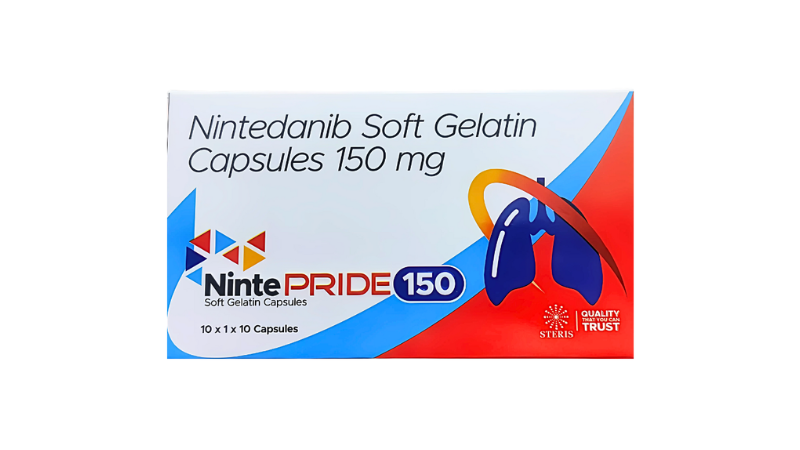
What Are Nintedanib Soft Gelatin Capsules Used For? Complete Guide
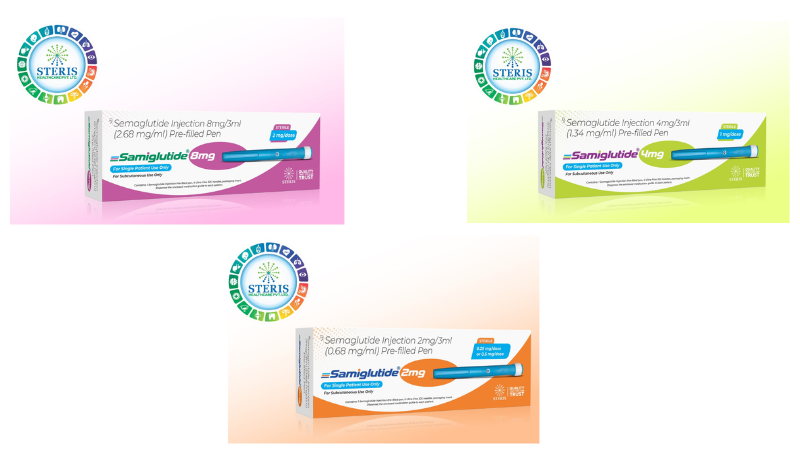
Where to Buy Semaglutide Injection in India: Price, Pen & Prescription Guide
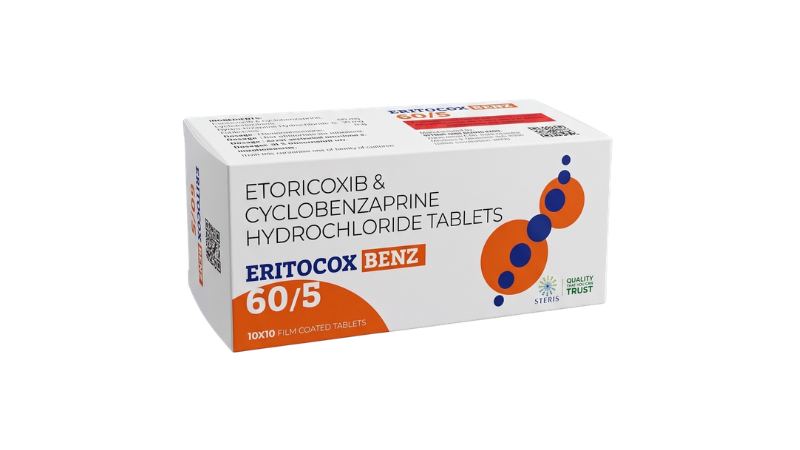
ERITOCOX BENZ 60/5 Dosage Guide: How to Take Etoricoxib & Cyclobenzaprine Tablets Safely
Gabapentin and Methylcobalamin Tablets Side Effects: What Patients Should Know
Thyroxine sodium tablets IP: उपयोग, फायदे और साइड इफेक्ट्स
Semaglutide 2 mg Injection Dosage Guide: How to Use It Safely
Buy Multivitamin + L-Carnitine + Taurine Protein Powder | Sterimmune
Semaglutide Injection Pen 8 mg: Step-by-Step Dosage & Precautions
BEST semaglutide injection price in india
How Semaglutide Injection 4 mg Helps Control Blood Sugar