





How Acupuncture Can Support Thyroid Function and Hormonal Balance
Sep 25, 2024
Exploring Acupuncture: A Complementary Treatment for Thyroid Imbalance
Thyroid disorders have become increasingly common in today's world, affecting millions of people globally. Whether it’s hypothyroidism, where the thyroid is underactive, or hyperthyroidism, where the thyroid is overactive, managing these conditions is vital for overall well-being. Conventional treatment often includes medications or, in severe cases, surgery. However, as more individuals turn towards alternative therapies, acupuncture is gaining attention for its potential in helping to balance thyroid hormone levels.
Understanding Thyroid Disorders
The thyroid gland is responsible for regulating metabolism, energy production, and overall hormone balance in the body. When thyroid function is disrupted, it can lead to a host of issues, including weight gain or loss, fatigue, mood swings, and even heart problems. Conventional treatments, while effective for many, do not always provide a holistic solution, leading people to explore alternative therapies such as acupuncture.
How Acupuncture Works for Thyroid Disorders
Acupuncture is an ancient Chinese therapy that involves inserting fine needles into specific points on the body to stimulate energy flow, known as "Qi" (Chi). This practice is based on the belief that balancing the flow of Qi can help the body restore its natural harmony. For thyroid disorders, acupuncture aims to regulate the endocrine system, particularly targeting the thyroid gland.
Studies have shown that acupuncture can help improve thyroid function by:
- Stimulating the hypothalamus and pituitary gland, which play key roles in regulating the thyroid.
- Reducing stress and anxiety, both of which are common in people suffering from thyroid imbalances.
- Enhancing circulation, allowing for better hormone regulation and overall health improvement.
Can Acupuncture Truly Balance Thyroid Hormones?
The role of acupuncture in balancing thyroid hormones has been explored in several studies, and while the results are promising, more research is required for definitive conclusions. However, many patients report positive results when combining acupuncture with conventional thyroid treatments.
- In cases of hypothyroidism, acupuncture may help by improving energy levels, boosting metabolism, and alleviating symptoms like fatigue and weight gain.
- For hyperthyroidism, acupuncture could help in managing symptoms like anxiety, restlessness, and palpitations by promoting a calming effect and reducing excess Qi.
One key advantage of acupuncture is its holistic approach. Rather than focusing solely on the thyroid, it addresses the entire body's energy balance, potentially offering more comprehensive relief for individuals struggling with thyroid issues.
Combining Acupuncture with Conventional Treatments
While acupuncture may offer a complementary solution for thyroid disorders, it’s important to note that it should not replace conventional treatments. Instead, it can be an effective complementary therapy when used alongside prescribed medication or other treatments recommended by healthcare professionals.
For individuals considering acupuncture for thyroid health, it is essential to work with a licensed acupuncturist who has experience treating endocrine disorders.
Holistic Health Solutions
In addition to acupuncture, other holistic approaches like a balanced diet, regular exercise, and stress management techniques can further support thyroid health. Natural supplements and herbs may also be beneficial, but these should always be taken under professional guidance to avoid potential interactions with thyroid medication.
If you’re looking to explore a range of health solutions, including those for thyroid disorders and diabetes, visit our website Steris Online. We provide a variety of health products that may support your journey to optimal health.
Conclusion
Acupuncture offers an exciting, natural option for those seeking alternative therapies to manage thyroid disorders. While it’s not a standalone cure, it has shown potential in helping to balance thyroid hormone levels, alleviate symptoms, and improve overall well-being. Always consult with your healthcare provider before starting any new treatment, and remember that a combination of therapies often yields the best results for managing thyroid health.
For more insights and health solutions, visit our website at Steris Online.
Recent Post
Semaglutide 4mg vs Pancreatitis Risk: What Doctors Want You to Know
Semaglutide 8mg Injection: Frequently Asked Questions Answered by Experts
Mycophenolate Mofetil 500mg (Mycofortic M 500): Uses, Benefits & Precautions – Complete Guide
What is Bisogard 1.25? Bisoprolol 1.25mg Uses, Dosage & Side Effects Explained

Can Semaglutide Injection Be Used Without Diabetes?
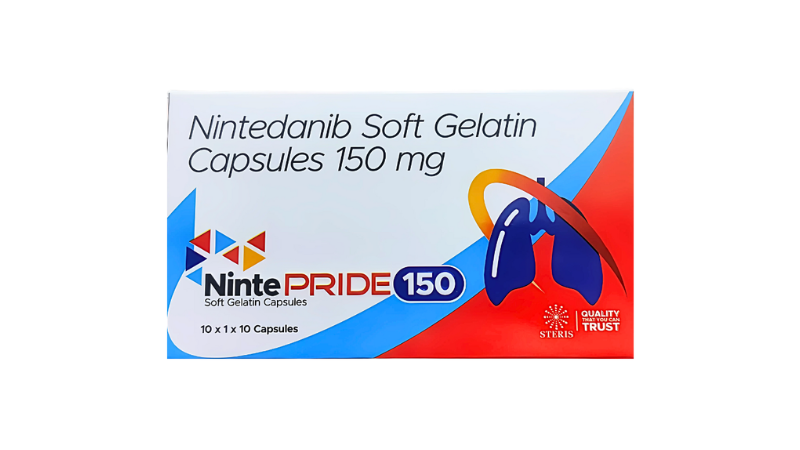
What Are Nintedanib Soft Gelatin Capsules Used For? Complete Guide

Where to Buy Semaglutide Injection in India: Price, Pen & Prescription Guide
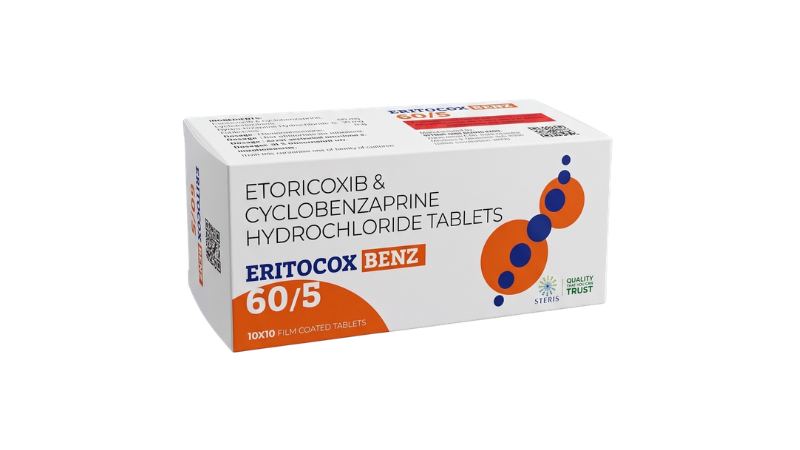
ERITOCOX BENZ 60/5 Dosage Guide: How to Take Etoricoxib & Cyclobenzaprine Tablets Safely
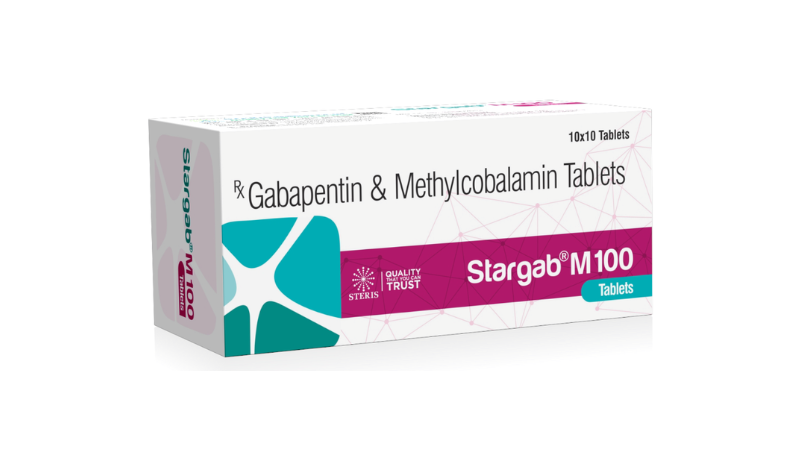
Gabapentin and Methylcobalamin Tablets Side Effects: What Patients Should Know
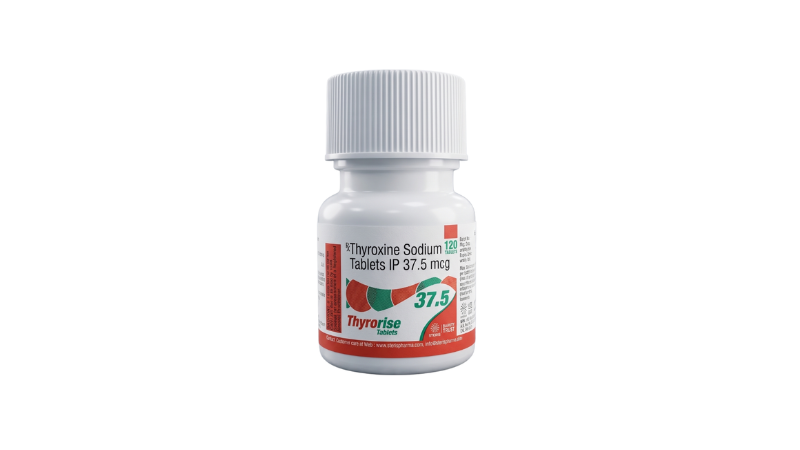
Thyroxine sodium tablets IP: उपयोग, फायदे और साइड इफेक्ट्स