




Heart Care and Muscle Pain - What You Need to Know
Jul 24, 2025
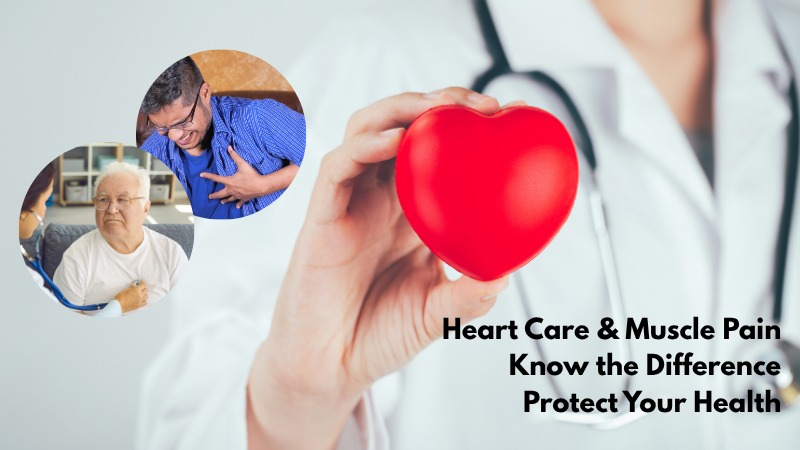
Caring for your heart is essential at every stage of life, and many people who are physically active or recovering from exercise often deal with muscle pain as well. While both heart health and muscle discomfort are common concerns, they can sometimes be confused especially when chest pain or fatigue is involved.
Understanding Heart-Related Pain
Your heart is a muscular organ, but pain originating from the heart is very different from a pulled muscle or workout soreness.
Signs of Heart-Related Pain (Seek Immediate Medical Help)
●Chest tightness or pressure (often described as a "weight" on the chest)
●Pain radiating to the arm, jaw, neck, or back
●Shortness of breath
●Dizziness or lightheadedness
●Nausea or cold sweats
●Pain that occurs with exertion and improves with rest
These symptoms may indicate angina (reduced blood flow to the heart) or even a heart attack. If you experience them, don’t dismiss it as a pulled muscle and get emergency help.
What Is Muscle Pain?
Muscle pain (also called myalgia) is usually localized and happens due to
●Physical activity (delayed onset muscle soreness)
●Overuse or strain
●Tension or stress
●Infections or inflammation
●Nutrient deficiencies (like low magnesium or potassium)
Characteristics of Muscle Pain
●Tenderness in a specific muscle or group
●Pain increases with movement or pressure
●No radiating pain to other areas
●Often improves with rest, stretching, or heat therapy
Muscle pain is usually not dangerous, but chronic or unexplained pain should be evaluated.
How Are the Heart and Muscles Connected?
Your heart is technically a muscle, the cardiac muscle and it needs proper oxygen, blood flow, and nutrients just like skeletal muscles.
●Poor circulation: Affects oxygen delivery to muscles and the heart
●Dehydration: Can cause muscle cramps and stress the heart
●Electrolyte imbalance: Can lead to irregular heartbeats and muscle spasms
●Stress: Elevates blood pressure and causes muscle tension
Heart Care Tips for a Stronger Cardiovascular System
-
Exercise Regularly - Cardio activities like walking, cycling, swimming, or running help strengthen your heart and improve circulation.
-
Eat a Heart-Healthy Diet - Leafy greens and vegetables, Whole grains, Lean proteins (like fish, tofu, and legumes), Healthy fats (avocados, olive oil, nuts), Low sodium, low sugar
-
Control Blood Pressure and Cholesterol - These are major risk factors for heart disease.
-
Manage Stress - Chronic stress affects both your heart and muscle health.
-
Stay Hydrated - Proper hydration supports blood flow and reduces muscle fatigue.
Tips for Managing Muscle Pain
-
Rest and Recover - Don’t overtrain. Give muscles time to heal.
-
Use Ice or Heat - Ice reduces inflammation, heat relaxes tight muscles.
-
Stay Active Gently - Light walking or stretching helps circulation.
-
Eat Protein and Anti-Inflammatory Foods - Support muscle repair with lean protein, turmeric, and omega-3s.
-
Massage and Foam Rolling - Helps release muscle tension and improve blood flow.
When Muscle Pain Could Be More Serious
-
Muscle pain accompanied by chest discomfort
-
Sudden weakness or loss of movement
-
Swelling or redness in the area
-
Pain that doesn't improve with rest
-
Muscle breakdown symptoms (dark urine, extreme fatigue)
These could signal rhabdomyolysis, infections, or cardiovascular issues.
Active Lifestyle? Balance Heart and Muscle Care
If you're someone who exercises regularly or is starting a fitness journey, here’s how to stay balanced
-
Warm up and cool down properly
-
Don’t ignore pain in the chest or upper body
-
Keep heart-healthy snacks and water nearby during workouts
-
Know your family history of heart disease
-
See a doctor for yearly heart checkups especially if you’re over 40 or have risk factors
Final Thoughts
Your heart and muscles work together more than you think. Caring for both ensures a strong, healthy body and understanding the difference between typical soreness and warning signs of a heart issue could literally save your life.
Whether you're chasing fitness goals or just trying to feel better every day, the key is listening to your body and giving it what it needs: movement, nutrients, rest, and attention.
Recent Post
Semaglutide Injection 2mg/3ml (SAMIGLUTIDE) – Uses, Benefits, Dosage & Side Effects

L-Glutathione, Vitamin C & Alpha Lipoic Acid Tablets: Uses, Benefits & Side Effects

Vitamin A, D & Calcium Chloride: Uses, Benefits & Safety Information

How Does Vitamin C Face Serum Benefit Your Skin?

Minoxidil & Finasteride Topical Solution: How Does It Work?

Minoxidil Gel: Uses, Side Effects & Important Precautions
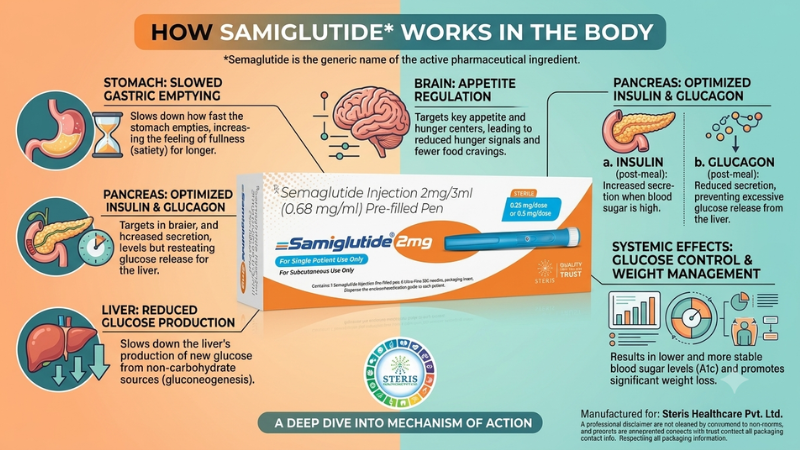
What Does Semaglutide Do to Your Body? Benefits & Risks
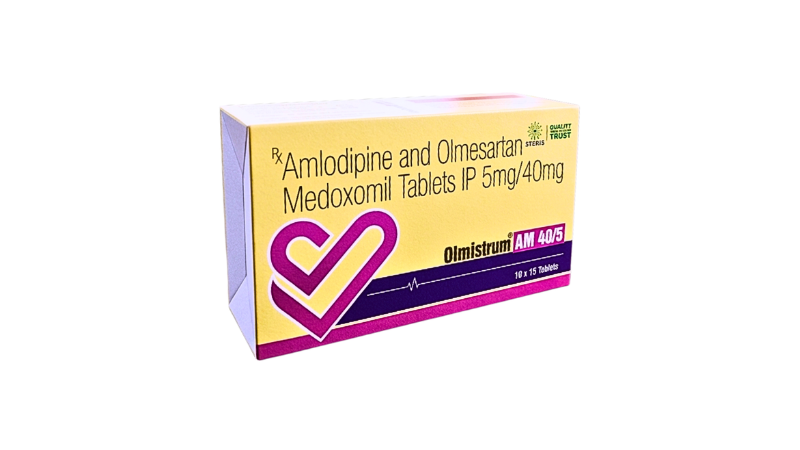
Amlodipine 5 mg + Olmesartan 40 mg: Benefits, Dosage & Precautions
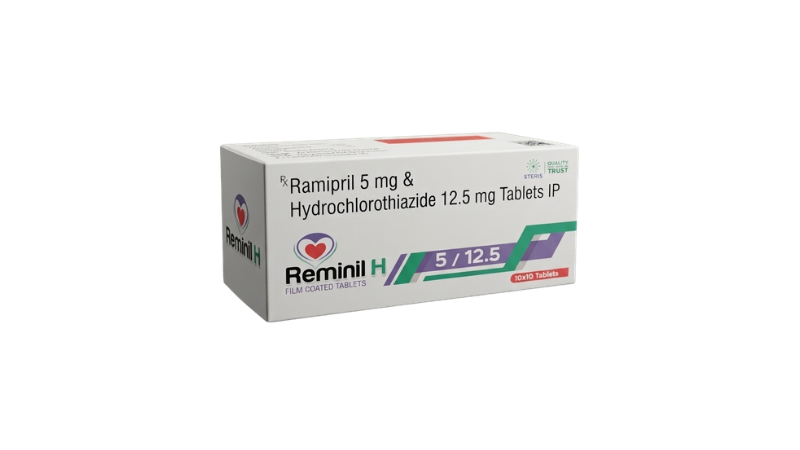
Ramipril 2.5 mg and Hydrochlorothiazide 12.5 mg: Uses, Benefits & Dosage
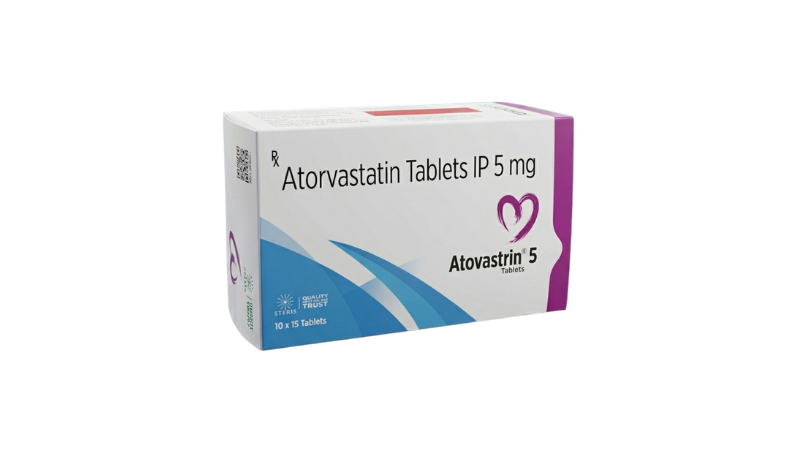
Atorvastatin 5 mg क्या है? जानें उपयोग, फायदे और साइड इफेक्ट्स