


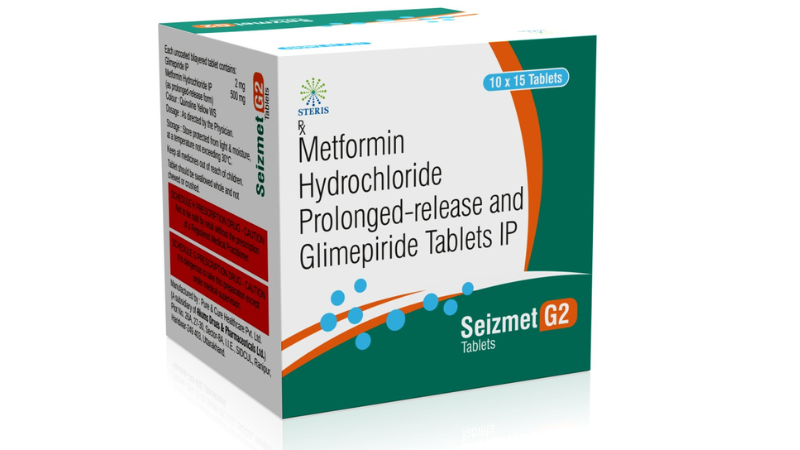



Glimepiride and metformin HCI (G2)
Aug 17, 2023
Glimepiride and metformin HCI
SEIZMET G are two commonly prescribed medications used in the management of type 2 diabetes mellitus. They work through different mechanisms to help control blood sugar levels.
Here are some key points about SEIZMET G:
Glimepiride: Glimepiride belongs to a class of medications called sulfonylureas. SEIZMET G works by stimulating the pancreas to release insulin, which helps lower blood sugar levels. Glimepiride helps the body utilize insulin more effectively and can be particularly helpful for individuals with some remaining pancreatic function. SEIZMET G is taken orally and is typically dosed once daily, usually before breakfast or the first main meal of the day.
Metformin HCI: Metformin HCI is a biguanide medication that primarily works by reducing glucose production in the liver and improving insulin sensitivity in peripheral tissues. It also helps decrease intestinal absorption of glucose and enhances glucose uptake by muscle cells. Metformin HCI is usually taken orally, and the dosage can vary, but it is often taken multiple times a day with meals.
Combination use: SEIZMET G are often used together as a combination therapy to achieve better glycemic control in individuals with type 2 diabetes. The combination targets multiple aspects of glucose regulation, with glimepiride promoting insulin release and metformin HCI addressing insulin resistance. Combining the medications can lead to better blood sugar control and may allow for lower doses of each individual medication.
Effectiveness: SEIZMET G , when used in combination, have been found to be effective in improving glycemic control and managing blood sugar levels in individuals with type 2 diabetes. They help lower HbA1c levels, which is a measure of long-term blood sugar control. Individual response to treatment may vary, and close monitoring of blood sugar levels and other relevant parameters is important.
Side effects: Glimepiride can sometimes cause hypoglycemia (low blood sugar) as a side effect, especially if the dosage is too high or if meals are skipped. Other potential side effects of glimepiride include weight gain and gastrointestinal symptoms such as nausea and diarrhea. Metformin HCI may cause gastrointestinal side effects such as nausea, diarrhea, and abdominal discomfort. SEIZMET G is important to report any concerning side effects to a healthcare professional.
Precautions: SEIZMET G should be used with caution in individuals with certain medical conditions or a history of specific complications. SEIZMET G is important to inform the healthcare professional about all current medications being taken to avoid potential drug interactions.
For further information please contact:
info@sterispharma.com
order now: - https://www.sterisonline.com/product/seizmet-g-2-133437
Recent Post
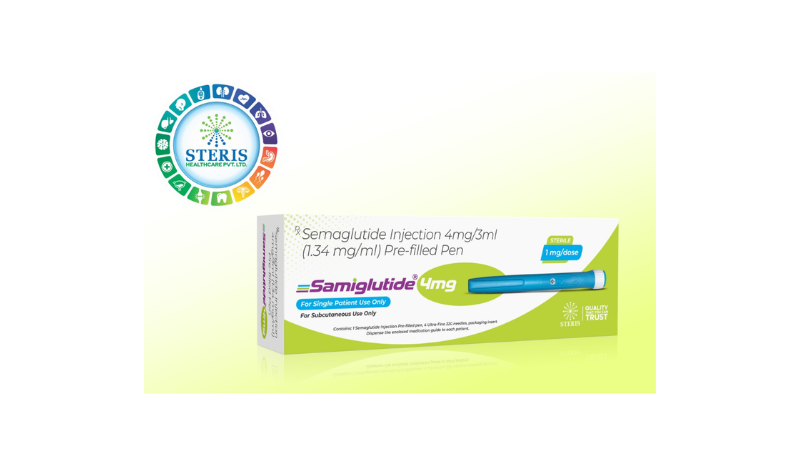
Semaglutide 4mg vs Pancreatitis Risk: What Doctors Want You to Know
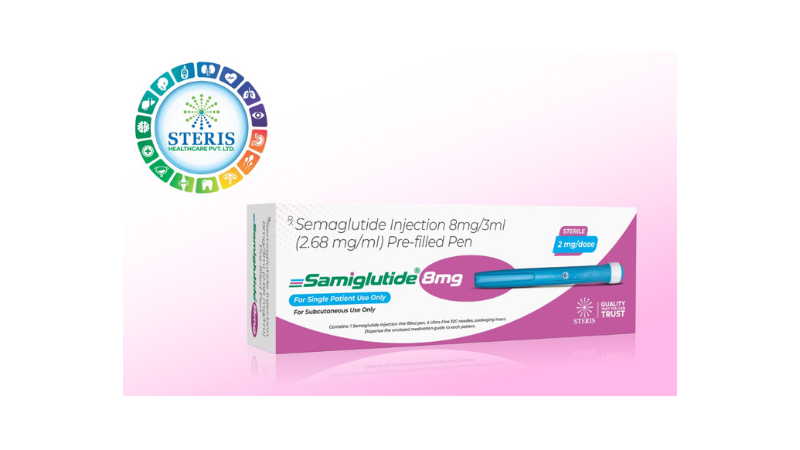
Semaglutide 8mg Injection: Frequently Asked Questions Answered by Experts
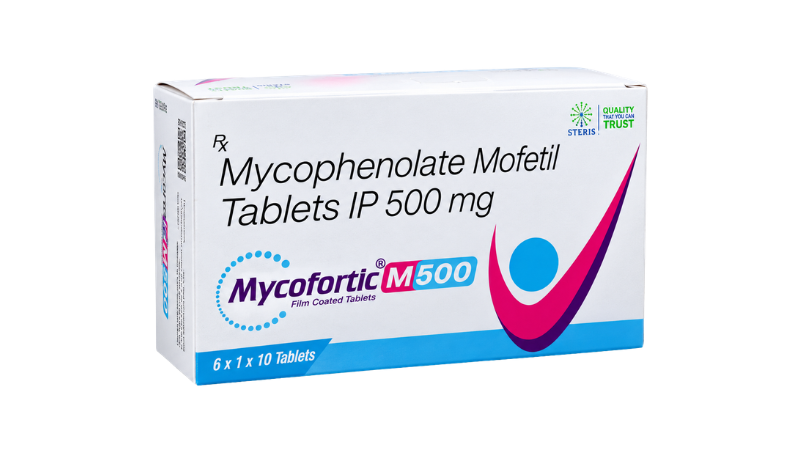
Mycophenolate Mofetil 500mg (Mycofortic M 500): Uses, Benefits & Precautions – Complete Guide
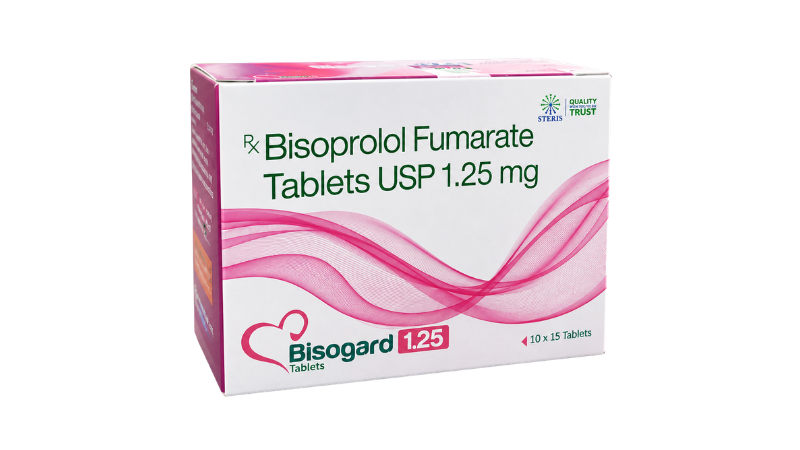
What is Bisogard 1.25? Bisoprolol 1.25mg Uses, Dosage & Side Effects Explained

Can Semaglutide Injection Be Used Without Diabetes?

What Are Nintedanib Soft Gelatin Capsules Used For? Complete Guide

Where to Buy Semaglutide Injection in India: Price, Pen & Prescription Guide
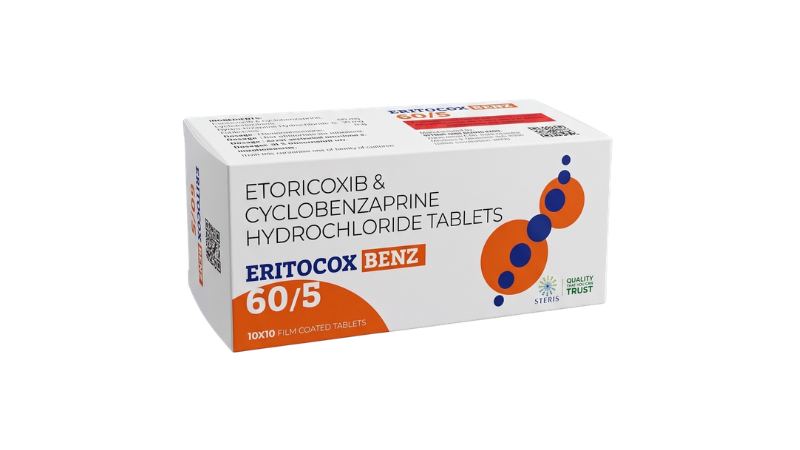
ERITOCOX BENZ 60/5 Dosage Guide: How to Take Etoricoxib & Cyclobenzaprine Tablets Safely
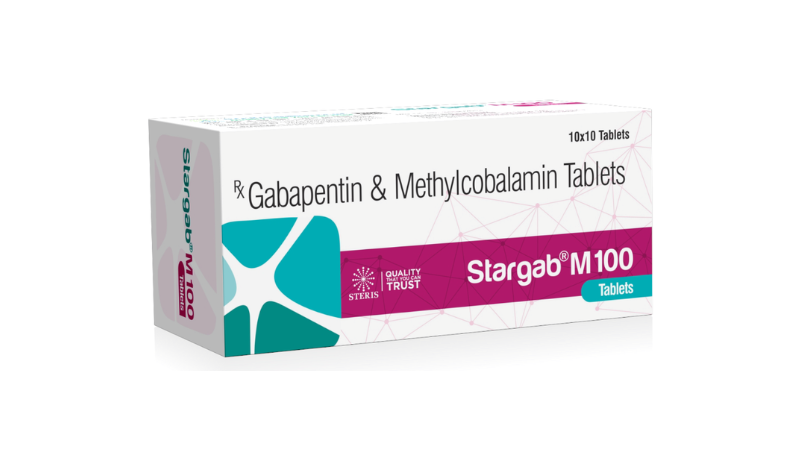
Gabapentin and Methylcobalamin Tablets Side Effects: What Patients Should Know
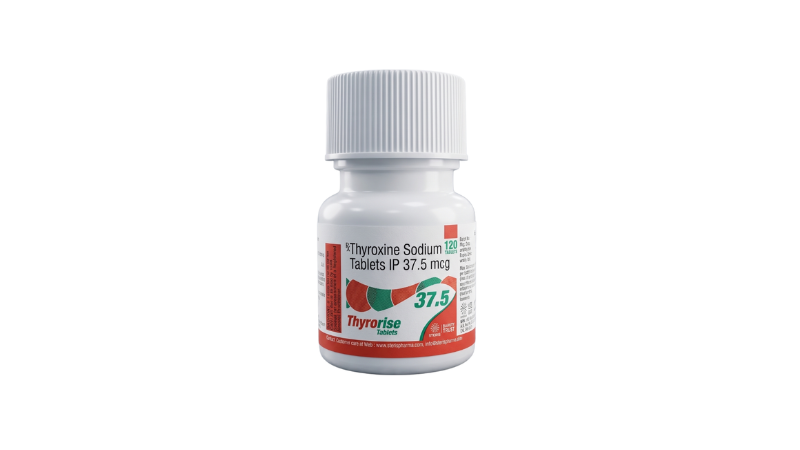
Thyroxine sodium tablets IP: उपयोग, फायदे और साइड इफेक्ट्स