


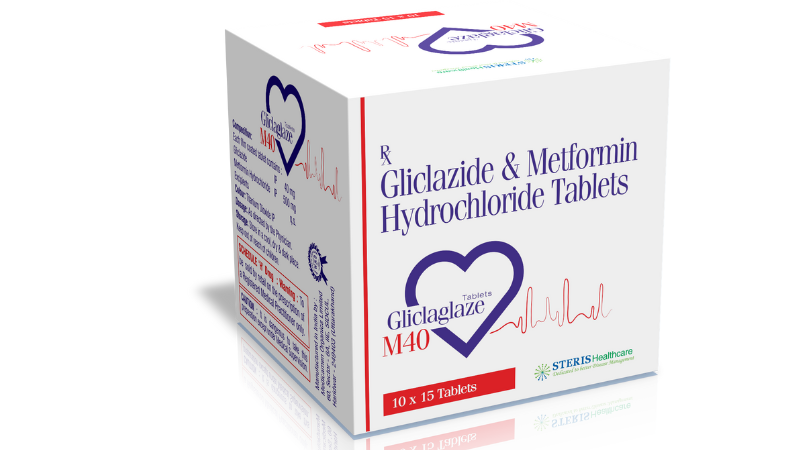



Gliclazide 40mg + Metformin 500 mg Tablet - ( GLICLAGLAZE M 40 ) : USES, BENIFITS, SIDE EFFECTS, PRICE AND MORE.
Apr 09, 2024
Type 2 diabetes has become increasingly common worldwide due to sedentary lifestyles, high‑calorie diets, stress and genetic factors. Uncontrolled blood sugar gradually damages the heart, kidneys, eyes, blood vessels and nerves. Effective and timely treatment is crucial to prevent these long‑term complications.
GLICLAGLAZE M 40 is a combination anti‑diabetic tablet that brings together gliclazide (40 mg) and metformin (500 mg). This dual therapy helps control blood sugar levels in adults with type 2 diabetes when diet, exercise and single‑drug therapy are not enough.
1. What is GLICLAGLAZE M 40?
GLICLAGLAZE M 40 is an oral anti‑diabetic medicine used for the management of type 2 diabetes mellitus in adults.
- Brand name: GLICLAGLAZE M 40
- Composition (per tablet):
- Gliclazide 40 mg
- Metformin 500 mg
It combines two established medicines:
- Gliclazide – a sulfonylurea, which increases insulin secretion from the pancreas.
- Metformin – a biguanide, widely used as first‑line therapy in type 2 diabetes.
Together, these two drugs in GLICLAGLAZE M 40 help to lower both fasting and post‑meal blood sugar, improving overall glycaemic control.
2. How GLICLAGLAZE M 40 Works (Mechanism of Action)
The combination in GLICLAGLAZE M 40 acts through complementary mechanisms.
2.1 Gliclazide 40 mg
Gliclazide is a second‑generation sulfonylurea.
- It acts primarily on the beta cells of the pancreas.
- By blocking specific potassium channels on these cells, it stimulates insulin secretion.
- Increased insulin helps cells take up more glucose from the blood, thereby lowering blood sugar levels.
Key points about gliclazide:
- Mainly reduces fasting and post‑meal glucose by enhancing insulin release.
- Works independent of blood glucose level → higher chance of hypoglycaemia if diet or dosing is not appropriate.
- May lead to mild weight gain in some patients.
2.2 Metformin 500 mg
Metformin acts mainly by:
- Decreasing hepatic glucose production: Reduces the amount of sugar produced by the liver.
- Improving insulin sensitivity: Makes body tissues (muscles and fat) more sensitive to insulin.
- Slightly reducing intestinal glucose absorption.
Key points about metformin:
- Primarily lowers fasting blood sugar.
- Usually weight neutral or may cause modest weight loss.
- Very low risk of hypoglycaemia when used alone (but risk can increase in combination with sulfonylureas).
2.3 Synergistic Action in GLICLAGLAZE M 40
Combining gliclazide and metformin in GLICLAGLAZE M 40:
- Targets multiple defects in type 2 diabetes:
- Reduced insulin secretion (gliclazide helps)
- Increased hepatic glucose output and insulin resistance (metformin helps)
- Improves both fasting and post‑prandial blood glucose.
- Often results in a greater HbA1c reduction than using only one drug.
3. Indications: When is GLICLAGLAZE M 40 Used?
GLICLAGLAZE M 40 is usually prescribed for:
- Adults with type 2 diabetes mellitus, when:
- Diet, exercise and metformin alone are insufficient to control blood sugar, or
- Patients are already on separate gliclazide and metformin tablets and need a fixed‑dose combination for convenience.
It may be used as:
- Dual therapy with lifestyle modifications
- Part of triple therapy along with other anti‑diabetic drugs (such as DPP‑4 inhibitors, SGLT2 inhibitors, or insulin), depending on doctor’s advice
GLICLAGLAZE M 40 is not indicated for:
- Type 1 diabetes
- Diabetic ketoacidosis (DKA) or hyperosmolar hyperglycaemic state
Your doctor will decide if GLICLAGLAZE M 40 is suitable based on your medical history, current blood sugar status and other risk factors.
4. Benefits of GLICLAGLAZE M 40
When used correctly under medical supervision, GLICLAGLAZE M 40 can offer several advantages:
-
Better Glycaemic Control
- Helps to reduce HbA1c, fasting and post‑prandial blood sugar.
- Useful when metformin alone is no longer enough.
-
Complementary Mechanisms
- Gliclazide boosts insulin secretion.
- Metformin improves insulin sensitivity and lowers liver glucose production.
-
Convenience & Adherence
- Fixed‑dose combination (FDC) reduces pill count compared to taking gliclazide and metformin separately.
- Fewer tablets may improve treatment adherence.
-
Cardio‑Metabolic Profile (Metformin)
- Metformin has well‑studied benefits on weight and metabolic risk factors.
- May contribute to a more favorable cardio‑metabolic profile compared to sulfonylurea alone.
-
Flexible Dosing
- 40 mg of gliclazide with 500 mg metformin allows your doctor to build up doses gradually, or combine with other strengths if needed.
5. Dosage and Administration of GLICLAGLAZE M 40
The dose of GLICLAGLAZE M 40 must be tailored individually. Always follow your doctor’s prescription.
5.1 Typical Adult Dose
A commonly used regimen may be:
- 1 tablet of GLICLAGLAZE M 40 once or twice daily, usually with meals.
Your doctor may:
- Start with a lower dose or once‑daily dosing, then gradually increase based on your blood glucose response and tolerance.
- Combine GLICLAGLAZE M 40 with additional metformin or other oral agents if necessary.
Never adjust the dose on your own.
5.2 How to Take GLICLAGLAZE M 40
- Take GLICLAGLAZE M 40 with food, preferably with or just after a meal (breakfast and/or dinner).
- Swallow the tablet whole with water; do not crush or chew unless your doctor specifically advises.
- Take it at the same time each day to maintain consistent blood levels and reduce the risk of missed doses.
6. Missed Dose and Overdose
6.1 If You Miss a Dose
- If you forget a dose, take it as soon as you remember, with food.
- If it is almost time for your next dose, skip the missed one and continue with your regular schedule.
- Do not take a double dose to compensate for the missed tablet.
Any change in routine that leads to missed doses can worsen blood sugar control.
6.2 Overdose
Taking too much GLICLAGLAZE M 40 can lead to serious hypoglycaemia (low blood sugar), and potentially increase the risk of lactic acidosis from metformin in susceptible patients.
Signs of hypoglycaemia include:
- Sweating
- Tremors or shakiness
- Palpitations
- Intense hunger
- Headache, dizziness
- Confusion, irritability
- In severe cases: seizures, loss of consciousness
If you suspect overdose or severe low blood sugar:
- Immediately consume fast‑acting carbohydrates (e.g., glucose tablets, sugary drink).
- Seek emergency medical care without delay.
7. Side Effects of GLICLAGLAZE M 40
Like all medicines, GLICLAGLAZE M 40 can cause side effects, although not everyone experiences them.
7.1 Common Side Effects
Common side effects due to metformin:
- Nausea, vomiting
- Diarrhoea or loose stools
- Abdominal discomfort or cramps
- Loss of appetite
- Metallic taste in the mouth
These tend to occur when starting treatment and often improve over time. Taking GLICLAGLAZE M 40 with meals usually helps.
Common side effects due to gliclazide:
- Hypoglycaemia (low blood sugar), especially if:
- You skip meals
- You exercise more than usual without adjusting intake
- You take too high a dose or combine with other glucose‑lowering drugs
7.2 Less Common or Serious Side Effects
Less common but more serious reactions may include:
- Severe hypoglycaemia, which can be life‑threatening if untreated.
- Lactic acidosis (rare but serious, associated with metformin) – see section 8.
- Allergic reactions: skin rash, itching, redness, swelling, difficulty breathing.
- Liver issues: unusual fatigue, dark urine, yellowing of the skin or eyes (jaundice).
- Blood disorders (rare): changes in blood counts such as anaemia, low platelets.
- Gastrointestinal intolerance that does not improve with time.
If you experience any severe or persistent side effects, stop the medicine and consult your doctor immediately.
8. Lactic Acidosis Warning (Metformin Component)
Lactic acidosis is a rare but serious side effect related to metformin accumulation in the blood.
8.1 Who is at Higher Risk?
- People with severely impaired kidney function or rapidly deteriorating renal function
- Those with severe liver disease
- Patients with uncontrolled heart failure, recent heart attack, or severe respiratory failure
- Severe infections, dehydration, shock, or conditions causing poor oxygen supply to tissues
- Heavy alcohol consumption, especially binge drinking
- Use of iodinated contrast agents for X‑ray/CT scans in patients with poor kidney function
8.2 Symptoms of Lactic Acidosis
- Rapid or difficult breathing
- Severe or persistent nausea, vomiting, stomach pain
- Extreme fatigue, weakness or malaise
- Muscle pain or cramps
- Feeling cold, especially in arms and legs
- Dizziness, slow/irregular heartbeat
If you suspect lactic acidosis, stop GLICLAGLAZE M 40 and seek emergency medical help immediately.
9. Who Should Not Take GLICLAGLAZE M 40?
GLICLAGLAZE M 40 may be contraindicated or used only under strict supervision in many situations. Inform your doctor if:
- You have type 1 diabetes or a history of diabetic ketoacidosis.
- You have severe kidney dysfunction or significantly reduced eGFR.
- You suffer from severe liver disease.
- You have uncontrolled heart failure or severe respiratory disorders.
- You have previously had lactic acidosis.
- You are a heavy drinker or have alcohol dependence.
- You are pregnant, planning pregnancy, or breastfeeding.
- You are undergoing major surgery or acute medical conditions that may affect kidney function or fluid balance.
- You have a known allergy to gliclazide, metformin, other sulfonylureas, or any component of the tablet.
Your doctor will determine whether GLICLAGLAZE M 40 is safe for you or if another treatment is more appropriate.
10. Drug Interactions with GLICLAGLAZE M 40
Always tell your doctor about all medicines, supplements and herbal products you are using.
Some interactions to be aware of (not a complete list):
- Other oral anti‑diabetics or insulin: Increases risk of hypoglycaemia.
- Beta‑blockers (e.g., propranolol, metoprolol): Can mask some symptoms of low blood sugar (like palpitations and tremors).
- ACE inhibitors, ARBs, diuretics, NSAIDs: May affect kidney function, altering metformin clearance.
- Corticosteroids, certain antipsychotics, oral contraceptives, thyroid hormones: Can increase blood sugar, possibly requiring dose adjustment of anti‑diabetic therapy.
- Iodinated contrast agents: May cause sudden kidney function decline; metformin typically needs to be paused before and after such procedures, as advised by your doctor.
- Alcohol: Increases the risk of lactic acidosis with metformin and can also lead to unpredictable blood sugar swings.
Your healthcare provider will guide adjustments in dose, monitoring or drug combinations to maintain safety.
11. Use in Special Populations
11.1 Elderly Patients
- Elderly people are more likely to have reduced kidney function and may be more sensitive to hypoglycaemia.
- Dose should be started carefully and increased slowly, with regular monitoring.
11.2 Patients with Kidney or Liver Disease
- Kidney impairment: Metformin dose may need reduction or complete avoidance in moderate to severe renal dysfunction; sulfonylureas may also need dose adjustments.
- Liver impairment: Both gliclazide and metformin require caution; severe hepatic disease is usually a contraindication.
11.3 Pregnancy and Breastfeeding
- Blood sugar needs tight control during pregnancy; insulin is usually preferred.
- Combination oral tablets like GLICLAGLAZE M 40 are generally not recommended in pregnancy and breastfeeding unless specifically advised by a specialist.
12. Monitoring While Taking GLICLAGLAZE M 40
Regular monitoring helps ensure effective and safe treatment:
- Fasting and post‑meal blood glucose – to track day‑to‑day control.
- HbA1c – every 3–6 months to assess long‑term control.
- Kidney function tests (serum creatinine, eGFR) – at baseline and periodically.
- Liver function tests, if indicated by symptoms or risk factors.
- Weight, blood pressure, lipid profile – as part of comprehensive diabetes care.
Keep a diary of your blood sugar readings and share it with your doctor during visits.
13. Lifestyle Measures to Maximize the Benefits of GLICLAGLAZE M 40
GLICLAGLAZE M 40 works best when combined with strong lifestyle changes.
13.1 Diet
-
Follow a balanced diabetic diet focusing on:
- High fiber (vegetables, whole grains, legumes)
- Lean protein sources (pulses, fish, eggs, lean meat as advised)
- Healthy fats (nuts, seeds, olive or mustard oil in moderation)
-
Avoid or limit:
- Sugary drinks and sweets
- Refined carbohydrates (white bread, bakery items, polished rice)
- Deep‑fried and high‑fat junk foods
-
Eat small, frequent meals rather than heavy, infrequent ones to reduce glycaemic swings.
13.2 Physical Activity
- Aim for at least 150 minutes per week of moderate aerobic exercise (walking, cycling, swimming), if approved by your doctor.
- Add strength training 2–3 times per week to improve insulin sensitivity.
- Start slowly if you are not used to exercise, and gradually increase intensity and duration.
13.3 Weight Management
- Even a 5–10% reduction in body weight can significantly improve blood sugar and reduce medication needs.
- GLICLAGLAZE M 40 includes metformin, which helps prevent weight gain often linked with sulfonylureas alone.
13.4 Quit Smoking & Limit Alcohol
- Smoking significantly raises the risk of heart disease, stroke and peripheral vascular disease in people with diabetes.
- Limit or avoid alcohol due to its impact on blood sugar and metformin‑related lactic acidosis risk.
14. GLICLAGLAZE M 40 vs Separate Gliclazide and Metformin Tablets
Your doctor may shift from separate tablets of gliclazide and metformin to GLICLAGLAZE M 40 for several reasons:
- Convenience: One tablet vs two separate tablets.
- Improved adherence: Fewer pills often means a lower chance of missing doses.
- Fixed ratio: Ensures a consistent combination dose as per the treatment plan.
However, in some cases, separate tablets allow greater dosing flexibility, and your doctor will choose the best approach for you.
15. Storage and Handling of GLICLAGLAZE M 40
To keep GLICLAGLAZE M 40 safe and effective:
- Store at room temperature, away from excessive heat, moisture and direct sunlight.
- Keep tablets in the original blister strip or container.
- Keep out of reach of children and pets.
- Do not use the medicine after its expiry date printed on the pack.
- Do not use tablets that appear broken, discolored or damaged.
- Dispose of unused or expired medicine according to local guidelines or return it to a pharmacy for safe disposal.
16. Patient Counselling Tips for GLICLAGLAZE M 40
Healthcare professionals can support patients using GLICLAGLAZE M 40 by emphasizing:
-
Understanding the Disease: Explain that type 2 diabetes is chronic and needs lifelong attention, but good control greatly reduces complications.
-
Correct Use of Medicine:
- Take GLICLAGLAZE M 40 with meals.
- Stick to the prescribed dose and timing.
- Do not stop or change the dose without medical advice.
-
Recognizing and Managing Hypoglycaemia:
- Teach symptoms: sweating, tremors, palpitations, confusion, intense hunger.
- Explain immediate treatment: consume 15–20 g of fast‑acting carbohydrate, recheck sugar if possible, then take a small snack.
-
Monitoring and Follow‑up:
- Stress the need for regular self‑monitoring of blood glucose (if recommended).
- Emphasize routine follow‑ups and lab tests.
-
Lifestyle Importance:
- Reinforce that medication works best with diet, exercise, weight management, and avoiding tobacco.
17. Frequently Asked Questions About GLICLAGLAZE M 40
Q1. What is GLICLAGLAZE M 40 used for?
GLICLAGLAZE M 40 is used in adult patients with type 2 diabetes mellitus to improve blood sugar control when diet, exercise and metformin alone are not enough.
Q2. How long will I need to take GLICLAGLAZE M 40?
Type 2 diabetes is usually a lifelong condition. GLICLAGLAZE M 40 may be used long term, but doses and combinations may change over time as guided by your doctor.
Q3. Can GLICLAGLAZE M 40 cure diabetes?
No. It controls blood sugar; it does not cure diabetes. However, with strict lifestyle changes and appropriate therapy, some patients may reduce or modify medications under medical supervision.
Q4. Will GLICLAGLAZE M 40 cause weight gain?
Gliclazide may cause mild weight gain, but metformin tends to be weight neutral or slightly weight‑reducing. Overall, maintaining a controlled diet and regular exercise is essential to manage weight.
Q5. Can I drink alcohol while taking GLICLAGLAZE M 40?
Alcohol can increase the risk of hypoglycaemia and lactic acidosis (with metformin). It is best to limit or avoid alcohol and discuss safe limits with your doctor.
Q6. Is GLICLAGLAZE M 40 safe during pregnancy or breastfeeding?
Oral combination tablets like GLICLAGLAZE M 40 are generally not recommended during pregnancy and breastfeeding. Insulin is usually preferred. Always consult your doctor if you are pregnant or planning to conceive.
Q7. What should I do if I experience frequent low blood sugar episodes?
Frequent hypoglycaemia could mean your dose is too high or diet/activity levels are not matched. Record the episodes and contact your doctor as soon as possible for dose adjustment and dietary counselling.
We Have Our Diabetic Range.
| Composition | Brand Name |
| Gliclazide 80mg and Metformin Hydrochloride 500mg Tablets |
GLICLAGLAZE M 80 |
| Gliclazide SR (60mg),Metformin SR (500 mg) |
GLICLAGLAZE MET |
| Gliclazide Modified Release Tablets 60 mg |
GLICLAGLAZE MR 60 |
| Voglibose (0.3mg), Metformin (500mg), Gliclazide (80mg) |
GLICLAGLAZE TRIO 0.3 |
| Gliclazide IP (40 mg), Metformin Hydrochloride IP (500 mg), Voglibose IP (0.3 mg) | GLICLAGLAZE TRIO 40/0.3 |
| Gliclazide IP (40 mg) , Pioglitazone Hydrochloride IP (15 mg) , Metformin Hydrochloride IP (500 mg) | TRI - GLICLAGLAZE 40 |
| Gliclazide (80mg) |
GLICLAGLAZE 80 |
| Gliclazide 40mg |
GLICLAGLAZE 40 |
Recent Post
Atorvastatin 40 mg Tablet: उपयोग और जरूरी जानकारी
Levetiracetam 250 mg कैसे काम करती है? जानिए पूरी जानकारी
Gabapentin 300mg और Amitriptyline 10mg Tablets: उपयोग और जानकारी
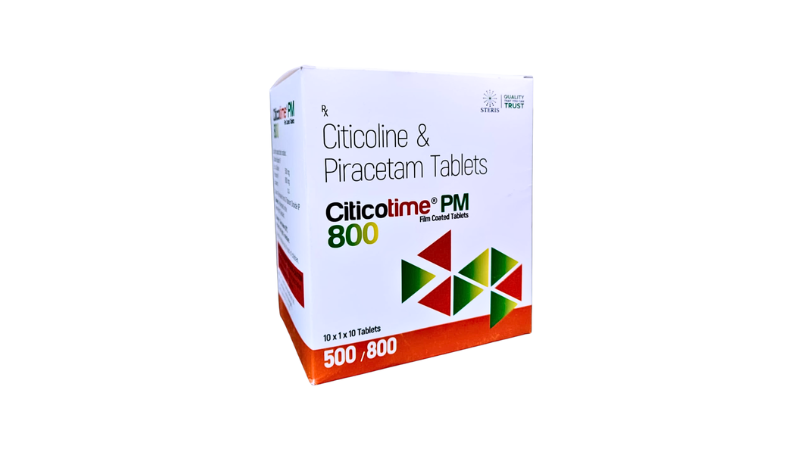
Citicoline and piracetam tablets क्या हैं? जानें उपयोग, फायदे और साइड इफेक्ट्स
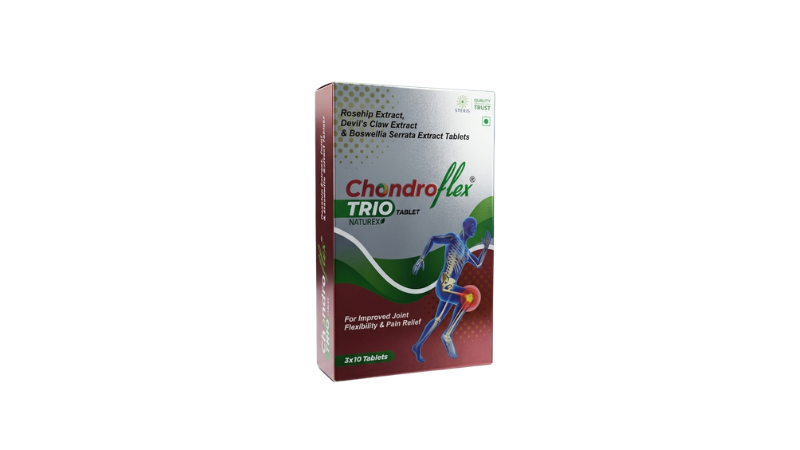
Rosehip Extract & Boswellia Serrata Uses in Hindi | CHONDROFLEX TRIO की पूरी जानकारी
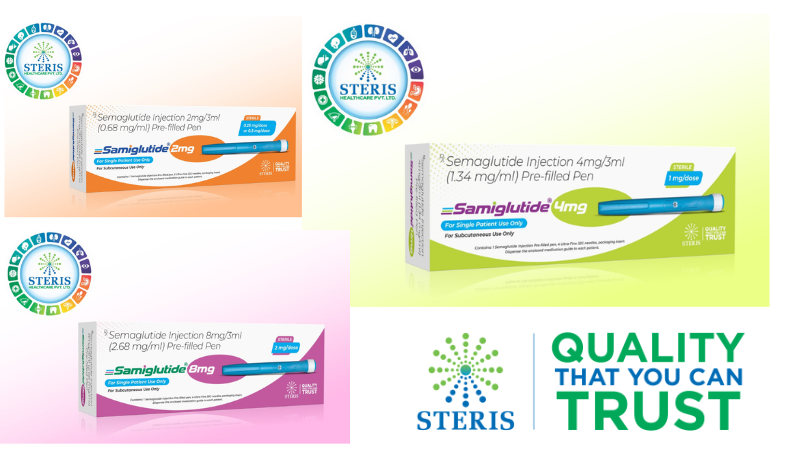
Semaglutide injection in hindi: Semaglutide injection 2 mg, Semaglutide injection 4 mg, Semaglutide injection 8 mg
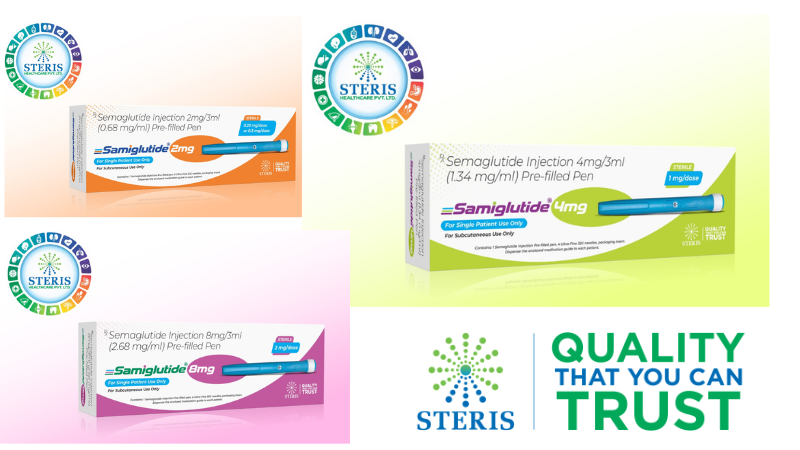
Semaglutide injection once a week : how does it work?
Tacrolimus 0.5 mg Capsule के उपयोग, लाभ और सावधानियां हिंदी में
Lansoprazole Orally Disintegrating Tablets 15 mg Uses in Hindi: LANSOSTRUM 15 JUNIOR के फायदे, उपयोग और सावधानियां
Ibandronic Acid Tablet Uses in Hindi: हड्डियों की सुरक्षा और फ्रैक्चर से बचाव का पूरा गाइड