


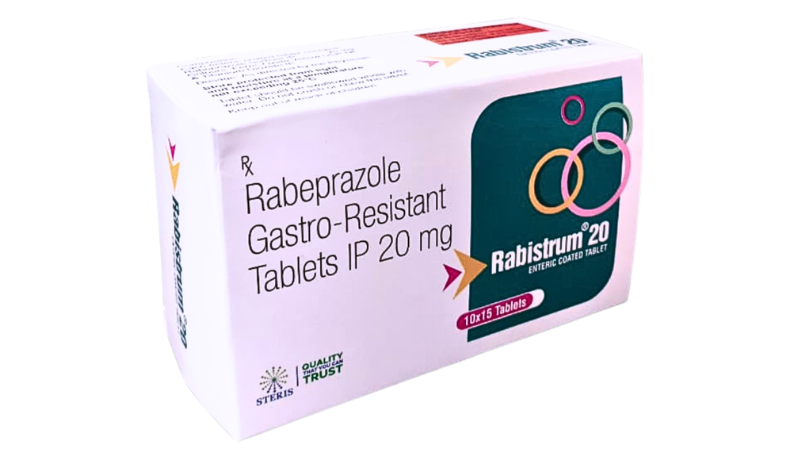



Rabeprazole Gastro Resistant Tablet IP 20 mg: Uses, Benefits, Dosage & Side Effects
Jul 22, 2026
Rabeprazole gastro resistant tablet is a widely prescribed medication used to reduce excess stomach acid and provide long-lasting relief from acid-related digestive disorders. It belongs to a class of medicines known as proton pump inhibitors (PPIs), which work by blocking the acid-producing pumps in the stomach lining. Because the tablet is gastro resistant (enteric-coated), it passes safely through the stomach and dissolves in the intestine, ensuring the medicine reaches the bloodstream without being damaged by stomach acid. This specialized coating also helps maximize its effectiveness while reducing irritation to the stomach lining.
People suffering from frequent acidity, gastroesophageal reflux disease (GERD), stomach ulcers, duodenal ulcers, Zollinger-Ellison syndrome, or acid-induced discomfort often rely on rabeprazole gastro resistant tablets as part of their treatment plan. The medicine provides long-lasting acid suppression, helping the digestive system heal naturally while reducing symptoms such as heartburn, acid regurgitation, chest discomfort, bloating, and sour taste in the mouth.
Whether prescribed for short-term symptom relief or long-term management of chronic acid disorders, rabeprazole gastro resistant tablets are trusted by healthcare professionals worldwide because of their effectiveness, safety profile, and rapid onset of action. Patients should always take this medication exactly as directed by a qualified healthcare provider to achieve the best therapeutic outcome.
What is a Rabeprazole Gastro Resistant Tablet?
A rabeprazole gastro resistant tablet is an enteric-coated oral medication designed to reduce stomach acid production. Unlike ordinary tablets, the gastro resistant coating protects the active ingredient from stomach acid, allowing it to dissolve in the intestine where absorption is more effective.
Rabeprazole inhibits the proton pumps located in the stomach lining, significantly reducing acid secretion for up to 24 hours after a single dose. This reduction in acid gives inflamed tissues and ulcers the opportunity to heal while preventing further irritation.
The medicine is commonly available in strengths such as 10 mg and 20 mg, although dosage depends on the patient's condition, age, and physician's recommendation.
How Rabeprazole Gastro Resistant Tablet Works
Rabeprazole works by irreversibly blocking the hydrogen-potassium ATPase enzyme, commonly known as the proton pump. These pumps are responsible for the final step of stomach acid production.
After oral administration, the gastro resistant coating protects the tablet until it reaches the small intestine. Once absorbed, rabeprazole travels through the bloodstream to the stomach lining, where it suppresses acid secretion.
As stomach acid decreases:
- The esophagus receives less acid exposure.
- Ulcers begin to heal.
- Heartburn symptoms gradually disappear.
- Acid reflux episodes become less frequent.
- Digestive discomfort is significantly reduced.
Most patients begin experiencing symptom improvement within a few days, although complete healing of ulcers may require several weeks of continuous treatment.
Rabeprazole Gastro Resistant Tablet Uses
Rabeprazole gastro resistant tablets are commonly prescribed for several acid-related medical conditions.
- Gastroesophageal Reflux Disease (GERD)
- Frequent heartburn
- Acid reflux
- Peptic ulcers
- Duodenal ulcers
- Gastric ulcers
- Zollinger-Ellison syndrome
- Helicobacter pylori eradication (combined with antibiotics)
- Erosive esophagitis
- Acid-induced stomach irritation
- Prevention of NSAID-induced ulcers (in selected patients)
Benefits of Rabeprazole Gastro Resistant Tablet
- Reduces excessive stomach acid production.
- Provides effective relief from persistent heartburn.
- Helps heal stomach and intestinal ulcers.
- Promotes healing of damaged esophageal tissue.
- Prevents recurring acid reflux symptoms.
- Long-lasting acid control for up to 24 hours.
- Enteric-coated formulation improves medicine stability.
- Can be combined with antibiotics for H. pylori treatment.
- Helps improve daily comfort and quality of life.
- Suitable for both short-term and long-term acid management when prescribed.
Rabeprazole Gastro Resistant Tablet Side Effects
Like all medicines, rabeprazole gastro resistant tablets may cause side effects, although many people experience none or only mild symptoms.
Common side effects include:
- Headache
- Nausea
- Diarrhea
- Constipation
- Stomach pain
- Flatulence
- Dizziness
- Dry mouth
Less common but more serious side effects may include:
- Allergic reactions
- Severe diarrhea
- Vitamin B12 deficiency with prolonged use
- Low magnesium levels
- Kidney problems
- Bone fracture risk during long-term therapy
- Skin rash
- Liver enzyme changes
Seek immediate medical attention if you experience difficulty breathing, swelling of the face or throat, severe skin reactions, or persistent abdominal pain.
Dosage and Administration
Rabeprazole gastro resistant tablets should always be taken according to a healthcare professional's instructions.
General recommendations include:
- Swallow the tablet whole with water.
- Do not crush, chew, or break the tablet.
- Take before meals, preferably in the morning unless otherwise advised.
- Follow the prescribed treatment duration even if symptoms improve.
- Do not increase or decrease the dose without medical advice.
Missed doses should be taken as soon as remembered unless it is almost time for the next scheduled dose. Avoid taking two doses together.
Storage Instructions
Store rabeprazole gastro resistant tablets in a cool, dry place away from direct sunlight and moisture. Keep the medicine in its original packaging and out of reach of children. Avoid storing it in bathrooms or humid environments.
Precautions Before Using Rabeprazole Gastro Resistant Tablet
Before starting treatment, inform your healthcare provider if you have:
- Liver disease
- Kidney disease
- Osteoporosis
- Low magnesium levels
- Vitamin B12 deficiency
- Pregnancy or breastfeeding
- Allergies to proton pump inhibitors
- Difficulty swallowing
- Persistent unexplained weight loss
- Blood in stools or vomiting blood
Long-term use should only be continued under medical supervision because prolonged acid suppression may increase the risk of nutritional deficiencies and certain infections.
Drug Interactions
Rabeprazole gastro resistant tablets may interact with several medications, including:
- Warfarin
- Methotrexate
- Digoxin
- Ketoconazole
- Itraconazole
- Atazanavir
- Clopidogrel
- Iron supplements
- Certain antifungal medicines
Always provide your healthcare provider with a complete list of medicines, vitamins, and herbal supplements before starting treatment.
Why Choose Rabeprazole Gastro Resistant Tablet?
Rabeprazole gastro resistant tablets are preferred by healthcare professionals because they offer reliable acid suppression, rapid symptom improvement, and proven healing of acid-related gastrointestinal disorders. The gastro resistant coating protects the active ingredient from stomach acid, ensuring effective absorption and consistent therapeutic action.
Patients experiencing chronic acidity, reflux disease, or ulcer-related symptoms often benefit from this medicine as part of a comprehensive treatment plan that may also include dietary changes and lifestyle modifications. When used responsibly under medical supervision, rabeprazole can significantly improve digestive health and reduce recurring acid-related discomfort.
Frequently Asked Questions
1. What is a rabeprazole gastro resistant tablet used for?
Rabeprazole gastro resistant tablets are primarily used to treat acid reflux, GERD, stomach ulcers, duodenal ulcers, erosive esophagitis, and other conditions caused by excessive stomach acid.
2. How does a rabeprazole gastro resistant tablet work?
It blocks the proton pumps in the stomach lining, reducing acid production and allowing ulcers and inflamed tissues to heal.
3. Why is the tablet gastro resistant?
The enteric coating prevents the medicine from dissolving in the stomach, protecting the active ingredient until it reaches the intestine for optimal absorption.
4. How long does rabeprazole take to work?
Many people notice symptom relief within a few days, although complete healing of ulcers or esophageal inflammation may take several weeks.
5. Can I take rabeprazole before meals?
Yes. It is generally recommended to take rabeprazole before meals, preferably before breakfast, unless your doctor advises otherwise.
6. Can I crush or chew a rabeprazole gastro resistant tablet?
No. The tablet should be swallowed whole because crushing or chewing can damage the gastro resistant coating and reduce effectiveness.
7. Is rabeprazole safe for long-term use?
Long-term use may be appropriate for some patients under medical supervision. Regular monitoring is recommended because prolonged therapy may increase the risk of certain side effects, such as vitamin B12 deficiency or low magnesium levels.
8. What foods should I avoid while taking rabeprazole?
Limiting spicy foods, fatty meals, citrus fruits, caffeine, alcohol, and carbonated beverages may help reduce acid reflux symptoms and improve treatment outcomes.
9. Can rabeprazole be taken with antibiotics?
Yes. Rabeprazole is commonly prescribed with specific antibiotics to help eradicate Helicobacter pylori, a bacterium associated with certain stomach ulcers.
10. What should I do if I miss a dose?
Take the missed dose as soon as you remember. If it is nearly time for your next scheduled dose, skip the missed dose and continue your regular dosing schedule. Do not take a double dose.
11. Is rabeprazole suitable for children?
Use in children depends on age, weight, and the medical condition being treated. It should only be given under the guidance of a qualified healthcare professional.
12. Can rabeprazole cure acid reflux permanently?
Rabeprazole helps control acid production and relieve symptoms, but it does not permanently cure GERD. Long-term management may also require dietary changes, weight management, and other lifestyle measures.
13. Rabeprazole sodium and domperidone capsules when to take?
Rabeprazole sodium and domperidone capsules are usually taken 30 minutes before meals, preferably before breakfast.
Recent Post
What Are Nintedanib Soft Gelatin Capsules Used For? Complete Guide
Where to Buy Semaglutide Injection in India: Price, Pen & Prescription Guide
ERITOCOX BENZ 60/5 Dosage Guide: How to Take Etoricoxib & Cyclobenzaprine Tablets Safely
Gabapentin and Methylcobalamin Tablets Side Effects: What Patients Should Know
Thyroxine sodium tablets IP: उपयोग, फायदे और साइड इफेक्ट्स
Semaglutide 2 mg Injection Dosage Guide: How to Use It Safely
Buy Multivitamin + L-Carnitine + Taurine Protein Powder | Sterimmune
Semaglutide Injection Pen 8 mg: Step-by-Step Dosage & Precautions

BEST semaglutide injection price in india
How Semaglutide Injection 4 mg Helps Control Blood Sugar