





Teneligliptin 20 mg Uses – A Complete Guide to Type 2 Diabetes Control
Jul 25, 2026
Why is Teneligliptin 20 mg Important in Diabetes Management?
Type 2 diabetes is a progressive condition. Over time, the pancreas gradually loses its ability to release adequate insulin after meals, and the body's cells become less responsive to the insulin that is available. This combination leads to persistently high blood glucose, which, if left unmanaged, can quietly damage the eyes, kidneys, nerves, and heart over the years.
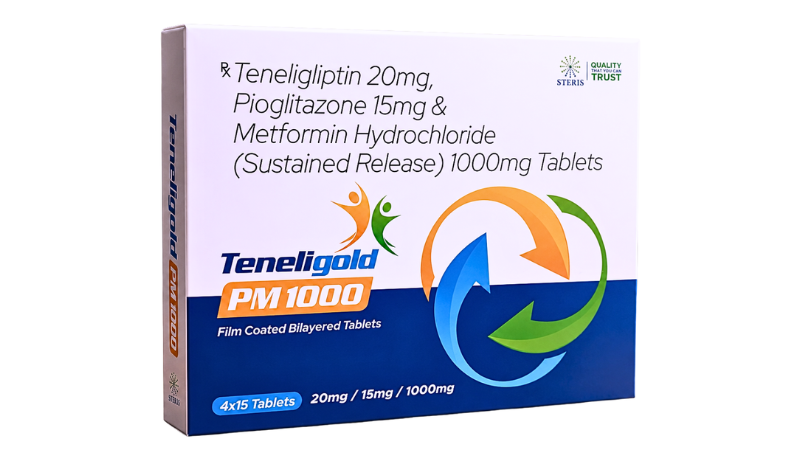
This is where TENELIGOLD PM 1000 (Teneligliptin 20 mg) a prescription DPP-4 inhibitor tablet used to manage type 2 diabetes. plays an important supporting role. Rather than forcing the pancreas to release insulin regardless of need (like some older drug classes), Teneligliptin works with the body's own glucose-sensing system. It's typically added to a treatment plan when diet, exercise, and a first-line medicine like Metformin aren't enough on their own to keep blood sugar within target range.
Its importance also lies in its convenience and tolerability profile — a once-daily dose, a low risk of hypoglycemia when used alone, and a formulation that's generally considered gentle on the stomach compared to some other oral antidiabetic drugs. For patients juggling multiple daily medications, that simplicity genuinely matters for long-term adherence.
Key Benefits of TENELIGOLD PM 1000
What Are the Benefits of Teneligliptin 20 mg Uses?
Doctors prescribe Teneligliptin 20 mg for several practical reasons:
-
Effective blood sugar control – Helps lower post-meal (postprandial) and fasting blood glucose levels by enhancing the body's natural insulin response.
-
Low risk of hypoglycemia – Because it works in a glucose-dependent manner, it's less likely to cause dangerously low blood sugar when used as monotherapy, compared to sulfonylureas.
-
Weight-neutral profile – Unlike some diabetes medicines that lead to weight gain, Teneligliptin is generally considered weight-neutral, which is reassuring for patients already managing weight alongside diabetes.
-
Once-daily dosing – A single tablet a day supports easier adherence, especially for patients on multiple medications for diabetes, blood pressure, or cholesterol.
-
Suitable for combination therapy – Often combined with Metformin, Pioglitazone, or insulin when a single agent isn't achieving target HbA1c levels, under medical supervision.
-
Kidney-friendly dosing options – Unlike some antidiabetic drugs that require major dose changes in kidney impairment, Teneligliptin's dosing is comparatively simpler to manage, though your doctor will still assess your renal function before prescribing.
-
Well-tolerated long-term – Generally has a favorable safety profile for extended use as part of chronic diabetes management.
Mechanism of Action: How Does Teneligliptin 20 mg Work?
Understanding the mechanism of action helps explain why Teneligliptin 20 mg uses are so specific to Type 2 diabetes.
Teneligliptin belongs to the DPP-4 (Dipeptidyl Peptidase-4) inhibitor class. Here's what happens in the body:
-
After you eat, your gut releases hormones called incretins — mainly GLP-1 (glucagon-like peptide-1) and GIP (glucose-dependent insulinotropic polypeptide).
-
These incretin hormones signal the pancreas to release insulin and reduce the release of glucagon (a hormone that raises blood sugar).
-
Normally, an enzyme called DPP-4 breaks down these incretin hormones very quickly, limiting how long they can work.
-
Teneligliptin blocks (inhibits) the DPP-4 enzyme, allowing incretin hormones to remain active in the bloodstream for longer.
-
This results in more glucose-dependent insulin release after meals and reduced glucagon secretion — together lowering blood sugar levels without directly forcing insulin release when it isn't needed.
Side Effects of TENELIGOLD PM 1000
Like all medicines, Teneligliptin 20 mg can cause side effects in some individuals, though many patients tolerate it well. Commonly reported, generally mild side effects include:
-
Nausea or mild stomach discomfort
-
Headache
-
Constipation or diarrhea
-
Skin rash or itching
-
Joint pain
-
Mild dizziness
Serious Side Effects of Teneligliptin 20 mg
While uncommon, certain side effects require immediate medical attention. Contact your doctor right away if you experience:
-
Signs of pancreatitis – severe, persistent abdominal pain that may radiate to the back, accompanied by vomiting
-
Severe allergic reactions – swelling of the face, lips, tongue, or throat, difficulty breathing, or widespread skin rash (angioedema/anaphylaxis)
-
Severe skin reactions – blistering, peeling skin, or painful sores (rare but reported with DPP-4 inhibitors as a class)
-
Signs of liver problems – yellowing of skin/eyes, dark urine, unusual fatigue
-
Joint pain that is severe and disabling
-
Symptoms of hypoglycemia when combined with other diabetes drugs – sweating, shakiness, confusion, rapid heartbeat
Available Substitutes for Teneligliptin 20 mg
Depending on individual response, tolerance, kidney function, and treatment goals, a doctor may consider alternative or combination therapies, such as:
-
Sitagliptin (another DPP-4 inhibitor)
-
Vildagliptin
-
Linagliptin
-
Metformin (usually the first-line therapy, often combined with Teneligliptin)
-
Pioglitazone tablet – a thiazolidinedione that improves insulin sensitivity in the body's tissues; sometimes used alongside or in place of a DPP-4 inhibitor depending on the patient's metabolic profile and cardiovascular risk factors
-
SGLT2 inhibitors such as Dapagliflozin or Empagliflozin, in select patients.
Dosage Guidelines for TENELIGOLD PM 1000
Important: The dosage information below is general reference information. Always follow your doctor's exact prescription.
-
Standard adult dose: Teneligliptin 20 mg, taken once daily, usually in the morning
-
With or without food: Can generally be taken irrespective of meals, but consistency in timing helps maintain steady effect
-
Missed dose: If a dose is missed, take it as soon as remembered unless it is almost time for the next dose — do not double the dose
-
Elderly patients: Usually no dose adjustment required, but monitored closely
-
Renal impairment: Dose adjustment may not always be necessary, but your doctor will assess kidney function (eGFR) before and during treatment
-
Not to be stopped abruptly: Discontinuing without medical advice can lead to a rise in blood sugar levels
Precautions & Warnings: Using Teneligliptin 20 mg Safely
Before starting TENELIGOLD PM 1000, share your complete medical history with your doctor. Special caution is advised in the following situations:
-
Type 1 diabetes or diabetic ketoacidosis – Teneligliptin is not indicated for these conditions
-
History of pancreatitis – Use with caution; report any severe abdominal pain immediately
-
Liver disease – Requires monitoring and possible dose reconsideration
-
Kidney disease – Baseline and periodic renal function tests are recommended
-
Pregnancy and breastfeeding – Safety has not been well established; alternative treatment (often insulin) is generally preferred
-
Heart failure history – Inform your doctor, as with any diabetes medication
-
Allergy history – Inform your doctor of any known drug allergies, particularly to other gliptins
-
Combination with insulin or sulfonylureas – Increases hypoglycemia risk; dose adjustments of the other drug may be needed
-
Alcohol consumption – May increase the risk of low blood sugar; moderation is advised
-
Regular monitoring required – Periodic HbA1c, kidney, and liver function tests are recommended during long-term therapy
Never self-adjust or combine this medicine with other antidiabetic drugs, herbal supplements, or over-the-counter products without consulting your physician.
Buy TENELIGOLD PM 1000 (Teneligliptin 20 mg)
Steris Healthcare is a WHO-GMP and ISO-certified pharmaceutical manufacturer, committed to delivering quality-assured, affordable medicines. TENELIGOLD PM 1000 (Teneligliptin 20 mg) is manufactured under strict quality control standards.
TENELIGOLD PM 1000 (Teneligliptin 20 mg) is a well-established, once-daily DPP-4 inhibitor that plays a valuable role in managing Type 2 diabetes, particularly for patients who need better post-meal blood sugar control with a low risk of hypoglycemia. Its glucose-dependent mechanism, weight-neutral profile, and ease of use make it a commonly prescribed addition to diabetes treatment plans — often alongside Metformin or, in select cases, Pioglitazone.
That said, Teneligliptin is not a one-size-fits-all solution. Its suitability depends on your kidney function, liver health, other medications, and overall treatment goals — all of which your doctor is best positioned to evaluate. Never start, stop, or switch this medicine without professional medical guidance, and always pair medication with the diet, activity, and monitoring routine your doctor recommends for sustainable blood sugar control.
Frequently Asked Questions
1. What is Teneligliptin 20 mg used for?
Teneligliptin 20 mg is used to manage blood sugar levels in adults with Type 2 diabetes, often alongside diet, exercise, and other diabetes medicines.
2. What is Teneligliptin tablet used for in simple terms?
It helps the body release more of its own insulin after meals and reduces the amount of sugar released by the liver, keeping blood sugar levels more stable.
3. Teneligliptin 20 mg uses in Hindi — क्या है?
टेनेलिग्लिप्टिन 20 मि.ग्रा. का उपयोग टाइप 2 डायबिटीज़ (मधुमेह) में ब्लड शुगर को नियंत्रित करने के लिए किया जाता है। यह इंसुलिन के प्राकृतिक स्राव को बढ़ाकर काम करती है।
4. How does Teneligliptin 20 mg work in the body?
It blocks the DPP-4 enzyme, allowing natural incretin hormones to stay active longer, which boosts insulin release after meals in a glucose-dependent manner.
5. Can Teneligliptin 20 mg cause low blood sugar (hypoglycemia)?
When taken alone, the hypoglycemia risk is low. Risk increases when combined with insulin or sulfonylureas.
6. Is Teneligliptin 20 mg safe for long-term use?
It is generally considered well-tolerated for long-term diabetes management, but periodic monitoring by your doctor is recommended.
7. What is the difference between Teneligliptin and Pioglitazone tablets?
Teneligliptin is a DPP-4 inhibitor that boosts natural insulin release after meals, while Pioglitazone improves how the body's tissues respond to insulin. They work through different mechanisms and may sometimes be combined.
8. Can Teneligliptin and Pioglitazone be taken together?
Yes, in some cases doctors combine them for better blood sugar control, but this should only be done under medical supervision.
9. What are the common side effects of Teneligliptin tablets?
Mild nausea, headache, joint pain, constipation, or skin rash are commonly reported.
10. What are the serious side effects to watch for?
Signs of pancreatitis (severe abdominal pain), severe allergic reactions, or severe skin reactions require immediate medical attention.
11. What is the recommended dosage of Teneligliptin 20 mg?
The typical adult dose is one 20 mg tablet, taken once daily, usually in the morning, as prescribed by your doctor.
12. Can I take Teneligliptin 20 mg on an empty stomach?
Yes, it can generally be taken with or without food, but timing should stay consistent each day.
13. Is Teneligliptin 20 mg safe during pregnancy?
Safety during pregnancy has not been well established. Doctors typically prefer insulin for blood sugar control during pregnancy.
14. Can Teneligliptin 20 mg be used in kidney disease patients?
It may be used with monitoring, but your doctor will evaluate your kidney function before and during treatment.
15. What should I do if I miss a dose of Teneligliptin?
Take it as soon as you remember, unless it's close to your next dose — in that case, skip the missed dose and continue your regular schedule. Do not double the dose.
16. What are the substitutes for Teneligliptin 20 mg?
Alternatives include other DPP-4 inhibitors like Sitagliptin, Vildagliptin, or Linagliptin, and in some cases Pioglitazone or SGLT2 inhibitors, depending on individual health needs.
17. Does Teneligliptin 20 mg cause weight gain?
No, it is generally considered weight-neutral, unlike some other diabetes medicines.
18. Can Teneligliptin 20 mg be stopped suddenly?
No, it should not be stopped abruptly without consulting your doctor, as blood sugar levels may rise.
19. Who should avoid Teneligliptin 20 mg?
Patients with Type 1 diabetes, diabetic ketoacidosis, a history of pancreatitis, or severe liver/kidney disease should use it only under close medical supervision or avoid it, as advised by their doctor.
For Further More Information:
Mail Us: contact@sterispharma.com or info@sterispharma.com
Call Now: +918824175417, +919982524671
Recent Post

What Are Nintedanib Soft Gelatin Capsules Used For? Complete Guide

Where to Buy Semaglutide Injection in India: Price, Pen & Prescription Guide
ERITOCOX BENZ 60/5 Dosage Guide: How to Take Etoricoxib & Cyclobenzaprine Tablets Safely
Gabapentin and Methylcobalamin Tablets Side Effects: What Patients Should Know
Thyroxine sodium tablets IP: उपयोग, फायदे और साइड इफेक्ट्स
Semaglutide 2 mg Injection Dosage Guide: How to Use It Safely
Buy Multivitamin + L-Carnitine + Taurine Protein Powder | Sterimmune
Semaglutide Injection Pen 8 mg: Step-by-Step Dosage & Precautions

BEST semaglutide injection price in india
How Semaglutide Injection 4 mg Helps Control Blood Sugar

