


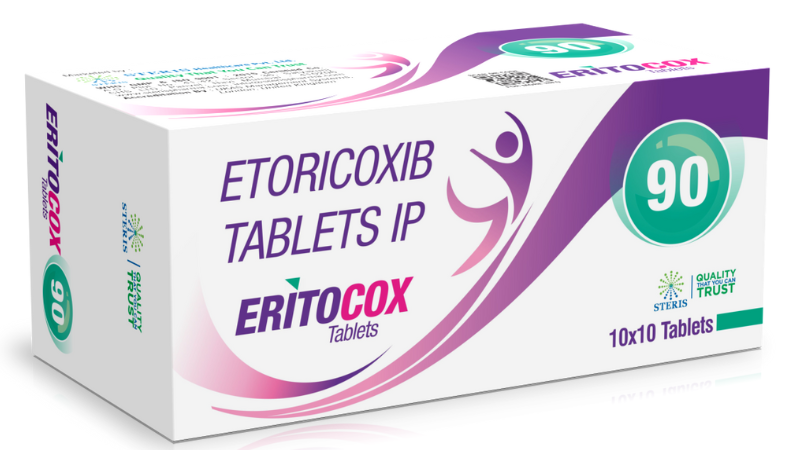



Etoricoxib Tablets (90mg) : A Comprehensive Guide to Effective Pain and Inflammation Relief
Dec 05, 2024
What Are Etoricoxib Tablets?
Etoricoxib Tablets contain etoricoxib, a selective COX-2 inhibitor belonging to the NSAID class. COX-2 is an enzyme involved in the body's inflammatory response. By selectively inhibiting COX-2, etoricoxib reduces inflammatory mediators and can therefore help relieve pain, swelling, and stiffness.
Etoricoxib is different from conventional non-selective NSAIDs because it has greater selectivity for COX-2. This pharmacological profile is one reason it is used in inflammatory joint and musculoskeletal conditions. However, COX-2 selectivity does not mean the medicine is free from cardiovascular, kidney, blood-pressure, or gastrointestinal risks. NSAIDs can cause serious adverse effects in some patients, particularly when used at higher doses or for prolonged periods.
Etoricoxib Tablets Uses
Etoricoxib is prescribed to relieve pain and inflammation associated with several conditions.
1. Osteoarthritis
Etoricoxib may be prescribed for symptomatic relief of osteoarthritis, a degenerative joint condition that can cause pain, stiffness, and reduced mobility. It may help reduce joint pain and inflammation, allowing patients to perform daily activities more comfortably.
The EMA identifies etoricoxib as an option for symptomatic relief of osteoarthritis, with approved dosing depending on the product and indication.
2. Rheumatoid Arthritis
Rheumatoid arthritis is an inflammatory autoimmune condition that can cause persistent joint pain, swelling, and stiffness. Etoricoxib may be used to relieve symptoms associated with rheumatoid arthritis.
It is important to remember that etoricoxib primarily provides symptomatic relief. It does not replace disease-modifying antirheumatic therapy when such treatment is required.
3. Ankylosing Spondylitis
Etoricoxib can be prescribed for symptomatic relief of pain and inflammation associated with ankylosing spondylitis, an inflammatory condition that primarily affects the spine and sacroiliac joints. The EMA has reviewed its benefits and cardiovascular safety considerations for this indication.
4. Acute Gouty Arthritis
Etoricoxib may also be prescribed for short-term treatment of pain and inflammation associated with acute gout. The EMA lists 120 mg once daily as the approved dose for acute gouty arthritis in the referenced EU indication, with treatment limited to the acute period.
The dose printed on an individual product should always be checked against the prescribing instructions applicable in the patient's country.
How Does Etoricoxib Work?
Etoricoxib selectively inhibits the cyclooxygenase-2 (COX-2) enzyme. During inflammation, COX-2 contributes to the production of prostaglandins, chemical mediators associated with pain, swelling, and inflammation.
By reducing COX-2 activity, etoricoxib helps decrease these inflammatory signals. This can result in:
- Reduced joint pain
- Reduced inflammation
- Less stiffness
- Improved comfort during movement
- Better ability to perform everyday activities
Because etoricoxib primarily targets COX-2, it has a different pharmacological profile from non-selective NSAIDs. However, patients should not assume that it is automatically safer for everyone. The cardiovascular and renal safety profile remains an important consideration when selecting and monitoring NSAID treatment.
Key Benefits of Etoricoxib Tablets
When appropriately prescribed, Etoricoxib Tablets can offer several therapeutic benefits.
Helps Relieve Pain
Etoricoxib can reduce pain associated with inflammatory and degenerative joint conditions, including osteoarthritis, rheumatoid arthritis, ankylosing spondylitis, and acute gout.
Helps Reduce Inflammation
Because etoricoxib inhibits COX-2, it can reduce inflammatory processes contributing to pain and swelling.
May Improve Joint Mobility
By reducing pain and stiffness, treatment may make movement and routine activities easier for suitable patients.
Once-Daily Administration for Many Indications
Etoricoxib is commonly administered once daily for its approved indications, although the exact strength and dosing schedule depend on the condition and prescribing information.
Targeted COX-2 Inhibition
Its selective COX-2 mechanism differentiates etoricoxib from traditional non-selective NSAIDs. This makes it an established treatment option for certain inflammatory and musculoskeletal conditions.
Etoricoxib Tablets Dosage
The correct Etoricoxib Tablets dosage depends on the medical condition, prescribed strength, age, medical history, and risk factors.
The EMA lists the following example dosing for specific indications:
| Condition | EMA-referenced etoricoxib dose |
|---|---|
| Osteoarthritis | 30–60 mg once daily |
| Rheumatoid arthritis | 90 mg once daily |
| Acute gouty arthritis | 120 mg once daily |
| Ankylosing spondylitis | 90 mg once daily |
These doses are provided for the relevant EU-authorized indications and should not be used as a self-treatment schedule.
For osteoarthritis, the lowest effective dose should generally be used, and treatment should be periodically reassessed. Higher doses may carry greater risk, particularly with prolonged exposure.
How to Take Etoricoxib Tablets
Etoricoxib is generally taken orally once daily when prescribed for its approved indications. It can be taken with or without food according to the product's prescribing information.
Swallow the tablet with water and follow your doctor's instructions carefully.
If you miss a dose, do not automatically take two tablets together. Follow the instructions supplied with your medicine or ask your pharmacist or doctor what to do.
Etoricoxib Tablets Side Effects
Like all medicines, etoricoxib can cause side effects, although not everyone experiences them.
Common NSAID-related side effects can include:
- Indigestion
- Stomach discomfort
- Nausea
- Diarrhea
- Headache
- Dizziness
- Skin rash
The NHS notes that NSAIDs, including prescription-only etoricoxib, can cause gastrointestinal symptoms, dizziness, headache, rash, and other adverse effects.
Important Cardiovascular Risks
One of the most important safety considerations with etoricoxib is its potential effect on the cardiovascular system.
Etoricoxib and other COX-2 inhibitors have been evaluated for cardiovascular safety. The EMA has highlighted concerns including high blood pressure and cardiovascular or thrombotic events, particularly with certain doses and longer treatment durations.
People with cardiovascular disease or inadequately controlled high blood pressure should discuss the risks carefully with their doctor before taking etoricoxib.
Kidney-Related Risks
NSAIDs can affect kidney function in susceptible individuals. The NHS identifies kidney problems as a potentially serious adverse effect of NSAIDs.
Patients with existing kidney disease, dehydration, heart failure, or other risk factors may require additional medical supervision.
Serious Allergic or Gastrointestinal Reactions
Although uncommon, serious NSAID reactions can include:
- Severe allergic reaction
- Difficulty breathing
- Facial or throat swelling
- Stomach ulcer
- Gastrointestinal bleeding
- Black or tarry stools
- Vomiting blood
Seek urgent medical attention if severe symptoms occur.
Who Should Be Careful With Etoricoxib?
Before taking Etoricoxib Tablets, inform your doctor if you have:
- High blood pressure
- Heart disease
- Previous heart attack or stroke
- Kidney disease
- Liver disease
- Stomach ulcer or gastrointestinal bleeding
- Dehydration
- Asthma triggered by NSAIDs
- Allergies to NSAIDs
- A history of fluid retention or swelling
The cardiovascular risk is particularly important because etoricoxib may increase blood pressure and cardiovascular risk in susceptible individuals. Regulatory reviews have therefore emphasized appropriate contraindications and risk-minimization measures.
Etoricoxib and Drug Interactions
Tell your doctor or pharmacist about all medicines you take before starting etoricoxib.
Potentially important combinations include:
- Other NSAIDs
- Aspirin
- Anticoagulants such as warfarin
- Corticosteroids
- Certain blood-pressure medicines
- Diuretics
- Medicines affecting kidney function
The NHS specifically warns that NSAIDs can interact with medicines such as other NSAIDs, anticoagulants, steroids, antidepressants, and medicines used to lower blood pressure.
Do not combine etoricoxib with another painkiller from the NSAID class unless your healthcare professional specifically recommends it.
Etoricoxib Tablets: Buyer-Intent Guide
Check the Strength
Etoricoxib is marketed in different strengths. Confirm that the strength matches the prescription.
Check the Composition
Verify that the product contains etoricoxib as the active ingredient and confirm the stated strength on the packaging.
Check Manufacturer and Packaging
Purchase medicines from a legitimate pharmacy or authorized pharmaceutical supplier. Check:
- Product name
- Composition
- Strength
- Batch number
- Manufacturing date
- Expiry date
- Manufacturer details
- Packaging integrity
Do Not Buy Based Only on Price
The cheapest listing is not necessarily the best choice for prescription medicine. Product authenticity, appropriate strength, storage, and legitimate supply are more important than price alone.
Follow Prescription Requirements
Because etoricoxib is a prescription NSAID, purchase and use should follow applicable pharmacy and prescription requirements.
Is Etoricoxib a Strong Painkiller?
Etoricoxib is a prescription NSAID designed to treat pain and inflammation associated with specific medical conditions. Whether it is "stronger" than another painkiller depends on the condition, dose, patient characteristics, and comparator medicine.
It should not be treated as a general-purpose painkiller for every type of pain. A doctor should determine whether the inflammatory cause of pain is appropriate for etoricoxib treatment.
Can Etoricoxib Be Used Long Term?
Long-term treatment requires careful medical supervision. The goal is generally to use the lowest effective dose for the shortest appropriate duration, especially when cardiovascular, kidney, blood-pressure, or gastrointestinal risk factors are present.
The EMA's safety reviews emphasize the importance of cardiovascular risk considerations with etoricoxib, particularly at higher doses and during longer-term treatment.
Patients should not continue etoricoxib indefinitely without periodic medical review.
Etoricoxib vs Other NSAIDs
Etoricoxib belongs to the NSAID family but is a selective COX-2 inhibitor. Other NSAIDs may inhibit both COX-1 and COX-2 to different degrees.
The appropriate medicine depends on:
- Diagnosis
- Pain severity
- Cardiovascular risk
- Kidney function
- Gastrointestinal history
- Other medicines
- Treatment duration
- Previous response to NSAIDs
Therefore, etoricoxib should not be considered universally better than other NSAIDs. A healthcare professional can select the most appropriate treatment according to the patient's risk-benefit profile.
Frequently Asked Questions About Etoricoxib Tablets
1. What are Etoricoxib Tablets used for?
Etoricoxib Tablets are prescription NSAIDs used to relieve pain and inflammation associated with conditions such as osteoarthritis, rheumatoid arthritis, ankylosing spondylitis, and acute gouty arthritis.
2. Is Etoricoxib used for arthritis pain?
Yes. Etoricoxib is used for symptomatic relief in several forms of arthritis, including osteoarthritis and rheumatoid arthritis. It may reduce pain, inflammation, and stiffness and can help improve mobility.
3. What are the common side effects of Etoricoxib Tablets?
Common NSAID-related effects may include indigestion, stomach discomfort, nausea, diarrhea, dizziness, headache, and rash. Serious reactions can include gastrointestinal bleeding, kidney problems, allergic reactions, and cardiovascular complications.
4. Is Etoricoxib safe for everyone?
No. Etoricoxib is not appropriate for everyone. Patients with certain cardiovascular conditions, uncontrolled hypertension, kidney problems, gastrointestinal conditions, or NSAID allergies may require an alternative medicine or additional monitoring.
5. Can Etoricoxib be taken every day?
Etoricoxib can be prescribed once daily for certain conditions, but the appropriate dose and duration depend on the diagnosis. Daily use should follow a doctor's prescription, particularly when treatment continues for an extended period.
6. Does Etoricoxib reduce inflammation?
Yes. Etoricoxib selectively inhibits COX-2, an enzyme involved in inflammatory pathways. This reduces prostaglandin production and can relieve inflammation and pain.
7. Can I take Etoricoxib with another painkiller?
Do not combine etoricoxib with another NSAID unless your doctor specifically tells you to. Combining NSAIDs may increase the risk of adverse effects. Always tell your doctor or pharmacist about other pain medicines you are taking.
8. Is Etoricoxib good for gout pain?
Etoricoxib is an approved treatment option for the pain and inflammation associated with acute gouty arthritis in relevant regulatory indications. The EMA-referenced dose is 120 mg once daily, generally for the acute period rather than indefinite use.
9. Does Etoricoxib cause high blood pressure?
Etoricoxib can increase blood pressure in some patients. Cardiovascular and blood-pressure risks are important considerations, particularly with higher doses or prolonged use. Patients with hypertension should have their condition appropriately assessed and controlled.
10. Can Etoricoxib cause kidney problems?
Yes. Like other NSAIDs, etoricoxib can affect kidney function, particularly in susceptible patients. People with kidney disease, dehydration, heart failure, or other risk factors should discuss treatment with their healthcare professional.
11. Is Etoricoxib a steroid?
No. Etoricoxib is a non-steroidal anti-inflammatory drug (NSAID) and specifically a selective COX-2 inhibitor.
12. How does Etoricoxib work?
Etoricoxib selectively blocks the COX-2 enzyme, reducing the production of prostaglandins involved in pain and inflammation. This helps reduce inflammatory pain and stiffness.
13. Etoricoxib 90 mg when to take?
Take etoricoxib 90 mg once daily, preferably at the same time, with or without food, as prescribed.
Conclusion
Etoricoxib Tablets are prescription COX-2 selective NSAIDs used for the symptomatic treatment of several painful and inflammatory conditions, particularly osteoarthritis, rheumatoid arthritis, ankylosing spondylitis, and acute gouty arthritis. Their key benefits include reducing pain, inflammation, and stiffness and potentially improving movement and day-to-day comfort.
Recent Post
Semaglutide 4mg vs Pancreatitis Risk: What Doctors Want You to Know
Semaglutide 8mg Injection: Frequently Asked Questions Answered by Experts
Mycophenolate Mofetil 500mg (Mycofortic M 500): Uses, Benefits & Precautions – Complete Guide
What is Bisogard 1.25? Bisoprolol 1.25mg Uses, Dosage & Side Effects Explained

Can Semaglutide Injection Be Used Without Diabetes?
What Are Nintedanib Soft Gelatin Capsules Used For? Complete Guide

Where to Buy Semaglutide Injection in India: Price, Pen & Prescription Guide
ERITOCOX BENZ 60/5 Dosage Guide: How to Take Etoricoxib & Cyclobenzaprine Tablets Safely

Gabapentin and Methylcobalamin Tablets Side Effects: What Patients Should Know
Thyroxine sodium tablets IP: उपयोग, फायदे और साइड इफेक्ट्स