


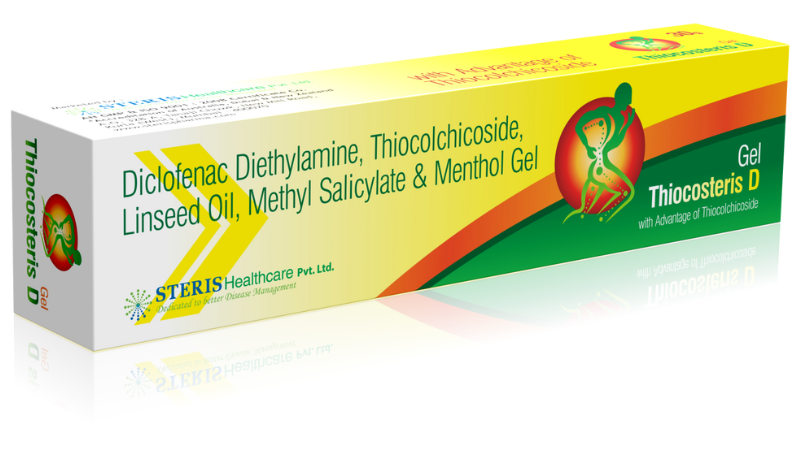



Effective Pain Relief: THIOCOSTERIS D GEL with Diclofenac & Menthol
Jun 22, 2024
THIOCOSTERIS D GEL
Diclofenac, Thio., Linseed oil, Methyl, Menthol Tube
Introduction
Diclofenac gel as its active composition. A topical non-steroidal anti-inflammatory drug (NSAID) applied to the skin to ease joint pain, inflammation, and stiffness caused by osteoarthritis, as well as minor muscle or joint injuries.
THIOCOSTERIS D GEL is formulated for people dealing with everyday aches — from a stiff shoulder after a long day at the desk to knee pain that flares up during the monsoon, or a pulled muscle after a workout. Because diclofenac gel is applied directly to the skin over the affected area, it delivers medicine right where the pain is, rather than travelling through the entire body the way a tablet does.
At its core, this gel works by reducing the production of certain chemical messengers in the body called prostaglandins, which are responsible for triggering pain, inflammation, and swelling. By calming this response locally, THIOCOSTERIS D GEL helps people move more comfortably and get back to their daily routine faster.
Why Is Diclofenac Gel Important for Pain Management?
Chronic and acute musculoskeletal pain is one of the most common reasons people seek medical advice — whether it's age-related joint wear, a sports injury, or pain from prolonged sitting or standing. Oral painkillers, while effective, act on the entire body and can sometimes cause stomach irritation, especially with regular use.
This is where a topical option like THIOCOSTERIS D GEL becomes important. Diclofenac gel allows the medicine to concentrate at the site of pain — the knee, shoulder, lower back, or wrist — while keeping the amount absorbed into the bloodstream comparatively lower than a tablet or capsule. This localized approach makes it a preferred first-line option for many people managing mild-to-moderate joint and muscle pain, particularly those who need regular, spot-specific relief without committing to long-term oral medication.
Because it is non-invasive, easy to apply, and doesn't require swallowing a tablet, diclofenac gel is also a practical option for elderly patients, people with swallowing difficulties, or anyone who prefers to avoid the systemic effects of oral NSAIDs when the pain is confined to one specific area.
Key Benefits of THIOCOSTERIS D Gel
THIOCOSTERIS D GEL is designed to offer targeted, fast-acting relief with a formulation that is easy to incorporate into a daily pain-management routine.
What Are the Benefits of Diclofenac Gel?
- Targeted pain relief: Applied directly over the painful area, allowing the medicine to act at the source of inflammation.
- Reduces swelling and stiffness: Helps ease joint stiffness associated with conditions like osteoarthritis and soft-tissue injuries.
- Non-oral alternative: A useful option for those who wish to avoid or reduce oral NSAID intake.
- Fast absorption: Formulated to penetrate the skin and reach underlying tissue relatively quickly after application.
- Convenient application: No need for water or swallowing — simply massage onto clean, dry skin.
- Supports mobility: By easing pain and stiffness, it can help patients move joints more comfortably during daily activities or physiotherapy.
- Useful across multiple conditions: Commonly used for sprains, strains, tendonitis, backache, and localized osteoarthritis pain.
Mechanism of Action of Diclofenac Gel
Diclofenac, the active component of THIOCOSTERIS D GEL, belongs to the class of Non-Steroidal Anti-Inflammatory Drugs (NSAIDs). When applied to the skin, diclofenac penetrates through the epidermis into the underlying muscle and joint tissue, where it works by inhibiting the enzyme cyclooxygenase (COX), specifically COX-1 and COX-2.
These enzymes are responsible for converting arachidonic acid into prostaglandins—chemical compounds that play a central role in triggering pain signals, inflammation, and swelling at the site of tissue injury or irritation. By blocking this conversion locally, diclofenac gel reduces the production of prostaglandins in the applied area, which in turn helps to:
- Lower local inflammation
- Reduce the sensation of pain
- Decrease swelling and tenderness
- Improve joint and muscle comfort during movement
Because the gel is applied topically rather than taken orally, a comparatively smaller amount of diclofenac is absorbed into systemic circulation, which is one reason topical NSAIDs are often considered for patients who need localized relief while minimizing whole-body drug exposure. [Reviewer placeholder: exact systemic bioavailability percentage to be confirmed and inserted by a qualified reviewer.]
Side Effects of Diclofenac Gel
Like all medicines, THIOCOSTERIS D GEL (diclofenac gel) can cause side effects in some users, although not everyone experiences them. Most side effects associated with topical diclofenac are mild and local to the application site.
Commonly reported effects include:
- Mild skin redness or irritation at the application site
- Itching or a burning sensation after application
- Dryness or peeling of the skin
- Rash in sensitive individuals
These effects are usually temporary and tend to resolve once the gel is discontinued or the skin adjusts to use.
Serious Side Effects of Diclofenac Gel
While uncommon, certain reactions require prompt medical attention. Contact a doctor immediately if you notice:
- Severe allergic reactions such as swelling of the face, lips, tongue, or throat
- Difficulty breathing or wheezing after application
- Severe blistering, peeling, or open sores on the skin
- Signs of a serious skin reaction spreading beyond the application area
- Unexplained skin rash accompanied by fever
Although topical diclofenac results in lower systemic absorption than oral NSAIDs, prolonged use over large areas of skin, or use alongside oral NSAIDs, may increase the risk of systemic effects such as stomach discomfort, fluid retention, or effects on kidney function in susceptible individuals. Anyone with a history of heart, kidney, liver, or stomach conditions should consult a doctor before regular use.
Available Substitutes for Diclofenac Gel
Several topical NSAID formulations containing diclofenac or related active ingredients are available in the market. Common alternatives include gels and creams based on:
| Substitute Type | Active Ingredient | Common Use |
|---|---|---|
| Topical NSAID Gel | Diclofenac Diethylamine | Joint & muscle pain |
| Topical NSAID Gel | Diclofenac + Linseed Oil/Menthol Combinations | Pain with added cooling/counter-irritant effect |
| Topical NSAID Gel | Ibuprofen Gel | Mild musculoskeletal pain |
| Topical NSAID Gel | Piroxicam Gel | Localized joint pain |
| Topical NSAID Gel | Aceclofenac Gel | Muscle & joint inflammation |
Dosage Guidelines for Diclofenac Gel
THIOCOSTERIS D GEL is intended for external use only. The following are general usage guidelines—always follow your doctor's specific instructions or the product label.
- Wash and dry the affected area before application.
- Apply a small, appropriate amount of gel over the painful area and gently massage until absorbed.
- Typically used 3–4 times a day, or as directed by a physician, with an adequate gap between applications.
- Wash hands thoroughly after application, unless the hands are the area being treated.
- Avoid applying to broken skin, open wounds, infected areas, or mucous membranes (eyes, mouth, and nose).
- Do not cover the applied area with an airtight bandage unless advised by a doctor.
- Avoid exposing the treated area to direct sunlight for extended periods.
- Do not use more than the recommended amount or frequency, as excessive application may increase the risk of side effects.
Precautions & Warnings
- Avoid broken or infected skin: Do not apply THIOCOSTERIS D GEL over cuts, wounds, infections, or eczema-affected skin.
- Avoid contact with eyes and mucous membranes: If accidental contact occurs, rinse thoroughly with water and seek medical advice if irritation persists.
- Pregnancy and breastfeeding: Use only under medical supervision, particularly avoiding use during the last trimester of pregnancy.
- Children: Use in children should only be as directed by a pediatrician.
- Asthma or NSAID sensitivity: Individuals with a known history of asthma, urticaria, or allergic reactions to NSAIDs like aspirin or ibuprofen should avoid use unless cleared by a doctor.
- Existing health conditions: People with a history of stomach ulcers, kidney disease, liver disease, or heart conditions should consult a doctor before regular or prolonged use.
- Concurrent oral NSAID use: Inform your doctor if you are already taking oral pain relievers, as combined use may raise the risk of systemic side effects.
- Sun exposure: Avoid prolonged sun exposure on treated skin to reduce risk of photosensitivity reactions.
- Do not ingest: THIOCOSTERIS D GEL is for external use only and must never be swallowed.
- Storage: Store in a cool, dry place away from direct sunlight and out of reach of children.
Indications, Efficacy & Clinical Evidence
Diclofenac gel is widely indicated for the topical relief of pain and inflammation associated with:
- Osteoarthritis of joints amenable to topical treatment (such as knees and hands)
- Muscle sprains and strains
- Soft-tissue rheumatism, including tendonitis and bursitis
- Localized back and shoulder pain
- Post-exercise or activity-related muscular discomfort
Topical NSAIDs such as diclofenac gel are recognized in pain-management literature as an effective option for localized musculoskeletal pain, particularly valued for offering meaningful relief while limiting systemic drug exposure compared to oral NSAIDs. [Reviewer placeholder: insert specific efficacy data, trial name, and citation from a peer-reviewed source once verified by the clinical reviewer. No statistic or trial reference has been fabricated in this draft.]
Conclusion
THIOCOSTERIS D GEL, formulated with diclofenac gel by Steris Healthcare Pvt. Ltd., offers a targeted, easy-to-use option for people managing joint pain, muscle strain, and localized inflammation. By working directly at the site of pain through its NSAID mechanism of action, it provides an alternative to oral pain relievers for those seeking spot-specific relief with a comparatively lower systemic drug load. As with any medicine, it should be used as directed, with attention to precautions around skin sensitivity, pre-existing health conditions, and appropriate dosage. For personalized advice on whether diclofenac gel is right for your condition, consult your doctor or pharmacist.
Frequently Asked Questions
1. Where should you not use diclofenac gel?
Diclofenac gel should not be used on broken or damaged skin, open wounds, infections, rashes, or eczema-affected areas. It should also never be applied near the eyes, mouth, nose, or other mucous membranes.
2. Is diclofenac a good pain relief?
Yes, diclofenac is widely used and considered effective for relieving mild-to-moderate pain caused by inflammation, such as joint pain, muscle strain, and soft-tissue injuries, especially when applied topically at the site of pain.
3. What is diclofenac topical gel used for?
Diclofenac topical gel is used to relieve pain, swelling, and stiffness associated with conditions like osteoarthritis, sprains, strains, tendonitis, and general muscle or joint discomfort.
4. Is diclofenac gel a steroid?
No, diclofenac gel is not a steroid. It belongs to the NSAID (Non-Steroidal Anti-Inflammatory Drug) class and works differently from corticosteroid-based creams.
5. Why do doctors not like diclofenac?
Some doctors exercise caution with diclofenac, particularly in oral form, due to potential gastrointestinal, cardiovascular, or kidney-related side effects with prolonged or high-dose use. Topical gel forms generally carry a lower systemic risk, but medical guidance is still recommended, especially for patients with existing health conditions.
6. What is the major side effect of diclofenac gel?
The most commonly reported side effects of diclofenac gel are local skin reactions such as redness, itching, dryness, or a mild burning sensation at the site of application.
7. Is diclofenac gel safe to use daily?
Diclofenac gel can be used daily for short-term relief when applied as directed, typically a few times a day. However, prolonged daily use should be under medical supervision to avoid skin irritation or systemic side effects.
8. Which diclofenac gel is the best?
The "best" diclofenac gel depends on individual needs, skin sensitivity, and doctor's recommendation. THIOCOSTERIS D GEL by Steris Healthcare is formulated to offer targeted relief; however, suitability should always be confirmed with a healthcare professional.
9. Who should avoid diclofenac gel?
People with known allergies to NSAIDs, asthma triggered by aspirin/NSAIDs, broken or infected skin, and those in the last trimester of pregnancy should avoid diclofenac gel unless specifically advised by a doctor.
10. How often can you use diclofenac gel?
Diclofenac gel is typically applied 3–4 times a day, or as directed by a physician, with adequate spacing between applications. Do not exceed the recommended frequency.
11. Can diclofenac gel be used for back pain?
Yes, diclofenac gel is commonly used to relieve localized back pain caused by muscle strain or stiffness, when applied directly over the affected area.
12. Does diclofenac gel work for knee pain?
Yes, diclofenac gel is frequently recommended for knee pain associated with osteoarthritis or soft-tissue injury, as it delivers medicine directly to the joint area.
13. How long does it take for diclofenac gel to work? Diclofenac gel is generally formulated to begin acting on local pain and inflammation within a short period after application, though the exact onset can vary between individuals. [Reviewer placeholder: insert verified onset-of-action timeframe.]
14. Can diclofenac gel be used with oral painkillers?
Combining diclofenac gel with oral NSAIDs should only be done under medical advice, as it may increase the overall systemic exposure to NSAIDs and associated risks.
15. Is a prescription required for diclofenac gel?
Diclofenac gel formulations are generally available as over-the-counter topical products in India; however, individuals with existing health conditions should consult a doctor before use. [Reviewer placeholder: confirm current scheduling status for THIOCOSTERIS D GEL specifically before publishing.]
16. Can pregnant women use diclofenac gel?
Diclofenac gel should only be used during pregnancy under medical supervision, and its use is generally avoided during the last trimester unless specifically advised by a doctor.
For further information
Email: info@sterispharma.com / contact@sterispharma.com
Call/WhatsApp: 7877551268, 7849827488
Recent Post
Semaglutide 4mg vs Pancreatitis Risk: What Doctors Want You to Know
Semaglutide 8mg Injection: Frequently Asked Questions Answered by Experts
Mycophenolate Mofetil 500mg (Mycofortic M 500): Uses, Benefits & Precautions – Complete Guide
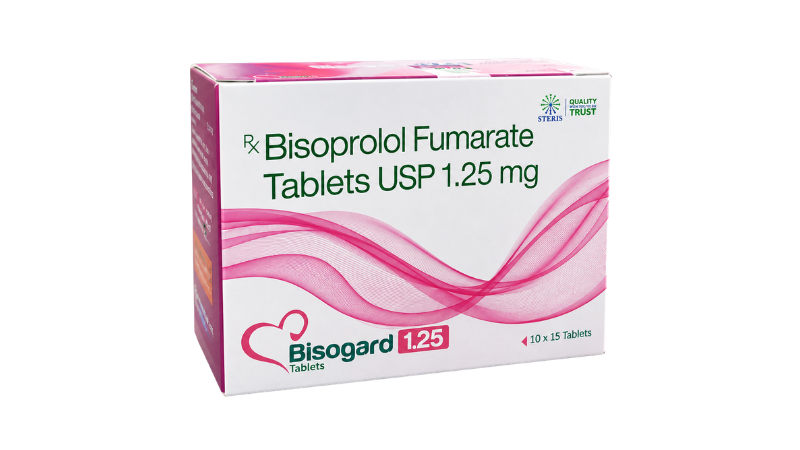
What is Bisogard 1.25? Bisoprolol 1.25mg Uses, Dosage & Side Effects Explained
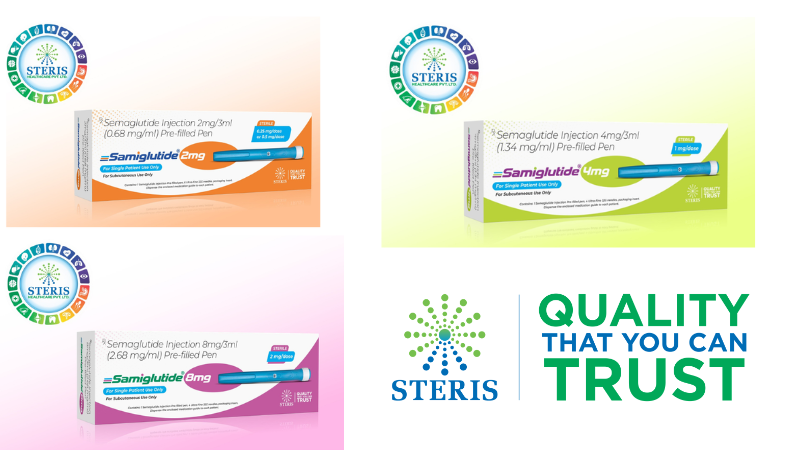
Can Semaglutide Injection Be Used Without Diabetes?
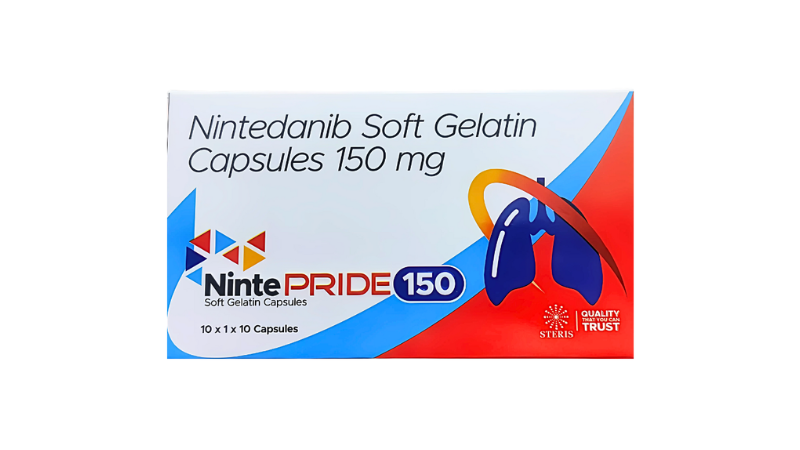
What Are Nintedanib Soft Gelatin Capsules Used For? Complete Guide
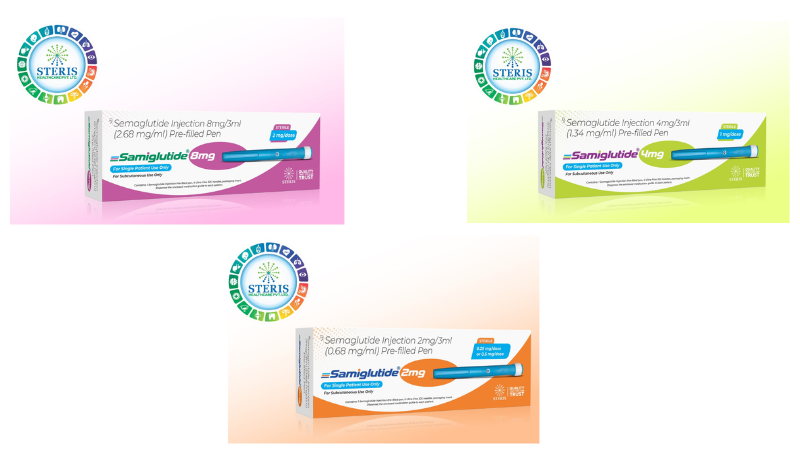
Where to Buy Semaglutide Injection in India: Price, Pen & Prescription Guide
ERITOCOX BENZ 60/5 Dosage Guide: How to Take Etoricoxib & Cyclobenzaprine Tablets Safely
Gabapentin and Methylcobalamin Tablets Side Effects: What Patients Should Know
Thyroxine sodium tablets IP: उपयोग, फायदे और साइड इफेक्ट्स