


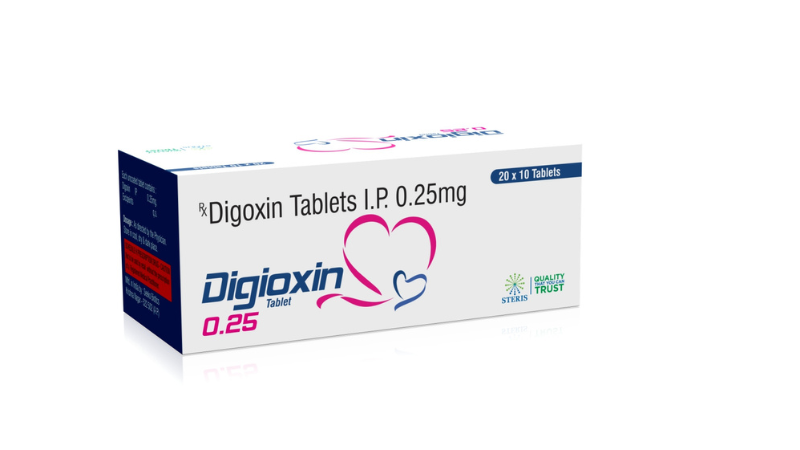



Digoxin 0.25 mg & DIGIOXIN 0.25 Mg : Essential Medications for Heart Health
Jun 11, 2024
Managing chronic heart conditions requires medicines that are precise, reliable, and clinically proven. DIGIOXIN 0.25, powered by Digoxin 0.25 mg, is a well-established therapy used in modern cardiology to support heart function and regulate abnormal heart rhythms. This detailed guide will help you understand its uses, mechanism, dosage, safety profile, and essential precautions in a simple and patient-friendly manner.
Introduction to DIGIOXIN 0.25
DIGIOXIN 0.25 is a prescription cardiac medicine belonging to the class of cardiac glycosides. It has been used for decades to manage heart-related conditions effectively, especially where improving heart efficiency and rhythm control is critical.
It is commonly recommended in patients who require long-term heart function support under medical supervision.
Composition
- Active Ingredient: Digoxin 0.25 mg
This carefully measured dose ensures optimal therapeutic benefits while maintaining safety when taken as prescribed.
How DIGIOXIN 0.25 Works in the Body
DIGIOXIN 0.25 works by directly influencing heart muscle cells. It increases the availability of calcium inside the heart cells, which leads to:
- Stronger and more effective heart contractions
- Reduced heart rate in cases of irregular rhythm
- Improved blood flow to vital organs
This dual action makes it particularly useful in conditions where the heart struggles to pump efficiently or beats irregularly.
DIGIOXIN 0.25 Uses
DIGIOXIN 0.25 is widely used in the treatment of the following conditions:
1. Chronic Heart Failure
It helps the heart pump blood more efficiently, reducing symptoms such as:
- Breathlessness
- Swelling in legs and ankles
- Fatigue during daily activities
2. Atrial Fibrillation (Irregular Heartbeat)
It is effective in controlling heart rate by:
- Slowing rapid heartbeat
- Stabilizing irregular rhythm
3. Supportive Cardiac Therapy
Doctors may also prescribe DIGIOXIN 0.25 as part of combination therapy for better cardiovascular outcomes.
Key Benefits of DIGIOXIN 0.25
Patients using DIGIOXIN 0.25 under medical supervision may experience:
- Better heart pumping capacity
- Improved exercise tolerance
- Reduced symptoms of fluid overload
- Stabilized heart rhythm
- Enhanced day-to-day comfort in cardiac patients
Dosage Guidelines
The dosage of DIGIOXIN 0.25 must always be individualized.
General Recommendations:
- Usually taken once daily
- Can be taken with or without food
- Best taken at the same time every day
Important Considerations:
- Dose adjustments may be required in elderly patients
- Kidney function plays a major role in dose selection
- Blood level monitoring is often recommended
Note: Never self-adjust your dose. Even small changes can affect drug levels significantly.
How to Use DIGIOXIN 0.25 Effectively
For best results:
- Follow your doctor’s prescription strictly
- Do not skip doses
- Avoid doubling doses if one is missed
- Maintain regular follow-up appointments
Consistency is key when managing heart conditions with this medication.
Possible Side Effects of DIGIOXIN 0.25
While DIGIOXIN 0.25 is effective, some patients may experience side effects.
Common Side Effects:
- Nausea
- Loss of appetite
- Headache
- Fatigue
Serious Side Effects:
- Very slow or irregular heartbeat
- Vision disturbances (yellow or blurred vision)
- Confusion or dizziness
- Severe gastrointestinal discomfort
If any serious symptoms occur, immediate medical attention is required.
Important Safety Precautions
Before using DIGIOXIN 0.25, inform your doctor about:
1. Kidney Health
Reduced kidney function can increase drug accumulation.
2. Electrolyte Levels
Low potassium levels can increase the risk of toxicity.
3. Existing Heart Conditions
Certain rhythm disorders require careful monitoring.
4. Other Medications
Drug interactions may occur with:
- Diuretics
- Calcium channel blockers
- Antibiotics
Who Should Use DIGIOXIN 0.25 with Caution?
Special care is needed in:
- Elderly patients
- Patients with kidney disease
- Individuals with thyroid disorders
- Patients on multiple cardiac medications
Lifestyle Advice for Better Results
To enhance the effectiveness of DIGIOXIN 0.25:
- Follow a heart-healthy diet
- Limit salt intake
- Stay physically active as advised
- Monitor your heart rate regularly
- Avoid smoking and alcohol
Storage Instructions
- Store below room temperature
- Keep in a dry place away from moisture
- Protect from direct sunlight
- Keep out of reach of children
Frequently Asked Questions (FAQs)
1. What is DIGIOXIN 0.25 mainly used for?
It is primarily used to treat heart failure and control irregular heart rhythms like atrial fibrillation.
2. Can DIGIOXIN 0.25 be taken long-term?
Yes, it is often prescribed for long-term use under regular medical supervision.
3. Is monitoring necessary while taking this medicine?
Yes, periodic blood tests and heart monitoring are essential.
4. What should I avoid while taking DIGIOXIN 0.25?
Avoid self-medication, sudden dose changes, and unmonitored use of interacting drugs.
5. What are signs of digoxin toxicity?
Symptoms include nausea, vision changes, confusion, and abnormal heartbeat.
Conclusion
DIGIOXIN 0.25 (Digoxin 0.25 mg) remains a cornerstone therapy in managing heart failure and irregular heart rhythms. Its ability to strengthen heart contractions and regulate heartbeat makes it highly valuable in cardiac care.
Recent Post
Semaglutide 4mg vs Pancreatitis Risk: What Doctors Want You to Know
Semaglutide 8mg Injection: Frequently Asked Questions Answered by Experts
Mycophenolate Mofetil 500mg (Mycofortic M 500): Uses, Benefits & Precautions – Complete Guide
What is Bisogard 1.25? Bisoprolol 1.25mg Uses, Dosage & Side Effects Explained

Can Semaglutide Injection Be Used Without Diabetes?

What Are Nintedanib Soft Gelatin Capsules Used For? Complete Guide

Where to Buy Semaglutide Injection in India: Price, Pen & Prescription Guide
ERITOCOX BENZ 60/5 Dosage Guide: How to Take Etoricoxib & Cyclobenzaprine Tablets Safely

Gabapentin and Methylcobalamin Tablets Side Effects: What Patients Should Know
Thyroxine sodium tablets IP: उपयोग, फायदे और साइड इफेक्ट्स