


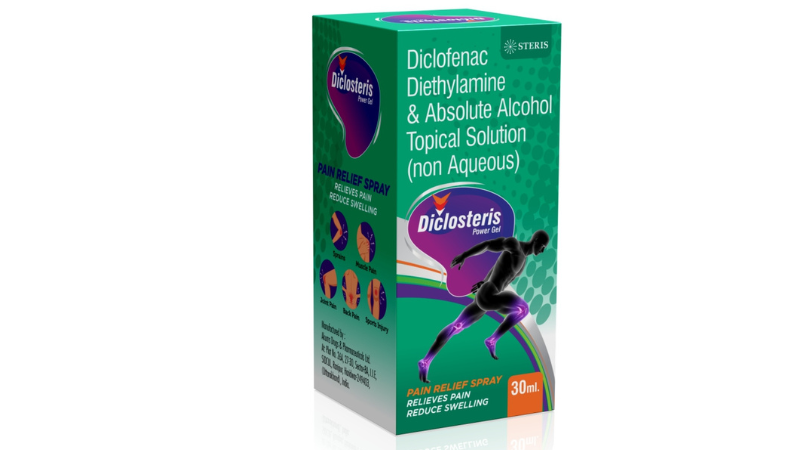



Diclosteris Power Spray: Understanding Uses and Dosage Recommendations.
Mar 26, 2024
Diclofenac diethylamine spray is a topical NSAID used for fast,a rapid-acting topical NSAID designed to relieve localized pain, muscle stiffness, and swelling. It works by reducing prostaglandin production at the site of application, offering pain relief with minimal systemic absorption compared to oral NSAIDs.
What is Diclofenac Diethylamine Spray?
Diclofenac diethylamine spray is a topical non-steroidal anti-inflammatory drug (NSAID) formulated as a fast-absorbing liquid spray for localized pain and inflammation relief. It is applied directly to the skin over the affected muscle or joint, where it reduces pain, swelling, and stiffness without requiring oral intake.
Unlike oral diclofenac, the topical spray format is designed to act primarily at the site of application. This makes it a preferred over-the-counter (OTC) option for people seeking quick relief from everyday musculoskeletal discomfort — such as backache, sprains, minor sports injuries, and joint pain from osteoarthritis — while limiting exposure of the drug to the rest of the body.
How Diclofenac Diethylamine Spray Works
The pain-relieving action of diclofenac diethylamine spray follows a predictable sequence once it's applied to the skin:
- Application to skin — The spray is applied directly over the painful or inflamed area in a thin, even layer.
- Penetration through skin layers — The diethylamine salt form of diclofenac, combined with penetration enhancers in the formulation, allows the active drug to cross the outer skin barrier (stratum corneum) more efficiently than plain diclofenac acid would.
- Local tissue distribution — Once through the skin, diclofenac is distributed into the underlying soft tissue, muscle, and joint structures near the application site.
- COX enzyme inhibition — Diclofenac works by inhibiting cyclooxygenase (COX-1 and COX-2) enzymes, which are responsible for producing prostaglandins — the chemical messengers that drive pain and inflammation.
- Reduced prostaglandin synthesis — With COX activity suppressed locally, prostaglandin production drops at the site, reducing the inflammatory cascade.
- Decreased pain and swelling — As inflammation subsides, the person experiences reduced pain, swelling, and stiffness in the treated area.
- Minimal systemic absorption — Because the action is concentrated at the application site, only a small fraction of the drug reaches systemic circulation, which is why topical NSAIDs are generally associated with a lower risk of the gastrointestinal side effects seen with oral NSAIDs.
Key Statistics
| Metric | Value | Source |
|---|---|---|
| Systemic absorption vs oral NSAIDs | Significantly lower (topical route limits drug reaching the bloodstream) | [Add verified pharmacokinetic reference] |
| Typical onset of perceptible relief | Within minutes of application (cooling/analgesic sensation) | [Add verified clinical reference] |
| OTC classification in India | Non-Schedule H/H1 (no prescription required) | [Confirm against current CDSCO listing] |
| Common recommended frequency | 3–4 times daily, as per product labeling | [Confirm against approved product label] |
Diclofenac Diethylamine Spray vs Oral Diclofenac
| Factor | Diclofenac Diethylamine Spray | Oral Diclofenac |
|---|---|---|
| Mode of action | Localized, applied directly to skin over the painful area | Systemic, absorbed through the digestive tract |
| Onset of relief | Fast, often felt within minutes at the application site | Slower, depends on digestion and absorption |
| GI side-effect risk | Lower, due to minimal systemic absorption | Higher, especially with prolonged use |
| Best suited for | Localized muscle/joint pain, sprains, minor injuries | Widespread or deeper pain, systemic inflammatory conditions |
| Prescription requirement | Generally OTC | May require prescription depending on strength/formulation |
| Convenience | Easy self-application, no swallowing required | Requires regular dosing schedule |
Frequently Asked Questions
What is diclofenac diethylamine spray used for?
Diclofenac diethylamine spray is used for localized pain relief from conditions such as muscle strain, backache, sprains, minor sports injuries, and joint pain associated with mild osteoarthritis. It is applied directly over the affected area to reduce pain, swelling, and stiffness without the need for oral medication.
How quickly does diclofenac diethylamine spray work?
Many users report a cooling and pain-relieving sensation within minutes of application, as the active ingredient begins acting locally at the site. However, the full anti-inflammatory effect on swelling and stiffness typically develops over repeated use across a few hours to a couple of days.
Is diclofenac diethylamine spray safe for daily use?
Short-term use for a few days, following label directions, is generally considered safe for managing acute pain. Continuous daily use beyond one to two weeks, or use on broken or infected skin, should be discussed with a doctor, as should use in pregnant or breastfeeding individuals.
Can diclofenac diethylamine spray be used alongside oral painkillers?
It is generally used safely alongside oral medications since systemic absorption is low, but combining it with oral NSAIDs increases the overall NSAID exposure and should be done only after checking with a doctor or pharmacist, particularly for people with stomach, kidney, or heart conditions.
Does diclofenac diethylamine spray require a prescription?
No, it is typically sold as an over-the-counter (OTC) product in India and does not require a doctor's prescription for purchase, since it is not classified under Schedule H or H1.
What are the common side effects of diclofenac diethylamine spray?
The most commonly reported effects are mild, localized skin reactions such as redness, itching, or a burning sensation at the application site. Serious side effects are rare given the limited systemic absorption, but discontinuation and medical consultation are advised if irritation persists or worsens.
Who Should Consider Diclofenac Diethylamine Spray
This topical NSAID is best suited for adults managing acute, localized musculoskeletal pain rather than chronic systemic inflammatory conditions. Typical users include:
- People with desk-job-related neck, shoulder, or lower-back stiffness
- Weekend athletes and gym-goers recovering from minor strains or sprains
- Individuals with mild to moderate osteoarthritis seeking joint-specific relief
- Travelers needing quick relief from muscle cramps or stiffness after long journeys
- Anyone preferring to avoid the gastrointestinal load of oral NSAIDs for everyday aches
It is not a substitute for medical evaluation in cases of fractures, severe trauma, or chronic inflammatory joint disease — these situations warrant a doctor's assessment before relying on any OTC topical product.
Diclofenac Diethylamine Spray vs Topical Gel Formulations
| Factor | Spray Solution | Gel Formulation |
|---|---|---|
| Application method | No-touch spray, hands stay clean | Requires hand application and rubbing in |
| Best for | Hard-to-reach areas (back, shoulders) | Smaller, localized areas (knee, elbow) |
| Absorption speed | Often faster due to alcohol-based penetration enhancers | Slightly slower, more occlusive on skin |
| Residue/feel | Lightweight, non-sticky, evaporates quickly | Leaves a thin film, may feel slightly sticky |
| Portability | Easy to carry and apply on the go | Less convenient for quick reapplication |
How to Apply Diclofenac Diethylamine Spray Correctly
- Clean and dry the affected area before application to remove sweat, lotion, or debris that could reduce absorption.
- Hold the spray nozzle a few centimeters from the skin and apply 2–3 sprays directly over the painful area.
- Allow the solution to air-dry for a few seconds rather than rubbing it in vigorously, since rubbing isn't necessary for absorption with most spray formulations.
- Repeat application 3–4 times a day, or as directed on the product label, leaving adequate gaps between doses.
- Avoid applying to the same patch of skin for an extended, uninterrupted period; alternate slightly within the affected region if treating a larger area.
- Wash hands after application unless treating the hands themselves, and avoid touching eyes or mucous membranes immediately after use.
Precautions and Usage Guidelines
- Apply only to intact, clean, and dry skin; avoid use on open wounds, broken skin, or active infections.
- Avoid contact with eyes, mouth, nose, and mucous membranes.
- Wash hands after application unless the hands are the area being treated.
- Avoid covering the application site with airtight or occlusive dressings unless directed.
- Keep away from open flame or heat sources if the formulation contains alcohol, due to flammability.
- Not recommended for children below 12 years without medical advice.
- Pregnant or breastfeeding individuals should consult a doctor before regular use.
- People with known NSAID allergies or asthma triggered by NSAIDs should avoid use unless cleared by a physician.
Conclusion
Diclofenac diethylamine spray offers a fast, convenient, and lower-risk alternative to oral NSAIDs for managing everyday muscle and joint pain. By acting locally at the site of application, it provides meaningful relief from sprains, stiffness, and minor inflammation while minimizing the systemic side effects associated with swallowed pain medication. As with any OTC product, it works best for short-term, localized pain management, and persistent or worsening pain should always prompt a consultation with a healthcare professional.
For Further More Information:
Mail Us: contact@sterispharma.com or info@sterispharma.com
Call Now: +918824175417, +919982524671
Recent Post
Semaglutide 4mg vs Pancreatitis Risk: What Doctors Want You to Know
Semaglutide 8mg Injection: Frequently Asked Questions Answered by Experts
Mycophenolate Mofetil 500mg (Mycofortic M 500): Uses, Benefits & Precautions – Complete Guide
What is Bisogard 1.25? Bisoprolol 1.25mg Uses, Dosage & Side Effects Explained
Can Semaglutide Injection Be Used Without Diabetes?
What Are Nintedanib Soft Gelatin Capsules Used For? Complete Guide
Where to Buy Semaglutide Injection in India: Price, Pen & Prescription Guide
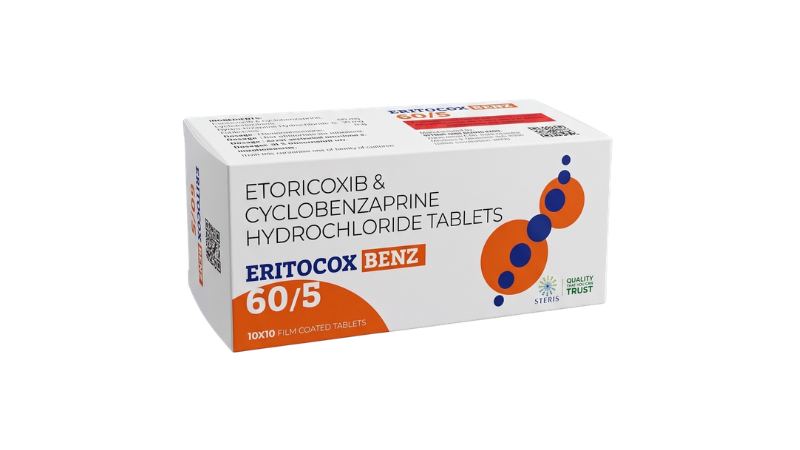
ERITOCOX BENZ 60/5 Dosage Guide: How to Take Etoricoxib & Cyclobenzaprine Tablets Safely
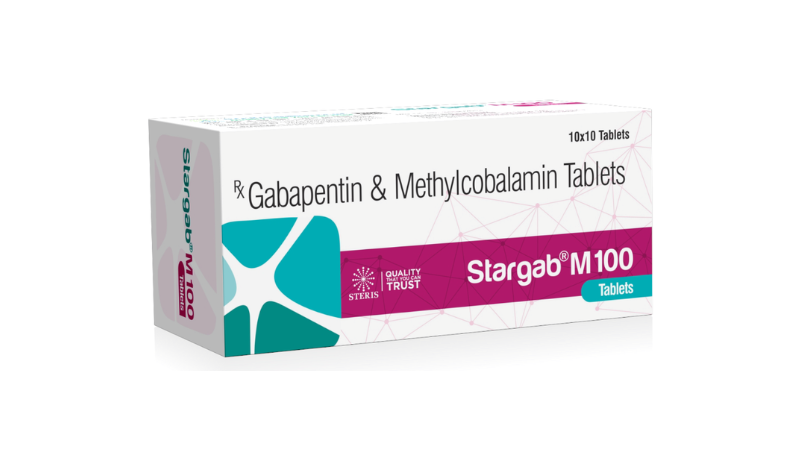
Gabapentin and Methylcobalamin Tablets Side Effects: What Patients Should Know
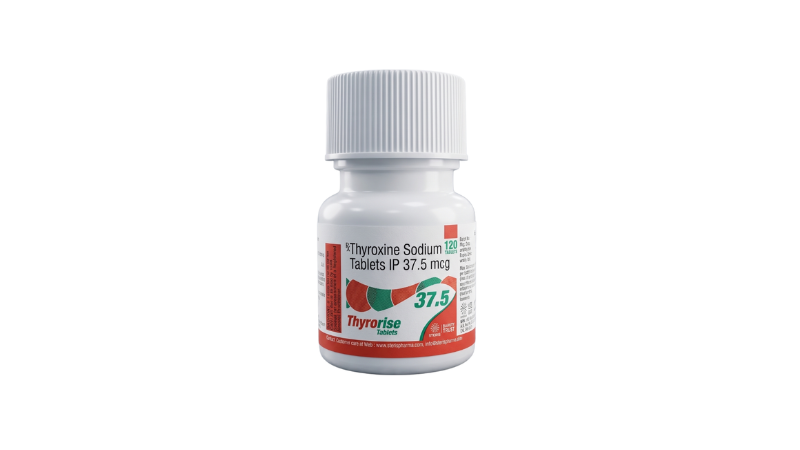
Thyroxine sodium tablets IP: उपयोग, फायदे और साइड इफेक्ट्स