


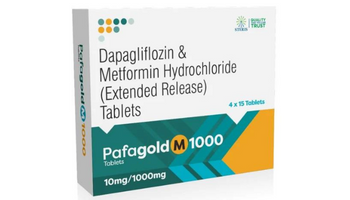



Dapagliflozin & Metformin Hydrochloride
Dec 05, 2022
Dapagliflozin and Metformin Hydrochloride Extended-Release tablets are a prescription combination medicine designed to help adults with Type 2 diabetes mellitus achieve better blood glucose control when diet, exercise, and single-drug therapy are not sufficient. By combining Dapagliflozin, a sodium-glucose co-transporter 2 (SGLT2) inhibitor, with Metformin Hydrochloride Extended-Release (ER), a biguanide antihyperglycemic agent, this formulation offers two complementary mechanisms that help lower blood sugar levels while supporting long-term metabolic health.
Healthcare professionals prescribe this combination to improve glycemic control, reduce insulin resistance, and help patients maintain stable blood glucose levels throughout the day. In suitable patients, dapagliflozin may also provide additional cardiovascular and kidney-related benefits, making this combination an important option in modern diabetes management.
What Are Dapagliflozin and Metformin Hydrochloride Extended-Release Tablets?
Dapagliflozin and Metformin Hydrochloride Extended-Release tablets combine two well-established antidiabetic medicines into a single convenient formulation. This combination is intended for adults with Type 2 diabetes mellitus who require more than one medication to achieve adequate blood sugar control.
Metformin Extended-Release decreases glucose production in the liver, improves insulin sensitivity, and enhances the body's ability to utilize glucose efficiently. The extended-release formulation gradually releases the medication, helping provide sustained blood sugar control while improving gastrointestinal tolerability for many patients.
Dapagliflozin works through a different mechanism by preventing glucose reabsorption in the kidneys. As a result, excess glucose is eliminated through the urine, contributing to lower blood glucose levels without directly stimulating insulin production.
Together, these complementary actions help improve glycemic control while supporting overall metabolic health as part of a comprehensive diabetes treatment plan that includes healthy eating, physical activity, and regular medical monitoring.
How Do Dapagliflozin and Metformin Hydrochloride Extended-Release Tablets Work?
This dual-therapy formulation targets multiple pathways involved in blood sugar regulation.
Metformin Hydrochloride Extended-Release primarily reduces hepatic glucose production and increases insulin sensitivity in muscle tissues, allowing glucose to be used more effectively by the body. Because the medicine is released gradually, blood glucose control remains more consistent over an extended period.
Dapagliflozin blocks the sodium-glucose co-transporter 2 (SGLT2) proteins in the kidneys. Normally, these proteins reabsorb glucose back into the bloodstream. By inhibiting this process, dapagliflozin allows excess glucose to be excreted through urine, reducing circulating blood sugar levels.
The combination of these two mechanisms provides comprehensive glucose management while addressing different aspects of Type 2 diabetes, making it an effective treatment option for many patients requiring combination therapy.
Dapagliflozin and Metformin Hydrochloride Extended-Release Uses
Healthcare professionals prescribe this medicine as part of an individualized diabetes management program for adults diagnosed with Type 2 diabetes mellitus.
Uses
- Treatment of Type 2 diabetes mellitus
- Improvement of long-term glycemic control
- Adjunct to diet and regular exercise
- Combination therapy when monotherapy is insufficient
- Reduction of elevated blood glucose levels
- Supportive management of insulin resistance
- Suitable for eligible adults requiring dual antidiabetic therapy
- May provide additional cardiovascular and kidney-related benefits in appropriately selected patients, as determined by a healthcare professional
Benefits of Dapagliflozin and Metformin Hydrochloride Extended-Release Tablets
The combination of dapagliflozin and metformin ER provides multiple therapeutic advantages by addressing blood sugar control through complementary mechanisms.
Benefits
- Helps lower blood glucose levels effectively
- Provides sustained blood sugar control with extended-release metformin
- Improves insulin sensitivity
- Reduces glucose production by the liver
- Promotes elimination of excess glucose through urine
- May support modest weight reduction in some patients
- Low risk of hypoglycemia when used alone, compared with certain other diabetes medicines
- Convenient dual-drug combination may reduce pill burden
- Supports comprehensive Type 2 diabetes management
- May help reduce the risk of diabetes-related complications when combined with lifestyle modifications and regular medical care
Dosage and Administration
Dapagliflozin and Metformin Hydrochloride Extended-Release tablets should only be taken exactly as prescribed by a qualified healthcare professional. The dosage is individualized based on blood glucose levels, kidney function, previous diabetes treatment, and the patient's overall medical condition.
The tablets are generally taken once daily with food, preferably the evening meal, to reduce gastrointestinal discomfort associated with metformin. The extended-release tablets should be swallowed whole with water and should not be crushed, broken, or chewed, as doing so may interfere with the controlled-release mechanism.
Patients should continue following a healthy diet, maintain regular physical activity, and monitor blood glucose as recommended by their physician. Routine laboratory monitoring, including kidney function and HbA1c testing, is important during treatment.
Dapagliflozin and Metformin Hydrochloride Extended-Release Side Effects
Like all prescription medicines, this combination may cause side effects. Most patients tolerate the medication well, but some individuals may experience adverse reactions.
Common Side Effects
- Frequent urination
- Increased thirst
- Nausea
- Diarrhea
- Stomach discomfort
- Headache
- Mild urinary tract infection
- Genital fungal infections
- Loss of appetite
Serious Side Effects
- Lactic acidosis (rare but serious)
- Severe dehydration
- Diabetic ketoacidosis
- Kidney function impairment
- Serious urinary tract infections
- Severe allergic reactions
- Low blood pressure due to fluid loss
- Fournier's gangrene (rare but serious infection of the genital area)
Patients experiencing symptoms such as persistent vomiting, severe abdominal pain, rapid breathing, confusion, extreme weakness, or signs of severe infection should seek immediate medical attention.
Precautions Before Using Dapagliflozin and Metformin Hydrochloride Extended-Release Tablets
Before starting treatment, patients should inform their healthcare provider about any history of kidney disease, liver disease, heart disease, dehydration, urinary tract infections, alcohol misuse, or previous allergic reactions to any component of the medication.
Because metformin carries a rare risk of lactic acidosis, kidney function should be evaluated before initiating treatment and monitored periodically thereafter. Dapagliflozin may increase the risk of dehydration, particularly in older adults or patients taking diuretics, so maintaining adequate hydration is important.
This medication is not intended for the treatment of Type 1 diabetes mellitus or diabetic ketoacidosis. Pregnant or breastfeeding women should use this medicine only if recommended by their healthcare provider after careful evaluation of potential risks and benefits.
Drug Interactions
Dapagliflozin and Metformin Hydrochloride Extended-Release tablets may interact with other prescription medicines, over-the-counter drugs, herbal products, and dietary supplements.
Potential interactions include insulin, sulfonylureas, diuretics, corticosteroids, cimetidine, iodinated contrast agents used during imaging procedures, alcohol, and medications that may affect kidney function. Patients should always provide their healthcare provider with a complete list of medications before beginning treatment.
Storage Instructions
Store Dapagliflozin and Metformin Hydrochloride Extended-Release tablets at room temperature in a cool, dry place away from excessive heat, moisture, and direct sunlight. Keep the tablets in their original packaging and out of the reach of children and pets.
Do not use expired medication. Dispose of unused tablets according to local pharmaceutical waste disposal recommendations.
Why Choose a Trusted Manufacturer for Dapagliflozin and Metformin Hydrochloride Extended-Release Tablets?
Hospitals, pharmacies, wholesalers, distributors, and healthcare providers should source Dapagliflozin and Metformin Hydrochloride Extended-Release tablets from manufacturers that comply with Good Manufacturing Practices (GMP) and internationally recognized quality standards. A reputable manufacturer ensures consistent formulation, accurate labeling, rigorous quality testing, and secure packaging.
Reliable pharmaceutical partners also provide dependable supply chains, regulatory documentation, batch traceability, and timely deliveries, helping healthcare organizations meet patient needs while maintaining confidence in product quality.
Frequently Asked Questions
1. What are Dapagliflozin and Metformin Hydrochloride Extended-Release tablets used for?
These tablets are prescribed to improve blood sugar control in adults with Type 2 diabetes mellitus when diet, exercise, and single-drug therapy are not sufficient.
2. How do Dapagliflozin and Metformin Hydrochloride Extended-Release tablets work?
Metformin ER reduces glucose production in the liver and improves insulin sensitivity, while dapagliflozin removes excess glucose through the urine by blocking SGLT2 proteins in the kidneys.
3. Can Dapagliflozin and Metformin Hydrochloride Extended-Release tablets help with weight management?
Some patients may experience modest weight loss due to the action of dapagliflozin, although this medication should not be used solely for weight reduction.
4. What are the common side effects of Dapagliflozin and Metformin Hydrochloride Extended-Release tablets?
Common side effects include nausea, diarrhea, increased urination, thirst, headache, urinary tract infections, genital fungal infections, and stomach discomfort.
5. Should these tablets be taken with food?
Yes. They are generally taken once daily with food to improve tolerability, particularly because of the metformin component. Always follow your healthcare provider's instructions.
6. Can patients with kidney disease use Dapagliflozin and Metformin Hydrochloride Extended-Release tablets?
Kidney function must be evaluated before starting treatment. Use in patients with significant kidney impairment may not be appropriate and should be determined by a healthcare professional.
7. Are these tablets suitable for Type 1 diabetes?
No. This medication is approved for Type 2 diabetes mellitus and should not be used to treat Type 1 diabetes or diabetic ketoacidosis.
8. Can this medicine cause low blood sugar?
When used alone, the risk of hypoglycemia is generally low. However, the risk may increase if it is taken with insulin or certain other diabetes medications.
9. How should Dapagliflozin and Metformin Hydrochloride Extended-Release tablets be stored?
Store the tablets at room temperature in a cool, dry place away from moisture and direct sunlight, keeping them in their original packaging.
10. Can Dapagliflozin and Metformin Hydrochloride Extended-Release tablets be used long-term?
Yes. Many adults with Type 2 diabetes use this combination as part of long-term disease management under regular medical supervision, with periodic monitoring of blood glucose and kidney function.
11. What are the side effects of dapagliflozin metformin?
Common side effects of dapagliflozin and metformin include nausea, diarrhea, frequent urination, genital infections, and low blood sugar (rarely).
Recent Post
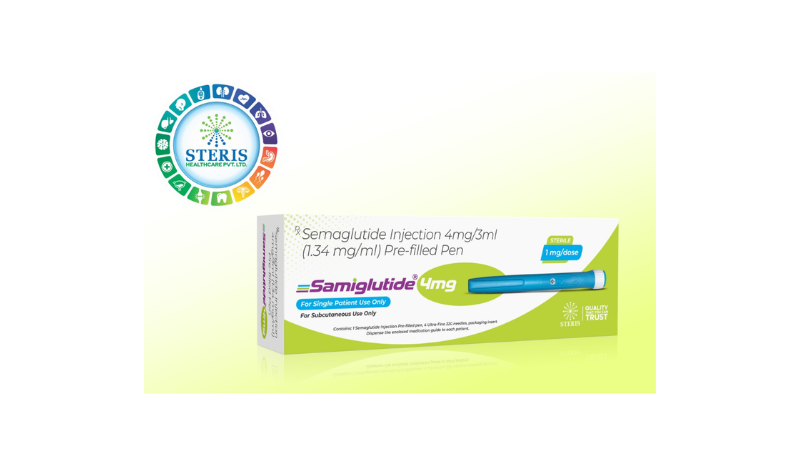
Semaglutide 4mg vs Pancreatitis Risk: What Doctors Want You to Know
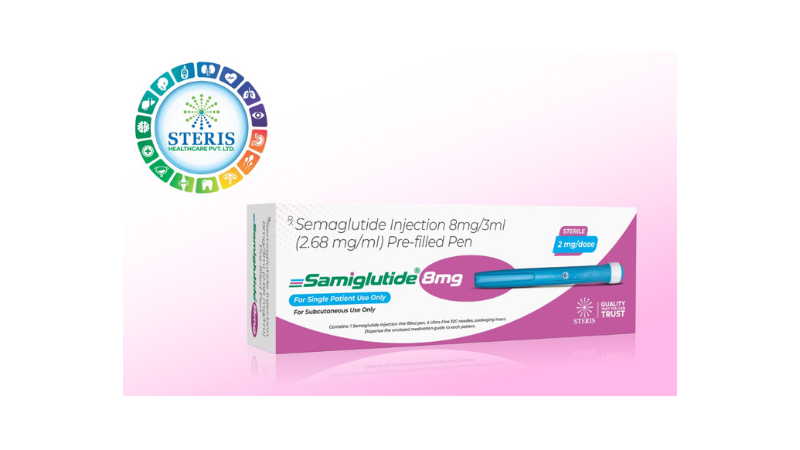
Semaglutide 8mg Injection: Frequently Asked Questions Answered by Experts
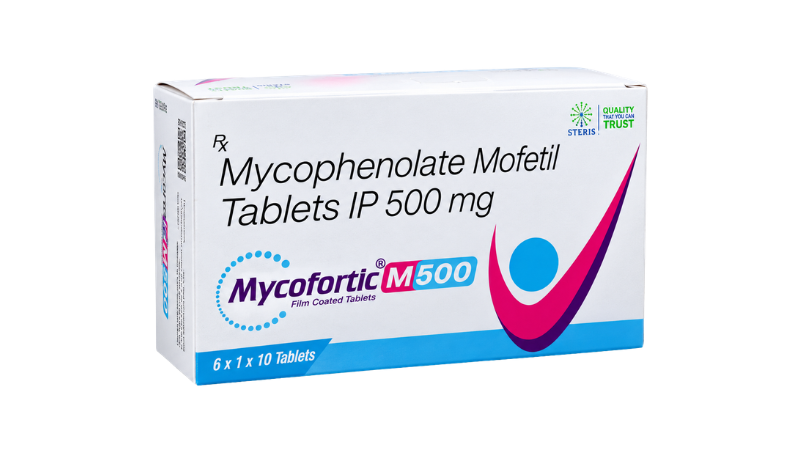
Mycophenolate Mofetil 500mg (Mycofortic M 500): Uses, Benefits & Precautions – Complete Guide
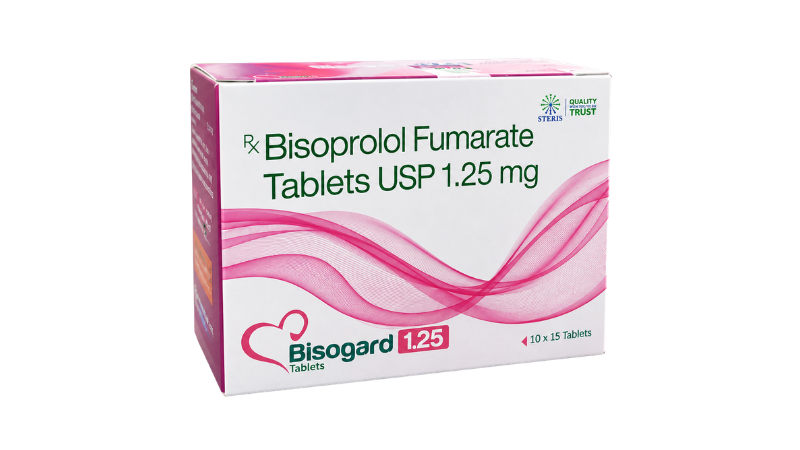
What is Bisogard 1.25? Bisoprolol 1.25mg Uses, Dosage & Side Effects Explained

Can Semaglutide Injection Be Used Without Diabetes?

What Are Nintedanib Soft Gelatin Capsules Used For? Complete Guide
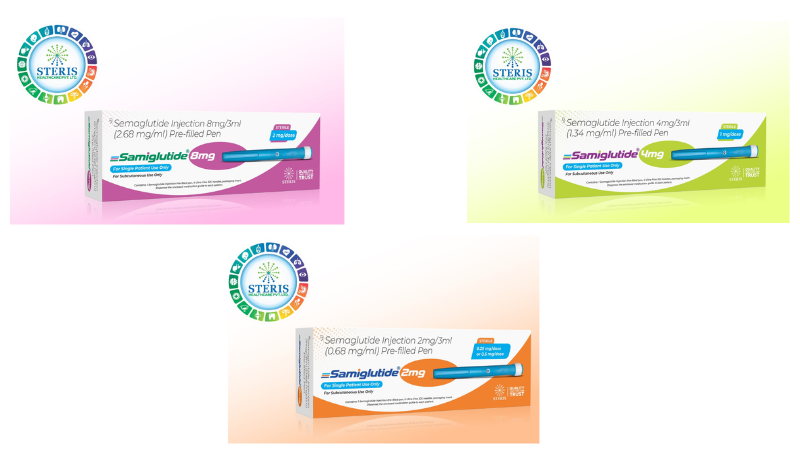
Where to Buy Semaglutide Injection in India: Price, Pen & Prescription Guide
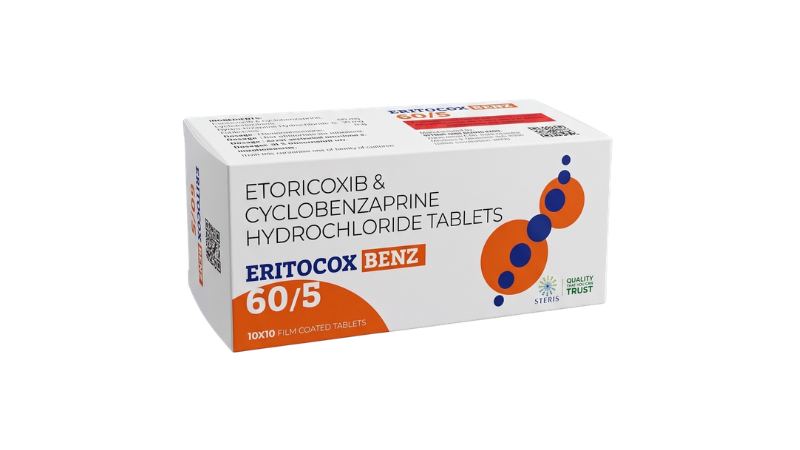
ERITOCOX BENZ 60/5 Dosage Guide: How to Take Etoricoxib & Cyclobenzaprine Tablets Safely

Gabapentin and Methylcobalamin Tablets Side Effects: What Patients Should Know
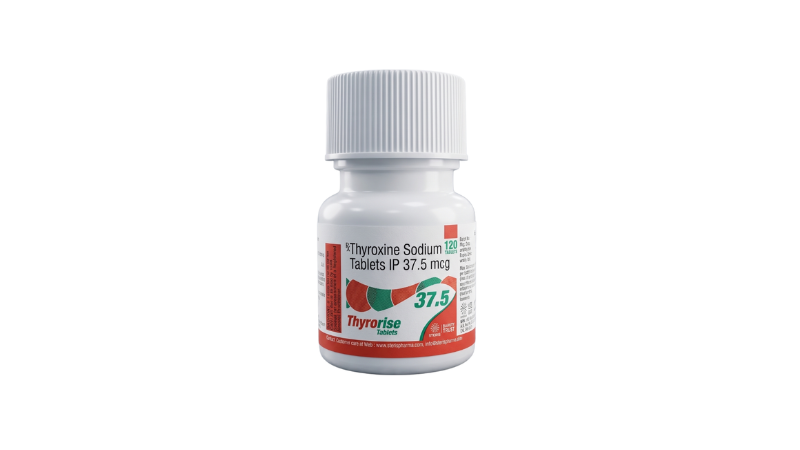
Thyroxine sodium tablets IP: उपयोग, फायदे और साइड इफेक्ट्स