


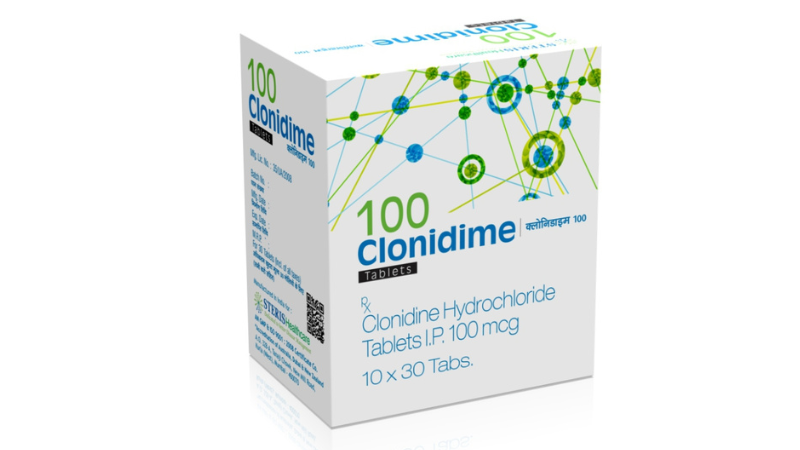



CLONIDIME 100 Mg : Uses, Benefits, Dosage, Price & Side Effects and more..
Jul 08, 2024
Clonidine Hydrochloride Tablets are prescription medications primarily used to treat high blood pressure (hypertension) and are also prescribed for several other medical conditions based on a healthcare provider's recommendation. As an alpha-2 adrenergic agonist, Clonidine works by relaxing blood vessels and reducing nerve signals that increase blood pressure, helping the heart pump blood more efficiently. By maintaining healthy blood pressure levels, it lowers the risk of serious complications such as stroke, heart attack, kidney damage, and cardiovascular disease.
In addition to hypertension management, Clonidine Hydrochloride Tablets are commonly used for attention-deficit/hyperactivity disorder (ADHD), withdrawal symptom management, menopausal hot flashes, migraine prevention, and certain pain management protocols. Their versatility makes them an important medication in modern healthcare when prescribed appropriately.
Whether you are a patient, healthcare professional, hospital, pharmacy, distributor, or medical procurement specialist, understanding the benefits, uses, dosage recommendations, precautions, and safety profile of Clonidine Hydrochloride Tablets is essential for making informed decisions. This comprehensive guide answers the most frequently searched questions while providing buyer-focused information optimized for Google Search, AI-powered search engines, and voice assistants.
What are Clonidine Hydrochloride Tablets?
Clonidine Hydrochloride Tablets contain Clonidine Hydrochloride, a centrally acting alpha-2 adrenergic receptor agonist that helps reduce blood pressure by decreasing sympathetic nerve activity. Unlike many blood pressure medications that primarily act on the heart or blood vessels, Clonidine works within the central nervous system to lower blood pressure and reduce heart rate.
Doctors prescribe Clonidine Hydrochloride Tablets either alone or in combination with other antihypertensive medicines when blood pressure remains uncontrolled. Besides hypertension, the medicine has several approved and off-label clinical applications depending on individual patient needs.
When taken exactly as prescribed and combined with a healthy lifestyle, Clonidine Hydrochloride Tablets can significantly improve cardiovascular health and overall quality of life.
How Clonidine Hydrochloride Tablets Work
Clonidine acts on alpha-2 receptors in the brain, reducing the release of nerve impulses responsible for narrowing blood vessels.
Asa result:
- Blood vessels relax.
- Heart rate may decrease.
- Blood pressure falls gradually.
- The heart works with less strain.
- The risk of hypertension-related complications is reduced.
Its unique mechanism also explains why it may help control symptoms related to excessive sympathetic nervous system activity, including withdrawal symptoms and certain neurological conditions.
Medical Uses of Clonidine Hydrochloride Tablets
Clonidine Hydrochloride Tablets are prescribed for various medical conditions based on clinical evaluation. Their primary approved use is hypertension, while additional therapeutic applications depend on physician discretion.
Uses
- Treatment of hypertension (high blood pressure)
- Management of ADHD (in selected patients)
- Relief of opioid withdrawal symptoms
- Management of alcohol withdrawal symptoms
- Control of menopausal hot flashes
- Migraine prevention in selected patients
- Certain chronic pain management protocols
- Reduction of excessive sympathetic nervous system activity
- Adjunct treatment in specific neurological conditions
Benefits of Clonidine Hydrochloride Tablets
Regular use under medical supervision provides several therapeutic advantages.
Benefits
- Effectively lowers high blood pressure
- Reduces the risk of stroke and heart attack
- Helps protect kidney function in hypertensive patients
- Supports long-term cardiovascular health
- Can be combined with other antihypertensive medicines
- Provides symptom relief during withdrawal management
- Helps improve attention and impulse control in selected ADHD patients
- Offers once or twice daily dosing depending on prescription
- Clinically established safety profile when used as directed
- Improves overall blood pressure control with consistent treatment
Side Effects of Clonidine Hydrochloride Tablets
Like all prescription medicines, Clonidine hydrochloride tablets may cause side effects. Most are mild and improve as the body adjusts, while some require immediate medical attention.
Common Side Effects
- Dry mouth
- Drowsiness
- Dizziness
- Fatigue
- Constipation
- Headache
- Low blood pressure
- Slow heart rate
- Nausea
- Difficulty sleeping
Serious Side Effects
- Severe allergic reaction
- Fainting
- Extremely slow heartbeat
- Severe low blood pressure
- Chest pain
- Difficulty breathing
- Confusion
- Swelling of the face, lips, or throat
Seek emergency medical care if any serious adverse effects occur.
Dosage and Administration
The dosage of Clonidine Hydrochloride Tablets varies depending on the medical condition, patient age, response to treatment, and other health factors. The medicine should always be taken exactly as prescribed by a qualified healthcare professional.
Swallow the tablet with water at the same time each day to maintain consistent blood levels. It may be taken with or without food unless your doctor advises otherwise. Do not crush or chew extended-release formulations. Because sudden discontinuation may cause rebound hypertension, never stop taking Clonidine abruptly without medical guidance. If treatment needs to be discontinued, your healthcare provider will usually reduce the dose gradually.
Regular monitoring of blood pressure and heart rate is recommended during treatment to ensure optimal therapeutic outcomes.
Precautions Before Taking Clonidine Hydrochloride Tablets
Before starting treatment, inform your healthcare provider about your complete medical history, especially if you have heart disease, kidney disease, liver disease, low blood pressure, depression, or a history of fainting. Patients should also discuss any prescription medicines, over-the-counter products, vitamins, or herbal supplements they are taking to minimize the risk of drug interactions.
Because Clonidine may cause drowsiness or dizziness, avoid driving or operating heavy machinery until you know how the medicine affects you. Alcohol can increase these effects and should be used cautiously or avoided as advised by your doctor.
Who Should Not Take Clonidine Hydrochloride Tablets?
Clonidine Hydrochloride Tablets may not be suitable for everyone. Individuals with a known allergy to Clonidine or any component of the formulation should not use this medicine. Patients with severe low blood pressure, certain heart rhythm disorders, or specific cardiovascular conditions require careful medical evaluation before starting therapy.
Pregnant or breastfeeding women should use Clonidine only if the potential benefits outweigh the possible risks, as determined by their healthcare provider.
Drug Interactions
Clonidine Hydrochloride Tablets can interact with several medications, which may alter their effectiveness or increase the risk of side effects. Medicines that may interact include other antihypertensive drugs, beta blockers, antidepressants, sedatives, sleeping pills, opioid pain medicines, alcohol, and medications that affect heart rhythm.
Always provide your healthcare provider with a complete list of medications and supplements before beginning treatment.
Storage Instructions
Store Clonidine Hydrochloride Tablets at room temperature in a cool, dry place away from moisture, heat, and direct sunlight. Keep the tablets in their original packaging until use, ensure the container is tightly closed, and keep the medicine out of the reach of children and pets. Do not use the medication after its expiration date.
Why Choose Clonidine Hydrochloride Tablets?
Clonidine Hydrochloride Tablets remain an important treatment option because they provide reliable blood pressure control through a different mechanism than many conventional antihypertensive medicines. Their clinical versatility allows physicians to use them in multiple therapeutic areas, including hypertension management, withdrawal symptom control, and selected neurological conditions.
For hospitals, clinics, pharmacies, and healthcare distributors, Clonidine Hydrochloride Tablets continue to be an essential product due to their established efficacy, broad clinical use, and consistent demand. Patients benefit from improved cardiovascular protection and symptom management when the medicine is used as prescribed alongside healthy lifestyle modifications and routine medical follow-up.
Buyer Information
If you are planning to purchase Clonidine Hydrochloride Tablets, ensure you source them from a licensed pharmaceutical manufacturer, authorized distributor, or registered pharmacy. Verify the product strength, manufacturing date, batch number, packaging integrity, and expiry date before purchase. Healthcare institutions, wholesalers, and pharmacies should partner with reliable suppliers that comply with applicable Good Manufacturing Practices (GMP) and regulatory quality standards to ensure product safety, consistency, and uninterrupted supply.
Frequently Asked Questions
What are Clonidine Hydrochloride Tablets used for?
Clonidine Hydrochloride Tablets are primarily used to treat high blood pressure and may also be prescribed for ADHD, withdrawal symptom management, and certain other medical conditions as determined by a healthcare provider.
How do Clonidine Hydrochloride Tablets lower blood pressure?
They work by stimulating alpha-2 receptors in the brain, reducing nerve signals that tighten blood vessels, which allows blood vessels to relax and lowers blood pressure.
Can Clonidine Hydrochloride Tablets be taken every day?
Yes. They are typically taken daily exactly as prescribed. Do not change the dose or stop treatment without consulting your doctor.
Can I stop taking Clonidine Hydrochloride Tablets suddenly?
No. Abruptly stopping Clonidine may lead to rebound hypertension and other serious symptoms. Your healthcare provider should gradually reduce the dose if treatment needs to be discontinued.
What should I do if I miss a dose?
Take the missed dose as soon as you remember unless it is almost time for your next scheduled dose. Do not take two doses at the same time to make up for a missed dose.
Can Clonidine Hydrochloride Tablets cause drowsiness?
Yes. Drowsiness and dizziness are among the most common side effects, especially when treatment is started or the dosage is increased.
Can I drink alcohol while taking Clonidine Hydrochloride Tablets?
Alcohol may increase drowsiness and lower blood pressure further. Consult your healthcare provider before consuming alcohol during treatment.
Are Clonidine Hydrochloride Tablets safe for older adults?
They may be prescribed to older adults, but healthcare providers often recommend careful monitoring because seniors can be more sensitive to blood pressure changes and dizziness.
Do Clonidine Hydrochloride Tablets require a prescription?
Yes. Clonidine Hydrochloride Tablets are prescription-only medicines and should be used under the supervision of a qualified healthcare professional.
Can Clonidine Hydrochloride Tablets be used with other blood pressure medicines?
Yes. They are often prescribed alongside other antihypertensive medications when additional blood pressure control is needed, but only under medical supervision.
How should Clonidine Hydrochloride Tablets be stored?
Store them at room temperature in a dry place away from heat, moisture, and direct sunlight, keeping them in their original packaging until use.
Where can I buy Clonidine Hydrochloride Tablets?
You can purchase Clonidine Hydrochloride Tablets from licensed pharmacies, authorized distributors, or reputable pharmaceutical suppliers with a valid prescription where required.
Can we use clindamycin and nicotinamide gel overnight?
Yes. Clindamycin and nicotinamide gel is usually applied as a thin layer and left on overnight, unless your doctor instructs otherwise. Wash it off the next morning during your regular cleansing routine. Avoid applying it to the eyes, lips, or broken skin.
For Further More Information:
Mail Us: contact@sterispharma.com or info@sterispharma.com
Call Now: +918824175417, +919982524671
Recent Post
Semaglutide 4mg vs Pancreatitis Risk: What Doctors Want You to Know
Semaglutide 8mg Injection: Frequently Asked Questions Answered by Experts

Mycophenolate Mofetil 500mg (Mycofortic M 500): Uses, Benefits & Precautions – Complete Guide
What is Bisogard 1.25? Bisoprolol 1.25mg Uses, Dosage & Side Effects Explained

Can Semaglutide Injection Be Used Without Diabetes?

What Are Nintedanib Soft Gelatin Capsules Used For? Complete Guide

Where to Buy Semaglutide Injection in India: Price, Pen & Prescription Guide

ERITOCOX BENZ 60/5 Dosage Guide: How to Take Etoricoxib & Cyclobenzaprine Tablets Safely

Gabapentin and Methylcobalamin Tablets Side Effects: What Patients Should Know
Thyroxine sodium tablets IP: उपयोग, फायदे और साइड इफेक्ट्स