


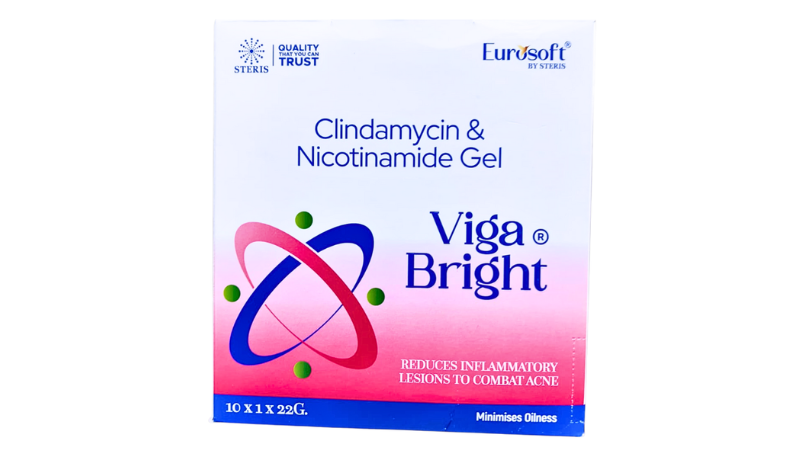



Clindamycin Nicotinamide Gel – Uses, Benefits, Dosage, Side Effects & Buy Online
Jul 27, 2026
What Is Clindamycin and Nicotinamide Gel?
Clindamycin and nicotinamide gel is a topical acne treatment that combines clindamycin, an antibiotic, with nicotinamide (niacinamide), a form of vitamin B3. It is generally used for inflammatory acne, including red, swollen pimples and pustules.
Clindamycin works by reducing the growth of acne-associated bacteria and inflammation, while nicotinamide has anti-inflammatory properties and may help reduce excess facial oil. Topical clindamycin is an established acne treatment, while clinical research has also investigated topical nicotinamide for acne.
However, an important modern consideration is antibiotic stewardship. Current acne guidance recommends avoiding unnecessary or prolonged antibiotic use because antibiotic exposure can contribute to antimicrobial resistance. The American Academy of Dermatology recommends combining topical antibiotics with benzoyl peroxide, while NICE advises reviewing antibiotic-containing acne treatment and avoiding prolonged use except in exceptional circumstances.
The clindamycin component targets acne-associated bacteria and inflammation, while nicotinamide may provide additional anti-inflammatory and sebum-regulating effects. Evidence specifically evaluating the combination has not established that adding nicotinamide necessarily provides a major advantage over clindamycin alone.
For current acne management, treatment should be selected according to acne severity, lesion type, skin sensitivity, scarring risk, previous treatment, and other individual factors.
How Does Clindamycin and Nicotinamide Gel Work?
The two ingredients have different roles:
1. Clindamycin
Clindamycin is a lincosamide antibiotic. When applied topically, it helps reduce acne-associated bacterial activity and inflammation. Topical clindamycin is available in several formulations, including gels, lotions, solutions and foams.
2. Nicotinamide
Nicotinamide, also called niacinamide, is a water-soluble form of vitamin B3. Dermatology references describe topical nicotinamide as having anti-inflammatory properties and potential benefits for acne and facial sebum production.
Clinical trials have found topical nicotinamide can improve inflammatory acne. One randomized study comparing 4% nicotinamide with 1% clindamycin found similar overall acne improvements after eight weeks, although the study was relatively small.
Clindamycin and Nicotinamide Gel Uses
The primary reason this combination is used is acne vulgaris, particularly inflammatory acne.
Potential treatment targets include:
- Red pimples
- Inflamed acne lesions
- Pustules
- Mild-to-moderate inflammatory acne
- Acne associated with excess oil production
It should not be assumed that every facial bump is acne. Conditions such as rosacea, folliculitis, perioral dermatitis and other skin disorders can resemble acne and may require completely different treatment.
NICE emphasizes assessing acne severity, distribution and the person's individual circumstances when choosing treatment.
Clindamycin and Nicotinamide Gel Benefits
Possible benefits include:
Reduces inflammatory acne: Clindamycin can help reduce acne-associated bacterial activity and inflammation.
May help control oiliness: Topical nicotinamide has been studied for its potential to reduce facial sebum production.
Topical application: The medicine is applied directly to the affected skin rather than taken orally.
May be useful for inflammatory pimples: Evidence supports topical clindamycin as one of the effective topical options for acne. The 2024 AAD guideline gives a strong recommendation for topical antibiotics as part of acne treatment.
How to Use Clindamycin and Nicotinamide Gel
Use the product exactly according to the product label or your prescriber's instructions, because formulations and directions can differ.
A typical application process is:
- Wash the affected area with a gentle cleanser.
- Pat the skin dry without rubbing.
- Apply a thin layer as directed.
- Wash your hands after application unless the hands are being treated.
- Avoid contact with the eyes, mouth and other sensitive areas.
- Continue only for the duration recommended by your healthcare professional.
Do not apply extra gel simply because you want faster results. Using more topical clindamycin does not necessarily produce faster acne clearance and can increase irritation.
Topical clindamycin should be used only on the skin and according to the prescribed directions.
Can You Use Clindamycin and Nicotinamide Gel Every Day?
Only if daily use is appropriate for the specific formulation and your healthcare professional's instructions.
Because clindamycin is an antibiotic, long-term unsupervised use is not advisable. NICE recommends reviewing acne treatment at appropriate intervals and states that antibiotic-containing treatment should generally not continue beyond six months except in exceptional circumstances.
The AAD also recommends using topical antibiotics alongside benzoyl peroxide to reduce the risk of antibiotic resistance.
Therefore, do not treat clindamycin gel as a permanent daily skincare serum.
Clindamycin and Nicotinamide Gel Side Effects
Some people may experience local skin reactions such as:
- Dryness
- Redness
- Burning
- Stinging
- Itching
- Irritation
- Peeling
Using several potentially irritating acne products at the same time can increase irritation. FDA labeling for a clindamycin-containing acne gel warns about cumulative irritation when topical acne medicines are combined with peeling, abrasive or desquamating products.
There is also an important, less common safety concern with topical clindamycin: significant diarrhea, bloody diarrhea or colitis has been reported with topical clindamycin products because some systemic absorption can occur. If significant diarrhea develops, medical advice should be sought promptly and the medicine should be discontinued according to product safety instructions.
Does Clindamycin and Nicotinamide Gel Remove Acne Marks?
Not necessarily.
Acne treatment and acne-mark treatment are different goals. Clindamycin primarily targets inflammatory acne rather than being a dedicated treatment for established pigmentation or acne scars.
Preventing new inflammation can indirectly help reduce the development of additional post-acne marks. Once acne is controlled, a dermatologist may recommend other ingredients specifically suited to post-inflammatory hyperpigmentation or scarring.
Avoid using an antibiotic gel solely because you want to fade old acne marks.
Clindamycin and Nicotinamide Gel vs. Niacinamide Serum
Although nicotinamide and niacinamide are names for the same form of vitamin B3, a prescription or medicated clindamycin-nicotinamide gel should not automatically be considered equivalent to an ordinary cosmetic niacinamide serum.
A medicated gel contains an antibiotic and should be treated as a medicine. A cosmetic niacinamide serum does not contain clindamycin and does not provide the same antibiotic action.
This distinction is particularly important when deciding whether to continue a product long term.
Clindamycin and Nicotinamide Gel vs. Clindamycin and Benzoyl Peroxide
These combinations should not be treated as interchangeable.
Current AAD acne guidance specifically recommends combining topical antibiotics with benzoyl peroxide because benzoyl peroxide helps reduce the risk of antibiotic resistance.
A recent systematic review of topical acne treatments also found combination therapies involving clindamycin and benzoyl peroxide among the more effective options for inflammatory and total lesion reduction in mild-to-moderate acne, although treatment selection still depends on the individual patient.
If you are deciding between products, a dermatologist or pharmacist can help determine which formulation fits your acne type and current routine.
Who Should Be Careful With This Gel?
Speak with a healthcare professional before using clindamycin-containing acne treatment if you:
- Have previously had an allergic reaction to clindamycin or lincomycin
- Have a history of antibiotic-associated colitis
- Have inflammatory bowel disease
- Are pregnant or breastfeeding
- Have severely irritated or damaged skin
- Are already using several acne medications
- Have persistent, severe or scarring acne
Pregnancy and breastfeeding decisions should be individualized rather than based on general internet advice. Current acne guidelines include specific considerations for treatment during pregnancy and lactation.
How Long Does Clindamycin and Nicotinamide Gel Take to Work?
Acne treatment generally requires consistent use and patience. Improvement is not necessarily immediate.
The response depends on the severity and type of acne, the formulation, adherence and whether other treatments are being used. Clinical trials of topical nicotinamide and clindamycin have evaluated outcomes over approximately four to eight weeks, but individual results vary.
If acne is getting worse, causing painful deep nodules, leaving scars, or failing to improve with an appropriate treatment plan, professional reassessment is more useful than simply applying more product.
Buying Clindamycin and Nicotinamide Gel: What Should You Check?
- The exact active ingredients and strengths.
- The manufacturer's name.
- Batch number and expiry date.
- Whether the packaging is intact.
- Whether the seller is a legitimate, licensed pharmacy or retailer.
- Whether the product requires a prescription in your location.
- Storage instructions.
- Whether the formulation matches what your healthcare professional recommended.
Avoid buying an unknown or suspiciously cheap product merely because it ranks highly in a marketplace search.
For medical products, product authenticity and appropriate medical use matter more than price alone.
What Current Acne Guidelines Say
Modern acne treatment is moving away from the idea that topical antibiotics should be used indefinitely.
The AAD's updated acne guideline recommends topical antibiotics but also emphasizes combination therapy and antibiotic stewardship.
NICE's acne guideline, updated in April 2026, similarly emphasizes appropriate antibiotic use and recommends reviewing treatment at 12 weeks. It advises that antibiotic-containing treatments should generally not continue for more than six months except in exceptional circumstances.
Indian expert consensus published in 2025 also emphasizes topical retinoids as first-line therapy and favors combination approaches that can improve effectiveness while reducing antibiotic-resistance concerns.
This makes one point particularly important: clindamycin and nicotinamide gel can have a role in acne care, but it should not be viewed as a long-term substitute for a complete acne-management strategy.
Frequently Asked Questions About Clindamycin and Nicotinamide Gel
1. What is clindamycin and nicotinamide gel used for?
It is primarily used as a topical treatment for acne, particularly inflammatory acne such as red pimples and pustules.
2. Is clindamycin and nicotinamide gel good for pimples?
It may help inflammatory pimples when appropriately prescribed or recommended. It is not necessarily suitable for every type of acne.
3. Does clindamycin and nicotinamide gel remove acne permanently?
No acne medicine can guarantee permanent clearance. Acne often requires ongoing treatment and maintenance tailored to the individual's condition.
4. Can I use clindamycin and nicotinamide gel every day?
Daily use depends on the formulation and medical instructions. Because clindamycin is an antibiotic, prolonged unsupervised use should be avoided.
5. How long does clindamycin and nicotinamide gel take to work?
Some people begin noticing improvement over several weeks, but treatment response varies. Clinical studies commonly evaluate acne improvement over four to eight weeks.
6. Can I use clindamycin and nicotinamide gel on acne scars?
It is primarily an acne treatment, not a dedicated scar treatment. It may help prevent new inflammatory lesions that could contribute to additional marks or scars.
7. Can clindamycin and nicotinamide gel lighten dark acne marks?
It should not be considered a primary treatment for established hyperpigmentation. Other treatments may be more appropriate once active acne is controlled.
8. Can I use niacinamide serum with clindamycin and nicotinamide gel?
Possibly, but using multiple products containing similar ingredients may be unnecessary. Your complete skincare routine should be considered to avoid irritation.
9. Is clindamycin and nicotinamide gel an antibiotic?
Yes. The clindamycin component is an antibiotic. Nicotinamide is not an antibiotic.
10. Can clindamycin gel cause antibiotic resistance?
Yes. Exposure to topical antibiotics can contribute to antimicrobial resistance. This is why modern acne guidelines emphasize appropriate duration and combination strategies.
11. Is clindamycin and nicotinamide better than benzoyl peroxide?
Not universally. The best option depends on acne type and individual circumstances. Current guidelines place strong emphasis on benzoyl peroxide and combination treatment strategies.
12. Can I use clindamycin and nicotinamide gel with adapalene?
They may be used as part of an acne regimen, but the combination should be selected carefully because irritation can increase when multiple active treatments are introduced together.
13. Can I use clindamycin and nicotinamide gel with benzoyl peroxide?
A healthcare professional may recommend a regimen containing both. Benzoyl peroxide is specifically recommended alongside topical antibiotics in current AAD guidance to help reduce antibiotic-resistance risk.
14. Can clindamycin and nicotinamide gel cause dryness?
Yes. Dryness, redness, burning or irritation can occur with topical acne medicines. Excessive use or combining multiple irritating products can increase these effects.
15. Can I apply clindamycin and nicotinamide gel to my whole face?
Only use it over the areas and in the manner directed for your particular product. Do not assume that more product will produce faster results.
16. Is clindamycin and nicotinamide gel safe during pregnancy?
Do not start or continue a medicated acne product during pregnancy without discussing it with your healthcare professional. Acne treatment choices can change during pregnancy.
17. Can I use clindamycin and nicotinamide gel for fungal acne?
Not automatically. “Fungal acne” is commonly used online to describe conditions that may actually be folliculitis or another skin disorder. Antibiotic acne treatment may not be appropriate.
18. When should I stop using clindamycin and nicotinamide gel?
Follow the treatment duration provided by your healthcare professional. Seek medical advice if you develop significant irritation, an allergic reaction, or significant diarrhea.
19. Can I buy clindamycin and nicotinamide gel online?
Availability and prescription requirements vary by country and product. If buying online, use a legitimate pharmacy or authorized retailer and verify the product's ingredients, manufacturer, expiry date and packaging.
20. Is clindamycin and nicotinamide gel suitable for severe acne?
Severe, painful, nodular or scarring acne often requires a more comprehensive treatment plan. Current AAD guidance recommends considering systemic treatments, including isotretinoin in appropriate severe or treatment-resistant cases.
21. Can clindamycin and nicotinamide gel be used daily?
Yes, it can usually be used daily for acne, but follow your doctor’s prescribed duration because clindamycin is an antibiotic.
22. Clindamycin and nicotinamide gel how many times a day?
Apply a thin layer once or twice daily, as directed by your dermatologist.
Conclusion
Clindamycin and nicotinamide gel can be a useful topical option for certain forms of inflammatory acne. Clindamycin provides antibiotic and anti-inflammatory activity, while nicotinamide may offer anti-inflammatory and sebum-related benefits. However, evidence does not establish that adding nicotinamide always makes clindamycin substantially more effective.
The most important consideration in 2026 is responsible antibiotic use. Current dermatology guidance recommends avoiding unnecessary long-term topical antibiotic monotherapy and emphasizes evidence-based combination and maintenance strategies.
Recent Post
What Are Nintedanib Soft Gelatin Capsules Used For? Complete Guide
Where to Buy Semaglutide Injection in India: Price, Pen & Prescription Guide
ERITOCOX BENZ 60/5 Dosage Guide: How to Take Etoricoxib & Cyclobenzaprine Tablets Safely
Gabapentin and Methylcobalamin Tablets Side Effects: What Patients Should Know
Thyroxine sodium tablets IP: उपयोग, फायदे और साइड इफेक्ट्स
Semaglutide 2 mg Injection Dosage Guide: How to Use It Safely
Buy Multivitamin + L-Carnitine + Taurine Protein Powder | Sterimmune
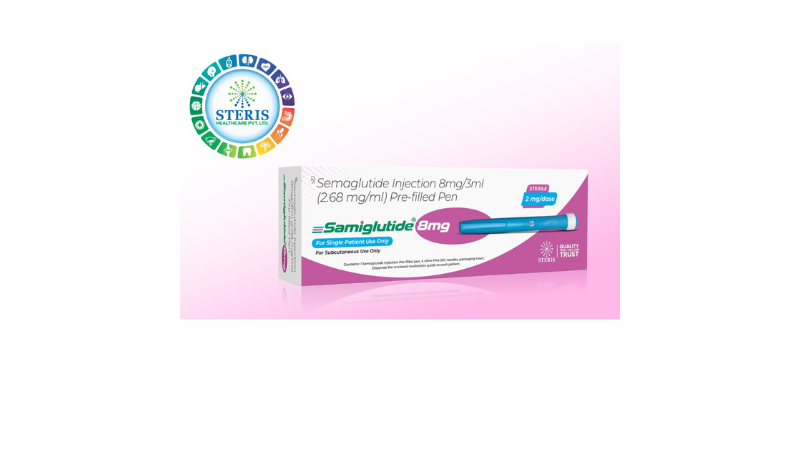
Semaglutide Injection Pen 8 mg: Step-by-Step Dosage & Precautions
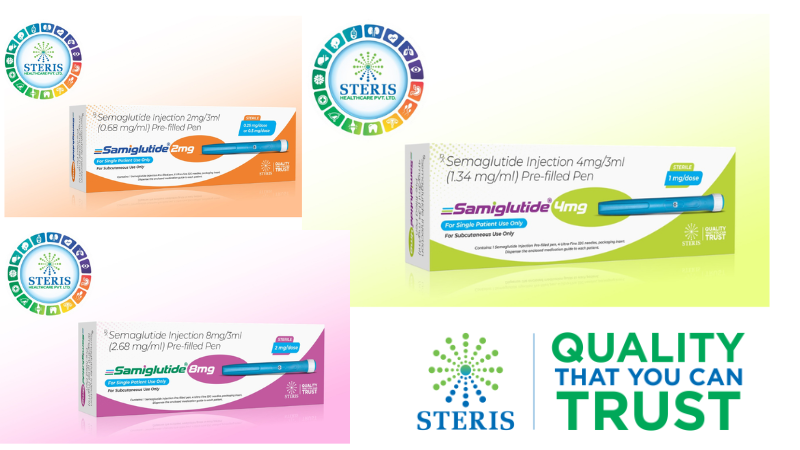
BEST semaglutide injection price in india
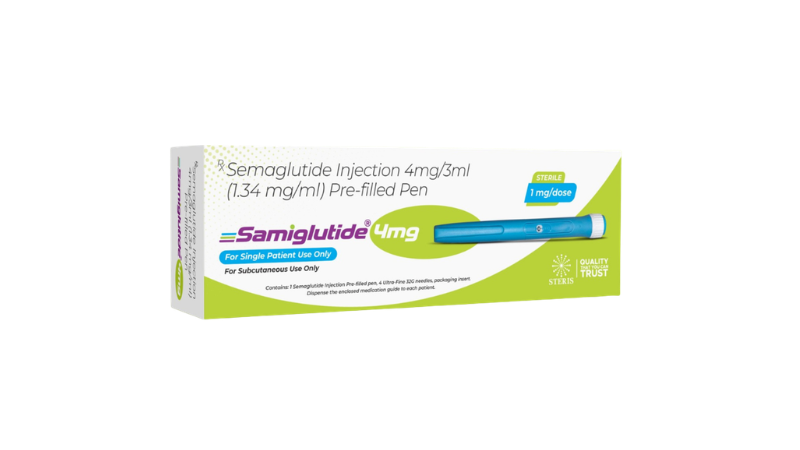
How Semaglutide Injection 4 mg Helps Control Blood Sugar

