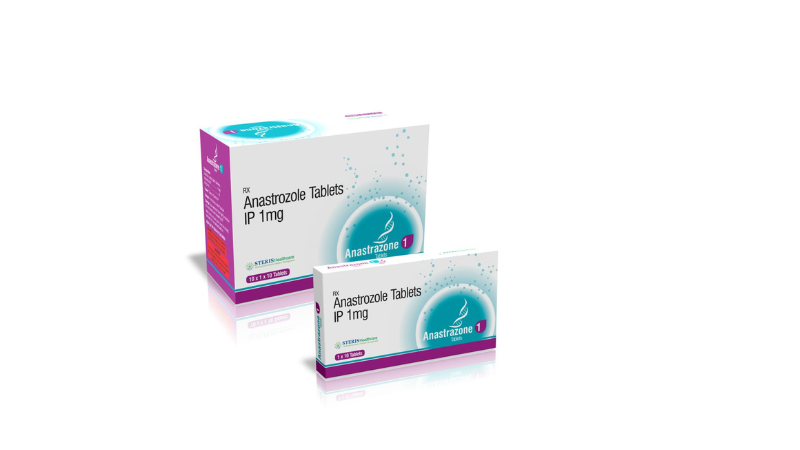



Anastrozole 1mg: Comprehensive Guide on Anastrazone 1
Jul 15, 2024
Hormone receptor-positive breast cancer requires targeted treatment approaches that specifically address the hormonal drivers of tumor growth, particularly in postmenopausal women where estrogen continues to play a significant role in cancer progression. To address this need, Steris Healthcare has developed ANASTRAZONE 1, an aromatase inhibitor medication with the active composition Anastrozole 1 mg Tablet.
ANASTRAZONE 1 is primarily used for the treatment of hormone receptor-positive breast cancer in postmenopausal women, including early-stage breast cancer following surgery, advanced or metastatic breast cancer, and as preventive therapy in certain high-risk postmenopausal women. As an aromatase inhibitor, anastrozole works by reducing estrogen production in the body, directly targeting the hormonal pathway that fuels the growth of hormone receptor-positive breast cancer cells.
Why Anastrozole 1 mg Tablet Is Important
Hormone receptor-positive breast cancer is one of the most common types of breast cancer, characterized by cancer cells that have receptors for estrogen or progesterone, meaning these hormones can fuel their growth. In postmenopausal women, while the ovaries no longer produce significant estrogen, the body continues to produce this hormone through a process called aromatization, which converts other hormones into estrogen in fat tissue, muscle, and other locations throughout the body. This ongoing estrogen production can continue to support the growth of hormone-sensitive breast cancer cells even after menopause.
This is where anastrozole tablets become particularly important. By specifically blocking the aromatase enzyme responsible for this hormone conversion process, anastrozole significantly reduces circulating estrogen levels throughout the body, effectively cutting off the hormonal fuel supply that hormone receptor-positive breast cancer cells depend on for growth. This targeted mechanism makes anastrozole a cornerstone treatment in postmenopausal breast cancer management, whether used to reduce recurrence risk after initial cancer treatment, manage advanced disease, or, in select cases, reduce future breast cancer risk in women at high risk of developing the disease.
Key Benefits
Anastrozole 1 mg tablet offers several important benefits in the management of hormone receptor-positive breast cancer.
What are the benefits of the Anastrozole 1 mg Tablet?
- Effective estrogen reduction—significantly lowers circulating estrogen levels by blocking the aromatase enzyme.
- Reduces recurrence risk—widely used as adjuvant therapy following surgery to help lower the risk of breast cancer returning.
- Manages advanced breast cancer—Effective in slowing or controlling the progression of hormone receptor-positive metastatic breast cancer.
- Oral administration—Available as a convenient once-daily tablet, avoiding the need for injections.
- Well-established treatment class—Aromatase inhibitors have an extensive history of clinical use and research in postmenopausal breast cancer treatment.
- Preventive potential in high-risk patients—May be used in select high-risk postmenopausal women to help reduce future breast cancer risk, as determined by an oncologist.
- Targeted hormonal mechanism—Specifically addresses the hormone-dependent growth pathway relevant to hormone receptor-positive cancers.
Mechanism of Action
How it works (Anastrozole Tablets Mechanism): Anastrozole works by selectively and reversibly inhibiting the aromatase enzyme, which is responsible for converting androgens (male hormones present in both men and women in smaller amounts) into estrogen in peripheral tissues, including fat, muscle, and, in some cases, tumor tissue itself. In postmenopausal women, since the ovaries no longer produce significant estrogen, this peripheral aromatization process becomes the primary source of circulating estrogen in the body. By blocking the aromatase enzyme, anastrozole substantially reduces overall estrogen production, which in turn deprives hormone receptor-positive breast cancer cells of the estrogen they need to grow and proliferate. This mechanism is distinctly different from other hormonal breast cancer treatments, such as tamoxifen, which works by blocking estrogen receptors directly on cancer cells rather than reducing estrogen production itself. Because anastrozole targets estrogen synthesis rather than its receptor activity, it offers an important treatment option, particularly for postmenopausal women where this aromatization pathway is the dominant source of estrogen.
Side Effects
Most patients tolerate ANASTRAZONE 1 reasonably well, but given its hormone-altering mechanism, some may experience side effects such as:
- Hot flashes
- Joint pain or stiffness
- Fatigue
- Mild nausea
- Headache
- Vaginal dryness
These effects are related to the significant reduction in estrogen levels and vary in intensity between individuals.
Available Substitute
Other aromatase inhibitors, such as letrozole or exemestane, are also available for the treatment of hormone receptor-positive breast cancer in postmenopausal women. Additionally, tamoxifen, which works through a different hormonal mechanism, may be considered in certain clinical situations. However, switching between these treatment options should only be done under the guidance of an oncologist, based on individual patient factors and treatment response.
Dosage Guidelines
The dosage of anastrozole 1 mg tablet should always be determined by an oncologist based on the specific breast cancer diagnosis, treatment stage, and individual patient factors. General guidelines include:
- Typically taken once daily, at the same time each day, as prescribed by your doctor.
- Can be taken with or without food, based on individual preference and doctor's advice.
- Treatment duration varies significantly depending on the clinical context—adjuvant therapy following surgery may continue for several years, while treatment for advanced disease continues based on response and tolerability.
- Regular monitoring, including bone density assessments and cholesterol level checks, is often recommended during long-term therapy.
- Do not stop taking this medication without consulting your oncologist, as consistent, uninterrupted use is often important for achieving the intended treatment benefit.
Precautions & Warnings
- Inform your doctor about any history of osteoporosis or bone density concerns before starting this medication, given its potential effect on bone health.
- Regular bone density monitoring may be recommended throughout treatment, particularly for long-term use.
- Inform your doctor about any history of cardiovascular disease or elevated cholesterol, as periodic monitoring may be advised.
- This medication is intended for use in postmenopausal women only; it is not appropriate for premenopausal women or during pregnancy, as it can cause harm to a developing fetus.
- Inform your doctor about all other medications and supplements you are taking to avoid potential interactions.
- Report any severe or persistent joint pain to your doctor, as this is a commonly reported side effect that may sometimes require management strategies.
- Regular follow-up appointments with your oncologist are essential to monitor treatment effectiveness and manage any side effects.
- Store in a cool, dry place away from direct sunlight and out of reach of children.
Indications, Efficacy, and Clinical Evidence
Anastrozole tablets are widely indicated for the treatment of hormone receptor-positive breast cancer in postmenopausal women, including adjuvant treatment following surgery, treatment of advanced or metastatic breast cancer, and, in select cases, breast cancer risk reduction in high-risk postmenopausal women.
Key Indications:
- Early-stage hormone receptor-positive breast cancer, as adjuvant therapy after surgery
- Advanced or metastatic hormone receptor-positive breast cancer
- Breast cancer risk reduction in select high-risk postmenopausal women, as determined by an oncologist
- Treatment following other hormonal therapies in appropriate clinical scenarios
The efficacy of anastrozole 1 mg tablet is well established in oncology, with extensive clinical research supporting its role as a cornerstone therapy in postmenopausal, hormone receptor-positive breast cancer management. Its targeted mechanism of reducing estrogen production, combined with its convenient once-daily oral dosing, has made it a widely prescribed option in comprehensive breast cancer treatment protocols worldwide. Its established track record spans both adjuvant therapy, where it helps reduce recurrence risk, and advanced disease management, where it helps control disease progression. For specific clinical data, treatment protocols, or guidance on whether this medication is appropriate for your individual diagnosis, always consult a qualified oncologist.
Frequently Asked Questions
1. What is anastrozole 1 mg tablet used for?
It's used to treat hormone receptor-positive breast cancer in postmenopausal women by reducing estrogen production in the body.
2. What is the anastrozole 1 mg tablet price?
Pricing varies based on pack size, region, and pharmacy; always purchase through authorized channels for authenticity.
3. How do anastrozole tablets work?
They work by blocking the aromatase enzyme, which reduces the body's production of estrogen, cutting off the hormonal fuel for cancer cell growth.
4. Is anastrozole used before or after breast cancer surgery?
It's commonly used as adjuvant therapy after surgery to help reduce the risk of cancer recurrence.
5. What are the common side effects of anastrozole 1 mg tablet?
Hot flashes, joint pain, fatigue, and mild nausea are among the most commonly reported side effects.
6. Can anastrozole affect bone health?
Yes, long-term use can contribute to bone density loss, so regular monitoring is often recommended.
7. Is anastrozole suitable for premenopausal women?
No, this medication is specifically intended for use in postmenopausal women.
8. How long is anastrozole typically taken for breast cancer treatment?
Duration varies based on the clinical context, with adjuvant therapy often continuing for several years, as determined by your oncologist.
9. Is a prescription required for ANASTRAZONE 1?
Yes, it is a prescription-only medication that must be used under oncologist supervision.
10. What is the difference between anastrozole and tamoxifen?
Anastrozole reduces estrogen production by blocking the aromatase enzyme, while tamoxifen blocks estrogen receptors directly on cancer cells.
11. Can anastrozole be used for advanced breast cancer?
Yes, it's used to manage advanced or metastatic hormone receptor-positive breast cancer.
12. Does anastrozole affect cholesterol levels?
Some patients may experience changes in cholesterol levels, so periodic monitoring may be recommended by your doctor.
13. Can anastrozole be used to prevent breast cancer?
In select high-risk postmenopausal women, it may be used for risk reduction, as determined by an oncologist.
14. What should I avoid while taking anastrozole?
Avoid stopping the medication without medical guidance, and inform your doctor about all other medications and supplements you're taking.
15. Is joint pain common with anastrozole use?
Yes, joint pain and stiffness are among the more frequently reported side effects associated with this medication class.
16. Can anastrozole be taken with other cancer treatments?
This should only be determined by your oncologist, as treatment plans are individualized based on your specific cancer diagnosis and stage.
Conclusion
ANASTRAZONE 1 (Anastrozole 1 mg Tablet) by Steris Healthcare offers a well-established, targeted treatment approach for postmenopausal women with hormone receptor-positive breast cancer. By effectively reducing estrogen production through aromatase inhibition, this medication plays a vital role in reducing recurrence risk, managing advanced disease, and supporting long-term breast cancer treatment outcomes. Given the importance of consistent use, regular monitoring for bone health and cardiovascular factors, and individualized treatment duration, this medication should always be used under the close guidance of a qualified oncologist to ensure safe and effective treatment tailored to your specific diagnosis.
For Further Information:
Mail Us: contact@sterispharma.com or info@sterispharma.com
Call Now: +918824175417, +919982524671
Buy Now
Recent Post
L-Glutathione, Vitamin C & Alpha Lipoic Acid Tablets: Uses, Benefits & Side Effects
Vitamin A, D & Calcium Chloride: Uses, Benefits & Safety Information
How Does Vitamin C Face Serum Benefit Your Skin?
Minoxidil & Finasteride Topical Solution: How Does It Work?
Minoxidil Gel: Uses, Side Effects & Important Precautions
What Does Semaglutide Do to Your Body? Benefits & Risks
Amlodipine 5 mg + Olmesartan 40 mg: Benefits, Dosage & Precautions
Ramipril 2.5 mg and Hydrochlorothiazide 12.5 mg: Uses, Benefits & Dosage
Atorvastatin 5 mg क्या है? जानें उपयोग, फायदे और साइड इफेक्ट्स
Atorvastatin 40 mg Tablet: उपयोग और जरूरी जानकारी