


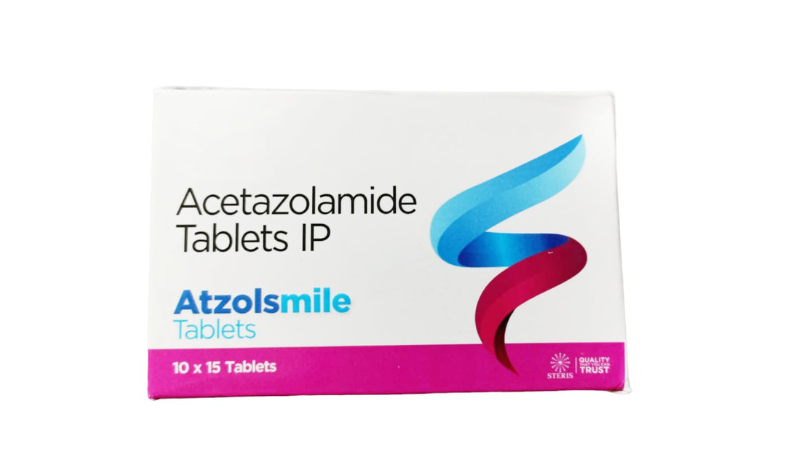



Acetazolamide (250mg) ATZOLSMILE 250: Uses, Dosage, Side Effects, and Price
Jun 29, 2024
ATZOLSMILE 250 is a high-quality formulation of Acetazolamide 250 mg, designed to support patients who require effective control of intraocular pressure, fluid retention, or specific neurological conditions. As a trusted product from Steris Healthcare, ATZOLSMILE 250 reflects precision in formulation, consistent therapeutic performance, and adherence to rigorous pharmaceutical standards.
Acetazolamide has been used for decades in medical practice and remains one of the most dependable carbonic anhydrase inhibitors. Its broad therapeutic applications make it an essential prescription for ophthalmologists, neurologists, nephrologists, and physicians managing patients with glaucoma, edema, certain seizure disorders, and metabolic disturbances.
This SEO-optimized content provides a detailed, accurate, and user-friendly explanation of ATZOLSMILE 250, ensuring healthcare professionals and patients have complete clarity about the product, its uses, benefits, dosage, safety profile, and precautions.
What is ATZOLSMILE 250 (Acetazolamide 250 mg)?
ATZOLSMILE 250 contains Acetazolamide, a carbonic anhydrase inhibitor medicine that helps reduce excess fluid formation in various parts of the body. By slowing the enzyme responsible for bicarbonate and fluid formation, Acetazolamide promotes diuresis, reduces pressure in the eyes, and helps regulate abnormal electrical activity in the brain.
Because of its multidimensional action, ATZOLSMILE 250 is used in multiple therapeutic areas:
-
Glaucoma (open-angle and acute angle-closure)
-
Fluid retention (edema) due to heart failure or certain medical conditions
-
Epilepsy (especially absence seizures)
-
Mountain sickness (altitude sickness)
-
Metabolic alkalosis
-
Periodic paralysis
-
Idiopathic intracranial hypertension (IIH) – off-label but widely recommended
Its ability to reduce intraocular pressure rapidly makes ATZOLSMILE 250 one of the frontline therapeutic choices in ophthalmology.
Therapeutic Uses of ATZOLSMILE 250
Below is a detailed breakdown of the primary and secondary uses:
1. Glaucoma Management
ATZOLSMILE 250 is highly effective in reducing excessive intraocular pressure (IOP). It is commonly prescribed in:
-
Primary open-angle glaucoma
-
Angle-closure glaucoma (acute emergencies)
-
Secondary glaucoma
By reducing the formation of aqueous humor, ATZOLSMILE 250 helps protect the optic nerve and prevent progressive vision loss.
2. Edema Associated with Heart Failure
This medication helps remove excess fluid from the body through increased urination. It is used in:
-
Congestive heart failure
-
Drug-induced edema
-
Edema from other medical conditions
Its mild diuretic action helps relieve swelling, shortness of breath, and fluid overload symptoms.
3. Epilepsy and Seizure Disorders
ATZOLSMILE 250 plays an important preventive role in certain types of seizures:
-
Absence seizures
-
Myoclonic seizures
-
Adjunct therapy in refractory epilepsy
Acetazolamide stabilizes abnormal electrical activity in the brain, helping reduce seizure episodes.
4. Mountain Sickness (Altitude Sickness)
ATZOLSMILE 250 is widely used for preventing and treating:
-
Acute mountain sickness
-
Headache, dizziness, and breathing issues at high altitudes
It promotes acclimatization by correcting respiratory alkalosis and improving oxygenation.
5. Idiopathic Intracranial Hypertension (IIH)
Increased pressure inside the skull can lead to:
-
Headaches
-
Vision disturbances
-
Papilledema
ATZOLSMILE 250 reduces cerebrospinal fluid (CSF) formation, making it a core therapy in IIH treatment protocols.
6. Metabolic Alkalosis
When the body becomes too alkaline, ATZOLSMILE 250 helps restore natural acid-base balance by increasing bicarbonate excretion.
7. Periodic Paralysis
Some patients with periodic paralysis benefit from Acetazolamide, which helps prevent episodes of muscle weakness.
How ATZOLSMILE 250 Works
Acetazolamide inhibits an enzyme called carbonic anhydrase, which plays a key role in:
-
Aqueous humor formation in the eye
-
Acid-base balance
-
Bicarbonate production
-
Cerebrospinal fluid formation
By suppressing this enzyme:
-
Fluid formation reduces
-
Pressure inside the eye decreases
-
Excess fluid is removed via urine
-
Abnormal neurological activity stabilizes
This multi-level mechanism enables ATZOLSMILE 250 to serve many therapeutic purposes.
Key Benefits of ATZOLSMILE 250
1. Rapid Reduction of Intraocular Pressure
Effective for emergency and long-term glaucoma control.
2. Helps Remove Excess Body Fluid
Useful for edema management and improving heart failure symptoms.
3. Improves Seizure Control
Acts as supportive therapy for certain types of epilepsy.
4. Prevents and Treats Mountain Sickness
Promotes faster adaptation to high altitudes.
5. Supports Management of Intracranial Hypertension
Reduces CSF pressure and protects vision.
6. Corrects Metabolic Alkalosis
Restores healthy acid-base balance.
7. Well-Studied, Trusted, and Time-Tested
Acetazolamide has a long history of safe clinical use.
Why Choose ATZOLSMILE 250?
-
Pharmaceutical-grade API
-
Accurate dosage delivery
-
High purity and consistent absorption
-
Manufactured under strict quality control
-
Backed by Steris Healthcare’s reputation for reliability
-
Suitable for both hospital and OPD prescriptions
Dosage and Administration
Dosage varies depending on the condition and physician's guidance.
Common dose ranges include:
Glaucoma:
250 mg to 1000 mg/day in divided doses.
Epilepsy:
250 mg to 1000 mg daily, depending on patient response.
Edema:
250–375 mg once daily or on alternate days.
Altitude Sickness:
250 mg twice daily (prevention and treatment).
IIH:
500 mg to 2000 mg daily (as per specialist advice).
Important:
ATZOLSMILE 250 should always be taken under medical supervision. Do not adjust or stop the dosage without consulting a doctor.
Side Effects
While generally well tolerated, some patients may experience:
-
Increased urination
-
Fatigue
-
Nausea or vomiting
-
Tingling sensation in hands or feet
-
Headache
-
Loss of appetite
-
Taste alteration
-
Diarrhea
-
Low potassium levels
-
Mood changes (rare)
-
Kidney stone risk (with long-term use)
Seek medical attention if you experience severe symptoms such as:
-
Rash
-
Difficulty breathing
-
Jaundice
-
Blood in urine
-
Vision disturbances
Precautions and Warnings
ATZOLSMILE 250 should be used cautiously under medical supervision in:
-
Kidney disease
-
Liver disorders
-
Electrolyte imbalance
-
Diabetes
-
Sulfonamide allergy
-
Pregnancy and breastfeeding
-
Elderly patients
-
Long-term usage requiring periodic blood tests
Avoid alcohol consumption as it may worsen dizziness.
Drug Interactions
ATZOLSMILE 250 may interact with:
-
Aspirin (high doses)
-
Antiepileptic medicines
-
Lithium
-
Corticosteroids
-
Diuretics
-
Certain antibiotics
Always inform your doctor about all ongoing medications.
Conclusion
ATZOLSMILE 250 (Acetazolamide 250 mg) is a trusted, clinically valuable medication for managing glaucoma, fluid retention, seizure disorders, altitude sickness, metabolic imbalance, and intracranial pressure conditions. With its broad therapeutic benefits and proven mode of action, it remains a vital prescription medicine across various specialties.
Recent Post
Semaglutide 4mg vs Pancreatitis Risk: What Doctors Want You to Know
Semaglutide 8mg Injection: Frequently Asked Questions Answered by Experts
Mycophenolate Mofetil 500mg (Mycofortic M 500): Uses, Benefits & Precautions – Complete Guide
What is Bisogard 1.25? Bisoprolol 1.25mg Uses, Dosage & Side Effects Explained
Can Semaglutide Injection Be Used Without Diabetes?
What Are Nintedanib Soft Gelatin Capsules Used For? Complete Guide
Where to Buy Semaglutide Injection in India: Price, Pen & Prescription Guide
ERITOCOX BENZ 60/5 Dosage Guide: How to Take Etoricoxib & Cyclobenzaprine Tablets Safely
Gabapentin and Methylcobalamin Tablets Side Effects: What Patients Should Know
Thyroxine sodium tablets IP: उपयोग, फायदे और साइड इफेक्ट्स