


Acebrophylline and Acetylcysteine
May 05, 2023
Acebrophylline and Acetylcysteine
S PHYLLIN N are both medications used to treat respiratory conditions, but they work in different ways.
Acebrophylline is a bronchodilator that works by relaxing the smooth muscles in the airways and reducing inflammation. It also helps to thin and loosen the mucus, making it easier to cough up. Acebrophylline is primarily used to treat chronic bronchitis and may also be used to treat asthma.
Acetylcysteine, on the other hand, is a mucolytic agent that works by breaking down the chemical bonds in mucus, making it easier to cough up. It is often used to treat respiratory conditions associated with thick and sticky mucus, such as chronic obstructive pulmonary disease (COPD), cystic fibrosis, and bronchiectasis. Acetylcysteine is also used as an antidote for acetaminophen overdose.
While both medications are used to treat respiratory conditions, they work in different ways and are used to treat different types of respiratory conditions. Acebrophylline is primarily used to treat chronic bronchitis and asthma, while Acetylcysteine is used to treat respiratory conditions associated with thick and sticky mucus. As with any medication, S PHYLLIN N is important to use these drugs only under the guidance of a healthcare professional.
For further information please contact:
info@sterispharma.com
Recent Post
Voglibose 0.3 mg: Uses, Benefits, Dosage, Side Effects & Precautions
Glimepiride Voglibose and Metformin Tablets – Uses & Benefits
Voglibose and Metformin Hydrochloride Tablets – Uses & Benefits
Voglibose 0.3 mg + Metformin SR 500 mg: Uses & Benefits
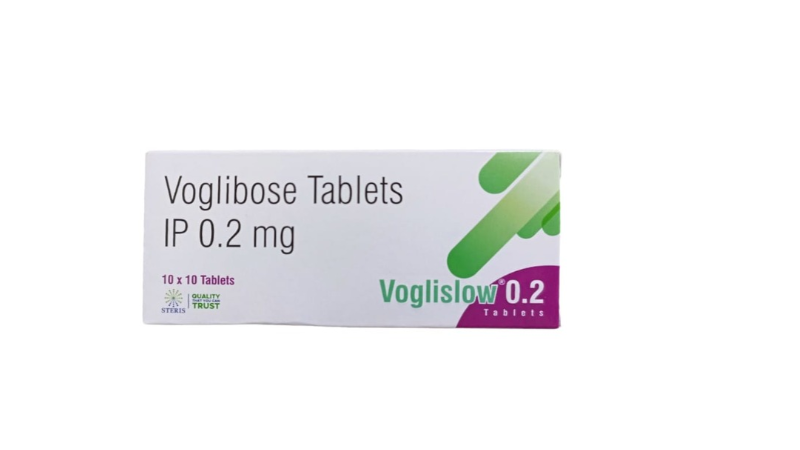
Voglibose 0.2mg: Uses, Benefits, Dosage & Side Effects
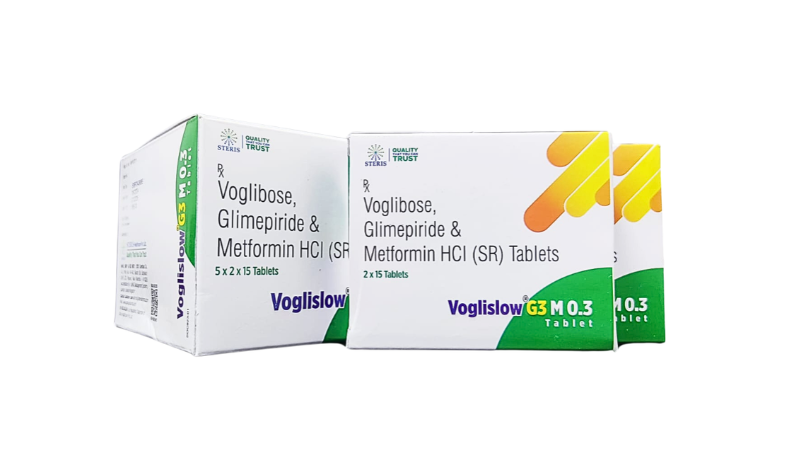
VOGLISLOW G3 M 0.3: Uses, Benefits & Side Effects
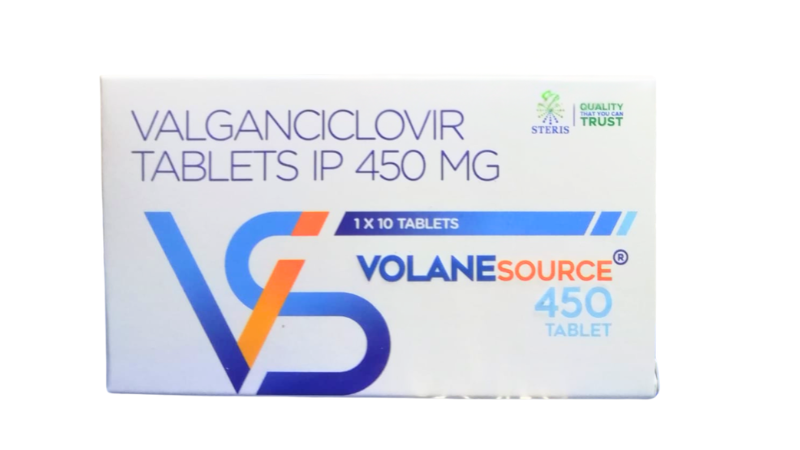
Valganciclovir Tablet IP 450 mg: Uses, Benefits, Dosage, Side Effects
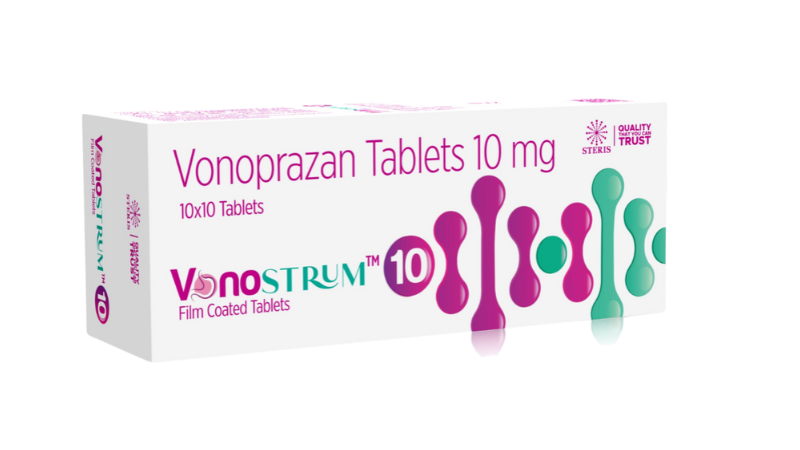
Vonoprazan 10 mg: for Acid Reflux and GERD
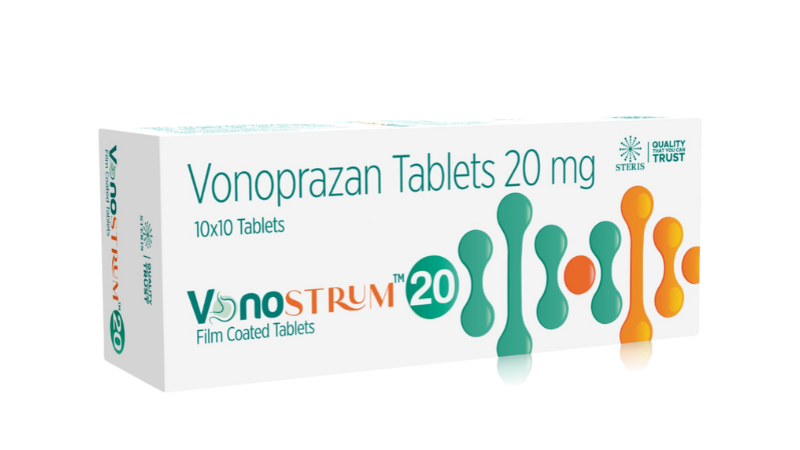
Vonoprazan 20 mg: Uses, Benefits, Dosage, Side Effects
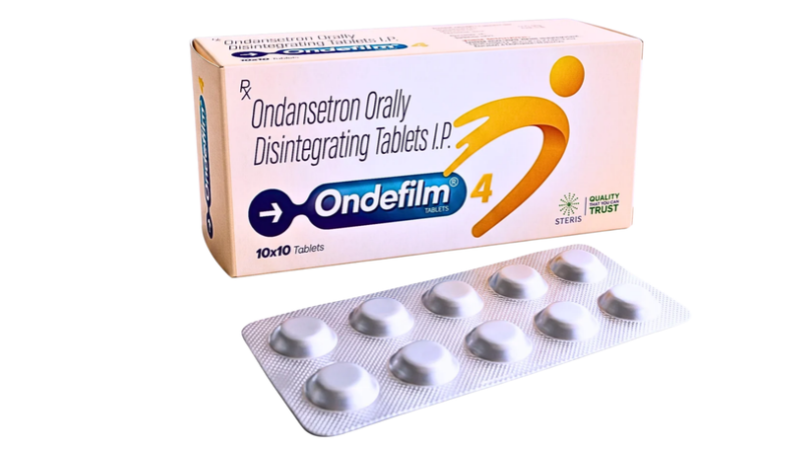
Ondansetron 4 mg Orally Disintegrating Tablets IP – Uses, Benefits & Precautions

