


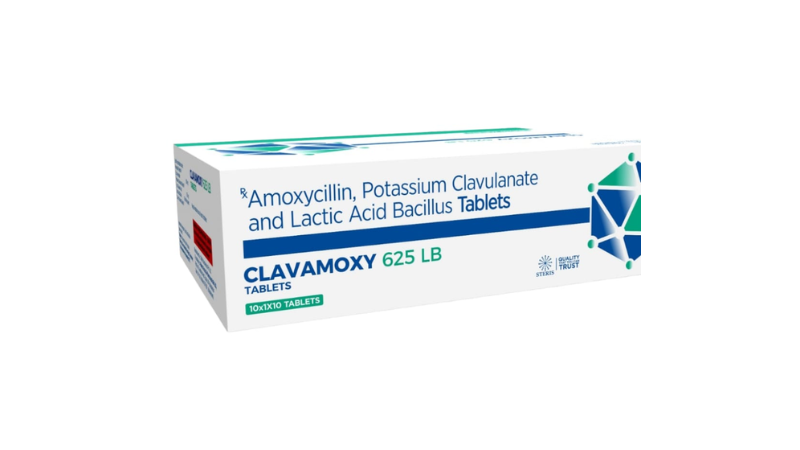



What Is Amoxicillin Clavulanate with Lactic Acid Bacillus Used For?
Sep 14, 2026
CLAVAMOXY 625 LB, marketed by Steris Healthcare, is a combination antibiotic and probiotic tablet built around three active ingredients: Amoxicillin, Potassium Clavulanate, and Lactic Acid Bacillus. Together, these are known in medical literature as amoxicillin potassium clavulanate lactic acid bacillus tablets — a formulation doctors commonly prescribe when a bacterial infection needs to be treated aggressively while protecting the patient's gut health at the same time.
In plain terms, CLAVAMOXY 625 LB is prescribed for bacterial infections of the respiratory tract (like sinusitis, tonsillitis, and bronchitis), ear infections, urinary tract infections, skin and soft tissue infections, dental abscesses, and certain post-surgical infections. The "625" in the name refers to the combined strength of amoxicillin and clavulanic acid (typically 500 mg amoxicillin + 125 mg clavulanic acid = 625 mg), while the "LB" stands for Lactic Bacillus, a probiotic added to counter the digestive side effects antibiotics are notorious for.
Why Amoxicillin Potassium Clavulanate Lactic Acid Bacillus Tablets Are Important
Plain amoxicillin has been around for decades, but many bacteria have since evolved an enzyme called beta-lactamase that breaks amoxicillin down before it can work. This is exactly why clavulanic acid is added — it blocks that enzyme, letting amoxicillin do its job even against bacteria that would otherwise shrug it off. This combination is what makes amoxicillin potassium clavulanate one of the most reliable broad-spectrum antibiotic choices in outpatient practice today.
But there's a catch with almost every antibiotic: while it's killing the harmful bacteria causing your infection, it's also wiping out a chunk of the good bacteria living in your gut. That's usually what causes the stomach upset, bloating, or diarrhea people associate with "antibiotic days." This is where the Lactic Acid Bacillus component earns its place. It helps repopulate the gut with beneficial flora as the antibiotic works, which is why LB-added formulations are now favoured over plain amoxicillin-clavulanate combinations in many prescriptions.
Key Benefits
What Are the Benefits of Amoxicillin Potassium Clavulanate Lactic Acid Bacillus Tablets?
- Broad antibacterial coverage — effective against a wide range of Gram-positive and Gram-negative bacteria, including many resistant strains that plain amoxicillin can't touch.
- Faster symptom relief — because the clavulanic acid prevents bacterial breakdown of the antibiotic, more of it reaches the site of infection, often speeding up recovery.
- Reduced antibiotic-associated diarrhea — the added Lactic Acid Bacillus helps maintain healthy gut flora, one of the most common reasons patients discontinue antibiotics midway.
- Better treatment adherence — with fewer digestive side effects, patients are more likely to complete the full antibiotic course, which matters enormously for preventing antibiotic resistance.
- Versatile use across infection types — respiratory, urinary, dental, skin, and soft tissue infections can all fall within its prescribed use.
- Convenient twice-daily dosing in most standard regimens, making it easier to fit into a daily routine compared to older three-times-a-day antibiotics.
Side Effects
Like all antibiotics, amoxicillin potassium clavulanate lactic acid bacillus tablets can cause side effects, though most people tolerate the combination reasonably well, especially with the LB component softening the gut impact.
Common, usually mild side effects include:
- Nausea or mild stomach discomfort
- Diarrhea or loose motions
- Vomiting
- Skin rash or mild itching
- Headache
- Vaginal itching or discharge (due to disruption of normal flora)
- Loss of appetite
Most of these settle within a day or two and rarely require stopping the medicine. Taking the tablet with food can reduce stomach-related discomfort significantly.
Available Substitutes
Amoxicillin-clavulanate with Lactic Acid Bacillus is manufactured by multiple pharmaceutical companies in India under different brand names, all built on the same active salts. A doctor or pharmacist may substitute CLAVAMOXY 625 LB with another equivalent brand containing the identical composition of amoxicillin, potassium clavulanate, and lactic acid bacillus if it isn't available, provided the strength and dosage form match exactly.
Dosage Guidelines
Dosage always depends on the type and severity of infection, the patient's age, kidney function, and body weight — so what follows is general reference information, not a prescription.
- Typical adult dose: One tablet (625 mg strength) taken orally every 12 hours, i.e., twice a day.
- Course duration: Usually 5 to 7 days for common infections, though certain infections (like dental abscesses or complicated UTIs) may require up to 10–14 days as directed by the physician.
- How to take it: Preferably at the start of a meal, to minimize stomach upset and improve absorption.
- Missed dose: Take it as soon as you remember; if it's almost time for the next dose, skip the missed one — never double up.
- Course completion: Even if symptoms improve within 2–3 days, the full course must be completed. Stopping early is one of the leading causes of antibiotic resistance.
- Not for children under a certain weight/age without pediatric dosing adjustment — pediatric strength and dosing differ significantly from the adult 625 mg tablet.
- Overdose: Symptoms may include stomach pain, vomiting, diarrhea, or crystalluria (crystals in urine affecting kidney function). Seek emergency medical help if overdose is suspected.
This medicine should only be taken on a valid prescription, at the dose and duration your doctor has specified for your specific condition.
Precautions & Warnings
- Penicillin allergy: Anyone with a known allergy to penicillin, amoxicillin, or any beta-lactam antibiotic should avoid this medicine entirely, as cross-reactivity is common.
- Liver or kidney disease: Dose adjustments may be necessary; inform your doctor of any pre-existing liver or kidney condition before starting treatment.
- Pregnancy and breastfeeding: Generally considered usable under medical supervision, but should only be taken if specifically prescribed by an obstetrician or physician aware of the pregnancy.
- Infectious mononucleosis: Amoxicillin-based antibiotics can cause a widespread skin rash in patients with mononucleosis; inform your doctor if you suspect this condition.
- Drug interactions: Can interact with methotrexate (increasing toxicity), oral anticoagulants like warfarin (affecting bleeding risk), probenecid, and may reduce the effectiveness of certain hormonal contraceptives — always disclose all current medications to your doctor.
- Alcohol: While not strictly contraindicated, alcohol can worsen gastrointestinal side effects and is best avoided during the treatment course.
- Driving or operating machinery: Rarely, dizziness may occur — use caution until you know how your body responds.
- Do not self-medicate or reuse leftover tablets for a different illness or another person, even if symptoms look similar.
- Storage: Keep at room temperature, away from moisture and direct sunlight, and out of reach of children.
Mechanism of Action
Understanding how amoxicillin potassium clavulanate actually works helps explain why this combination is preferred over amoxicillin alone in many infections.
Amoxicillin belongs to the penicillin group of antibiotics. It works by binding to specific proteins on the bacterial cell wall called penicillin-binding proteins (PBPs). This binding blocks the final step of bacterial cell wall synthesis, causing the wall to weaken and eventually rupture, killing the bacteria (a bactericidal action).
The problem is that many bacterial strains produce an enzyme called beta-lactamase, which chemically breaks apart amoxicillin's core structure before it ever reaches the bacterial cell wall — effectively neutralizing the drug.
Potassium Clavulanate solves this. It's a beta-lactamase inhibitor — it binds to and deactivates the beta-lactamase enzyme itself, protecting amoxicillin from being destroyed. This doesn't kill bacteria on its own, but it "clears the path" so amoxicillin can do its job against strains that would otherwise resist it. This is why the amoxicillin-clavulanate combination covers a noticeably broader range of bacteria than amoxicillin alone.
Lactic Acid Bacillus, the third component, works through a completely different mechanism. It's a live probiotic culture that colonizes the intestines, produces lactic acid to lower gut pH (making it inhospitable for harmful bacteria), and competes with pathogenic organisms for space and nutrients. This helps preserve the natural gut flora that antibiotics tend to disrupt, reducing the incidence of antibiotic-associated diarrhea.
Together, these three ingredients target the infection aggressively while actively protecting digestive health — a balance that's become the modern standard for antibiotic prescribing.
Frequently Asked Questions
1. What is CLAVAMOXY 625 LB used for?
It's used to treat bacterial infections such as respiratory tract infections, ear/nose/throat infections, urinary tract infections, skin infections, and dental infections, while the added Lactic Acid Bacillus helps protect gut health during the antibiotic course.
2. What is amoxicillin potassium clavulanate 625 used for?
Amoxicillin potassium clavulanate 625 is used for treating a broad range of bacterial infections, including those caused by resistant bacteria that produce beta-lactamase enzymes, which plain amoxicillin cannot fight alone.
3. Amoxicillin potassium clavulanate 625 uses in Hindi क्या हैं?
Amoxicillin Potassium Clavulanate 625 का उपयोग श्वसन तंत्र, कान-नाक-गले, मूत्र मार्ग, त्वचा और दांतों के जीवाणु संक्रमण के इलाज के लिए किया जाता है। इसे डॉक्टर की सलाह के बिना नहीं लेना चाहिए।
4. What is lactic acid bacillus tablet used for?
Lactic acid bacillus tablets are used as probiotics to restore healthy gut bacteria, particularly during or after a course of antibiotics, helping to reduce diarrhea, bloating, and digestive discomfort.
5. Lactic acid bacillus tablet uses in Hindi में क्या है?
Lactic Acid Bacillus टैबलेट का उपयोग आंतों में अच्छे बैक्टीरिया की मात्रा बढ़ाने और एंटीबायोटिक के कारण होने वाले दस्त या पाचन संबंधी समस्याओं को कम करने के लिए किया जाता है।
6. Can I take CLAVAMOXY 625 LB without a prescription?
No. This is a Schedule H prescription antibiotic and must only be taken as directed by a registered medical practitioner.
7. How long does it take for amoxicillin potassium clavulanate to start working?
Most people notice improvement in symptoms within 48 to 72 hours, though the full prescribed course should always be completed regardless of how quickly symptoms improve.
8. What foods or drinks should be avoided while taking this tablet?
Alcohol is best avoided since it can intensify gastrointestinal side effects. Otherwise, no major food restrictions apply, though taking it with meals is recommended.
9. Is CLAVAMOXY 625 LB safe during pregnancy?
It should only be taken during pregnancy if specifically prescribed by your doctor after weighing the benefits against potential risks.
10. What happens if I miss a dose of amoxicillin potassium clavulanate?
Take the missed dose as soon as you remember. If it's close to the next scheduled dose, skip the missed one — never take two doses together.
11. Can this tablet be given to children?
Pediatric dosing differs significantly from the adult 625 mg strength. Children should only be given a formulation and dose specifically prescribed for their age and weight by a pediatrician.
12. What are the main side effects of lactic acid bacillus?
Lactic acid bacillus is generally well tolerated, with very mild and rare side effects like slight bloating. It's included specifically to counter the digestive side effects of the antibiotic component.
13. Why is Lactic Acid Bacillus added to an antibiotic tablet?
Because antibiotics like amoxicillin-clavulanate can disturb the natural gut bacteria, leading to diarrhea. Lactic Acid Bacillus helps replenish these good bacteria, reducing that risk.
14. Can CLAVAMOXY 625 LB treat a common cold or viral infection?
No. This is an antibiotic combination effective only against bacterial infections. It has no effect on viral infections like the common cold or flu.
15. What should I do if I notice a rash after taking this medicine?
A mild rash may resolve on its own, but any widespread rash, swelling, or difficulty breathing needs immediate medical attention, as it could indicate an allergic reaction.
16. Is it safe to drink alcohol while on amoxicillin potassium clavulanate?
It's not strictly forbidden, but alcohol can worsen nausea, stomach upset, and dizziness, so it's best avoided during the treatment period.
17. How should CLAVAMOXY 625 LB tablets be stored?
Store at room temperature, away from direct sunlight and moisture, and keep out of reach of children.
18. What is the difference between amoxicillin and amoxicillin potassium clavulanate?
Plain amoxicillin can be broken down by bacterial beta-lactamase enzymes, making it ineffective against resistant bacteria. Adding potassium clavulanate blocks that enzyme, extending amoxicillin's effectiveness to a wider range of bacteria.
19. Can I stop taking the tablet once I feel better?
No. Stopping early, even after symptoms improve, increases the risk of the infection returning and contributes to antibiotic resistance. Always complete the full prescribed course.
20. Who should avoid taking CLAVAMOXY 625 LB?
Anyone with a known allergy to penicillin or beta-lactam antibiotics, or a history of liver problems linked to amoxicillin-clavulanate use, should avoid this medicine and inform their doctor of any such history.
Conclusion
CLAVAMOXY 625 LB brings together amoxicillin, potassium clavulanate, and lactic acid bacillus in a single tablet designed to treat a wide range of bacterial infections while easing the digestive burden that antibiotics often bring. From respiratory infections to skin and urinary tract infections, this combination has become a go-to prescription because it pairs proven antibacterial efficacy with better patient tolerability. That said, it remains a prescription medicine — one that needs to be taken at the right dose, for the full duration, and under proper medical supervision. If you or someone in your family has been prescribed CLAVAMOXY 625 LB, the best approach is simple: follow the doctor's instructions exactly, complete the full course even after you start feeling better, and reach out to a healthcare provider immediately if anything feels off.
For Further Information:
Mail Us: contact@sterispharma.com or info@sterispharma.com
Call Now: +91 8824175417, +91 9982524671
Recent Post
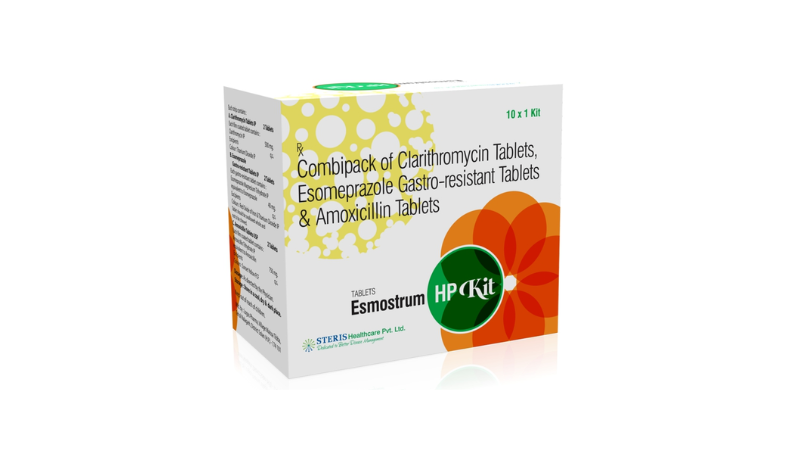
Clarithromycin, Esomeprazole & Amoxicillin Combo Kit: View Uses, Side Effects and Medicines

Semaglutide Injection 2mg/3ml (SAMIGLUTIDE) – Uses, Benefits, Dosage & Side Effects

L-Glutathione, Vitamin C & Alpha Lipoic Acid Tablets: Uses, Benefits & Side Effects

Vitamin A, D & Calcium Chloride: Uses, Benefits & Safety Information

How Does Vitamin C Face Serum Benefit Your Skin?

Minoxidil & Finasteride Topical Solution: How Does It Work?

Minoxidil Gel: Uses, Side Effects & Important Precautions
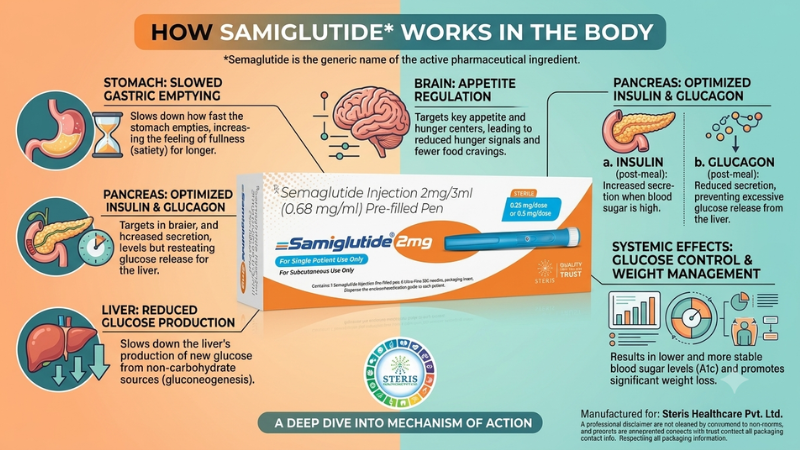
What Does Semaglutide Do to Your Body? Benefits & Risks
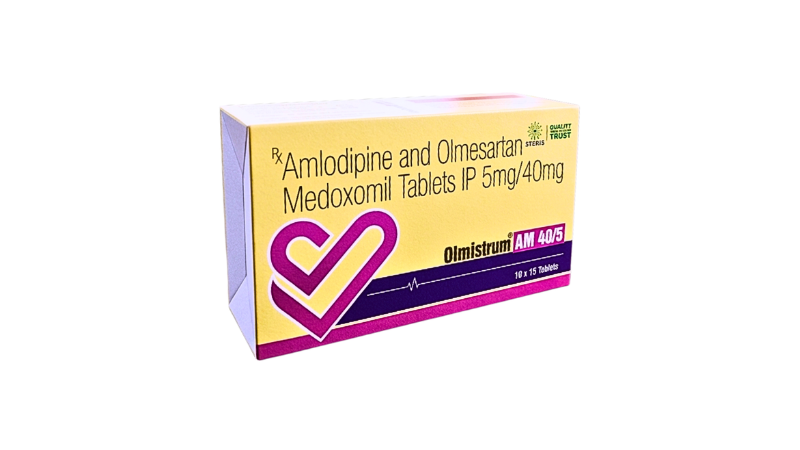
Amlodipine 5 mg + Olmesartan 40 mg: Benefits, Dosage & Precautions
Ramipril 2.5 mg and Hydrochlorothiazide 12.5 mg: Uses, Benefits & Dosage