


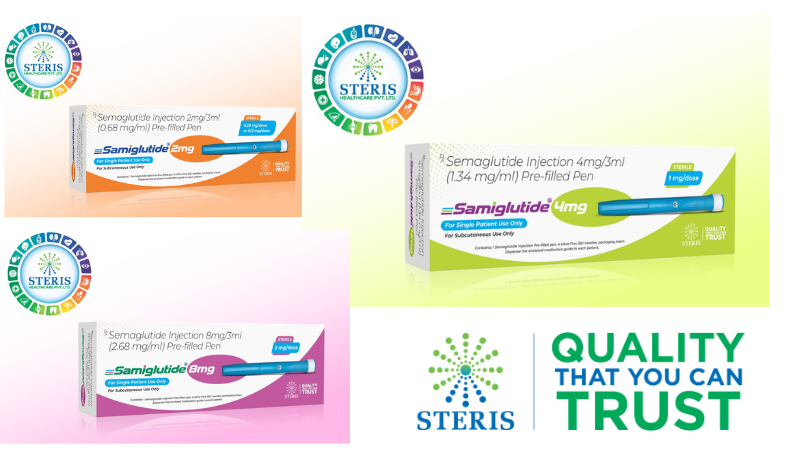



Semaglutide Injection 2mg/3ml (SAMIGLUTIDE) – Uses, Benefits, Dosage & Side Effects
Sep 12, 2026
Semaglutide Injection 2mg/3ml is a once-weekly, prefilled/vial-based GLP-1 receptor agonist prescribed for type 2 diabetes management and, under medical supervision, chronic weight management in adults with obesity or excess weight linked to metabolic risk factors. It works by mimicking the natural GLP-1 hormone — slowing gastric emptying, boosting insulin secretion when blood sugar is high, suppressing excess glucagon, and signaling fullness to the brain. The 2mg/3ml strength is typically used during dose titration or as a maintenance concentration, administered subcutaneously once a week on the same day each week, with or without food. Common side effects are gastrointestinal (nausea, mild diarrhoea, constipation); serious effects are rare but require prompt medical attention.
What Is Semaglutide Injection 2mg/3ml?
Semaglutide Injection 2mg/3ml is an injectable formulation of semaglutide, a synthetic analogue of human glucagon-like peptide-1 (GLP-1). It belongs to a class of medicines called GLP-1 receptor agonists (GLP-1 RAs), which have become one of the most searched and prescribed drug categories globally for type 2 diabetes and medical weight management.
The "2mg/3ml" labeling refers to the total semaglutide content per multi-dose pen or vial (2mg of semaglutide dissolved in 3ml of solution), which allows a doctor to prescribe and titrate smaller, precise weekly doses (commonly starting at 0.25mg and increasing gradually) from the same device, rather than requiring a new pen for every strength change.
Clinical Indications Table
| Indication | Who It's For | Goal of Therapy |
|---|---|---|
| Type 2 Diabetes Mellitus | Adults with inadequately controlled blood sugar on diet/exercise ± other antidiabetic drugs | Improve HbA1c and fasting/postprandial glucose control |
| Chronic Weight Management | Adults with obesity (BMI ≥30) or overweight (BMI ≥27) with a weight-related condition (e.g., hypertension, dyslipidemia, prediabetes) | Support sustained, clinically meaningful weight loss alongside diet and exercise |
| Cardiometabolic Risk Reduction (as advised by physician) | Adults with type 2 diabetes and established cardiovascular risk factors | Support broader metabolic and cardiovascular risk management as part of an overall treatment plan |
How Semaglutide Injection 2mg/3ml Works
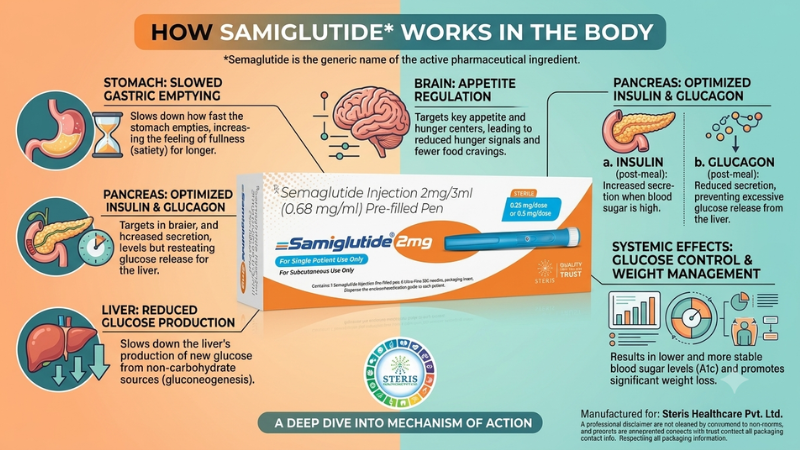
Semaglutide binds to and activates GLP-1 receptors found in the pancreas, stomach, and brain. This produces four coordinated effects:
- Glucose-dependent insulin release – stimulates the pancreas to release insulin only when blood glucose is elevated, minimising the risk of hypoglycemia from the drug itself.
- Suppresses glucagon secretion – reduces the liver's glucose output between meals.
- Slows gastric emptying – food leaves the stomach more gradually, smoothing post-meal glucose spikes and prolonging satiety.
- Acts on appetite centres in the brain – reduces hunger signalling and food cravings, which is the primary mechanism behind its weight-management benefit.
Key Benefits of Semaglutide Injection 2mg/3ml
1. Supports Long-Term Blood Sugar Control
Helps lower HbA1c and fasting blood glucose when used alongside diet, exercise, and a doctor-guided treatment plan for type 2 diabetes.
2. Clinically Recognised Weight-Loss Support
By reducing appetite and slowing digestion, semaglutide supports sustained fat-mass reduction in patients using it under medical supervision for weight management, in combination with lifestyle changes — not as a stand-alone "quick fix."
3. Once-Weekly Dosing Convenience
A single subcutaneous injection per week (versus daily oral tablets or multiple daily injections) improves treatment adherence for many patients.
4. Supports Cardiometabolic Health Markers
May contribute to improvements in associated risk factors such as waist circumference, blood pressure, and lipid profile as part of a broader metabolic management plan — always under physician guidance.
5. Flexible Titration From One Pen/Vial
The 2mg/3ml format is designed to support the gradual dose-escalation schedule doctors use to minimise gastrointestinal side effects while reaching an effective maintenance dose.
6. Reduces Hunger and Food Noise
Many patients report reduced preoccupation with food and smaller natural portion sizes, supporting sustainable dietary habit change rather than restrictive short-term dieting.
Dosage & Administration Guidelines
- Route: Subcutaneous injection only (abdomen, thigh, or upper arm) — never intravenous or intramuscular.
- Frequency: Once weekly, on the same day each week, at any time of day, with or without food.
- Typical approach: Treatment usually starts at a low dose and is increased gradually (titrated) over several weeks to reduce gastrointestinal side effects, up to the dose your doctor determines is appropriate for your goal (glycemic control or weight management).
- Missed dose: If a dose is missed and it has been less than 5 days, administer as soon as possible; if more than 5 days have passed, skip to the next scheduled dose — do not double-dose. Confirm this with your prescribing doctor.
- Storage: Refrigerate the pen/vial (cold chain product); once in use, follow the specific in-use storage window mentioned on the pack insert. Do not freeze. Keep away from direct light and heat.
Side Effects of Semaglutide Injection 2mg/3ml
Common Side Effects (Usually Mild and Often Improve Over Time)
- Nausea, especially during dose escalation
- Vomiting
- Diarrhoea or constipation
- Abdominal pain or bloating
- Reduced appetite
- Mild injection-site reactions (redness, itching)
- Fatigue
- Heartburn/acid reflux
Serious Side Effects (Seek Immediate Medical Attention)
- Signs of pancreatitis: severe, persistent abdominal pain (sometimes radiating to the back), with or without vomiting
- Symptoms of gallbladder problems: right upper abdominal pain, fever, yellowing of skin/eyes
- Signs of a severe allergic reaction: facial/throat swelling, difficulty breathing, widespread rash
- Signs of hypoglycemia (low blood sugar), especially if combined with insulin or sulfonylureas: shakiness, sweating, confusion, dizziness
- Vision changes (particularly in patients with existing diabetic retinopathy)
- Signs of kidney problems, especially with prolonged vomiting/diarrhoea causing dehydration
- Rapid heartbeat
Precautions & Who Should Avoid This Medicine
- Not recommended in patients with a personal or family history of medullary thyroid carcinoma (MTC) or Multiple Endocrine Neoplasia syndrome type 2 (MEN 2)
- Use with caution in patients with a history of pancreatitis
- Not established as safe in type 1 diabetes or diabetic ketoacidosis
- Caution advised in patients with severe gastrointestinal disease (e.g., gastroparesis)
- Should be used carefully in patients with diabetic retinopathy
- Not recommended during pregnancy or breastfeeding — inform your doctor immediately if pregnant or planning pregnancy
- Inform your doctor of all other medicines, especially insulin or sulfonylureas, before starting therapy, to reduce hypoglycemia risk
- Not intended for cosmetic or non-medical weight loss without a documented clinical indication and physician oversight
Semaglutide Injection 2mg/3ml vs Other GLP-1 Options
| Parameter | Semaglutide Injection 2mg/3ml | Semaglutide Oral Tablet | Other GLP-1 Agonists |
|---|---|---|---|
| Dosing Frequency | Once weekly | Once daily | Once daily to once weekly (varies by molecule) |
| Administration | Subcutaneous injection | Oral tablet | Injection (mostly) |
| Titration Flexibility | High (multi-dose pen/vial) | Fixed tablet strengths | Varies by brand |
| Common Use Case | T2D + weight management | T2D (select patients) | T2D ± weight management |
| Prescription Status | Schedule H | Schedule H | Schedule H |
Conclusion
Semaglutide Injection 2mg/3ml is a once-weekly GLP-1 receptor agonist that plays a meaningful role in modern type 2 diabetes management and physician-supervised chronic weight management. Its mechanism — improving glucose-dependent insulin release, slowing gastric emptying, and reducing appetite — makes it a valuable option for patients who need more than diet and exercise alone, but it is not a stand-alone weight-loss shortcut and is not appropriate for everyone. Because it is a Schedule H prescription drug, safe and effective use depends entirely on a proper clinical evaluation, individualised dose titration, and ongoing monitoring by a qualified healthcare provider. If you are considering Semaglutide Injection 2mg/3ml for diabetes or weight management, speak to your doctor to understand whether it fits your health profile, goals, and budget.
Frequently Asked Questions
1. Is semaglutide injection safe for weight loss?
When prescribed and monitored by a qualified doctor for an appropriate clinical indication, semaglutide injection is considered a safe and effective option for weight management in adults with obesity or weight-related health conditions. Safety depends on correct dosing, gradual titration, and screening for contraindications — it should never be self-administered without medical supervision.
2. What is semaglutide injection used for?
Semaglutide injection is primarily used to manage blood sugar levels in adults with type 2 diabetes and, at appropriate doses under physician guidance, to support chronic weight management in adults with obesity or excess weight linked to conditions like high blood pressure or high cholesterol.
3. How much weight can I lose on semaglutide injections?
Weight-loss results vary significantly from person to person based on starting weight, dose, treatment duration, diet, and activity levels. Your doctor can give you a realistic, individualised expectation based on your health profile — [reviewer placeholder: insert verified average weight-loss percentage/range from approved prescribing data].
4. What is the cost of semaglutide in India?
Semaglutide injection prices in India vary widely by brand, pen/vial format, and dose strength, especially after multiple generic launches increased competition. Prices can range from a few hundred rupees to several thousand rupees per week depending on the brand and formulation. For the exact, current price of this product, please use the "Check Price" option on this page, as prices are updated regularly and vary by pharmacy and location.
5. Does semaglutide injection require a prescription in India?
Yes. Semaglutide injection is classified as a Schedule H drug in India, meaning it can only be sold against a valid prescription from a registered medical practitioner. It should never be purchased or used without medical supervision.
6. What are the worst side effects of semaglutide?
The most serious potential side effects include acute pancreatitis, gallbladder problems, severe allergic reactions, worsening of diabetic eye disease, and low blood sugar (especially when combined with insulin or sulfonylureas). These are uncommon but require immediate medical attention if symptoms appear.
7. How is semaglutide injection administered?
It is given as a subcutaneous (under-the-skin) injection, typically in the abdomen, thigh, or upper arm, once a week on the same day, with or without food. Your healthcare provider or pharmacist will train you on the correct injection technique.
8. Can semaglutide injection be used without diet and exercise changes?
No. Semaglutide is intended to be used alongside a reduced-calorie diet and increased physical activity, not as a replacement for lifestyle changes. Long-term success is significantly better when combined with sustainable dietary and activity habits.
9. How long does it take to see results with semaglutide?
Most patients begin noticing appetite changes within the first few weeks, while meaningful blood sugar improvements and weight loss typically build gradually over several months of consistent use and dose titration, as guided by your doctor.
10. What should I do if I miss a dose of semaglutide injection?
If it has been less than 5 days since your missed dose, take it as soon as you remember. If more than 5 days have passed, skip the missed dose and resume your regular weekly schedule at the next scheduled time — do not take two doses close together. Always confirm this with your doctor.
Recent Post

L-Glutathione, Vitamin C & Alpha Lipoic Acid Tablets: Uses, Benefits & Side Effects

Vitamin A, D & Calcium Chloride: Uses, Benefits & Safety Information

How Does Vitamin C Face Serum Benefit Your Skin?

Minoxidil & Finasteride Topical Solution: How Does It Work?

Minoxidil Gel: Uses, Side Effects & Important Precautions
What Does Semaglutide Do to Your Body? Benefits & Risks
Amlodipine 5 mg + Olmesartan 40 mg: Benefits, Dosage & Precautions
Ramipril 2.5 mg and Hydrochlorothiazide 12.5 mg: Uses, Benefits & Dosage
Atorvastatin 5 mg क्या है? जानें उपयोग, फायदे और साइड इफेक्ट्स
Atorvastatin 40 mg Tablet: उपयोग और जरूरी जानकारी