





What Does Semaglutide Do to Your Body? Benefits & Risks
Sep 10, 2026
What does semaglutide do to your body?
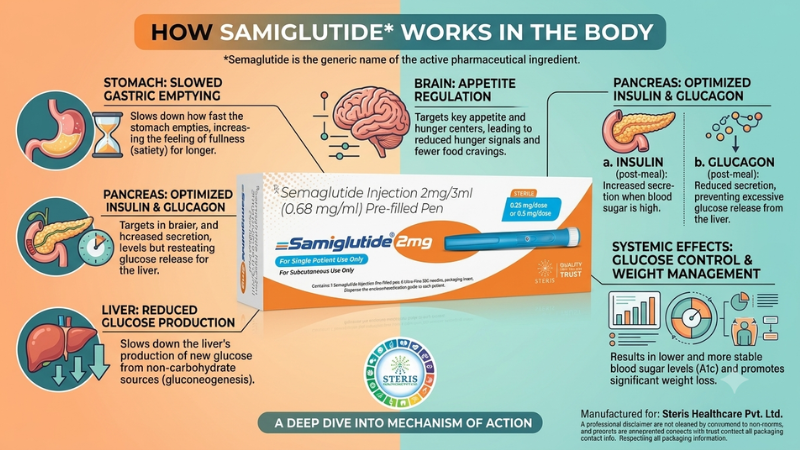
Semaglutide is a GLP-1 receptor agonist injection that mimics a natural gut hormone to slow stomach emptying, signal fullness to the brain, and prompt the pancreas to release insulin only when blood sugar is high. In your body, this translates into three measurable effects: you feel full faster and stay full longer (reduced appetite and calorie intake), your blood sugar levels become easier to control, and your body gradually shifts toward using stored fat, supporting gradual, sustained weight reduction. It is prescribed for adults with type 2 diabetes and, at higher doses, for chronic weight management alongside diet and exercise. Semaglutide is not a quick fix — it works through weekly injections with a gradual dose-titration schedule under medical supervision.
- Drug class: GLP-1 (glucagon-like peptide-1) receptor agonist
- Form: Subcutaneous (under-the-skin) prefilled pen injection—SAMIGLUTIDE 2mg, 4mg, and 8mg pens
- Primary uses: Type 2 diabetes glycemic control; chronic weight management in adults with obesity or overweight with a weight-related condition
- How often: Once weekly, same day each week
- Prescription status: Rx only—Schedule H—not available over the counter
- Best known for: Appetite suppression, blood sugar regulation, and gradual weight loss
Clinical Indications Overview
| Indication | Who It's For | Goal of Therapy |
|---|---|---|
| Type 2 Diabetes Mellitus | Adults needing improved glycemic control alongside diet and exercise | Lower HbA1c and fasting/post-meal blood glucose |
| Chronic Weight Management | Adults with obesity (BMI ≥30) or overweight (BMI ≥27) with a weight-related condition such as hypertension or dyslipidemia | Sustained, gradual body-weight reduction |
| Cardiovascular Risk Reduction (in appropriate diabetic patients) | Adults with type 2 diabetes and established cardiovascular disease | Reduce risk of major adverse cardiovascular events, as advised by the treating physician |
How Semaglutide Works in Your Body
To understand what semaglutide does to your body, it helps to look at where it acts. Semaglutide is a synthetic version of a hormone your gut already makes — GLP-1 (glucagon-like peptide-1) — but engineered to last far longer in the bloodstream, which is why one injection lasts a full week.
1. Acts on the Pancreas
Semaglutide binds to GLP-1 receptors on the pancreas and stimulates insulin release, but only when blood glucose is elevated. At the same time, it suppresses glucagon (the hormone that raises blood sugar), which together help flatten blood sugar spikes after meals.
2. Acts on the Brain (Appetite Centers)
Semaglutide crosses into appetite-regulating regions of the brain (the hypothalamus) and signals satiety — the sensation of being full. This is a major reason people on semaglutide naturally eat smaller portions and experience fewer food cravings.
3. Slows Gastric Emptying
Semaglutide slows the rate at which food leaves the stomach. Food stays in the stomach longer, extending the feeling of fullness after a meal and reducing overall calorie intake through the day.
4. Supports Metabolic Shift
Over weeks of consistent use, the combined effect of lower calorie intake and improved insulin sensitivity encourages the body to draw on stored fat for energy, which is the basis for the gradual weight loss seen with sustained use.
Key Benefits of Semaglutide
- Appetite control: Reduces hunger signals and food cravings, making portion control easier to sustain
- Blood sugar regulation: Helps lower HbA1c and post-meal glucose spikes in type 2 diabetes
- Gradual, sustained weight loss: Supports meaningful body-weight reduction when combined with diet and physical activity—results build over months, not days
- Cardiometabolic support: May contribute to improvements in blood pressure and lipid profile as weight and glucose control improve (as assessed by your physician)
- Once-weekly dosing: A single subcutaneous injection per week improves convenience and adherence compared to daily therapies
- Dose flexibility: SAMIGLUTIDE's 2mg, 4mg, and 8mg pen strengths allow physicians to titrate the dose gradually, which helps minimize gastrointestinal side effects
Dosage & Administration
Semaglutide is administered as a once-weekly subcutaneous injection, typically in the abdomen, thigh, or upper arm, on the same day every week, with or without food.
| Pen Strength | Typical Role in Titration |
|---|---|
| SAMIGLUTIDE 2mg pen | Usually used at the lower/starting titration stage |
| SAMIGLUTIDE 4mg pen | Intermediate maintenance/titration dose |
| SAMIGLUTIDE 8mg pen | Higher maintenance dose for patients requiring further glycemic or weight control |
- Dosing always begins low and is increased gradually (titrated) over several weeks under medical guidance to reduce nausea and other gastrointestinal side effects.
- Never adjust your dose or switch pen strengths without your doctor's instruction.
- If a dose is missed, administer as soon as possible within the guidance window your doctor provides; do not double the dose.
- Store pens as per the product label (typically refrigerated before first use); follow the patient information leaflet for in-use storage instructions.
Side Effects of Semaglutide
Common Side Effects
- Nausea (most common, especially during dose escalation)
- Vomiting or diarrhea
- Constipation
- Stomach pain or bloating
- Decreased appetite
- Indigestion or acid reflux
- Fatigue
- Injection-site reactions (redness, mild swelling)
Serious Side Effects
- Signs of pancreatitis: severe, persistent abdominal pain, sometimes radiating to the back, with or without vomiting
- Signs of gallbladder problems: pain in the upper right abdomen, fever, yellowing of skin/eyes
- Symptoms suggestive of a thyroid tumor: a lump or swelling in the neck, hoarseness, difficulty swallowing (semaglutide carries a boxed warning in some markets regarding thyroid C-cell tumors seen in animal studies)
- Signs of an allergic reaction: swelling of the face/lips/tongue, difficulty breathing, rash
- Symptoms of low blood sugar (hypoglycemia), especially if combined with other diabetes medicines: shakiness, sweating, confusion
- Vision changes in patients with existing diabetic retinopathy
- Signs of kidney problems, especially with dehydration from vomiting/diarrhea
Semaglutide vs. Other GLP-1
| Feature | Semaglutide (SAMIGLUTIDE) | Liraglutide | Tirzepatide |
|---|---|---|---|
| Dosing frequency | Once weekly | Once daily | Once weekly |
| Mechanism | GLP-1 receptor agonist | GLP-1 receptor agonist | Dual GIP/GLP-1 receptor agonist |
| Common use | Type 2 diabetes, weight management | Type 2 diabetes, weight management | Type 2 diabetes, weight management |
| Pen strengths available (SAMIGLUTIDE) | 2mg / 4mg / 8mg | N/A | N/A |
| Prescription status | Schedule H — Rx only | Schedule H — Rx only | Schedule H — Rx only |
Precautions & Who Should Avoid Semaglutide
- Not recommended for patients or families with a personal/family history of Medullary Thyroid Carcinoma (MTC) or Multiple Endocrine Neoplasia syndrome type 2 (MEN 2)
- Avoid in patients with a known hypersensitivity to semaglutide or any pen component
- Use with caution in patients with a history of pancreatitis, severe gastrointestinal disease (including gastroparesis), or diabetic retinopathy
- Not established as safe in pregnancy or breastfeeding—inform your doctor immediately if pregnant, planning pregnancy, or breastfeeding
- Caution advised in patients with kidney impairment, particularly if experiencing vomiting/diarrhea leading to dehydration
- Inform your doctor of all other medications, including insulin or sulfonylureas, as combined use can increase the risk of low blood sugar
- Not intended for type 1 diabetes or diabetic ketoacidosis
- Should be used strictly as prescribed—self-adjustment of dose can increase risk of side effects or reduce effectiveness
Conclusion
So, what does semaglutide do to your body? In short, it works with your body's own hormonal signaling — slowing digestion, curbing appetite in the brain, and prompting the pancreas to manage blood sugar more effectively. For people with type 2 diabetes, this means better glycemic control; for those pursuing weight management, it supports gradual, sustained fat loss when paired with diet and physical activity. SAMIGLUTIDE, available in 2mg, 4mg, and 8mg pens from Steris Healthcare, is designed to give physicians the flexibility to titrate treatment safely for each patient's needs. Like any prescription therapy, semaglutide isn't right for everyone, and its full benefits unfold over weeks of consistent, medically supervised use rather than overnight. If you're considering semaglutide, the right first step is a conversation with your doctor to confirm it's suitable for your health profile, followed by a personalized dosing plan.
Frequently Asked Questions
1. What does semaglutide do to your body?
Semaglutide mimics the GLP-1 hormone to slow stomach emptying, reduce appetite via brain signaling, and help the pancreas regulate insulin release, resulting in better blood sugar control and gradual weight loss.
2. How quickly does semaglutide start working?
Some appetite-reducing effects may be noticed within the first few weeks, but meaningful blood sugar improvement and weight loss typically build gradually over several months of consistent, correctly titrated use.
3. Is semaglutide used only for weight loss?
No. Semaglutide was first developed and is widely used for type 2 diabetes management; higher doses are also approved for chronic weight management in eligible adults.
4. What is the difference between SAMIGLUTIDE 2mg, 4mg, and 8mg pens?
These represent different strengths used at different stages of a physician-guided dose-titration schedule, starting lower and increasing gradually to improve tolerance and effectiveness.
5. Does semaglutide cause weight loss on its own without diet changes?
Semaglutide supports appetite reduction and slower digestion, but sustained weight loss results are achieved when it is combined with a reduced-calorie diet and regular physical activity, as advised by your doctor.
6. What are the most common side effects of semaglutide?
The most commonly reported side effects are nausea, vomiting, diarrhea, constipation, and stomach discomfort, especially during the initial dose-escalation period.
7. Can semaglutide cause serious side effects?
Yes, though less common. These can include pancreatitis, gallbladder issues, and—as a precaution based on animal studies—a warning around thyroid C-cell tumors. Seek immediate medical attention for severe abdominal pain, neck swelling, or allergic reactions.
8. How is semaglutide injected?
It is injected subcutaneously (under the skin) in the abdomen, thigh, or upper arm, once a week, using a prefilled pen, as demonstrated by your healthcare provider or pharmacist.
9. What happens if I miss a semaglutide dose?
Administer it as soon as possible within the timeframe advised by your doctor or the product leaflet; if too much time has passed, skip the missed dose and resume your regular weekly schedule — never double up without medical advice.
10. Who should not take semaglutide?
Individuals with a personal or family history of medullary thyroid carcinoma or MEN 2 syndrome, those with hypersensitivity to the drug, and pregnant or breastfeeding women should avoid semaglutide unless specifically advised otherwise by a doctor.
11. Can semaglutide be used with insulin or other diabetes medicines?
It can be, but combining it with insulin or sulfonylureas increases the risk of low blood sugar (hypoglycemia); your doctor will adjust doses accordingly and monitor you closely.
12. Does semaglutide affect blood sugar levels immediately?
It works progressively—supporting insulin release when glucose is high and suppressing excess glucagon—so blood sugar control typically improves steadily over the treatment period rather than instantly.
13. Is semaglutide safe for long-term use?
Semaglutide is intended for long-term, ongoing management of type 2 diabetes or weight under medical supervision; your doctor will periodically review your response and any side effects to confirm continued suitability.
14. Can I stop semaglutide once I reach my target weight or blood sugar goal?
Do not stop or change your treatment plan without consulting your doctor, as discontinuing therapy may lead to regain of weight or worsening blood sugar control.
15. Does semaglutide interact with alcohol?1
Alcohol can affect blood sugar levels and may worsen gastrointestinal side effects; discuss your alcohol consumption with your doctor while on semaglutide therapy.
16. Is semaglutide available without a prescription?
No. Semaglutide is a Schedule H prescription-only medicine in India and cannot be legally purchased or used without a valid prescription from a registered physician.
17. What should I do if I experience severe nausea after my semaglutide injection?
Contact your doctor — dose adjustments, dietary changes, or slower titration can often help manage this common side effect; do not stop treatment abruptly without medical guidance.
For Further Information:
Mail Us: contact@sterispharma.com or info@sterispharma.com
Call Now: +918824175417, +919982524671
Recent Post
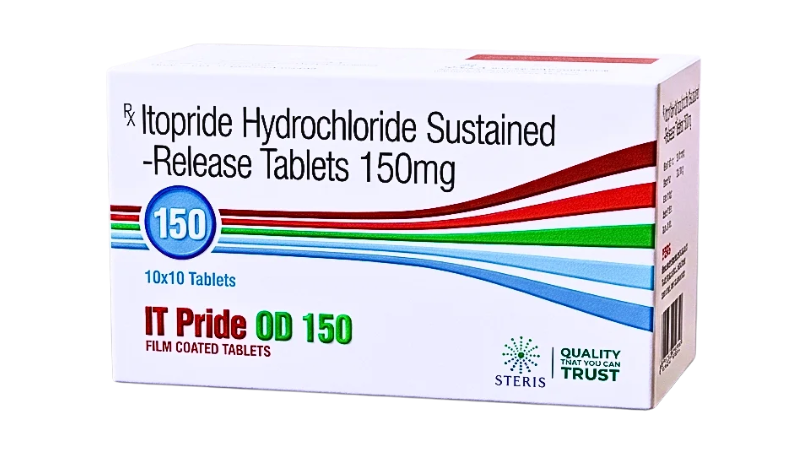
Itopride Hydrochloride Uses: What It Treats and How It Works
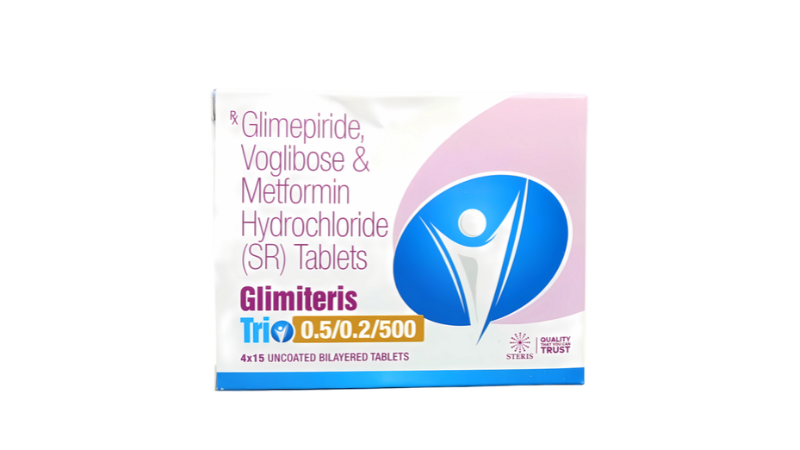
Glimepiride 0.5 mg + Voglibose 0.2 mg + Metformin SR 500 mg | Steris Healthcare
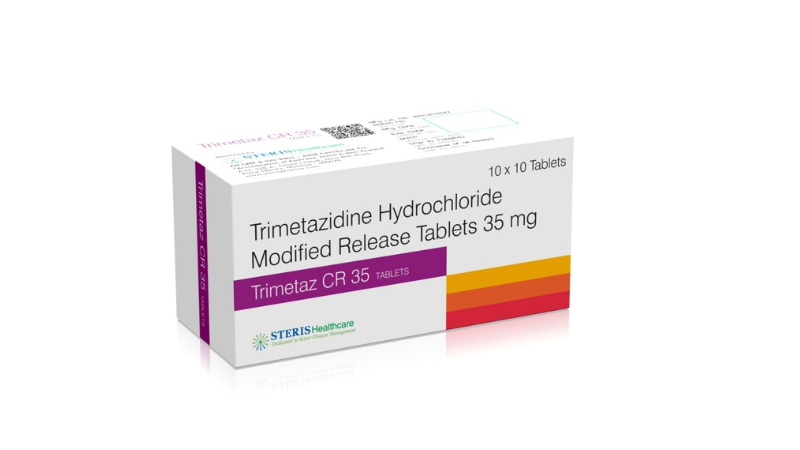
Trimetazidine Hydrochloride Modified Release Tablets 35 mg Uses, Benefits

EUROSOFT MOSQUITO SHIELD
Olmesartan and Metoprolol: Uses, Benefits, Dosage & Side Effects | Steris Healthcare
Tofacitinib 11 mg Tablets: A Complete Guide to Uses and Side Effects
Olmesartan Medoxomil + Metoprolol Succinate: Uses, Dosage
Torsemide 100 mg: Uses, Dosage, Side Effects, and Precautions
How Streptococcus Thermophilus Supports Digestive Health
Olmesartan Medoxomil + Metoprolol Succinate: Uses, Benefits & Side Effects