


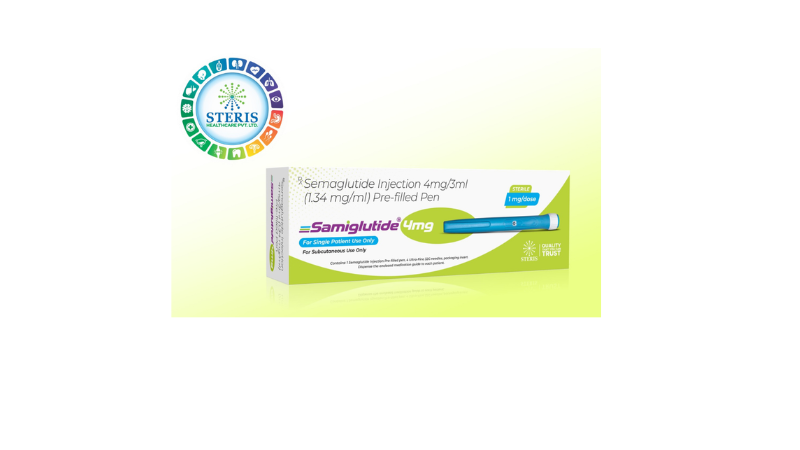



Semaglutide Injection: Uses, Benefits, Side Effects, Dosage & Safety | SAMIGLUTIDE 4 MG
Sep 04, 2026
How Does Semaglutide Injection Work?
To understand why semaglutide is prescribed, it helps to understand the role of GLP-1.
After eating, the body naturally releases GLP-1. This hormone helps coordinate several processes that influence blood sugar and appetite. Semaglutide is designed to produce similar effects while remaining active in the body for a longer period.
Helps the body respond to elevated blood glucose
Semaglutide can increase insulin secretion when blood glucose levels are elevated. Insulin helps move glucose from the bloodstream into cells, where it can be used for energy.
Because the insulin-related effect is glucose-dependent, semaglutide is different from medicines that continuously stimulate insulin release regardless of the glucose level.
Reduces glucagon secretion
Glucagon is a hormone that can increase blood glucose by signaling the liver to release stored glucose. Semaglutide can reduce glucagon secretion when blood glucose is elevated, contributing to improved glucose regulation.
Influences appetite
Semaglutide also acts on pathways involved in appetite and food intake. Some people receiving treatment report feeling fuller sooner or having less interest in food.
This effect can contribute to lower calorie intake and may support weight reduction in patients for whom semaglutide is appropriately prescribed.
Slows gastric emptying
Semaglutide can delay gastric emptying, particularly after meals. This is one reason some people experience fullness for longer after eating.
It is also one reason gastrointestinal side effects such as nausea, constipation, diarrhea or vomiting can occur, particularly during treatment initiation or dose escalation.
Semaglutide Injection Uses
The appropriate use of SAMIGLUTIDE 4 MG depends on the specific product's regulatory approval and prescribing information. Semaglutide as an active ingredient has established uses in specific patient populations.
1. Type 2 Diabetes Management
Some semaglutide products are used to help improve blood glucose control in adults with type 2 diabetes.
It may be prescribed as part of an overall diabetes-management plan that can also include:
- Healthy eating
- Physical activity
- Blood glucose monitoring
- Weight management
- Other diabetes medicines when appropriate
- Regular medical check-ups
Semaglutide is not intended to cure type 2 diabetes. Instead, it can be one component of long-term disease management.
2. Chronic Weight Management
Certain semaglutide formulations are approved for chronic weight management in eligible adults and, for some products, specific younger populations.
When used for an approved weight-management indication, semaglutide is generally combined with a reduced-calorie eating plan and increased physical activity.
It is important to understand that not everyone who wants to lose weight is automatically a candidate for semaglutide. A healthcare professional should assess factors such as body weight, medical history, existing conditions, current medicines, and potential risks.
Potential Benefits of Semaglutide Injection
When prescribed appropriately, semaglutide may offer several benefits.
Supports blood glucose control
For eligible patients with type 2 diabetes, semaglutide can improve glucose regulation by influencing insulin and glucagon activity.
May help reduce appetite
One of the effects that has made semaglutide widely discussed is its influence on appetite. Some patients may feel satisfied with smaller amounts of food or experience less hunger.
Can support weight reduction
For patients using an approved semaglutide formulation for weight management, treatment can support meaningful weight reduction when combined with appropriate lifestyle changes.
May improve metabolic health
Weight reduction and improved glucose control may be beneficial for overall metabolic health in appropriate patients. However, individual results can vary considerably.
Long-acting activity
Some approved injectable semaglutide products are designed for less frequent administration than many traditional medicines. The exact schedule depends on the individual product and prescription.
Who May Be Prescribed Semaglutide?
Semaglutide is not a medicine that should be selected solely because it is popular for weight loss.
A doctor may consider semaglutide when evaluating factors such as
- Type 2 diabetes
- Body mass index and weight-related health risks
- Blood glucose levels
- HbA1c
- Existing medications
- Cardiovascular risk
- Kidney function
- Gastrointestinal health
- Previous treatment history
- Potential contraindications
The final treatment decision should always be individualized.
Semaglutide Injection Dosage
One of the most important points about SAMIGLUTIDE 4 MG is that the number “4 mg” should not be interpreted automatically as a single injection dose.
Different semaglutide products may have different concentrations, delivery systems and approved dose-escalation schedules. Therefore, patients should follow the exact instructions supplied with their prescribed product.
Do not:
- Increase the dose without medical advice.
- Inject additional medicine because you think the previous dose was ineffective.
- Change the frequency of administration yourself.
- Combine different semaglutide products.
- Use semaglutide together with another GLP-1 receptor agonist unless specifically instructed by a healthcare professional.
How to Use Semaglutide Injection
Semaglutide injection is administered under the skin rather than directly into a vein or muscle.
Depending on the specific approved product, commonly used subcutaneous injection areas include the:
- Abdomen
- Thigh
- Upper arm
Patients should carefully follow the instructions provided with their particular device.
Before administration, it is sensible to check:
- The medicine name.
- The prescribed strength and concentration.
- The expiry date.
- The condition of the injection device.
- The appearance of the solution, according to the product instructions.
- Storage requirements.
- The prescribed dose.
Never share an injection pen or injection device with another person.
Common Side Effects of Semaglutide Injection
Like any prescription medicine, semaglutide can cause side effects. Gastrointestinal effects are among the most frequently reported.
Possible side effects include:
- Nausea
- Vomiting
- Diarrhea
- Constipation
- Abdominal pain
- Bloating
- Indigestion
- Belching
- Headache
- Fatigue
- Dizziness
- Gastroesophageal reflux symptoms
Not everyone experiences these effects, and their severity can differ between individuals.
Some gastrointestinal symptoms may become more noticeable when treatment begins or when the dose is increased. If symptoms are severe, persistent or interfere significantly with eating and drinking, contact a healthcare professional.
Serious Side Effects and Safety Information
Although many patients tolerate semaglutide, it has important safety considerations.
Pancreatitis
Inflammation of the pancreas, known as pancreatitis, has been reported with GLP-1 receptor agonists. Severe and persistent abdominal pain, particularly if it radiates to the back and is accompanied by vomiting, requires prompt medical evaluation.
Gallbladder Problems
Gallstones and other gallbladder-related problems can occur during treatment. Seek medical advice if you develop persistent upper abdominal pain, fever, jaundice or other concerning symptoms.
Low Blood Sugar
Semaglutide itself does not generally cause hypoglycemia as frequently as medicines that directly stimulate insulin release. However, the risk can increase when it is used with insulin or certain insulin-releasing diabetes medicines.
People taking multiple diabetes medicines should follow their healthcare professional's monitoring instructions.
Dehydration and Kidney Problems
Vomiting and diarrhea can result in significant fluid loss. Severe dehydration can affect kidney function.
Maintaining appropriate fluid intake may be particularly important if gastrointestinal side effects occur, unless a doctor has given you different fluid instructions.
Severe Allergic Reactions
Serious allergic reactions can occur, although they are uncommon. Symptoms such as swelling of the face, lips, tongue or throat, difficulty breathing, severe rash or fainting require urgent medical attention.
Thyroid C-Cell Tumor Warning
Approved semaglutide products carry important warnings concerning thyroid C-cell tumors observed in animal studies. Certain semaglutide products are contraindicated in people with a personal or family history of medullary thyroid carcinoma or Multiple Endocrine Neoplasia syndrome type 2.
Patients should discuss their medical and family history with their healthcare professional before starting treatment.
Semaglutide and Lifestyle Changes
A common misconception is that semaglutide alone is responsible for successful weight management.
In reality, medication is generally only one part of a broader treatment strategy.
Patients may benefit from combining prescribed treatment with:
- A balanced diet
- Appropriate calorie intake
- Protein-rich nutritious foods
- Adequate hydration
- Regular physical activity
- Strength training where appropriate
- Adequate sleep
- Regular medical monitoring
Is Semaglutide a Weight-Loss Injection?
Semaglutide can be used for weight management when an appropriate semaglutide formulation is approved for that purpose and the patient meets the relevant criteria.
Its effects on appetite and calorie intake are important contributors to weight reduction.
However, it is inaccurate to describe semaglutide as a universal “fat-burning injection.” Semaglutide does not simply burn body fat directly. Its effects involve appetite regulation, reduced calorie intake and metabolic pathways associated with GLP-1 activity.
Results also vary. Some people lose substantial weight, while others experience a smaller response.
Semaglutide Injection for Diabetes and Weight Management
It is useful to distinguish between the two major areas in which semaglutide may be used.
For type 2 diabetes: the primary therapeutic goal is improved blood glucose control, although weight reduction can also occur.
For chronic weight management: the focus is reducing and maintaining body weight in eligible patients, alongside appropriate nutrition and physical activity.
The same active ingredient may be present in different products, but their approved indications, strengths, and instructions can differ. This is why patients should use the exact product prescribed rather than substituting one semaglutide product for another.
Who Should Tell Their Doctor Before Using Semaglutide?
Tell your healthcare professional if you have or have had:
- Pancreatitis
- Gallbladder disease
- Kidney problems
- Severe gastrointestinal problems
- Diabetic retinopathy
- Thyroid-related medical conditions
- A personal or family history of medullary thyroid carcinoma
- Multiple Endocrine Neoplasia syndrome type 2
- Previous serious allergic reactions
- A planned surgical procedure requiring anesthesia or deep sedation
Frequently Asked Questions
1. What is Semaglutide Injection?
Semaglutide injection is a prescription GLP-1 receptor agonist used for specific approved indications, including type 2 diabetes management and chronic weight management for eligible patients depending on the product.
2. What is SAMIGLUTIDE 4 MG?
SAMIGLUTIDE 4 MG is a semaglutide-containing product. Its exact concentration, indications, administration instructions and dosage should be confirmed from the official product information.
3. Is Semaglutide used for diabetes?
Yes. Certain semaglutide products are approved to help improve blood glucose control in adults with type 2 diabetes.
4. Can Semaglutide help with weight loss?
Certain approved semaglutide products can support weight reduction in eligible patients when combined with appropriate nutrition and physical activity.
5. How does Semaglutide help control appetite?
Semaglutide activates GLP-1 receptors involved in appetite regulation and can reduce food intake and calorie consumption.
6. Is SAMIGLUTIDE 4 MG a 4 mg injection dose?
Not necessarily. The 4 mg designation may refer to the amount contained in a particular product presentation rather than the prescribed amount per administration.
7. How often should Semaglutide be injected?
The frequency depends on the specific semaglutide product and its prescribing information. Follow the schedule provided by your healthcare professional.
8. What are the most common Semaglutide side effects?
Nausea, vomiting, diarrhea, constipation, abdominal discomfort, bloating and indigestion are among the commonly reported gastrointestinal effects.
9. Can Semaglutide cause nausea?
Yes. Nausea is one of the commonly reported side effects, particularly during treatment initiation or dose escalation.
10. Can Semaglutide cause low blood sugar?
The risk may increase when semaglutide is used with insulin or certain medicines that increase insulin secretion.
11. Can I increase my Semaglutide dose if I am not losing weight?
No. Dose changes should only be made according to the treatment plan provided by a healthcare professional.
12. Can Semaglutide be used with another GLP-1 medicine?
Combining semaglutide with another GLP-1 receptor agonist is generally not recommended unless specifically directed by a qualified healthcare professional.
13. Is Semaglutide suitable for everyone who wants to lose weight?
No. A healthcare professional should determine whether the medicine is appropriate based on the individual's health status and the approved indication.
14. Does Semaglutide replace exercise?
No. For approved weight-management use, semaglutide is intended to be used alongside appropriate dietary and physical-activity measures.
15. What happens if Semaglutide causes severe abdominal pain?
Severe or persistent abdominal pain should be medically evaluated because pancreatitis and gallbladder problems are among the important adverse events associated with semaglutide treatment.
16. Can Semaglutide affect digestion?
Yes. Because semaglutide can slow gastric emptying, gastrointestinal symptoms may occur.
17. Should I tell my doctor if I am having surgery?
Yes. Tell your healthcare team that you are taking semaglutide before surgery or procedures involving anesthesia or deep sedation.
18. Can I share my Semaglutide injection pen?
No. Injection pens and devices should not be shared between people, even if the needle is changed.
19. Can Semaglutide be stopped suddenly?
Treatment changes should be discussed with the prescribing healthcare professional. Do not stop, restart or modify treatment without appropriate medical advice.
20. Is SAMIGLUTIDE 4 MG available without a prescription?
Semaglutide is a prescription medicine, and its supply and use should comply with applicable local regulations and medical-prescribing requirements.
Why Choose a Responsible Approach to Semaglutide Treatment?
The growing interest in semaglutide has created a large amount of information online, but not everything published about GLP-1 medicines is medically reliable.
Responsible use means focusing on:
- The correct product
- Verified product information
- Appropriate patient selection
- Correct dosing instructions
- Medical supervision
- Potential side effects
- Drug interactions
- Lifestyle support
- Regular follow-up
Final Takeaway
Semaglutide injection has become an important treatment option in modern metabolic medicine because it acts on several pathways involved in blood glucose regulation and appetite. For appropriately selected patients, it can help improve blood glucose control and, for approved weight-management indications, support meaningful weight reduction when combined with nutrition and physical activity.
SAMIGLUTIDE 4 MG contains semaglutide and should be used according to its product-specific prescribing information. The “4 mg” strength should not be interpreted automatically as a single injection dose. The appropriate amount and administration schedule depend on the specific formulation, concentration, indication, and healthcare professional's prescription.
Like all prescription medicines, semaglutide has potential side effects. Nausea, vomiting, diarrhea, constipation, and abdominal discomfort are among the commonly reported effects, while pancreatitis, gallbladder problems, dehydration-related kidney problems, hypoglycemia in combination with certain medicines, and serious allergic reactions are important safety considerations.
If you are considering SAMIGLUTIDE 4 MG, the safest approach is to discuss your medical history, current medicines, treatment goals, and potential risks with a qualified healthcare professional. Used appropriately and alongside healthy lifestyle habits, semaglutide can be an important component of care for eligible patients.
Medical Disclaimer: This article is provided for educational and informational purposes and is not a substitute for professional medical advice, diagnosis, or treatment. The exact composition, concentration, approved indications, dosage, administration, storage requirements, and regulatory status of SAMIGLUTIDE 4 MG should be verified from its current official product information and applicable local regulations before publication, prescribing or use.
Recent Post
Glimepiride 0.5 mg + Voglibose 0.2 mg + Metformin SR 500 mg | Steris Healthcare
Trimetazidine Hydrochloride Modified Release Tablets 35 mg Uses, Benefits

EUROSOFT MOSQUITO SHIELD
Olmesartan and Metoprolol: Uses, Benefits, Dosage & Side Effects | Steris Healthcare
Tofacitinib 11 mg Tablets: A Complete Guide to Uses and Side Effects
Olmesartan Medoxomil + Metoprolol Succinate: Uses, Dosage
Torsemide 100 mg: Uses, Dosage, Side Effects, and Precautions
How Streptococcus Thermophilus Supports Digestive Health
Olmesartan Medoxomil + Metoprolol Succinate: Uses, Benefits & Side Effects
Sirolimus 1 mg: Uses, Dosage, Side Effects, and Precautions