





Semaglutide injection once a week : how does it work?
Sep 08, 2026
What Is SAMIGLUTIDE (Semaglutide Injection 2mg/4mg/8mg) For?
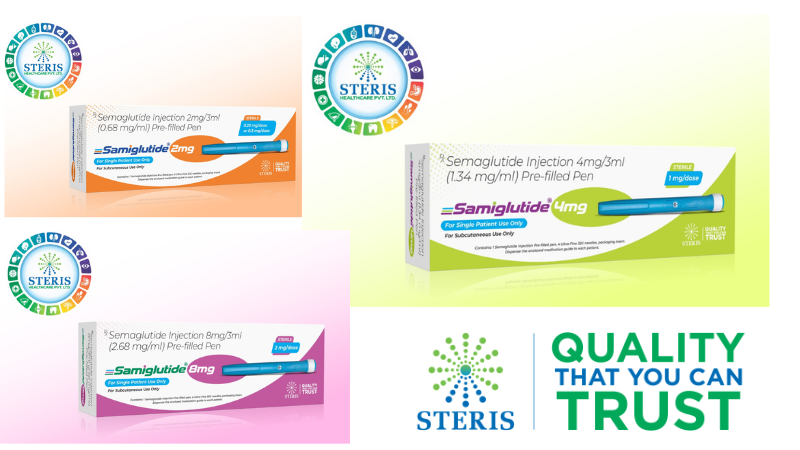
If you or someone you love has been living with type 2 diabetes, or has struggled for years with weight that just won't respond to diet and exercise alone, chances are you've come across the name Semaglutide in a doctor's conversation or a prescription pad. SAMIGLUTIDE, manufactured by Steris Healthcare, is a once-weekly injectable medicine built on this exact molecule — Semaglutide — and it's available in three clinically calibrated strengths: Semaglutide Injection 2 mg, Semaglutide Injection 4 mg, and Semaglutide Injection 8 mg.
At its core, SAMIGLUTIDE belongs to a class of medicines called GLP-1 receptor agonists (Glucagon-Like Peptide-1 receptor agonists). In plain language, it mimics a natural hormone your gut releases after eating — one that tells your pancreas to release insulin, tells your liver to stop overproducing sugar, and tells your brain that you're full. That's the simplified story of why this single molecule has become one of the most talked-about advances in both diabetes care and weight management over the past several years.
SAMIGLUTIDE is primarily indicated for:
- Improving blood sugar control in adults with type 2 diabetes mellitus, usually alongside diet and exercise
- Reducing the risk of major cardiovascular events (such as heart attack and stroke) in adults with type 2 diabetes who also have established cardiovascular disease
- Chronic weight management in adults with obesity or who are overweight with at least one weight-related health condition, when used as directed by a physician
Why Is SAMIGLUTIDE Important?
Type 2 diabetes and obesity rarely travel alone. They tend to bring along a whole entourage of complications — heart disease, kidney strain, nerve damage, fatty liver, and a daily mental burden of managing blood sugar swings. For decades, treatment options for these conditions felt like separate battles: one set of pills for sugar, another lifestyle plan for weight, and hope that they'd eventually meet somewhere in the middle.
Semaglutide changed that equation. It's one of the few molecules in modern pharmacology that meaningfully addresses both glycemic control and weight through a single, well-understood mechanism. This dual action is exactly why SAMIGLUTIDE has become so clinically important:
- It doesn't just lower blood sugar reactively — it works with the body's own hormonal signaling to prevent the sugar spike in the first place
- It has documented cardiovascular protective benefits in high-risk diabetic patients, which is a bigger deal than it sounds — heart disease remains the leading cause of death in people with type 2 diabetes
- It gives patients who have tried "everything" for weight loss a physiologically-backed option, rather than another crash diet that doesn't stick
Key Benefits of SAMIGLUTIDE
What Are the Benefits of SAMIGLUTIDE?
- Effective blood sugar management — helps lower HbA1c levels meaningfully when combined with lifestyle changes
- Supports sustained weight loss — by slowing gastric emptying and increasing satiety signals to the brain, many patients naturally eat less without constant willpower battles
- Cardiovascular risk reduction — clinically associated with a lower risk of major adverse cardiovascular events in type 2 diabetics with existing heart disease
- Once-weekly dosing convenience — unlike daily injectables, SAMIGLUTIDE's dosing schedule is designed to fit into a busy, real life instead of dominating it
- Flexible dose titration (2 mg / 4 mg / 8 mg) — allows physicians to start low and gradually increase the dose, which helps the body adjust and minimizes early side effects
- Non-insulin mechanism — works upstream of insulin therapy, which can be a meaningful option for patients trying to avoid or delay insulin dependence
- Improved metabolic markers — some patients also see favorable changes in blood pressure and lipid profiles as a secondary benefit of weight and glycemic improvement
Mechanism of Action: How Semaglutide Works in SAMIGLUTIDE
Semaglutide, the active composition in SAMIGLUTIDE, is a synthetic analog of human GLP-1 (Glucagon-Like Peptide-1) — a hormone your intestines naturally release after you eat. Here's what happens once it's in your system:
- Enhances glucose-dependent insulin secretion — it prompts the pancreas to release more insulin, but only when blood sugar is elevated, which lowers the risk of dangerous low blood sugar compared to some older diabetes drugs
- Suppresses glucagon release — glucagon is a hormone that tells the liver to dump more sugar into the bloodstream; semaglutide keeps it in check
- Slows gastric emptying — food stays in the stomach longer, which naturally extends the feeling of fullness after a meal
- Acts on appetite centers in the brain — semaglutide crosses into areas of the brain that regulate hunger, dialing down appetite signals
Indications, Efficacy & Clinical Evidence
SAMIGLUTIDE's active ingredient, Semaglutide, has been extensively studied across large-scale clinical trial programs evaluating both glycemic control and weight management outcomes in adults with type 2 diabetes and obesity. Across these programs, semaglutide has consistently demonstrated:
- Statistically significant reductions in HbA1c compared to placebo and several standard-of-care comparators
- Meaningful average body weight reduction in patients using higher maintenance doses over sustained treatment periods
- A favorable cardiovascular safety profile in dedicated cardiovascular outcome trials among high-risk diabetic populations
This body of evidence is why regulatory and clinical bodies globally have positioned semaglutide-based therapies as a preferred option for patients who need both glycemic and weight-related benefits from a single agent — always under physician supervision and individualized to the patient's health profile.
Side Effects of SAMIGLUTIDE
Like any effective medicine, SAMIGLUTIDE comes with a side effect profile that your doctor will discuss with you based on your dose and health history.
Common Side Effects
- Nausea (most common, especially during dose escalation)
- Vomiting or diarrhea
- Constipation
- Stomach pain or bloating
- Decreased appetite
- Fatigue
- Headache
- Injection site reactions (redness, mild swelling)
Serious Side Effects of SAMIGLUTIDE
- Signs of pancreatitis (severe, persistent abdominal pain, sometimes radiating to the back)
- Symptoms of gallbladder problems (right upper abdominal pain, fever, jaundice)
- Signs of kidney problems, especially with worsening dehydration from vomiting/diarrhea
- Vision changes (particularly relevant in patients with pre-existing diabetic retinopathy)
- Signs of a serious allergic reaction (swelling of face/lips/tongue, difficulty breathing, rash)
- Symptoms of low blood sugar when combined with insulin or sulfonylureas (shakiness, sweating, confusion)
- Rapid heartbeat
Available Substitute for SAMIGLUTIDE
| Drug | Class | Common Use |
|---|---|---|
| SAMIGLUTIDE (Semaglutide) | GLP-1 receptor agonist | Type 2 diabetes + weight management |
| Liraglutide | GLP-1 receptor agonist | Type 2 diabetes / weight management (daily dosing) |
| Dulaglutide | GLP-1 receptor agonist | Type 2 diabetes (weekly dosing) |
| Tirzepatide | GIP/GLP-1 dual agonist | Type 2 diabetes / weight management |
Dosage Guidelines for SAMIGLUTIDE
SAMIGLUTIDE is designed around a gradual dose-escalation model to help the body adapt and to minimize gastrointestinal side effects:
- Starting dose: Treatment typically begins at a low introductory dose, well below the 2 mg strength, purely to let the body acclimate
- Semaglutide Injection 2 mg: Often used as an early maintenance step once the starting dose is tolerated
- Semaglutide Injection 4 mg: A common intermediate maintenance dose for patients needing greater glycemic or weight control
- Semaglutide Injection 8 mg: Used for patients requiring the highest maintenance dose for optimal therapeutic response, as determined by their physician
Administration essentials:
- Injected subcutaneously (under the skin) once weekly, on the same day each week
- Can be administered in the abdomen, thigh, or upper arm — rotate injection sites to reduce irritation
- Can be taken with or without food, at any time of day
- If a dose is missed, contact your doctor for specific guidance on catching up, especially if several days have passed
Precautions & Warnings
- Not recommended for patients with a personal or family history of medullary thyroid carcinoma or Multiple Endocrine Neoplasia syndrome type 2
- Should be used cautiously in patients with a history of pancreatitis
- Patients with diabetic retinopathy should be monitored for progression during treatment
- Not intended for use in type 1 diabetes or diabetic ketoacidosis
- Inform your doctor of all other medications, particularly insulin or sulfonylureas, due to increased hypoglycemia risk when combined
- Stay adequately hydrated, especially if experiencing nausea, vomiting, or diarrhea
- Not recommended during pregnancy or breastfeeding — discuss alternative options with your doctor if planning a pregnancy
- Regular monitoring of kidney function and blood sugar is advised throughout treatment
- Store as directed (typically refrigerated) and check manufacturer guidance for storage once in use
Conclusion
SAMIGLUTIDE (Semaglutide Injection 2 mg / 4 mg / 8 mg) by Steris Healthcare represents a significant, evidence-backed option for adults managing type 2 diabetes and weight-related health conditions. By working with the body's own hormonal pathways rather than against them, it offers a once-weekly treatment approach that supports blood sugar control, meaningful weight management, and — in appropriate patients — cardiovascular risk reduction. As with any prescription therapy, the right starting dose, titration pace, and long-term monitoring plan should always be determined by your physician based on your individual health profile. If you believe SAMIGLUTIDE may be right for you, speak to your doctor about whether it fits your treatment goals.
Frequently Asked Questions
1. What is SAMIGLUTIDE injection used for?
SAMIGLUTIDE (Semaglutide) is used to improve blood sugar control in adults with type 2 diabetes and to support chronic weight management, alongside diet and exercise, under a doctor's supervision.
2. What is the difference between Semaglutide injection 2 mg, 4 mg, and 8 mg?
These represent different maintenance dose strengths used during a gradual dose-escalation process. Doctors typically start patients on a lower dose and increase to 2 mg, 4 mg, or 8 mg over time based on tolerance and treatment response.
3. How does Semaglutide help with weight loss?
Semaglutide slows gastric emptying and acts on appetite-regulating centers in the brain, which reduces hunger and helps people feel full sooner and for longer, supporting sustained weight reduction.
4. Is SAMIGLUTIDE the same as Ozempic or Wegovy?
SAMIGLUTIDE contains the same active composition, Semaglutide, as other Semaglutide-based injectable therapies, though brand formulations, dosing, and indications can vary. Always confirm specifics with your doctor.
5. How often do you inject SAMIGLUTIDE?
SAMIGLUTIDE is injected once weekly, on the same day each week, regardless of meal timing.
6. What is the most common side effect of Semaglutide injection?
Nausea is the most commonly reported side effect, particularly during the initial dose-escalation phase, and it often improves as the body adjusts.
7. Can Semaglutide injection cause pancreatitis?
While uncommon, pancreatitis is a recognized serious side effect. Persistent, severe abdominal pain should be reported to a doctor immediately.
8. Is Semaglutide injection safe for people without diabetes?
Semaglutide-based injections may be prescribed for weight management in certain non-diabetic adults with obesity or weight-related health conditions, but only under a physician's evaluation and prescription.
9. How long does it take for Semaglutide injection to start working? S
ome patients notice reduced appetite within the first few weeks, while measurable blood sugar and weight changes typically become evident over several weeks to months of consistent use.
10. Can Semaglutide injection be taken with insulin?
Yes, in some treatment plans, but this combination increases the risk of low blood sugar (hypoglycemia), so dosing must be carefully managed by your doctor.
11. What happens if I miss a dose of Semaglutide injection?
If a dose is missed, contact your doctor for guidance — timing of the next dose depends on how many days have passed since the missed dose.
12. Can Semaglutide injection be stopped suddenly?
Any changes to your Semaglutide regimen, including stopping treatment, should be discussed with your doctor, as abrupt discontinuation can affect blood sugar and weight management outcomes.
13. Does Semaglutide injection affect the thyroid?
Semaglutide is not recommended for individuals with a personal or family history of certain thyroid cancers, and this should be discussed with your doctor before starting treatment.
14. Where should Semaglutide injection be administered?
It is typically injected subcutaneously into the abdomen, thigh, or upper arm, with injection sites rotated regularly to minimize skin irritation.
15. Can Semaglutide injection be used long-term?
Yes, Semaglutide is generally used as a long-term therapy for chronic conditions like type 2 diabetes and obesity, with ongoing monitoring by your healthcare provider.
16. Is a prescription required for SAMIGLUTIDE injection?
Yes, SAMIGLUTIDE is a prescription-only medicine and should only be used under the guidance and supervision of a licensed physician.
For Further More Information
Recent Post
Itopride Hydrochloride Uses: What It Treats and How It Works
Glimepiride 0.5 mg + Voglibose 0.2 mg + Metformin SR 500 mg | Steris Healthcare
Trimetazidine Hydrochloride Modified Release Tablets 35 mg Uses, Benefits

EUROSOFT MOSQUITO SHIELD
Olmesartan and Metoprolol: Uses, Benefits, Dosage & Side Effects | Steris Healthcare
Tofacitinib 11 mg Tablets: A Complete Guide to Uses and Side Effects
Olmesartan Medoxomil + Metoprolol Succinate: Uses, Dosage
Torsemide 100 mg: Uses, Dosage, Side Effects, and Precautions
How Streptococcus Thermophilus Supports Digestive Health
Olmesartan Medoxomil + Metoprolol Succinate: Uses, Benefits & Side Effects