


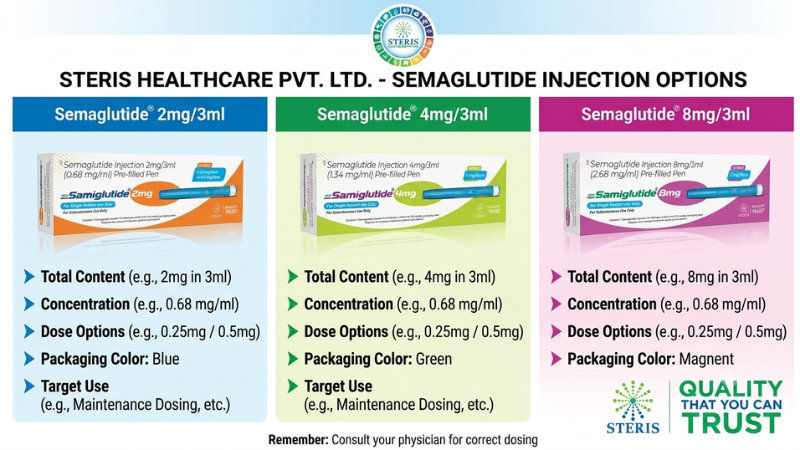



Semaglutide Injection for Weight Loss: Uses, Benefits, How It Works, Safety & SAMIGLUTIDE
Sep 07, 2026
Semaglutide injection for weight loss has become an important option in modern medical weight-management programs for eligible adults with overweight or obesity. Semaglutide belongs to a class of medicines called GLP-1 receptor agonists, which can help regulate appetite, food intake, blood glucose and feelings of fullness.
SAMIGLUTIDE contains semaglutide and is intended to be used under appropriate medical supervision. For people who are medically eligible, semaglutide treatment may support meaningful weight reduction when combined with a reduced-calorie eating plan and regular physical activity.
What Is Semaglutide Injection for Weight Loss?
Semaglutide is a synthetic analogue of the naturally occurring hormone glucagon-like peptide-1 (GLP-1). GLP-1 plays an important role in appetite regulation, glucose metabolism and digestion.
Semaglutide works on GLP-1 receptors in the body and brain. Its effects can include:
- Increasing feelings of fullness
- Reducing appetite
- Helping decrease overall food intake
- Slowing gastric emptying
- Supporting better blood-glucose regulation
- Helping people follow a calorie-controlled eating plan
SAMIGLUTIDE for Weight Management
SAMIGLUTIDE is a semaglutide-based injection that can be positioned within a medically supervised weight-management approach when its use is appropriate for the individual.
Weight loss treatment should not be viewed simply as an injection that causes rapid weight reduction. Successful long-term weight management generally involves multiple components, including:
- Appropriate medical assessment
- Individualized medication selection
- Nutrition and calorie management
- Regular physical activity
- Monitoring of weight and health parameters
- Assessment of treatment response
- Management of adverse effects
- Long-term follow-up
How Does Semaglutide Injection Work for Weight Loss?
Semaglutide activates GLP-1 receptors. These receptors are involved in several physiological processes associated with appetite and metabolism.
1. Appetite Regulation
One of the most important effects of semaglutide is its influence on appetite. People taking semaglutide may experience reduced hunger and fewer cravings, making it easier to consume fewer calories.
2. Increased Satiety
Semaglutide can increase the sensation of fullness after eating. As a result, some people may naturally eat smaller portions or feel satisfied with less food.
3. Slower Gastric Emptying
Semaglutide can delay gastric emptying, particularly during treatment initiation. This can contribute to prolonged feelings of fullness.
4. Reduced Energy Intake
Weight reduction ultimately depends on sustained energy balance. By decreasing appetite and food intake, semaglutide can help support a calorie deficit when combined with appropriate dietary habits.
5. Effects on Glucose Regulation
GLP-1 receptor activation also affects glucose-dependent insulin secretion and glucagon regulation. This is particularly relevant because semaglutide is also used in diabetes management at appropriate formulations and doses.
Who May Benefit From Semaglutide for Weight Loss?
Semaglutide for chronic weight management is generally considered for people with obesity or overweight accompanied by weight-related health problems, depending on the approved indication in the relevant country and the specific product.
A healthcare professional may consider factors such as
- Body mass index (BMI)
-
Existing weight-related conditions
- Previous weight-management attempts
- Current medicines
- Medical history
- Eating patterns
- Cardiovascular risk
- Diabetes status
- Kidney and gallbladder health
- Potential contraindications
Benefits of Semaglutide Injection for Weight Loss
1. Supports Meaningful Weight Reduction
Clinical evidence supports substantial average weight reduction with once-weekly semaglutide 2.4 mg when combined with lifestyle intervention. In STEP 1, the mean weight reduction at 68 weeks was 14.9% with semaglutide versus 2.4% with placebo.
Individual results can vary significantly.
2. Helps Control Appetite
Reduced hunger can make calorie restriction more manageable for some people.
3. Supports Portion Control
Greater satiety may help some patients consume smaller portions without feeling as hungry.
4. Convenient Weekly Administration
Certain approved semaglutide injection products are administered once weekly. The exact administration schedule depends on the specific product and its approved labeling. The current U.S. Wegovy prescribing information, for example, specifies once-weekly administration and gradual dose escalation.
5. Can Complement Lifestyle Changes
Medication works best as part of a broader weight-management plan rather than replacing nutrition and physical activity.
6. May Improve Certain Cardiometabolic Measures
Clinical trials have reported improvements in several cardiometabolic risk factors alongside weight reduction.
Semaglutide Injection and Diet
Semaglutide does not eliminate the importance of a balanced diet.
A weight-management eating plan may emphasize:
- Vegetables and fruits
- Adequate protein
- Whole grains and high-fiber foods
- Appropriate portions
- Healthy fats
- Adequate hydration
- Reduced intake of highly processed foods
- Limited excess added sugar
Semaglutide and Exercise for Weight Loss
Regular physical activity can complement semaglutide treatment.
Depending on fitness level and medical status, a weight-management program may include:
- Walking
- Cycling
- Swimming
- Resistance training
- Strength exercises
- Mobility activities
- Other sustainable forms of exercise
How Long Does Semaglutide Take to Work for Weight Loss?
Weight loss with semaglutide generally occurs progressively rather than immediately.
The amount and speed of weight reduction differ from person to person. Factors can include:
- Starting weight
- Dose and treatment duration
- Diet
- Physical activity
- Treatment adherence
- Other medications
- Metabolic health
- Individual response
Semaglutide Injection Dosage for Weight Loss
Do not self-select or change the dose of SAMIGLUTIDE.
Semaglutide weight-management regimens commonly use gradual dose escalation to improve tolerability. However, the appropriate starting dose, escalation schedule and maintenance dose depend on the specific product, formulation, strength, approved indication, and local prescribing information.
For example, the current U.S. prescribing information for Wegovy injection describes initiation at 0.25 mg once weekly for four weeks followed by gradual escalation, with a usual maintenance dosage of 2.4 mg once weekly for the relevant indication.
How Is Semaglutide Injection Administered?
Approved injectable semaglutide products are administered subcutaneously, meaning the medicine is injected under the skin.
Depending on the specific approved product, injection sites may include areas such as
- Abdomen
- Thigh
- Upper arm
Common Side Effects of Semaglutide
Gastrointestinal adverse effects are among the most frequently reported side effects of semaglutide.
Possible side effects include:
- Nausea
- Vomiting
- Diarrhea
- Constipation
- Abdominal discomfort
- Abdominal pain
- Reduced appetite
- Bloating
- Indigestion
Serious Risks and Important Precautions
Semaglutide is a prescription medicine and is not appropriate for everyone.
The current U.S. Wegovy prescribing information carries a boxed warning concerning thyroid C-cell tumors based on findings in rodents. It states that the human relevance of these findings is unknown and lists a personal or family history of medullary thyroid carcinoma (MTC) or MEN 2 as contraindications for that product.
Other important safety considerations can include:
- Severe gastrointestinal reactions
- Dehydration
- Acute kidney injury associated with volume depletion
- Gallbladder problems
- Pancreatitis
- Hypoglycemia when used with certain diabetes medicines
- Allergic reactions
- Diabetic retinopathy complications in susceptible patients
The appropriate precautions depend on the patient's medical history and the specific semaglutide product.
Anyone experiencing severe or persistent symptoms should seek medical attention.
Can Semaglutide Replace Diet and Exercise?
No.
Semaglutide should generally be viewed as one component of a comprehensive weight-management strategy.
Clinical trials evaluating semaglutide for obesity have incorporated lifestyle intervention. In STEP 1, participants received semaglutide or placebo alongside lifestyle intervention, including dietary and physical-activity guidance.
What Happens After Stopping Semaglutide?
Weight management is a long-term process. Stopping treatment can change appetite and weight trajectory, and some people may regain weight.
This is why treatment decisions should include a long-term plan rather than focusing only on achieving a target number on the scale.
Patients should not stop SAMIGLUTIDE without discussing the decision with their healthcare professional.
A Responsible Approach to Weight Management
For patients considering SAMIGLUTIDE for weight loss, the priority should be medically appropriate treatment rather than simply finding the strongest or fastest weight-loss option.
A responsible approach includes:
Step 1: Medical Assessment
A clinician evaluates BMI, health history, existing conditions, and current medications.
Step 2: Treatment Selection
The healthcare professional determines whether semaglutide is suitable.
Step 3: Appropriate Dose Titration
The dose is increased only according to the specific product's prescribing information.
Step 4: Lifestyle Support
Nutrition and physical activity remain important.
Step 5: Regular Monitoring
Weight, tolerability, and relevant health parameters should be reviewed.
Step 6: Long-Term Planning
The treatment plan should address maintenance of weight reduction and overall health.
Semaglutide Injection vs. Traditional Weight-Loss Approaches
Traditional weight-loss strategies often focus primarily on calorie reduction and physical activity. These remain foundational.
Semaglutide provides an additional pharmacological approach by influencing biological pathways involved in appetite and satiety.
This distinction is important because obesity is a complex chronic condition involving biological, behavioral, and environmental factors.
Modern GLP-1 therapies have expanded medical options for people who have difficulty achieving or maintaining clinically meaningful weight reduction through lifestyle measures alone.
Frequently Asked Questions
1. What is semaglutide injection used for?
Semaglutide injection can be used for specific approved indications including chronic weight management in eligible people with obesity or overweight with certain weight-related health conditions, depending on the product and country.
2. Is semaglutide effective for weight loss?
Clinical trials have shown substantial average weight reduction when semaglutide is used at an approved weight-management dose together with lifestyle intervention.
3. What is SAMIGLUTIDE?
SAMIGLUTIDE is the brand name specified for the semaglutide product discussed in this article. Its exact approved indication, strength and dosing should be confirmed from its product-specific prescribing information.
4. How often is semaglutide injection taken?
Some approved semaglutide injection products are administered once weekly. The exact schedule should always be confirmed from the specific product label.
5. Does semaglutide reduce appetite?
Yes. Appetite and satiety are important effects associated with GLP-1 receptor activation and contribute to reduced energy intake.
6. How quickly does semaglutide cause weight loss?
Weight loss generally develops progressively. Individual results vary, and treatment is typically evaluated over months rather than days.
7. Can I take semaglutide without exercising?
Semaglutide should not be considered a replacement for physical activity. Weight-management treatment generally works best when medication is combined with appropriate nutrition and regular activity.
8. What are common semaglutide side effects?
Nausea, diarrhea, vomiting, constipation and other gastrointestinal symptoms are among the commonly reported adverse effects.
9. Can semaglutide cause serious side effects?
Yes. Serious adverse effects are possible, which is why semaglutide should be prescribed and monitored appropriately.
10. Can everyone use semaglutide for weight loss?
No. Eligibility depends on medical history, BMI, health conditions, medications, contraindications, and the specific product's approved indications.
11. Can semaglutide be used with another GLP-1 medicine?
Combining semaglutide with another GLP-1 receptor agonist is generally not recommended for products such as Wegovy, and patients should discuss all medicines with their healthcare professional.
12. Can semaglutide be used for long-term weight management?
Certain semaglutide injection products are specifically approved for chronic weight management and maintenance of weight reduction in eligible patients.
13. Does semaglutide work without changing diet?
Semaglutide can reduce appetite and food intake, but approved weight-management use is generally intended alongside dietary and physical-activity measures.
14. Is semaglutide suitable for people with diabetes?
Semaglutide is used in diabetes care through specific approved products and indications. The appropriate product and dose depend on the patient's condition and medical advice.
15. Can I stop SAMIGLUTIDE when I reach my target weight?
Do not stop treatment without speaking with your healthcare professional. Long-term weight maintenance should be considered when making treatment decisions.
Conclusion
Semaglutide injection for weight loss represents an important development in medical weight management. By activating GLP-1 receptors, semaglutide can influence appetite, satiety, gastric emptying and energy intake, helping eligible patients achieve meaningful weight reduction when combined with lifestyle intervention.
Recent Post
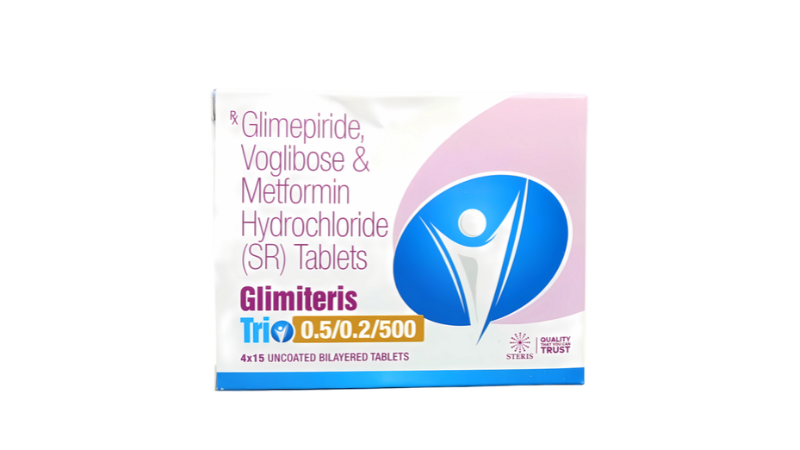
Glimepiride 0.5 mg + Voglibose 0.2 mg + Metformin SR 500 mg | Steris Healthcare
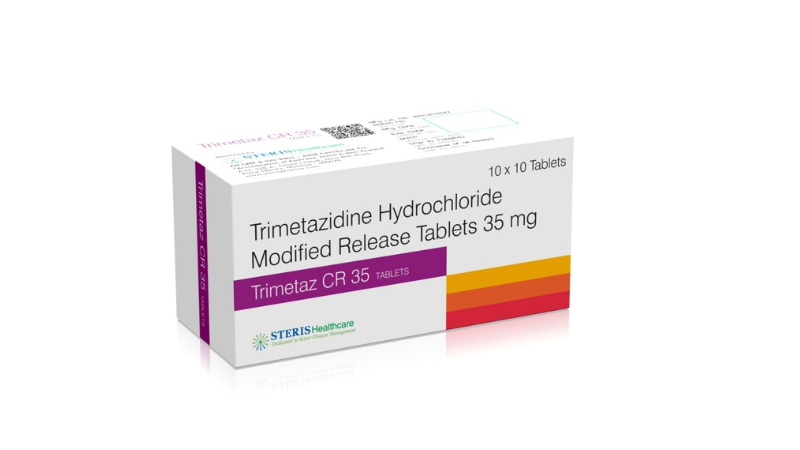
Trimetazidine Hydrochloride Modified Release Tablets 35 mg Uses, Benefits
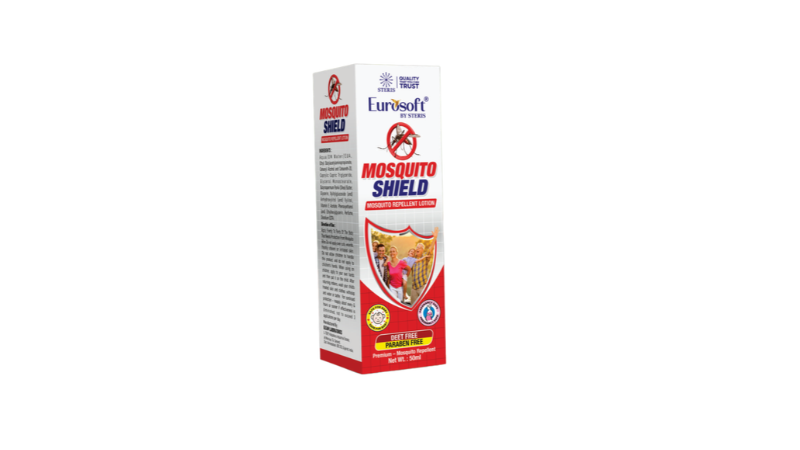
EUROSOFT MOSQUITO SHIELD
Olmesartan and Metoprolol: Uses, Benefits, Dosage & Side Effects | Steris Healthcare
Tofacitinib 11 mg Tablets: A Complete Guide to Uses and Side Effects
Olmesartan Medoxomil + Metoprolol Succinate: Uses, Dosage
Torsemide 100 mg: Uses, Dosage, Side Effects, and Precautions
How Streptococcus Thermophilus Supports Digestive Health
Olmesartan Medoxomil + Metoprolol Succinate: Uses, Benefits & Side Effects
Sirolimus 1 mg: Uses, Dosage, Side Effects, and Precautions

