


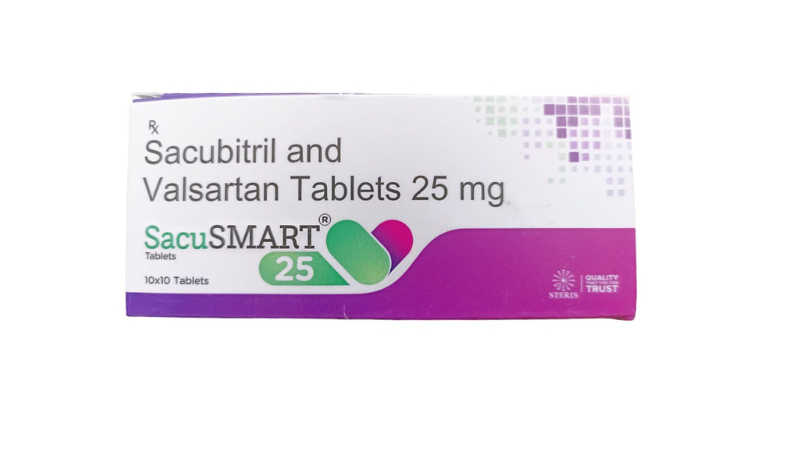



Sacubitril Valsartan tablets – Uses, Benefits & Side Effects Explained
Sep 20, 2025
Sacubitril and valsartan tablets are prescription medicines and are often recommended for the treatment of chronic heart failure and some cardiovascular conditions. They combine two clinically proven active ingredients: Sacubitril, a neprilysin inhibitor, and Valsartan, an angiotensin II receptor blocker (ARB). These ingredients work in a synergistic way to help the heart pump blood more effectively, reduce the strain on the cardiovascular system and reduce the risk of hospitalization and cardiovascular-related death in eligible patients.”
Healthcare professionals prescribe sacubitril and valsartan tablets to adults with symptomatic chronic heart failure, particularly in individuals with reduced ejection fraction (HFrEF). This medicine may also be used in some cases in pediatric patients over one year of age with heart failure symptoms, under medical supervision.
What Are Sacubitril and Valsartan Tablets?
Sacubitril and valsartan tablets are a type of heart medicine designed to work in a special way to help your heart work better. Its dual-action formulation relaxes blood vessels, reduces sodium retention, lowers blood pressure and helps the body regulate fluid balance.
Sacubitril boosts the levels of natural peptides that help to open blood vessels and remove excess sodium. Valsartan blocks the harmful effects of angiotensin II, a hormone which narrows blood vessels and raises blood pressure. Together these activities significantly improve the cardiac performance and lower the cardiovascular stress.
It is generally part of a more comprehensive approach to heart failure treatment, which can include lifestyle changes, such as eating a better diet, exercising and taking other medications for heart health.
How Do Sacubitril and Valsartan Tablets Work?
The effectiveness of sacubitril and valsartan tablets comes from the complementary mechanisms of both active ingredients.
Sacubitril inhibits the neprilysin enzyme, allowing beneficial peptides to remain active for longer periods. These peptides help dilate blood vessels, promote sodium excretion, and reduce fluid buildup.
Valsartan blocks angiotensin II receptors, preventing blood vessel constriction and reducing blood pressure. This action decreases the workload on the heart, enabling it to pump blood more efficiently.
Together, these mechanisms improve cardiovascular function, decrease symptoms of heart failure, and reduce the risk of hospitalization due to worsening heart conditions.
Sacubitril and Valsartan Tablets Uses
Doctors prescribe sacubitril and valsartan tablets for managing several cardiovascular conditions, especially chronic heart failure.
Uses
- Treatment of chronic heart failure with reduced ejection fraction (HFrEF)
- Reduces the risk of cardiovascular death
- Lowers hospitalization due to worsening heart failure
- Improves heart pumping efficiency
- Helps control blood pressure in selected heart failure patients
- Supports long-term cardiovascular management
- Used under physician supervision in eligible pediatric heart failure patients
Benefits of Sacubitril and Valsartan Tablets
Patients prescribed sacubitril and valsartan tablets may experience significant improvements in heart health when the medication is taken consistently as directed by a healthcare professional.
Benefits
- Helps improve overall heart function
- Reduces symptoms of chronic heart failure
- Decreases shortness of breath
- Improves exercise tolerance
- Lowers cardiovascular mortality risk
- Reduces hospital admissions related to heart failure
- Supports better blood circulation
- Helps reduce fluid retention
- Enhances quality of life in many heart failure patients
- Clinically proven dual-action mechanism
Dosage and Administration
Sacubitril and valsartan tablets should always be taken exactly as prescribed by a qualified healthcare provider. Dosage depends on the patient's age, kidney function, liver function, previous medications, and severity of heart failure.
The tablets are usually taken twice daily, with or without food. Patients should swallow the tablet whole with water and take it at the same times each day to maintain consistent drug levels in the body.
Treatment should not be started without medical evaluation, particularly in patients previously taking ACE inhibitors. A washout period is generally required when switching from an ACE inhibitor to sacubitril and valsartan to reduce the risk of serious complications such as angioedema.
Missing doses should be taken as soon as remembered unless it is nearly time for the next scheduled dose. Double dosing should be avoided.
Possible Side Effects of Sacubitril and Valsartan Tablets
Like all prescription medicines, sacubitril and valsartan tablets may cause side effects. Most patients tolerate the medicine well, but some individuals may experience adverse reactions.
Common Side Effects
- Low blood pressure (hypotension)
- Dizziness
- Fatigue
- Increased potassium levels
- Cough
- Kidney function changes
- Headache
- Nausea
Serious Side Effects
- Angioedema (swelling of the face, lips, or throat)
- Severe allergic reactions
- Significant kidney impairment
- Very low blood pressure
- High potassium leading to heart rhythm disturbances
- Difficulty breathing
Patients experiencing serious symptoms should seek immediate medical attention.
Precautions Before Using Sacubitril and Valsartan Tablets
Before starting treatment, patients should inform their healthcare provider about any existing medical conditions, including kidney disease, liver disease, diabetes, or previous allergic reactions to ARBs or ACE inhibitors.
This medication should not be used during pregnancy because it may harm the developing fetus. Breastfeeding mothers should also consult their physician before using this medicine.
Regular monitoring of blood pressure, kidney function, and potassium levels is recommended throughout treatment.
Patients should avoid potassium supplements or salt substitutes containing potassium unless specifically advised by their healthcare provider.
Drug Interactions
Sacubitril and valsartan tablets may interact with several medications. Inform your healthcare provider about all prescription medicines, over-the-counter drugs, herbal supplements, and vitamins you are taking.
Common interacting medications include ACE inhibitors, potassium supplements, potassium-sparing diuretics, NSAIDs, lithium, aliskiren, and certain blood pressure medications.
Proper medication review helps minimize the risk of adverse interactions and improves treatment safety.
Storage Instructions
Store sacubitril and valsartan tablets at room temperature in a cool and dry place away from direct sunlight and moisture. Keep the medicine in its original packaging until use and store it out of the reach of children and pets.
Do not use expired medication. Dispose of unused tablets according to local pharmaceutical waste disposal guidelines.
Why Choose a Trusted Supplier for Sacubitril and Valsartan Tablets?
Healthcare providers and pharmaceutical buyers should source sacubitril and valsartan tablets from reliable manufacturers committed to international quality standards. A trusted supplier ensures consistent product quality, proper documentation, secure packaging, and timely delivery.
Whether supplying hospitals, pharmacies, wholesalers, distributors, or government healthcare programs, choosing a manufacturer with strong quality assurance processes contributes to better patient outcomes and uninterrupted product availability.
Frequently Asked Questions
1. What is sacubitril valsartan used for?
Sacubitril/valsartan is used to treat heart failure and reduce the risk of hospitalization and cardiovascular death.
2. What are sacubitril and valsartan tablets used for?
Sacubitril and valsartan tablets are primarily prescribed to treat chronic heart failure with reduced ejection fraction. They help reduce cardiovascular death, improve heart function, and decrease hospitalization.
3. How do sacubitril and valsartan tablets work?
They combine a neprilysin inhibitor (sacubitril) and an angiotensin receptor blocker (valsartan) to relax blood vessels, reduce blood pressure, improve circulation, and support heart function.
4. Can sacubitril and valsartan tablets lower blood pressure?
Yes. The medication helps lower blood pressure by relaxing blood vessels, which also reduces the workload on the heart.
5. What are the common side effects of sacubitril and valsartan tablets?
Common side effects include dizziness, low blood pressure, cough, fatigue, increased potassium levels, headache, nausea, and changes in kidney function.
6. Can sacubitril and valsartan tablets be taken with food?
Yes. The tablets can generally be taken with or without food, according to your doctor's instructions.
7. Who should not take sacubitril and valsartan tablets?
People with a history of angioedema related to ACE inhibitors or ARBs, pregnant women, and individuals with certain severe medical conditions should not take this medicine unless advised by their healthcare provider.
8. Is sacubitril and valsartan the same as an ACE inhibitor?
No. It combines a neprilysin inhibitor and an angiotensin receptor blocker (ARB), making it different from ACE inhibitors.
9. Can kidney patients take sacubitril and valsartan tablets?
Patients with kidney disease may be prescribed this medication, but dosage adjustments and regular monitoring are often required.
10. How long does it take for sacubitril and valsartan tablets to work?
Some patients notice symptom improvement within a few weeks, but the full cardiovascular benefits usually develop with continued treatment under medical supervision.
11. Can sacubitril and valsartan tablets be taken long-term?
Yes. For many eligible patients with chronic heart failure, long-term treatment is recommended to maintain heart function and reduce cardiovascular complications, provided it is supervised by a healthcare professional.
Recent Post
Semaglutide Injection 2mg/3ml (SAMIGLUTIDE) – Uses, Benefits, Dosage & Side Effects

L-Glutathione, Vitamin C & Alpha Lipoic Acid Tablets: Uses, Benefits & Side Effects

Vitamin A, D & Calcium Chloride: Uses, Benefits & Safety Information

How Does Vitamin C Face Serum Benefit Your Skin?

Minoxidil & Finasteride Topical Solution: How Does It Work?

Minoxidil Gel: Uses, Side Effects & Important Precautions
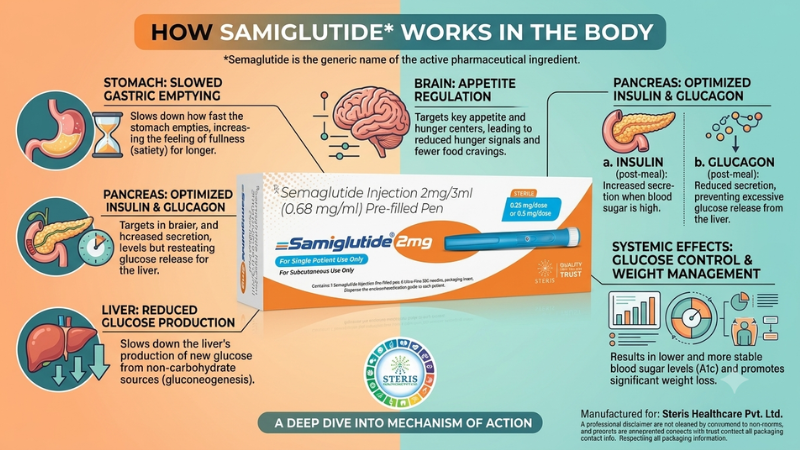
What Does Semaglutide Do to Your Body? Benefits & Risks
Amlodipine 5 mg + Olmesartan 40 mg: Benefits, Dosage & Precautions
Ramipril 2.5 mg and Hydrochlorothiazide 12.5 mg: Uses, Benefits & Dosage
Atorvastatin 5 mg क्या है? जानें उपयोग, फायदे और साइड इफेक्ट्स

