


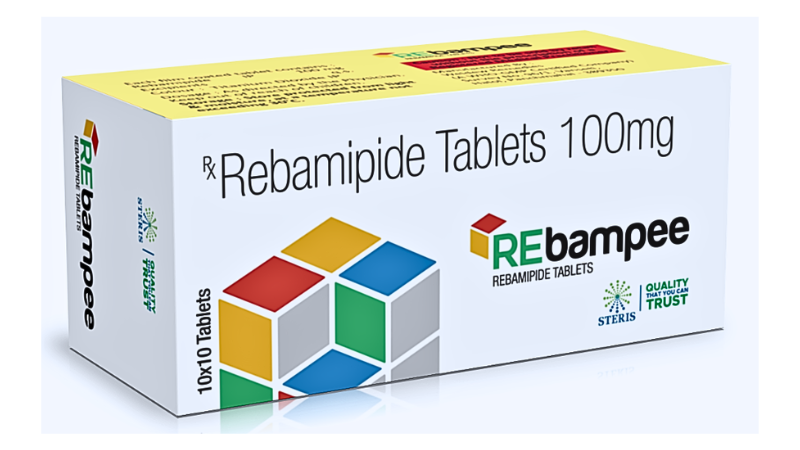



Rebamipide 100 mg: A Powerful Gastroprotective Agent for Stomach Health
Feb 25, 2025
What Are Rebamipide Tablets 100mg?
Rebamipide tablets 100mg contain 100 mg of rebamipide as the active ingredient. Rebamipide is classified as a gastric mucosal protective agent. It is used to help protect damaged stomach lining and promote mucosal healing.
Current Indian medicine listings identify rebamipide 100 mg products for conditions including gastric ulcers and gastritis. Some clinical references also describe its use in gastric mucosal lesions associated with acute gastritis or an acute worsening of chronic gastritis.
Unlike medicines whose primary action is to suppress acid production, rebamipide focuses on the stomach's protective barrier. Research describes mechanisms involving increased protective prostaglandins, improved gastric blood flow and reduction of oxidative or inflammatory injury to the gastric mucosa.
Rebamipide Tablets 100mg Uses
Doctors may prescribe rebamipide tablets 100mg for:
- Gastric ulcers
- Gastritis
- Gastric mucosal damage or lesions associated with gastritis
- Supporting healing of an injured stomach lining
- Certain cases of stomach damage associated with anti-inflammatory painkillers, when specifically prescribed
The exact indication can vary according to the patient's condition and the prescribing doctor's assessment. Rebamipide should therefore be used only for the condition for which it has been prescribed.
How Do Rebamipide 100mg Tablets Work?
The stomach has a natural protective lining that helps defend its tissues from acid and other irritants. When this protective barrier becomes damaged, inflammation, irritation and ulcer formation can occur.
Rebamipide helps support the stomach's defense and repair mechanisms. Its reported actions include:
- Supporting production of protective gastric mucus
- Increasing protective prostaglandin activity
- Supporting blood flow within the gastric mucosa
- Helping reduce inflammatory and oxidative damage
- Supporting repair and healing of the stomach lining
This mucosal-protective action is why rebamipide 100mg tablets may be prescribed as part of treatment for gastritis or gastric ulcers.
Key Benefits of Rebamipide Tablets 100mg
1. Supports stomach lining protection
Rebamipide helps reinforce the stomach's natural defense mechanisms, which can be important when the gastric mucosa has been irritated or damaged.
2. Supports ulcer healing
By promoting mucosal protection and repair, rebamipide can be used as part of treatment for gastric ulcers.
3. Helps manage gastritis-related gastric damage
Doctors may prescribe rebamipide for gastritis and gastric mucosal lesions, particularly when protection and healing of the stomach lining are important treatment goals.
4. Works through mucosal protection rather than acid suppression alone
This makes rebamipide different from conventional acid-suppressing medicines. It primarily supports the stomach's protective barrier rather than functioning simply as an acid-neutralizing medicine.
5. May be used when NSAIDs contribute to gastric injury
Some medical references describe rebamipide use in NSAID-associated gastropathy or enteropathy. However, patients should never use it on their own to counteract the stomach risks of painkillers; a doctor should determine whether it is appropriate.
Rebamipide Tablets 100mg Dosage and How to Take
The appropriate dose depends on the condition being treated, the patient's medical history and the doctor's prescription.
One Indian drug reference lists 100 mg three times daily for gastric ulcer and certain gastric mucosal conditions, generally taken in the morning, evening and before bedtime. However, dosing recommendations can differ according to the product, indication and country.
Therefore, do not select your own rebamipide dosage based only on information found online. Take the medicine exactly as prescribed.
Rebamipide may generally be taken with or without food according to available drug information.
If you miss a dose, follow your doctor's or pharmacist's instructions rather than taking extra tablets to compensate.
Rebamipide 100mg Side Effects
Like other medicines, rebamipide tablets 100mg can cause side effects, although not everyone experiences them.
Reported or commonly described effects can include:
- Nausea
- Constipation
- Diarrhea
- Abdominal discomfort
- Stomach-related discomfort
These effects may be mild, but persistent or troublesome symptoms should be discussed with a healthcare professional.
Rare but potentially serious reactions have also been reported with rebamipide, including allergic reactions, blood-cell abnormalities and liver-related adverse effects. Medical references list serious reactions such as anaphylactoid reactions, thrombocytopenia, leucopenia, jaundice and hepatic dysfunction.
Seek urgent medical attention if you develop symptoms suggesting a severe allergic reaction, significant unexplained bleeding, yellowing of the skin or eyes, or another severe or unusual reaction.
Who Should Take Extra Care With Rebamipide 100mg?
Before starting rebamipide tablets 100mg, tell your doctor if you:
- Have kidney disease
- Have liver disease
- Are pregnant or planning pregnancy
- Are breastfeeding
- Have previously experienced an allergy to rebamipide
- Take prescription medicines, over-the-counter medicines or supplements
Indian product information also advises caution in people with kidney problems and recommends discussing pregnancy, breastfeeding and liver or kidney conditions with a healthcare professional.
Rebamipide 100mg and Other Medicines
Tell your doctor about all medicines you are taking. This is particularly important if you regularly use medicines that can irritate the stomach, such as certain NSAID painkillers.
Do not assume that taking rebamipide makes long-term or excessive use of painkillers safe. The underlying cause of stomach irritation still needs to be addressed.
Buying Rebamipide Tablets 100mg in India
If you are looking to buy rebamipide tablets 100mg online in India, check the active ingredient, strength, manufacturer, pack size, prescription requirements, expiry date and storage instructions before purchasing.
Recent Indian online listings show several brands containing rebamipide 100 mg, including Rebam, Rebaheal, Rebagen, Rebank, Rebadac and Rebator. Prices vary substantially according to brand, pack size, seller and location. For example, recent listings have shown Rebam 100mg, Rebagen and other rebamipide 100mg products at different prices, demonstrating why buyers should compare the exact pack and manufacturer rather than assuming all products cost the same.
Storage of Rebamipide 100mg Tablets
Store the tablets according to the product label. Current Indian listings for rebamipide 100 mg products commonly specify storage below approximately 25–30°C, depending on the manufacturer. Keep the medicine away from excessive heat, moisture and direct sunlight and out of reach of children.
Why Choose Rebamipide Tablets 100mg?
For patients who have been prescribed rebamipide, its principal value is its gastric mucosal-protective action. It is intended to support the stomach's natural defense and healing processes rather than simply provide temporary relief from acidity.
However, the best treatment depends on the cause of the stomach problem. Gastritis or ulcer symptoms may have different underlying causes, so persistent abdominal pain, vomiting, black stools, unexplained weight loss or recurrent symptoms require medical evaluation.
Frequently Asked Questions About Rebamipide Tablets 100mg
1. What are rebamipide tablets 100mg used for?
Rebamipide tablets 100mg are primarily used for gastric ulcers and gastritis. They help protect the stomach lining, support mucosal healing and reduce damage to the gastric mucosa.
2. Is rebamipide 100mg used for gastritis?
Yes. Rebamipide 100mg may be prescribed for gastritis and gastric mucosal lesions, including certain cases of acute gastritis or worsening chronic gastritis. The appropriate treatment depends on the patient's diagnosis.
3. What are the main benefits of rebamipide 100mg?
The main benefits are related to protecting and supporting the stomach lining. Rebamipide can increase protective mechanisms such as mucus and prostaglandin activity, support gastric mucosal blood flow and help the healing process.
4. What are the side effects of rebamipide 100mg tablets?
Possible side effects include nausea, constipation, diarrhea and abdominal discomfort. Rare serious reactions can include allergic reactions, blood abnormalities and liver-related problems. Contact a healthcare professional if symptoms are severe, persistent or unusual.
5. Can I take rebamipide 100mg without a prescription?
You should use rebamipide only when it has been recommended or prescribed by a qualified healthcare professional. It is important to establish whether your symptoms are caused by gastritis, an ulcer, medication-related irritation or another gastrointestinal condition.
6. How often should I take rebamipide 100mg?
The dosing schedule depends on the condition and your doctor's prescription. Some references list 100mg three times daily for gastric ulcer and certain gastric mucosal conditions, but you should follow the directions on your prescription rather than self-adjusting the dose.
7. Can rebamipide 100mg be taken with food?
Available drug information indicates that rebamipide may be taken with or without food. Follow the specific instructions given by your doctor or the product label.
8. Is rebamipide 100mg an acidity medicine?
Rebamipide is better described as a gastric mucosal protective medicine rather than a conventional antacid. Its primary role is supporting the stomach's protective and healing mechanisms.
9. Can rebamipide 100mg help stomach ulcers?
Yes. Rebamipide is used in the treatment of gastric ulcers and works by supporting protection and healing of the stomach mucosa.
10. Where can I buy rebamipide tablets 100mg?
You can purchase rebamipide 100mg products through licensed pharmacies or reputable online pharmacies where legally available. Before buying, verify the 100mg strength, active ingredient, manufacturer, expiry date, pack size and prescription requirement. Prices and availability may change by seller and location.
11. Is rebamipide an antibiotic?
No, Rebamipide is not an antibiotic; it protects and supports healing of the stomach lining.
Conclusion
Rebamipide tablets 100mg are gastric mucosal-protective medicines containing rebamipide 100 mg and are commonly prescribed for gastric ulcers and gastritis. Their key benefit is supporting the stomach's natural protective and healing mechanisms through effects involving mucus, prostaglandins, mucosal blood flow and protection against inflammatory or oxidative injury.
Recent Post
Itopride Hydrochloride Uses: What It Treats and How It Works

Glimepiride 0.5 mg + Voglibose 0.2 mg + Metformin SR 500 mg | Steris Healthcare
Trimetazidine Hydrochloride Modified Release Tablets 35 mg Uses, Benefits
EUROSOFT MOSQUITO SHIELD
Olmesartan and Metoprolol: Uses, Benefits, Dosage & Side Effects | Steris Healthcare
Tofacitinib 11 mg Tablets: A Complete Guide to Uses and Side Effects
Olmesartan Medoxomil + Metoprolol Succinate: Uses, Dosage
Torsemide 100 mg: Uses, Dosage, Side Effects, and Precautions
How Streptococcus Thermophilus Supports Digestive Health
Olmesartan Medoxomil + Metoprolol Succinate: Uses, Benefits & Side Effects