


RACEDOTERIL 100 Mg : Benefits, Dosage, and Uses of Racecadotril 100mg
Nov 08, 2024
Acute diarrhea is a common but disruptive condition that can lead to significant fluid loss, discomfort, and disruption to daily life if not managed promptly and effectively. To address this need, Steris Healthcare has developed RACEDOTERIL 100, an antidiarrheal medication with the active composition Racecadotril 100 mg.
RACEDOTERIL 100 is primarily used for the treatment of acute diarrhea in adults, working through a mechanism that reduces excessive intestinal fluid secretion without slowing down normal gut motility. As an enkephalinase inhibitor, racecadotril offers an approach to diarrhea management that addresses the underlying secretory imbalance rather than simply halting bowel movement, distinguishing it from some traditional antidiarrheal medications.
Why Racecadotril 100 mg Is Important
Acute diarrhea, whether triggered by infection, dietary factors, or other causes, often results from an imbalance in the intestines where fluid secretion exceeds absorption, leading to the characteristic loose, watery stools associated with the condition. Left unmanaged, this can lead to significant dehydration, electrolyte imbalances, and considerable discomfort, particularly affecting daily activities and overall well-being. Many traditional antidiarrheal treatments work by slowing intestinal motility, which, while reducing stool frequency, can sometimes prolong the presence of pathogens in the gut in cases of infectious diarrhea.
This is where racecadotril 100 mg becomes particularly important. Rather than slowing gut motility, it works by specifically targeting the excessive intestinal fluid secretion that drives diarrhea, helping restore a more normal fluid balance in the intestines. This distinct mechanism allows for effective symptom relief while maintaining normal gut transit time, which some clinicians consider advantageous, particularly in cases where reduced motility might not be desirable. This targeted approach to the secretory component of diarrhea has made racecadotril a valuable option in acute diarrhea management protocols.
Key Benefits
Racecadotril 100 mg offers several important benefits in the management of acute diarrhea.
What are the benefits of Racecadotril 100 mg?
- Reduces excessive intestinal fluid secretion—directly addresses the underlying secretory imbalance contributing to diarrhea.
- Does not slow gut motility—Unlike some traditional antidiarrheal agents, it works without significantly affecting normal intestinal transit time.
- Effective symptom relief—helps reduce stool frequency and improve stool consistency in acute diarrhea.
- Generally well-tolerated—Its targeted mechanism is often associated with a favorable side effect profile compared to some other antidiarrheal options.
- Supports fluid balance—By reducing excess secretion, it helps limit further fluid loss during acute diarrheal episodes.
- Convenient oral dosing—Available as an easy-to-administer tablet for straightforward treatment.
- Complements rehydration therapy—Works well alongside oral rehydration solutions as part of comprehensive acute diarrhea management.
Mechanism of Action
How it works (Racecadotril 100 Mechanism): Racecadotril works by inhibiting an enzyme called enkephalinase, which is normally responsible for breaking down enkephalins—naturally occurring peptides in the body that help regulate intestinal secretion. By blocking this enzyme, racecadotril allows enkephalins to remain active for longer, which in turn helps reduce the excessive secretion of water and electrolytes into the intestinal lumen that characterizes diarrhea. Importantly, this mechanism is purely antisecretory and does not affect the normal contractile activity or motility of the intestines, meaning that while excess fluid secretion is reduced, normal gut transit continues largely unaffected. This distinguishes racecadotril from opioid-based antidiarrheal agents like loperamide, which work primarily by slowing intestinal motility. Because racecadotril acts specifically on the secretory pathway, it addresses one of the core physiological drivers of acute diarrhea without altering the gut's natural movement patterns.
Side Effects
Most patients tolerate RACEDOTERIL 100 well when taken as directed, but some may experience mild side effects such as:
- Mild headache
- Skin rash, in rare instances
- Mild dizziness
- Constipation, if used beyond the recommended duration
- Mild nausea
These effects are usually mild and temporary, resolving as treatment concludes or the body adjusts.
Available Substitute
Other antidiarrheal medications, such as loperamide or oral rehydration therapy alone, are also available for managing acute diarrhea. However, switching between treatment options should be guided by a doctor, as the appropriate choice depends on the underlying cause of diarrhea, patient age, and overall clinical presentation.
Dosage Guidelines
The Tab racecadotril 100 mg dosage should always be determined by a physician based on the severity of diarrhea and individual patient factors. General guidelines include:
- Typically taken as an initial dose at the onset of diarrhea symptoms, followed by additional doses at intervals as directed by your doctor, usually three times daily.
- Can be taken with or without food, based on your doctor's specific instructions.
- Treatment is generally intended for short-term use during an acute diarrheal episode, not for long-term or chronic use.
- Should be used alongside adequate oral rehydration to address both the secretory component of diarrhea and fluid loss.
- If diarrhea persists beyond the recommended treatment duration, or if symptoms worsen, consult your doctor rather than continuing self-treatment indefinitely.
Precautions & Warnings
- Inform your doctor about any history of kidney or liver disease before starting this medication.
- This medication is intended for short-term use in acute diarrhea; consult your doctor if diarrhea persists beyond a few days.
- Ensure adequate fluid and electrolyte intake through oral rehydration solutions alongside this medication, particularly in cases of significant fluid loss.
- Seek medical attention promptly if you notice signs of severe dehydration, blood in stool, high fever, or diarrhea that doesn't improve with treatment.
- Pregnant or breastfeeding women should use this medication only under medical supervision.
- Inform your doctor about all other medications you are taking to avoid potential interactions.
- Use in children should only be under pediatric medical guidance and appropriate dosing.
- Store in a cool, dry place away from direct sunlight and out of reach of children.
Indications, Efficacy, and Clinical Evidence
Racecadotril is widely indicated for the treatment of acute diarrhea in adults as a symptomatic treatment alongside appropriate rehydration measures.
Key Indications:
- Acute diarrhea in adults, as a symptomatic treatment
- Diarrhea associated with excessive intestinal fluid secretion
- Adjunctive therapy alongside oral rehydration solutions for comprehensive acute diarrhea management
- Situations where maintaining normal gut motility is clinically preferred over motility-slowing antidiarrheal agents
Racecadotril tablet uses are supported by its distinct antisecretory mechanism, which addresses one of the primary physiological drivers of acute diarrhea without affecting normal intestinal motility. This characteristic has made racecadotril a recognized option in acute diarrhea management, particularly valued for its generally favorable tolerability profile and its complementary role alongside rehydration therapy, which remains a cornerstone of diarrhea management overall. For specific clinical guidance, particularly regarding underlying causes of diarrhea that may require additional evaluation or treatment, always consult a qualified physician.
Frequently Asked Questions
1. What are the uses of racecadotril 100 mg?
It's used for the treatment of acute diarrhea in adults by reducing excessive intestinal fluid secretion.
2. What is racecadotril 100 mg used for in a Hindi context?
इसका उपयोग वयस्कों में एक्यूट डायरिया के इलाज के लिए किया जाता है, जो आंतों में अत्यधिक तरल स्राव को कम करता है।
3. How does Tab Racecadotril 100 mg work?
It inhibits an enzyme called enkephalinase, reducing excessive fluid secretion in the intestines without slowing gut motility.
4. What are the uses of the racecadotril tablet besides diarrhea?
Its primary approved use is for acute diarrhea; other uses should only be considered under medical guidance.
5. What are the common side effects of racecadotril 100?
Mild headache, dizziness, and occasional skin rash are among the more commonly reported side effects.
6. Does racecadotril cause constipation like other antidiarrheal medications?
It's generally less likely to cause constipation since it doesn't significantly slow gut motility, though this can occur with extended use.
7. Is a prescription required for RACEDOTERIL 100?
It's generally recommended to use this medication under medical guidance, especially for proper diagnosis of the diarrhea's cause.
8. How is racecadotril different from loperamide?
Racecadotril reduces intestinal fluid secretion without affecting motility, while loperamide works by slowing gut motility directly.
9. Can racecadotril be used alongside oral rehydration solutions?
Yes, it's commonly used alongside rehydration therapy for comprehensive acute diarrhea management.
10. How quickly does racecadotril 100 mg work?
Many patients notice improvement in stool frequency and consistency within the first day of treatment, though individual response varies.
11. Is racecadotril safe for long-term use?
No, it's intended for short-term use during acute diarrheal episodes; consult your doctor if diarrhea persists.
12. Can children take racecadotril 100 mg?
Use in children should only be under pediatric medical guidance and appropriate dosing.
13. What should I do if diarrhea doesn't improve with racecadotril?
Consult your doctor, as persistent diarrhea may require further evaluation or a different treatment approach.
14. Is racecadotril safe during pregnancy?
It should only be used during pregnancy under medical supervision after evaluating risks and benefits.
15. What are racecadotril's uses in the context of infectious diarrhea?
It helps manage the secretory component of diarrhea, but underlying infections may require additional evaluation and treatment as determined by your doctor.
16. What should I avoid while taking racecadotril 100 mg?
Avoid prolonged use beyond the recommended duration, and ensure adequate fluid intake to prevent dehydration during acute diarrhea.
Conclusion
RACEDOTERIL 100 (Racecadotril 100 mg) by Steris Healthcare offers a targeted approach to managing acute diarrhea by specifically addressing excessive intestinal fluid secretion, without significantly affecting normal gut motility. This distinct mechanism, combined with its generally well-tolerated profile, makes it a valuable option for short-term symptomatic relief during acute diarrheal episodes. As with any medication for diarrhea, it should be used alongside adequate rehydration and under the guidance of a qualified healthcare professional, particularly if symptoms persist or worsen despite treatment.
For Further Information:
Mail Us: contact@sterispharma.com or info@sterispharma.com
Call Now: +918824175417, +919982524671
Buy Now
Recent Post
Cefuroxime Axetil 500mg + Potassium Clavulanate 125mg Uses, Benefits & Side Effects
Cefuroxime Axetil 500mg Uses, Benefits, Side Effects
Cefuroxime Axetil 250mg Uses, Benefits, Side Effects
Clindamycin 300mg Uses, Benefits, Side Effects
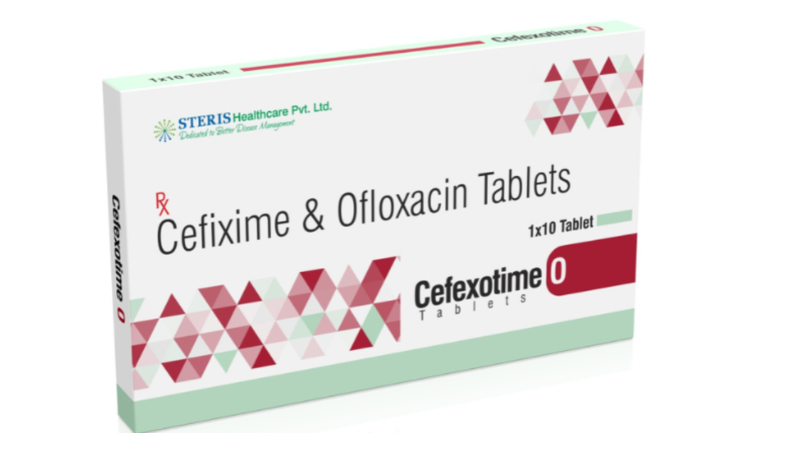
Cefixime 200mg + Ofloxacin 200mg Uses, Benefits, Side Effects

Neomycin, Polymyxin B and Bacitracin Zinc: Uses, Benefits and Side Effects
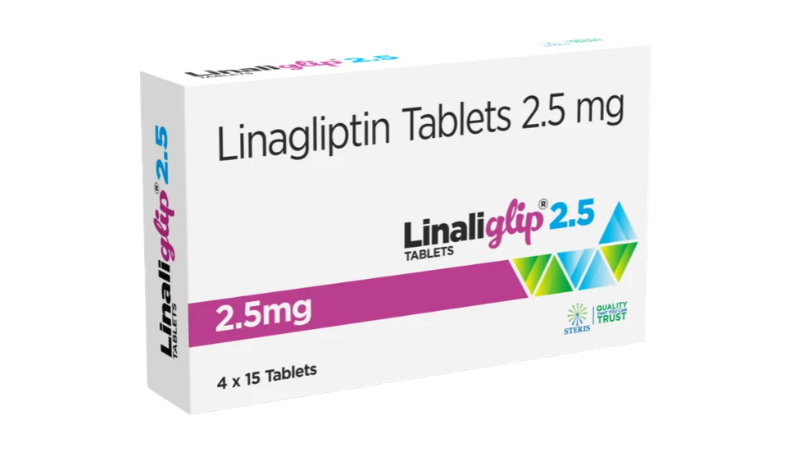
What Is Linagliptin 2.5 mg Used For? A Complete Guide
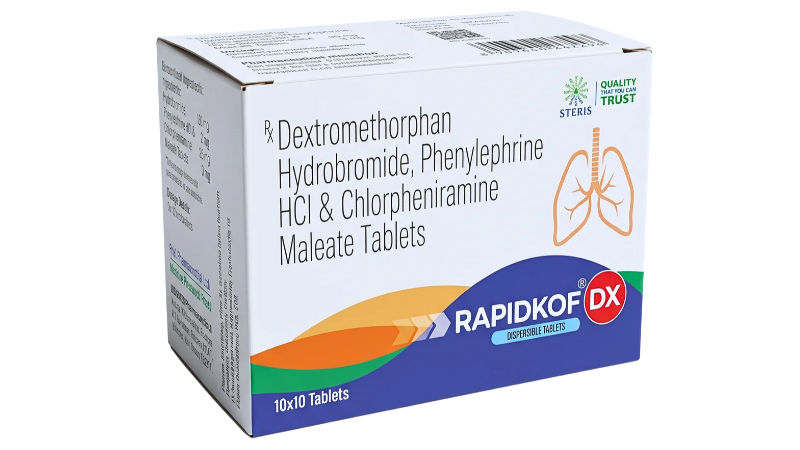
Dextromethorphan Hydrobromide: Uses, Benefits, Dosage and Side Effects
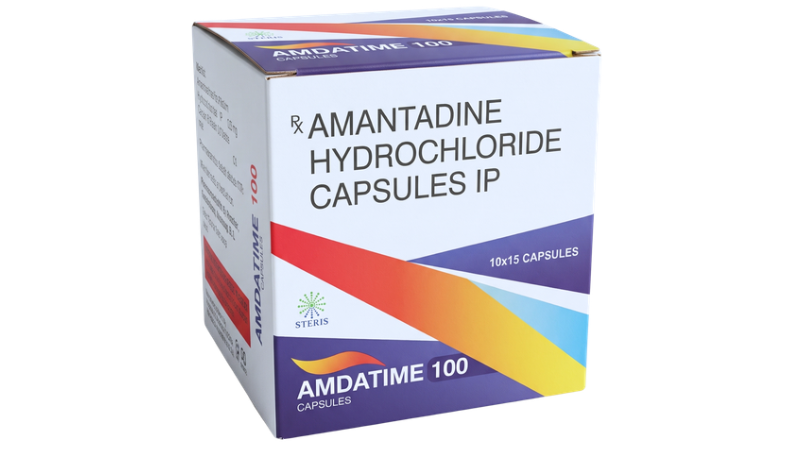
Amantadine Hydrochloride: Uses, Benefits, Dosage and Side Effects
Potassium Chloride Oral Solution: Uses, Benefits, Dosage and Side Effects

