


Perindopril Erbumine BP (8mg)
May 04, 2023
Perindopril Erbumine BP (8mg)
PERINDPRIM is a medication that belongs to a class of drugs called angiotensin-converting enzyme (ACE) inhibitors. It is used to treat hypertension (high blood pressure) and heart failure.
PERINDPRIM works by blocking the action of ACE, which is an enzyme that helps to regulate blood pressure by producing a hormone called angiotensin II. By blocking the action of this hormone, PERINDPRIM helps to relax blood vessels, lower blood pressure, and reduce the workload on the heart.
PERINDPRIM is available in tablet form and is usually taken once a day. It is important to take this medication as directed by your doctor, and to continue taking it even if you feel well.
Like all medications, PERINDPRIM can have side effects, and it is important to discuss these with your doctor before starting treatment. Common side effects include dizziness, headache, dry cough, and gastrointestinal upset. Rare but serious side effects can include severe allergic reactions, liver or kidney problems, and low blood pressure.
PERINDPRIM is available in strengths of 4 & 8 mg.
For further information please contact:
info@sterispharma.com
Recent Post

Empagliflozin, Sitagliptin and Metformin Tablets: Uses, Benefits & Price in India | Steris Healthcare You're using the free version of ChatGPT. Upgrade for advanced models, better memory, and higher-quality image creation. Try Plus free

D-Panthenol & Sodium Hyaluronate Ophthalmic Solution: Uses, Benefits & Eye Care
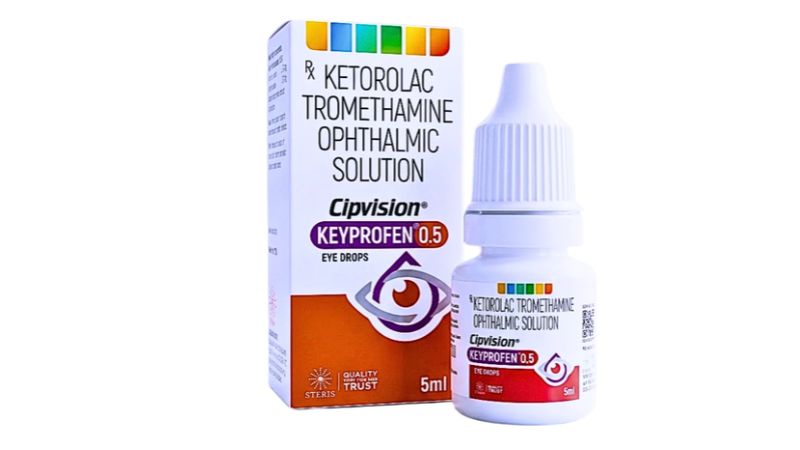
Ketorolac Tromethamine Ophthalmic Solution: Uses, Benefits, Side Effects & Dosage

Ofloxacin Dexamethasone Eye/Ear Drops: What Doctors Prescribe
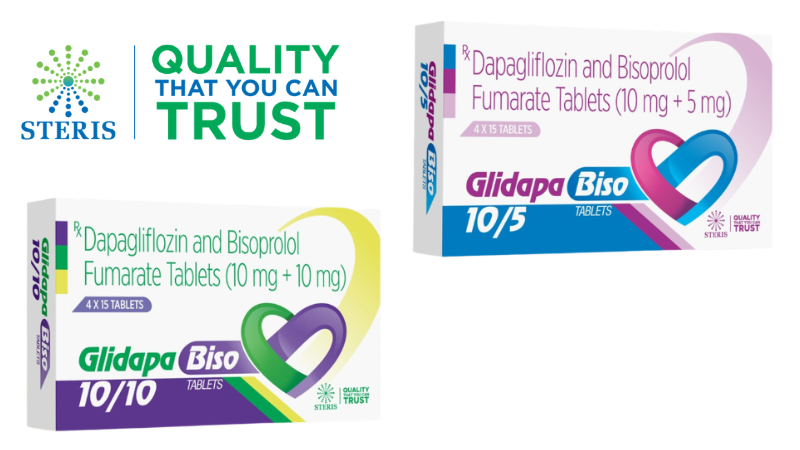
Dapagliflozin and Bisoprolol: Uses, Benefits, Side Effects and Precautions
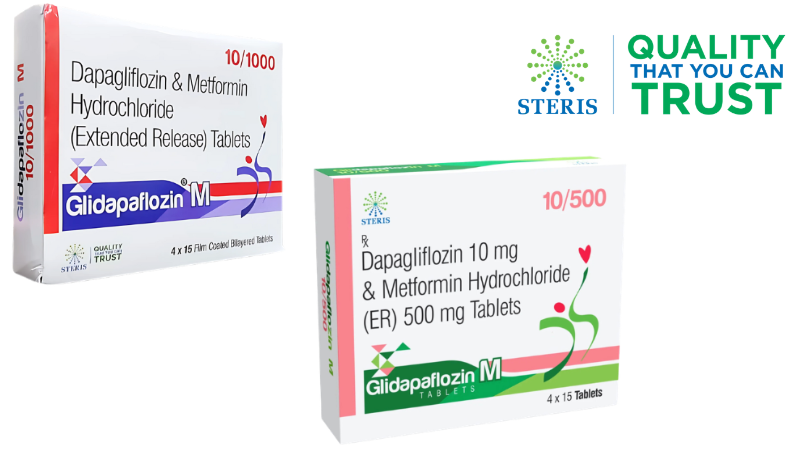
How Do Dapagliflozin and Metformin Work Together to Manage Type 2 Diabetes?

Voglibose and Repaglinide Tablets: Uses & Side Effects

Dapagliflozin for Type 2 Diabetes: Uses and Important Precautions

Dapagliflozin and Metformin Tablets: Uses, Benefits, Side Effects and Precautions
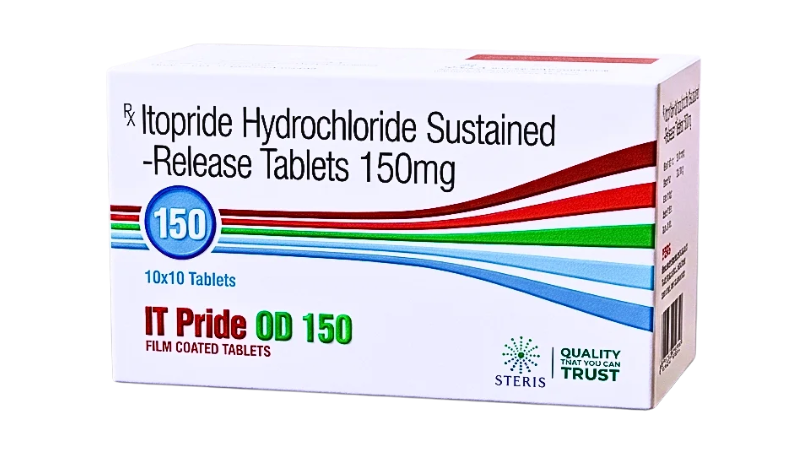
Itopride Hydrochloride Uses: What It Treats and How It Works

