


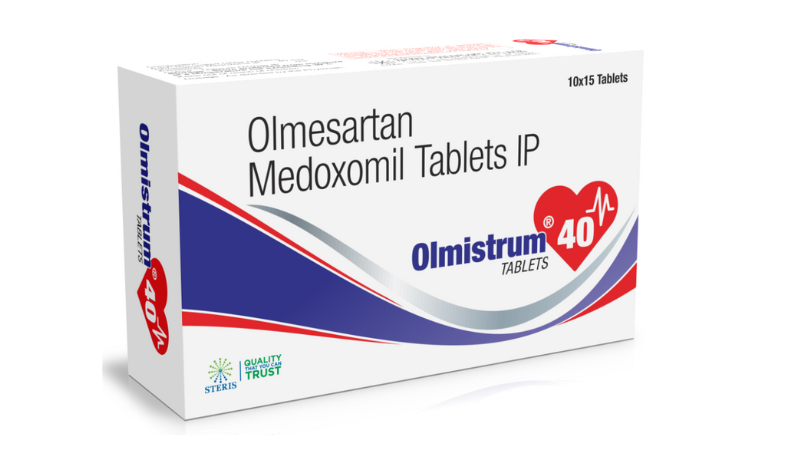



Olmesartan Medoxomil Uses , Side Effects & Precautions
Oct 04, 2025
What Are Olmesartan Medoxomil Tablets?
Olmesartan medoxomil tablets are prescription blood-pressure medicines belonging to a class called angiotensin II receptor blockers (ARBs). They are primarily used to treat hypertension (high blood pressure) in adults and, under approved labeling, children aged 6 years and older.
Olmesartan works by blocking the action of angiotensin II, a substance that causes blood vessels to narrow. By reducing this effect, olmesartan helps blood vessels relax and lowers blood pressure. Controlling hypertension can reduce the risk of serious cardiovascular complications associated with persistently high blood pressure.
Olmesartan Medoxomil Tablets: Key Uses
The primary use of olmesartan medoxomil tablets is to lower elevated blood pressure.
Doctors may prescribe olmesartan:
- As a single blood-pressure medicine.
- Along with another antihypertensive medicine when one drug does not provide adequate control.
- For adults with hypertension.
- For certain children aged 6 years and older, when prescribed according to pediatric dosing recommendations.
Lowering high blood pressure is important even when a person feels completely well because hypertension can exist without noticeable symptoms. Treatment is intended to reduce sustained blood-pressure exposure and associated cardiovascular risk.
How Do Olmesartan Medoxomil Tablets Work?
Olmesartan is an angiotensin II receptor blocker. Angiotensin II normally promotes blood-vessel constriction and contributes to increased blood pressure.
Olmesartan blocks angiotensin II from binding to its receptor. This reduces vasoconstriction and helps lower blood pressure.
The medicine does not work like a fast-acting emergency treatment for a sudden blood-pressure crisis. Its role is ongoing blood-pressure management according to an individualized treatment plan.
Olmesartan Medoxomil Tablets Dosage
The appropriate dose depends on factors such as age, blood pressure, other medicines, fluid status, kidney function, and the treating clinician's assessment.
For adults, the current U.S. prescribing information lists a usual starting dose of 20 mg once daily when used alone in patients who are not volume depleted. If additional blood-pressure reduction is needed after approximately two weeks, the dose may be increased to 40 mg once daily. Doses above 40 mg have not demonstrated additional benefit, and twice-daily administration does not provide an advantage over the same total daily dose.
Children aged 6 years and older who can swallow tablets have weight-based dosing in the prescribing information. For example, children weighing 20 to less than 35 kg may start at 10 mg once daily, while those weighing at least 35 kg may start at 20 mg once daily. Pediatric treatment should be determined by a qualified healthcare professional.
Do not change your olmesartan dose yourself. If your blood pressure remains high, your clinician can determine whether the dose, timing, or overall treatment regimen needs adjustment.
How to Take Olmesartan Medoxomil Tablets
Olmesartan medoxomil tablets are taken by mouth and may generally be taken with or without food. Taking the medicine at approximately the same time each day can make it easier to maintain consistent treatment.
If you forget a dose, follow the instructions supplied with your prescription or ask your pharmacist what to do. Avoid taking extra tablets to compensate for a missed dose unless your healthcare professional specifically tells you to do so.
Benefits of Olmesartan Medoxomil Tablets
When appropriately prescribed and taken consistently, olmesartan can help:
- Lower elevated blood pressure.
- Maintain better long-term blood-pressure control.
- Reduce exposure to persistently high blood pressure.
- Support an overall cardiovascular-risk-reduction strategy.
Olmesartan may be used alone or with other antihypertensive medicines when additional blood-pressure control is required.
It is important to distinguish these benefits from claims that the medicine "cures" hypertension. High blood pressure commonly requires long-term monitoring and treatment.
Common Side Effects of Olmesartan
Like all medicines, olmesartan can cause side effects, although not everyone experiences them.
Potential adverse effects reported with olmesartan treatment can include:
- Dizziness
- Headache
- Increased potassium levels
- Changes in kidney function
- Low blood pressure, particularly in susceptible patients
Some people may experience dizziness when blood pressure falls, particularly when starting treatment or when dehydrated.
A rare but important reaction associated with olmesartan is sprue-like enteropathy, which can cause significant, persistent diarrhea and weight loss. If severe or persistent gastrointestinal symptoms develop while taking olmesartan, medical evaluation is appropriate.
Serious Warnings and Precautions
Pregnancy
Olmesartan carries an important boxed warning concerning fetal toxicity. Drugs acting directly on the renin-angiotensin system can cause fetal injury or death. If pregnancy is detected, the prescribing information recommends discontinuing olmesartan as soon as possible and contacting the treating healthcare professional for appropriate alternative treatment.
Anyone who becomes pregnant while taking olmesartan should contact their healthcare professional promptly rather than making medication changes without medical guidance.
Kidney Function
Olmesartan can affect kidney function in susceptible patients. The risk may be greater in people who are volume depleted, have kidney problems, or take certain interacting medicines.
Patients taking olmesartan may therefore need clinical monitoring depending on their individual circumstances.
Potassium
Olmesartan can contribute to hyperkalemia, or elevated blood potassium. The risk may increase when it is combined with medicines or supplements that raise potassium levels.
Do not routinely start potassium supplements or potassium-containing salt substitutes without asking your healthcare professional.
Olmesartan Drug Interactions
Before starting olmesartan medoxomil tablets, tell your doctor or pharmacist about all prescription medicines, over-the-counter products, vitamins, and supplements you use.
Important interactions can involve:
- NSAIDs: These may increase the risk of kidney impairment and may reduce the blood-pressure-lowering effect.
- Potassium-raising medicines or supplements: These can increase the risk of hyperkalemia.
- Lithium: Olmesartan may increase lithium concentrations and the risk of lithium toxicity.
- Other medicines affecting the renin-angiotensin system: Combining such therapies can increase risks including low blood pressure, kidney impairment, and high potassium.
- Colesevelam: The prescribing information recommends considering administration of olmesartan at least four hours before colesevelam.
This does not mean every combination is prohibited. Your clinician should determine whether a combination is appropriate and whether additional monitoring is needed.
Who Should Be Careful With Olmesartan?
Tell your healthcare professional if you have:
- Kidney disease or abnormal kidney-function tests.
- Liver disease.
- A history of dehydration or significant fluid loss.
- High potassium levels.
- A history of low blood pressure.
- Pregnancy or plans to become pregnant.
- A need to take NSAIDs regularly.
- Other medicines affecting the renin-angiotensin system.
People taking diuretics, particularly those with impaired renal function, may be more susceptible to volume depletion and low blood pressure when beginning treatment. The prescribing information recommends appropriate clinical supervision in such situations.
Buying Olmesartan Medoxomil Tablets Safely
Before purchasing or accepting a medicine, check:
- The active ingredient and strength.
- The expiry date.
- Packaging integrity.
- The dispensing pharmacy's credentials.
- Whether the product matches your prescription.
- Whether the medicine has been stored according to appropriate conditions.
Avoid websites offering prescription medicines without appropriate medical oversight or making unrealistic claims such as "guaranteed cure" or "no side effects."
For consumers in different countries, approved strengths, brand names, labeling, and dispensing requirements can differ. Therefore, local regulatory and pharmacy requirements should take precedence over generalized online information.
Olmesartan Medoxomil Tablets vs. Other Blood Pressure Medicines
Olmesartan belongs to the ARB class, but it is not automatically the best option for every patient.
Blood-pressure treatment may involve ARBs, ACE inhibitors, calcium-channel blockers, diuretics, beta blockers, or combinations of these medicines, depending on the patient's cardiovascular profile and other medical considerations.
The right choice depends on factors including age, kidney function, diabetes status, other cardiovascular conditions, previous medication response, adverse effects, and drug interactions.
For this reason, comparing medicines solely by milligram strength or online price can be misleading. A healthcare professional should determine the most appropriate treatment.
Frequently Asked Questions About Olmesartan Medoxomil Tablets
1. What are olmesartan medoxomil tablets used for?
Olmesartan medoxomil tablets are primarily used to treat high blood pressure (hypertension). They belong to the ARB class and may be prescribed alone or with other antihypertensive medicines.
2. Is olmesartan medoxomil a blood pressure medicine?
Yes. Olmesartan medoxomil is a prescription antihypertensive medicine that lowers blood pressure by blocking the effects of angiotensin II.
3. What is the usual adult dose of olmesartan?
The usual labeled adult starting dose is 20 mg once daily, with a typical dose range of 20–40 mg once daily. Individual dosing should be determined by a healthcare professional.
4. Can olmesartan be taken with food?
Yes. Olmesartan medoxomil may generally be taken with or without food.
5. How long does olmesartan take to lower blood pressure?
Blood pressure can begin responding during treatment, but the appropriate timeframe for evaluating control varies between individuals. Your healthcare professional may reassess your blood pressure and adjust treatment when necessary.
6. Can I take olmesartan twice a day?
The current prescribing information states that twice-daily dosing offers no advantage over the same total dose administered once daily. Do not change your dosing schedule without medical advice.
7. Can olmesartan be taken with other blood pressure medicines?
Yes, it can be prescribed with other antihypertensive medicines when additional blood-pressure control is needed. The combination should be selected and monitored by a healthcare professional.
8. Does olmesartan cause dizziness?
Dizziness can occur, particularly if blood pressure becomes too low or when treatment is initiated or adjusted. Persistent or severe dizziness should be discussed with a healthcare professional.
9. Does olmesartan affect potassium levels?
Yes. Olmesartan can increase blood potassium in some patients. The risk can be greater with potassium supplements and certain other medicines.
10. Can olmesartan affect the kidneys?
It can affect kidney function in susceptible individuals. The risk may increase with dehydration, certain kidney conditions, NSAIDs, or particular drug combinations. Medical monitoring may be appropriate.
11. Can I take ibuprofen with olmesartan?
Ibuprofen is an NSAID, and NSAIDs can increase the risk of renal impairment and may reduce the antihypertensive effect of olmesartan. Ask a doctor or pharmacist before using NSAIDs regularly with olmesartan.
12. Is olmesartan safe during pregnancy?
Olmesartan should not be used during pregnancy when an appropriate alternative is available because drugs affecting the renin-angiotensin system can cause fetal injury or death. If pregnancy is detected, contact your healthcare professional promptly.
13. Can children take olmesartan medoxomil tablets?
The current U.S. labeling includes use for hypertension in children aged 6 years and older, with dosing based partly on body weight. Pediatric treatment must be prescribed and monitored by a qualified clinician.
14. What happens if I miss an olmesartan dose?
Follow the missed-dose instructions provided by your prescriber or pharmacist. Do not routinely double the next dose unless a healthcare professional specifically instructs you to do so.
15. Can I stop olmesartan suddenly?
Do not stop prescribed blood-pressure treatment without discussing it with your healthcare professional. Stopping or changing treatment can result in inadequate blood-pressure control.
16. Does olmesartan cure high blood pressure?
Olmesartan treats and controls high blood pressure; it should not generally be described as a permanent cure. Long-term management may involve medication, lifestyle measures, and regular blood-pressure monitoring.
17. What strengths of olmesartan tablets are available?
Product labeling can vary by manufacturer and country. Current U.S. labeling includes 5 mg, 20 mg, and 40 mg tablet strengths for some products. Always verify the strength on your prescription and package.
18. Can olmesartan cause diarrhea?
Persistent, severe diarrhea with weight loss can rarely indicate olmesartan-associated sprue-like enteropathy. Seek medical evaluation if significant or persistent gastrointestinal symptoms develop during treatment.
19. Can I buy olmesartan medoxomil tablets without a prescription?
Requirements vary by country, but olmesartan is a prescription medicine in many markets. Use a licensed pharmacy and obtain the medicine according to applicable local prescribing requirements.
20. Olmesartan what is it for?
Olmesartan is primarily used to treat high blood pressure and reduce the risk of cardiovascular complications.
Recent Post
Itopride Hydrochloride Uses: What It Treats and How It Works

Glimepiride 0.5 mg + Voglibose 0.2 mg + Metformin SR 500 mg | Steris Healthcare
Trimetazidine Hydrochloride Modified Release Tablets 35 mg Uses, Benefits
EUROSOFT MOSQUITO SHIELD
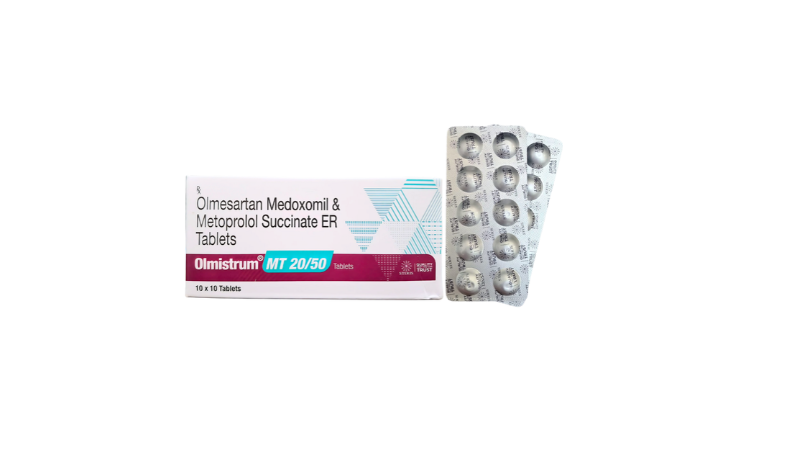
Olmesartan and Metoprolol: Uses, Benefits, Dosage & Side Effects | Steris Healthcare
Tofacitinib 11 mg Tablets: A Complete Guide to Uses and Side Effects
Olmesartan Medoxomil + Metoprolol Succinate: Uses, Dosage
Torsemide 100 mg: Uses, Dosage, Side Effects, and Precautions
How Streptococcus Thermophilus Supports Digestive Health
Olmesartan Medoxomil + Metoprolol Succinate: Uses, Benefits & Side Effects