


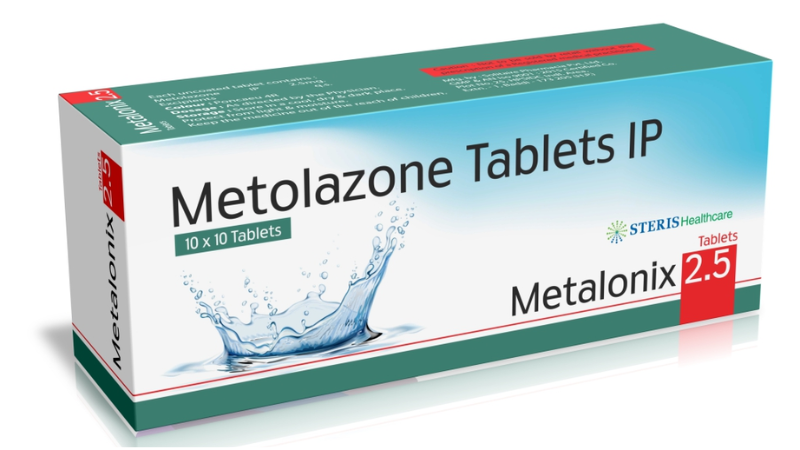



Metolazone (2.5 mg)
May 03, 2023
METALONIX 2.5 (Metolazone 2.5 mg) It is an anti-hypertensive 'water pill', a type of thiazide diuretic. It treats swollen feet and ankles (edema), leg swollen and/or high blood pressure; normally it is used with 'water pills' like loop diuretics (e.g., furosemide) to overcome 'heart failure or kidney disease'.
What is Metolazone 2.5 mg Used For?
Metolazone 2.5 mg tablet belongs to a class of medicines called thiazide-like diuretics. It is primarily used for:
- Edema (fluid retention) caused by congestive heart failure, chronic kidney disease, or liver disease
- High blood pressure (hypertension) management
- Swelling in the legs, ankles, and feet due to fluid buildup
- Supporting stronger diuresis when combined with loop diuretics in resistant fluid overload cases
Steris Healthcare's METALONIX 2.5 is commonly prescribed by cardiologists and nephrologists when standard diuretics alone aren't controlling fluid buildup effectively.
How Does Metolazone 2.5 mg Work?
Metolazone works by acting on the distal convoluted tubule of the kidney, blocking sodium and chloride reabsorption. This causes the kidneys to excrete more sodium, chloride, and water through urine, reducing excess fluid in the body and lowering blood pressure.
Because Metolazone works at a different part of the kidney nephron than loop diuretics (like furosemide), it's frequently combined with them to achieve a stronger combined diuretic effect — a strategy called sequential nephron blockade.
When Should I Take Metolazone 2.5 mg?
Should I Take Metolazone in the Morning?
Yes. Most doctors recommend taking Metolazone 2.5 mg in the morning, right after waking up. Since it increases urination, taking it early in the day helps avoid frequent nighttime bathroom trips that disrupt sleep.
Can I Take Metolazone with Food?
Metolazone can be taken with or without food. However, taking it with a light meal may help reduce mild stomach upset in some patients. Consistency matters more than timing around meals — try to take it at the same time every day.
How Long Does Metolazone Take to Work?
Metolazone typically starts working within 1 hour, with peak effects at 2 hours, and its effects can last 12 to 24 hours depending on the individual's kidney function and dose.
How Often Should I Take Metolazone 2.5 mg?
Dosage frequency depends on your condition:
- Hypertension: Usually once daily
- Edema/fluid overload: Once daily, or sometimes every other day or a few times per week, as directed
Why Am I Taking Metolazone 2.5 mg Every Other Day?
If your doctor prescribed an every-other-day or reduced-frequency schedule, it's usually to prevent excessive fluid and electrolyte loss while still controlling swelling. This dosing pattern is common in long-term maintenance therapy for heart failure patients. Never change this schedule without consulting your doctor.
What Happens If I Miss a Dose of Metolazone?
If you miss a dose, take it as soon as you remember on the same day. If it's almost time for your next dose, skip the missed one — do not double up. Missing occasional doses of Metolazone is not usually dangerous, but consistent adherence is important for controlling fluid and blood pressure.
Metolazone Dosage Guide
| Condition | Typical Starting Dose | Notes |
|---|---|---|
| Hypertension | 2.5 mg once daily | May be adjusted based on BP response |
| Edema (heart failure/kidney disease) | 2.5–10 mg once daily or as directed | Often combined with loop diuretics |
| Maintenance therapy | Every other day or few times weekly | Doctor-guided based on fluid status |
Always follow your prescribing doctor's exact dosage instructions for METALONIX 2.5 — this table is for general reference only.
Metolazone Side Effects
Like all medications, Metolazone 2.5 mg tablet can cause side effects. Most are related to fluid and electrolyte shifts.
Common Side Effects
- Metolazone frequent urination — increased need to urinate is expected and is a sign the medicine is working
- Metolazone dizziness — especially when standing up quickly (due to lower blood pressure)
- Metolazone fatigue — tiredness from fluid loss and electrolyte changes
- Metolazone muscle cramps — often linked to low potassium or magnesium levels
- Nausea or mild stomach upset
- Headache
Serious Side Effects (Seek Medical Attention)
- Severe dizziness or fainting
- Irregular heartbeat
- Significant decrease in urination
- Signs of severe dehydration (extreme thirst, dry mouth, confusion)
- Severe muscle weakness or cramping
Is Metolazone Safe?
Metolazone is considered safe and effective when taken exactly as prescribed and monitored with regular blood tests. Like all diuretics, it carries risks of dehydration and electrolyte imbalance if not properly monitored, which is why routine follow-up with your doctor is essential.
Does Metolazone Cause Dehydration?
Yes, Metolazone can cause dehydration if fluid intake isn't balanced, especially in hot weather, during illness, or if combined with other diuretics. Watch for symptoms like excessive thirst, dry mouth, reduced urination, or dizziness, and contact your doctor if these occur.
Can Metolazone Lower Potassium?
Yes. Metolazone is a potassium-wasting diuretic, meaning it can lower blood potassium levels (hypokalemia). This is one of the most important things to monitor during treatment.
What Are the Signs of Low Potassium from Metolazone?
- Muscle weakness or cramps
- Irregular or fast heartbeat
- Fatigue
- Tingling or numbness
- Constipation
Your doctor may recommend potassium-rich foods (bananas, oranges, spinach) or a potassium supplement if levels drop too low. Do not self-supplement potassium without medical guidance, as too much can also be dangerous.
Can Metolazone Cause Low Sodium?
Yes, low sodium (hyponatremia) is a known risk, particularly in older adults. Symptoms include confusion, nausea, headache, and weakness. Regular blood tests help catch this early.
Drug Interactions with Metolazone
Metolazone can interact with several medications and substances. Always inform your doctor about everything you're taking.
Can I Take Metolazone with Furosemide?
Yes, Metolazone is frequently prescribed together with Furosemide (Lasix) for patients with treatment-resistant edema or advanced heart failure. This combination produces a stronger diuretic effect through sequential nephron blockade, but it also increases the risk of dehydration and electrolyte imbalance, so close monitoring is essential.
Metolazone and Lasix Together
When combined, doctors typically start with the lowest effective doses and monitor kidney function, blood pressure, and electrolytes closely, especially in the first few weeks.
Metolazone with Blood Pressure Medications
Metolazone can enhance the blood-pressure-lowering effect of ACE inhibitors, ARBs, beta-blockers, and calcium channel blockers. This is often intentional (used together for better control) but requires dose adjustment to avoid excessively low blood pressure.
Other Notable Interactions
- NSAIDs (ibuprofen, naproxen) may reduce Metolazone's effectiveness and stress the kidneys
- Lithium levels can rise to toxic levels when combined with Metolazone
- Digoxin — low potassium from Metolazone can increase digoxin toxicity risk
- Corticosteroids may worsen potassium loss
Can I Drink Alcohol While Taking Metolazone?
It's best to avoid or limit alcohol while on Metolazone. Alcohol can intensify dizziness, low blood pressure, and dehydration risk.
Is Metolazone a Strong Diuretic?
Yes, Metolazone is considered a potent thiazide-like diuretic — stronger than standard thiazides like hydrochlorothiazide, especially in patients with reduced kidney function. It remains effective even when kidney function is impaired, which is why it's often chosen for advanced heart failure or chronic kidney disease patients when other diuretics stop working well.
Is Metolazone Better Than Hydrochlorothiazide?
Metolazone and hydrochlorothiazide (HCTZ) are both thiazide-type diuretics, but Metolazone:
- Works better in patients with reduced kidney function (low GFR)
- Has a longer duration of action in some cases
- Is often reserved for more resistant or severe fluid overload cases
HCTZ is more commonly used as a first-line option for simple hypertension, while Metolazone is typically used for more complex fluid management, often alongside loop diuretics.
Why Did My Doctor Prescribe Metolazone?
Doctors usually prescribe Metolazone 2.5 mg when:
- Standard diuretics alone aren't controlling swelling effectively
- You have heart failure with persistent fluid retention
- You have significant leg, ankle, or abdominal swelling
- Your kidney function requires a diuretic that still works despite reduced GFR
Does Metolazone Help with Swollen Legs?
Yes. Metolazone is highly effective for reducing leg and ankle swelling caused by fluid retention, particularly in heart failure and kidney-related edema, by helping the body eliminate excess sodium and water.
Can Metolazone Help with Heart Failure Swelling?
Yes, Metolazone is a well-established add-on therapy for heart failure patients experiencing fluid overload despite loop diuretic use, helping achieve better symptom control and reducing hospital readmissions related to fluid buildup.
Monitoring While on Metolazone
Can Metolazone Affect Kidney Function?
Metolazone can affect kidney function, especially if dehydration occurs. Regular blood tests help track kidney health (creatinine, BUN) alongside electrolyte levels.
Do I Need Blood Tests While Taking Metolazone?
Yes. Regular blood tests are an important part of safe Metolazone therapy, typically checking:
- Sodium and potassium levels
- Kidney function (creatinine, eGFR)
- Blood pressure at follow-up visits
Frequency of testing depends on your dose, other medications, and overall health condition — follow your doctor's monitoring schedule.
How Do I Know If Metolazone Is Working?
Signs Metolazone is working effectively include:
- Reduced swelling in legs, ankles, or abdomen
- Weight loss from fluid reduction (your doctor may ask you to track daily weight)
- Improved breathing if fluid overload was affecting your lungs
- Better-controlled blood pressure readings
Can Metolazone Make Me Lose Too Much Fluid?
Yes, excessive fluid loss can happen, leading to dehydration and low blood pressure. Warning signs include rapid weight loss, extreme thirst, dizziness, and reduced urination despite the drug's diuretic action. Contact your doctor if you notice sudden, significant changes.
How Much Water Should I Drink While Taking Metolazone?
There's no one-size-fits-all answer — fluid intake recommendations vary based on your condition (especially in heart failure, where fluid may need to be restricted). Always follow your doctor's specific fluid intake guidance rather than general hydration advice, since drinking too much or too little water can both cause problems on this medication.
What Foods Should I Avoid While Taking Metolazone?
- High-sodium/salty foods — can counteract the medication's fluid-reducing effect
- Excessive licorice — can worsen potassium loss
- Grapefruit in large quantities — may interact with some combination medications (check with your pharmacist if on multiple drugs)
Discuss potassium-rich or potassium-restricted foods with your doctor based on your latest blood test results, since needs vary by individual.
Can I Stop Taking Metolazone Suddenly?
No. Do not stop Metolazone abruptly without consulting your doctor, especially if you're being treated for heart failure or significant fluid overload. Sudden discontinuation can cause rebound fluid retention and worsening of symptoms. Your doctor may want to taper or adjust your regimen gradually.
Is Metolazone Safe for Older Adults?
Metolazone is commonly used in older adults but requires extra caution, since elderly patients are more prone to:
- Dehydration
- Low sodium and potassium levels
- Dizziness and fall risk
- Kidney function changes
Lower starting doses and closer monitoring are often recommended for elderly patients.
How Long Can I Stay on Metolazone 2.5 mg?
Metolazone can be used long-term for chronic conditions like heart failure and resistant hypertension, as long as it's regularly monitored with blood tests and follow-up visits. There is no fixed duration — your doctor will determine the appropriate length of therapy based on your ongoing clinical needs.
Additional Important Information About METALONIX 2.5
Here is some additional information patients often overlook when researching Metolazone:
- Storage: Store METALONIX 2.5 tablets at room temperature, away from moisture and direct sunlight, and out of reach of children.
- Pregnancy and breastfeeding: Metolazone should only be used in pregnancy or while breastfeeding if specifically advised by your doctor, as diuretics can affect placental blood flow and are generally avoided unless benefits outweigh risks.
- Overdose symptoms: Signs of Metolazone overdose include severe dehydration, very low blood pressure, confusion, and electrolyte disturbances — seek emergency medical care if suspected.
- Who should avoid Metolazone: People with anuria (inability to produce urine), severe kidney failure unresponsive to diuretics, or known allergy to sulfonamide-derived drugs should avoid Metolazone unless specifically directed by a specialist.
- Available strengths: Metolazone is typically available in 2.5 mg, 5 mg, and 10 mg tablet strengths — METALONIX 2.5 refers specifically to the 2.5 mg formulation manufactured by Steris Healthcare.
- Metolazone 2.5 mg price: Pricing varies by pharmacy, region, and whether a generic or branded version (like METALONIX 2.5) is dispensed. Speak with your local pharmacist or check with Steris Healthcare's authorized distributors for current pricing.
- Sun sensitivity: Some patients experience increased sensitivity to sunlight while on thiazide-like diuretics — using sunscreen is advisable during prolonged outdoor exposure.
Frequently Asked Questions (FAQ)
Q: What is Metolazone 2.5 mg used for?
A: It's used to treat fluid retention (edema) from heart failure, kidney disease, or liver disease, and to manage high blood pressure.
Q: Metolazone tablet uses — is it only for blood pressure?
A: No, while it helps control blood pressure, it's also widely used for treating swelling and fluid overload, often alongside other diuretics.
Q: What is the brand name for Metolazone?
A: METALONIX 2.5, manufactured by Steris Healthcare, is a branded formulation of Metolazone 2.5 mg.
Q: Is Metolazone available over the counter?
A: No, Metolazone is a prescription-only medication and should only be used under medical supervision.
Q: Can Metolazone cause weight loss?
A: The weight loss seen with Metolazone is primarily from fluid loss, not fat loss, and should be monitored by your doctor.
About This Content
This article was prepared as patient education material by Steris Healthcare, manufacturers of METALONIX 2.5 (Metolazone 2.5 mg tablets). Steris Healthcare is committed to providing accurate, accessible medication information to support informed patient care in collaboration with prescribing physicians.
Important Disclaimer: This content is for informational and educational purposes only and is not a substitute for professional medical advice, diagnosis, or treatment. Always take METALONIX 2.5 exactly as prescribed by your doctor, and consult your physician or pharmacist before making any changes to your medication routine. Never start, stop, or adjust your dosage without medical guidance. If you experience severe side effects, seek immediate medical attention.
Recent Post
Itopride Hydrochloride Uses: What It Treats and How It Works
Glimepiride 0.5 mg + Voglibose 0.2 mg + Metformin SR 500 mg | Steris Healthcare
Trimetazidine Hydrochloride Modified Release Tablets 35 mg Uses, Benefits

EUROSOFT MOSQUITO SHIELD
Olmesartan and Metoprolol: Uses, Benefits, Dosage & Side Effects | Steris Healthcare
Tofacitinib 11 mg Tablets: A Complete Guide to Uses and Side Effects
Olmesartan Medoxomil + Metoprolol Succinate: Uses, Dosage
Torsemide 100 mg: Uses, Dosage, Side Effects, and Precautions
How Streptococcus Thermophilus Supports Digestive Health
Olmesartan Medoxomil + Metoprolol Succinate: Uses, Benefits & Side Effects