


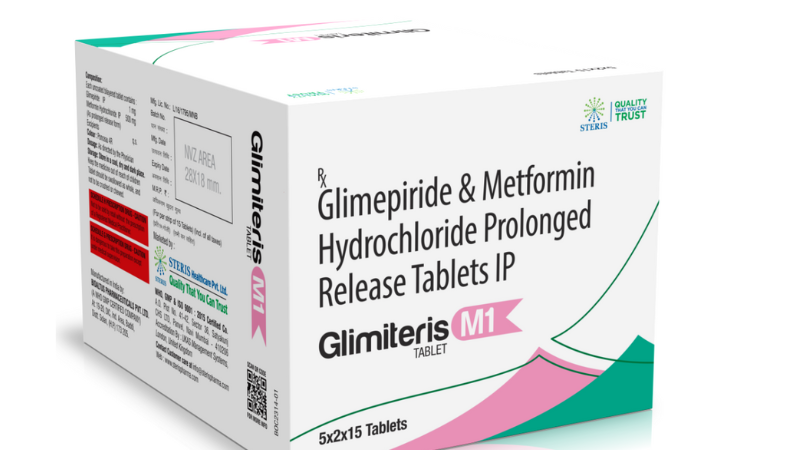



GLIMITERIS M1 (Glimepiride & Metformin Hydrochloride Prolonged Release): explore.....
Feb 06, 2024
Glimepiride and Metformin Hydrochloride Tablets are widely prescribed oral anti-diabetic medicines used for the effective management of Type 2 Diabetes Mellitus. This combination medicine helps control blood sugar levels by combining the glucose-lowering effects of two proven medications. Glimepiride stimulates the pancreas to produce more insulin, while Metformin Hydrochloride improves insulin sensitivity and reduces glucose production in the liver. Together, they provide comprehensive blood sugar control and help reduce the risk of diabetes-related complications.
For patients whose blood sugar levels are not adequately controlled through diet, exercise, or single-drug therapy, Glimepiride and Metformin Hydrochloride Tablets offer an effective treatment option. Regular use under medical supervision can improve glycemic control, enhance overall health, and reduce long-term complications such as kidney disease, nerve damage, heart disease, and vision problems.
Whether you are a healthcare provider, pharmacy, distributor, hospital, or patient seeking detailed information, this guide provides everything you need to know about Glimepiride and Metformin Hydrochloride Tablets, including uses, benefits, dosage, precautions, side effects, storage, and frequently asked questions.
What are Glimepiride and Metformin Hydrochloride Tablets?
Glimepiride and Metformin Hydrochloride Tablets are combination oral anti-diabetic medications formulated to manage blood glucose levels in adults diagnosed with Type 2 Diabetes. The dual-action formula works more effectively than many single-drug therapies because it addresses multiple causes of elevated blood sugar.
Glimepiride belongs to the sulfonylurea class of medicines, stimulating insulin secretion from pancreatic beta cells. Metformin Hydrochloride belongs to the biguanide class and decreases glucose production in the liver while improving insulin sensitivity in body tissues.
Doctors often prescribe this combination when lifestyle modifications and Metformin alone are insufficient for maintaining healthy blood sugar levels.
How Glimepiride and Metformin Hydrochloride Tablets Work
The effectiveness of this medicine comes from the complementary actions of its two active ingredients.
- Glimepiride increases insulin release from the pancreas, helping lower blood glucose after meals.
- Metformin Hydrochloride decreases glucose production by the liver.
- Improves the body's response to insulin.
- Reduces intestinal absorption of glucose.
- Helps maintain stable fasting and post-meal blood sugar levels.
This combination offers better glycemic control while supporting long-term diabetes management.
Uses of Glimepiride and Metformin Hydrochloride Tablets
- Management of Type 2 Diabetes Mellitus
- Control of fasting and postprandial blood sugar levels
- Combination therapy when Metformin alone is not effective
- Improvement of insulin sensitivity
- Reduction of HbA1c levels
- Prevention of diabetes-related complications
- Long-term diabetes management under medical supervision
Benefits of Glimepiride and Metformin Hydrochloride Tablets
- Provides dual-action blood sugar control
- Helps lower HbA1c effectively
- Improves insulin sensitivity
- Reduces excessive glucose production by the liver
- Supports healthy glucose metabolism
- Convenient combination tablet improves treatment compliance
- Helps reduce the risk of diabetic complications
- Effective for long-term diabetes management
- Suitable for adults with Type 2 Diabetes as prescribed
- Supports better overall metabolic health
Side Effects of Glimepiride and Metformin Hydrochloride Tablets
Like all medicines, this combination may cause side effects, although not everyone experiences them.
Common Side Effects
- Nausea
- Vomiting
- Diarrhea
- Stomach discomfort
- Headache
- Dizziness
- Low blood sugar (Hypoglycemia)
- Weakness
- Metallic taste in the mouth
- Loss of appetite
Serious Side Effects
- Severe hypoglycemia
- Allergic skin reactions
- Difficulty breathing
- Liver problems
- Lactic acidosis (rare but serious)
- Persistent vomiting
- Severe abdominal pain
- Yellowing of the skin or eyes
Seek immediate medical attention if serious symptoms occur.
Dosage and Administration
The dosage of Glimepiride and Metformin Hydrochloride Tablets depends on the patient's blood sugar levels, medical history, age, and physician's recommendation.
General administration guidelines include:
- Take exactly as prescribed by your doctor.
- Swallow the tablet whole with water.
- Take with meals to reduce stomach upset.
- Do not crush or chew the tablet unless advised.
- Follow a healthy diet and regular exercise routine.
- Monitor blood glucose regularly.
Never adjust your dose without consulting your healthcare provider.
Precautions Before Taking Glimepiride and Metformin Hydrochloride Tablets
Patients should inform their doctor if they have:
- Kidney disease
- Liver disease
- Heart disease
- History of lactic acidosis
- Severe infections
- Alcohol dependence
- Pregnancy or breastfeeding
- Planned surgery
- Vitamin B12 deficiency
Avoid excessive alcohol consumption while taking this medicine because it increases the risk of lactic acidosis.
Who Should Not Take Glimepiride and Metformin Hydrochloride Tablets?
This medicine may not be suitable for individuals with:
- Type 1 Diabetes Mellitus
- Diabetic ketoacidosis
- Severe kidney impairment
- Severe liver disease
- Known allergy to Glimepiride, Metformin, or sulfonylureas
- Severe dehydration
- Serious infections requiring hospitalization
Always consult a qualified healthcare professional before starting treatment.
Drug Interactions
Glimepiride and Metformin Hydrochloride Tablets may interact with several medicines, including:
- Insulin
- Other oral anti-diabetic medicines
- Corticosteroids
- Beta blockers
- Diuretics
- ACE inhibitors
- Thyroid medications
- Antifungal medicines
- Certain antibiotics
- Alcohol
Inform your doctor about all prescription medicines, over-the-counter drugs, herbal supplements, and vitamins you are taking.
Storage Instructions
Store Glimepiride and Metformin Hydrochloride Tablets properly to maintain their effectiveness.
- Store below 25°C.
- Keep away from direct sunlight.
- Protect from moisture.
- Keep in the original packaging.
- Keep out of reach of children.
- Do not use after the expiry date.
Why Choose Glimepiride and Metformin Hydrochloride Tablets?
For individuals living with Type 2 Diabetes, maintaining stable blood glucose levels is essential for long-term health. Glimepiride and Metformin Hydrochloride Tablets combine two clinically established medicines into a single formulation, making diabetes management more convenient and effective. The combination targets multiple pathways involved in blood sugar regulation, helping patients achieve improved glycemic control when used alongside a balanced diet, regular physical activity, and routine medical follow-up.
Healthcare professionals often recommend this combination because it can simplify treatment regimens, improve patient adherence, and reduce the progression of diabetes-related complications when taken consistently under medical supervision.
Buyer Information
If you are planning to purchase Glimepiride and Metformin Hydrochloride Tablets, ensure that you buy them from a licensed pharmaceutical manufacturer, authorized distributor, or trusted pharmacy. Verify the product's strength, manufacturing details, batch number, and expiry date before use. For hospitals, pharmacies, wholesalers, and healthcare institutions, sourcing from a reputable supplier helps ensure consistent product quality, regulatory compliance, and reliable availability.
Frequently Asked Questions
What are Glimepiride and Metformin Hydrochloride Tablets used for?
They are used to manage Type 2 Diabetes Mellitus by helping control blood sugar levels in adults.
How do Glimepiride and Metformin Hydrochloride Tablets work?
Glimepiride increases insulin release from the pancreas, while Metformin reduces glucose production in the liver and improves insulin sensitivity.
Can Glimepiride and Metformin Hydrochloride Tablets cure diabetes?
No. They help manage blood sugar levels but do not cure diabetes.
When should I take Glimepiride and Metformin Hydrochloride Tablets?
They are usually taken with meals as directed by your healthcare provider to improve effectiveness and reduce stomach discomfort.
Can I take Glimepiride and Metformin Hydrochloride Tablets on an empty stomach?
It is generally recommended to take them with food to minimize gastrointestinal side effects and reduce the risk of low blood sugar.
What should I do if I miss a dose?
Take the missed dose as soon as you remember unless it is almost time for your next scheduled dose. Do not take a double dose.
Are Glimepiride and Metformin Hydrochloride Tablets safe for long-term use?
Yes, when used under regular medical supervision with periodic monitoring of blood glucose, kidney function, and overall health.
Can these tablets cause low blood sugar?
Yes. Because Glimepiride stimulates insulin release, hypoglycemia may occur, particularly if meals are skipped or after excessive physical activity.
Can elderly patients take Glimepiride and Metformin Hydrochloride Tablets?
They may be prescribed to older adults, but dosage adjustments and closer monitoring may be necessary, especially in patients with reduced kidney function.
Is a prescription required?
Yes. Glimepiride and Metformin Hydrochloride Tablets are prescription medicines and should only be taken under the guidance of a qualified healthcare professional.
Can I buy Glimepiride and Metformin Hydrochloride Tablets online?
Yes, they are available through licensed pharmacies where permitted by local regulations, but a valid prescription is typically required.
What lifestyle changes should I follow while taking these tablets?
Maintain a balanced diet, exercise regularly, monitor blood sugar as advised, avoid excessive alcohol intake, and attend routine medical check-ups to support effective diabetes management.
Gliris m1 tablet?
Gliris M1 tablet: Take once daily with meals as prescribed; swallow whole with water, avoid missing doses regularly.
Recent Post
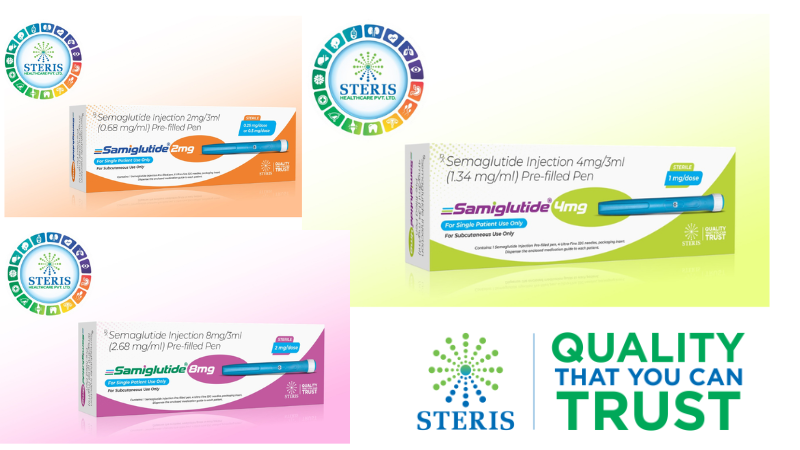
BEST semaglutide injection price in india
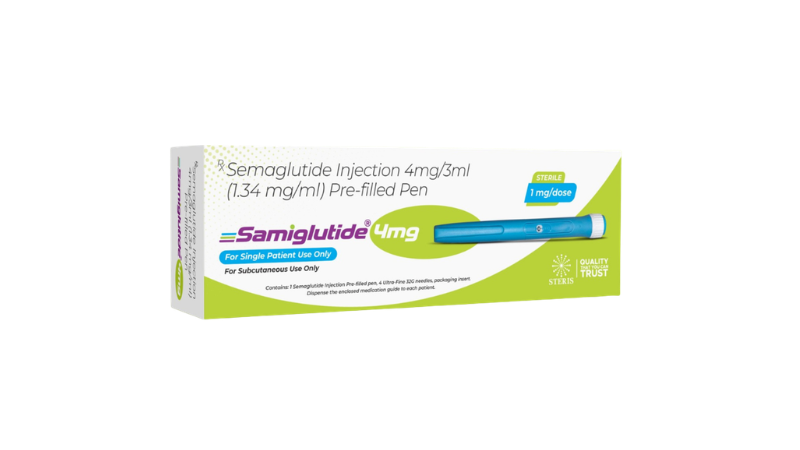
How Semaglutide Injection 4 mg Helps Control Blood Sugar
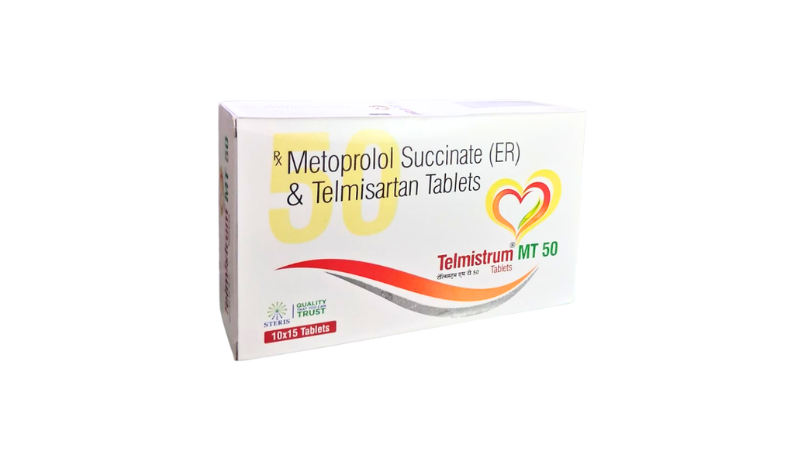
What Is Telmisartan and Metoprolol Succinate Combination Used For?
TELMISTRUM TRIO 6.25: Telmisartan, Cilnidipine & Chlorthalidone Uses & Side Effects

TELMISTRUM AZ 16: Telmisartan 40mg & Azelnidipine 16mg Uses, Dosage & Side Effects
What Is Telmisartan and Chlorthalidone Combination Used For?
Telmisartan 40mg + Amlodipine 5mg Tablets: Uses, Dosage & Side Effects
Clarithromycin, Esomeprazole & Amoxicillin Combo Kit: View Uses, Side Effects and Medicines
What Is Amoxicillin Clavulanate with Lactic Acid Bacillus Used For?
Semaglutide Injection 2mg/3ml (SAMIGLUTIDE) – Uses, Benefits, Dosage & Side Effects